




carbon steel pipe fitting Performance Analysis
Introduction
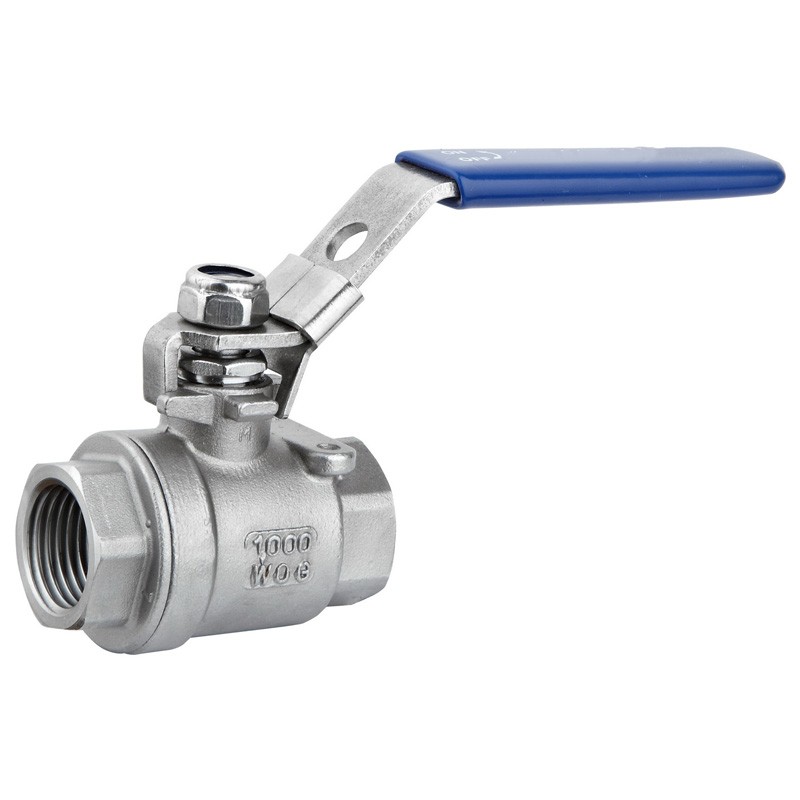
Carbon steel pipe fittings are integral components in fluid transport systems across numerous industries, including oil and gas, petrochemical, power generation, and water treatment. These fittings, which include elbows, tees, reducers, couplings, and flanges, facilitate the direction, branching, and connection of pipelines. Their primary function is to ensure a leak-proof and structurally sound connection while accommodating varying pressures, temperatures, and fluid types. Carbon steel, typically defined as steel with 2-10.5% carbon content, offers a balance of strength, ductility, and cost-effectiveness, making it a preferred material in these applications. The selection of appropriate carbon steel grade and fitting type is paramount, dictated by service conditions, fluid compatibility, and adherence to stringent industry standards. A key pain point within the industry revolves around ensuring long-term corrosion resistance and preventing failures related to material defects or improper installation, particularly in harsh operational environments. This guide provides an in-depth technical analysis of carbon steel pipe fittings, encompassing material science, manufacturing processes, performance characteristics, potential failure modes, and relevant industry regulations.
Material Science & Manufacturing
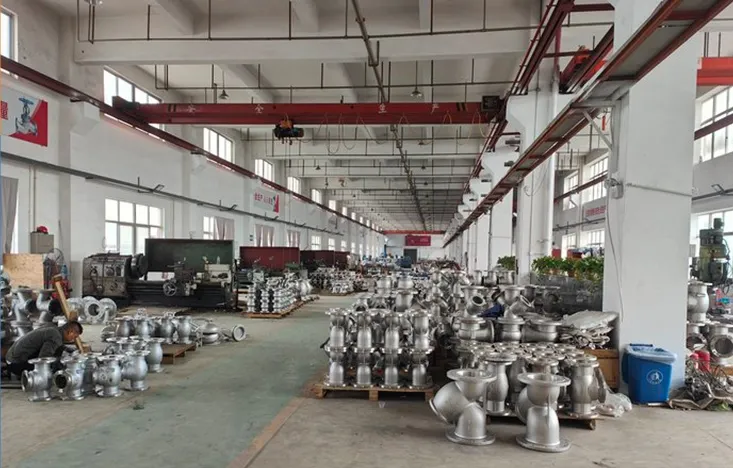
The most common carbon steel grades utilized in pipe fitting manufacture are ASTM A53 Grade B, ASTM A105, and ASTM A182 F302/F304. A53 Grade B, typically used for general-purpose piping, contains approximately 0.25-0.32% carbon, offering good weldability and formability. A105, frequently employed in higher-pressure applications, has a slightly higher carbon content (around 0.25-0.35%) resulting in increased tensile strength and yield strength. A182 F302/F304, categorized as alloy steel, incorporates chromium and molybdenum to enhance corrosion resistance and high-temperature performance. The manufacturing processes vary depending on the fitting type and size. Forging is common for larger, high-pressure fittings, involving shaping heated steel billets using hammers or presses. This process imparts a favorable grain structure, improving mechanical properties. Seamless fittings are produced through processes like hot extrusion or rotary piercing, eliminating weld seams and reducing potential failure points. Welded fittings, manufactured by welding pre-formed steel sections, are cost-effective for larger quantities. Critical parameters during welding include maintaining precise heat input, shielding gas composition, and post-weld heat treatment (PWHT) to minimize residual stresses and prevent cracking. Quality control throughout the manufacturing process relies on non-destructive testing (NDT) methods like ultrasonic testing (UT), radiographic testing (RT), and liquid penetrant testing (PT) to detect internal flaws and surface imperfections. Chemical composition verification is performed through spectroscopic analysis to ensure compliance with material specifications. Surface finish requirements, dictated by service conditions, involve pickling, passivation, or coating application to improve corrosion resistance.
Performance & Engineering
The performance of carbon steel pipe fittings is fundamentally governed by their ability to withstand internal pressure, external loads, and environmental stresses. Force analysis, including hoop stress calculations (for circumferential components) and longitudinal stress analysis (for straight pipe sections), is critical to determine the appropriate wall thickness and fitting dimensions. Finite Element Analysis (FEA) is often employed to simulate complex stress distributions under various loading conditions, including bending moments, torsional loads, and thermal expansion. Environmental resistance is a significant concern, particularly in corrosive environments. Carbon steel is susceptible to various forms of corrosion, including general corrosion, pitting corrosion, crevice corrosion, and stress corrosion cracking (SCC). The rate of corrosion is influenced by factors such as pH, temperature, oxygen concentration, and the presence of corrosive agents (e.g., chlorides, sulfides). Protective coatings, such as epoxy, polyurethane, or galvanizing, are commonly applied to mitigate corrosion. Cathodic protection, utilizing sacrificial anodes or impressed current systems, offers another layer of defense against corrosion. Compliance requirements vary by industry and region. ASME B31.3 (Process Piping) and ASME B31.1 (Power Piping) are widely adopted standards in the United States, defining requirements for design, materials, fabrication, inspection, and testing. European standard EN 10253-1 specifies requirements for seamless steel tubes for pressure purposes. Proper installation is crucial to ensure optimal performance. Threaded connections must be properly torqued to achieve a leak-proof seal. Welded connections require qualified welders and adherence to established welding procedures.
Technical Specifications
| Material Grade | Tensile Strength (MPa) | Yield Strength (MPa) | Elongation (%) | Hardness (Brinell) | Operating Temperature Range (°C) |
|---|---|---|---|---|---|
| ASTM A53 Grade B | 400-530 | 240-310 | 20-35 | 120-180 | -30 to 150 |
| ASTM A105 | 585-725 | 275-415 | 18-25 | 140-200 | -30 to 370 |
| ASTM A182 F304 | 517-724 | 172-276 | 30-50 | 190-255 | -196 to 427 |
| ASTM A182 F302 | 552-758 | 276-414 | 20-40 | 190-255 | -196 to 482 |
| Wall Thickness (Schedule 40) | 2.77 mm | 3.37 mm | 3.91 mm | 4.57 mm | 5.56 mm |
| Pressure Rating (PN) | PN6 | PN10 | PN16 | PN25 | PN40 |
Failure Mode & Maintenance
Carbon steel pipe fittings are susceptible to several failure modes. Fatigue cracking, often occurring under cyclic loading, initiates at stress concentrators such as weld toes or geometric discontinuities. Corrosion-induced cracking, including SCC, is prevalent in corrosive environments, particularly when tensile stresses are present. Pitting corrosion can lead to localized material loss and eventual perforation. Erosion corrosion occurs when abrasive particles in the fluid stream impinge on the fitting surface, removing protective layers and accelerating corrosion. Delamination, particularly in welded fittings, can result from inadequate weld penetration or poor bonding between weld metal and base metal. Oxidation at high temperatures can lead to scale formation and reduced mechanical properties. Maintenance strategies are crucial to prevent failures and extend service life. Regular visual inspections are essential to identify signs of corrosion, cracking, or erosion. NDT methods, such as UT and PT, can detect internal flaws and surface cracks. Protective coatings should be inspected and repaired as needed. PWHT can relieve residual stresses and improve fracture resistance. Proper cleaning and filtration of fluids can minimize erosion corrosion. Periodic hydrostatic testing can verify the integrity of the piping system. Replacement of fittings exhibiting significant degradation is essential to prevent catastrophic failures. A robust preventative maintenance program including documented inspections and repair logs is critical for ensuring long-term reliability and safety.
Industry FAQ
Q: What is the impact of sulfur content in carbon steel pipe fittings on corrosion resistance?
A: Higher sulfur content can reduce corrosion resistance, particularly in wet environments. Sulfur forms iron sulfide, which is less protective than iron oxide and can accelerate corrosion. Lower sulfur content grades are preferred for applications involving corrosive fluids.
Q: How does the heat treatment process affect the mechanical properties of forged carbon steel fittings?
A: Heat treatment, specifically normalizing and tempering, significantly influences mechanical properties. Normalizing refines the grain structure, improving toughness and ductility. Tempering reduces hardness and brittleness while enhancing toughness. Proper heat treatment is critical for achieving the desired balance of strength and ductility.
Q: What are the key considerations when selecting a coating for carbon steel pipe fittings operating in a marine environment?
A: In marine environments, coatings must provide excellent resistance to saltwater corrosion. Epoxy coatings, polyurethane coatings, and galvanizing are commonly used. The coating thickness, application method, and surface preparation are critical factors. Regular inspection and maintenance of the coating are essential to prevent corrosion.
Q: What are the implications of using dissimilar metals in a piping system with carbon steel fittings?
A: Using dissimilar metals can create galvanic corrosion cells, where one metal corrodes preferentially. Proper insulation between dissimilar metals, coupled with a sacrificial anode or impressed current cathodic protection system, is necessary to mitigate this risk.
Q: How important is weld procedure qualification (WPQ) and welder performance qualification (WPQ) for ensuring the integrity of welded carbon steel pipe fittings?
A: WPQ and WQ are paramount. A qualified welding procedure ensures the welding process parameters (heat input, shielding gas, etc.) are optimized for the specific material and joint configuration. A qualified welder demonstrates proficiency in executing the procedure consistently, minimizing defects and ensuring a sound weld. Lack of proper qualification can lead to weld failures.
Conclusion
Carbon steel pipe fittings remain a fundamental component of numerous industrial fluid handling systems due to their cost-effectiveness and acceptable performance characteristics. However, ensuring long-term reliability requires a thorough understanding of material science principles, manufacturing processes, and potential failure mechanisms. Proper material selection, diligent quality control during manufacturing, and adherence to industry standards are essential to mitigate risks associated with corrosion, fatigue, and other degradation processes.
The effective implementation of preventative maintenance programs, including regular inspections, non-destructive testing, and protective coating maintenance, further enhances the service life and safety of carbon steel pipe fitting installations. Continuous advancements in alloy development and coating technologies promise to further improve the corrosion resistance and performance of these critical components, enabling safer and more efficient fluid transport operations.
-
The Essential Guide to Dual Plate Check Valves
-
Swing Check Valve Types: Reliable Flow Control & Backflow Prevention
-
Top Reasons to Choose a Stainless Steel Flange Check Valve for Industrial Applications
-
solenoid valve 3 way 2 position Performance Analysis
-
micro solenoid valve Performance Analysis
-
solenoid ball valve Performance Analysis
-
micro solenoid valves Performance Engineering
-
solenoid ball valves Performance Analysis
-
solenoid valve 5 2 Performance Analysis
-
solenoid valve stainless steel Performance Analysis
-
stainless steel solenoid valves Performance Analysis
-
solenoid valve 5/2 Performance Analysis
-
cryogenic solenoid valve Performance Analysis
-
direct acting solenoid valve Performance Analysis
-
miniature solenoid valve Performance Analysis
 Afrikaans
 Albanian
 Amharic
 Arabic
 Armenian
 Azerbaijani
 Basque
 Belarusian
 Bengali
 Bosnian
 Bulgarian
 Catalan
 Cebuano
 Corsican
 Croatian
 Czech
Czech
 Danish
 Dutch
Dutch
 Esperanto
 Estonian
 Finnish
 French
 Frisian
 Galician
 Georgian
 German
 Greek
Greek
 Gujarati
 Haitian Creole
 Hausa
Hawaiian
Hausa
Hawaiian
 Hebrew
 Hindi
Hindi
 Miao
Miao
 Hungarian
 Icelandic
 Igbo
Igbo
 Indonesian
 Irish
Irish
 Italian
 Japanese
 Javanese
Kannada
Javanese
Kannada
 Kazakh
 Khmer
Khmer
 Rwandese
 Korean
 Kurdish
 Kyrgyz
 Lao
Lao
 Latin
Latin
 Latvian
 Lithuanian
 Luxembourgish
 Macedonian
 Malgashi
 Malay
Malay
 Malayalam
 Maltese
 Maori
Maori
 Marathi
 Mongolian
 Myanmar
 Nepali
 Norwegian
 Norwegian
 Occitan
 Pashto
 Persian
 Polish
 Portuguese
Punjabi
Portuguese
Punjabi
 Romanian
 Russian
 Samoan
 Scottish Gaelic
 Serbian
 Sesotho
 Shona
Shona
 Sindhi
 Sinhala
 Slovak
 Slovenian
 Somali
 Spanish
 Sundanese
 Swahili
 Swedish
Tagalog
Swedish
Tagalog
 Tajik
Tajik
 Tamil
Tamil
 Tatar
Tatar
 Telugu
 Thai
Thai
 Turkish
 Turkmen
 Ukrainian
 Urdu
Urdu
 Uighur
 Uzbek
Uzbek
 Vietnamese
 Welsh
Welsh
 Bantu
Bantu
 Yiddish
 Yoruba
 Zulu
Zulu
 English