




china 1/2 ball valve Performance Analysis
Introduction
The 1/2 inch ball valve, manufactured in China, represents a critical component in fluid control systems across diverse industrial applications. Positioned within the piping infrastructure as a quarter-turn valve, it regulates the flow of liquids, gases, and semi-solid materials. Its core function is to provide on/off control, offering minimal pressure drop when fully open. These valves are commonly employed in water treatment, oil and gas processing, chemical handling, and various manufacturing processes. Performance characteristics are defined by factors including pressure rating, material compatibility, and sealing efficiency, all of which are crucial considerations for ensuring operational integrity and preventing leaks. The widespread adoption of Chinese-manufactured ball valves stems from their cost-effectiveness, coupled with increasing adherence to international quality standards. However, understanding material grades, manufacturing tolerances, and potential failure modes is essential for informed procurement and optimal system performance. This guide provides a detailed examination of the material science, manufacturing processes, performance parameters, and maintenance protocols associated with China-made 1/2 inch ball valves.
Material Science & Manufacturing
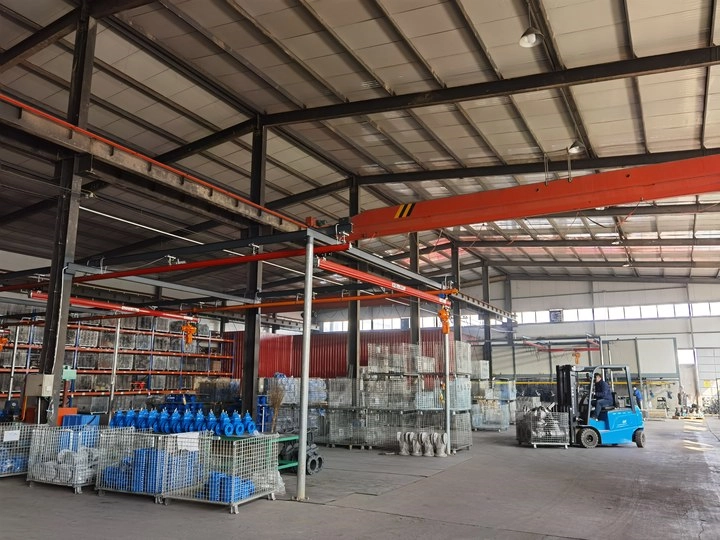
The typical 1/2 inch ball valve body is constructed from materials such as carbon steel (ASTM A105, equivalent to GB/T 1220), stainless steel (304/316 – ASTM A351, GB/T 1220), or brass (HPb59-1, GB/T 1176). The ball itself is often manufactured from stainless steel (316) for corrosion resistance, while the seats commonly utilize PTFE (Polytetrafluoroethylene) due to its exceptional chemical inertness and low friction coefficient. Manufacturing begins with material sourcing, followed by casting or forging for the body. Casting provides cost-effectiveness but may introduce porosity; forging offers superior mechanical properties but is more expensive. Precision machining is critical for creating the valve bore and seat interfaces. Ball polishing is essential to achieve a smooth, leak-proof surface. Seat insertion requires tight tolerances to ensure effective sealing. Welding processes (SMAW, GTAW) are utilized for joining components, demanding strict adherence to welding procedures (AWS D1.1, GB/T 8163) to prevent weld defects like porosity and cracking. Parameter control during heat treatment (annealing, quenching, tempering) impacts the material’s hardness, ductility, and corrosion resistance. Surface finishing, typically involving passivation for stainless steel, enhances corrosion protection. Quality control checks throughout the process include dimensional inspections, hydrostatic testing (API 598, GB/T 13927), and material certification to ensure compliance with specified standards.
Performance & Engineering
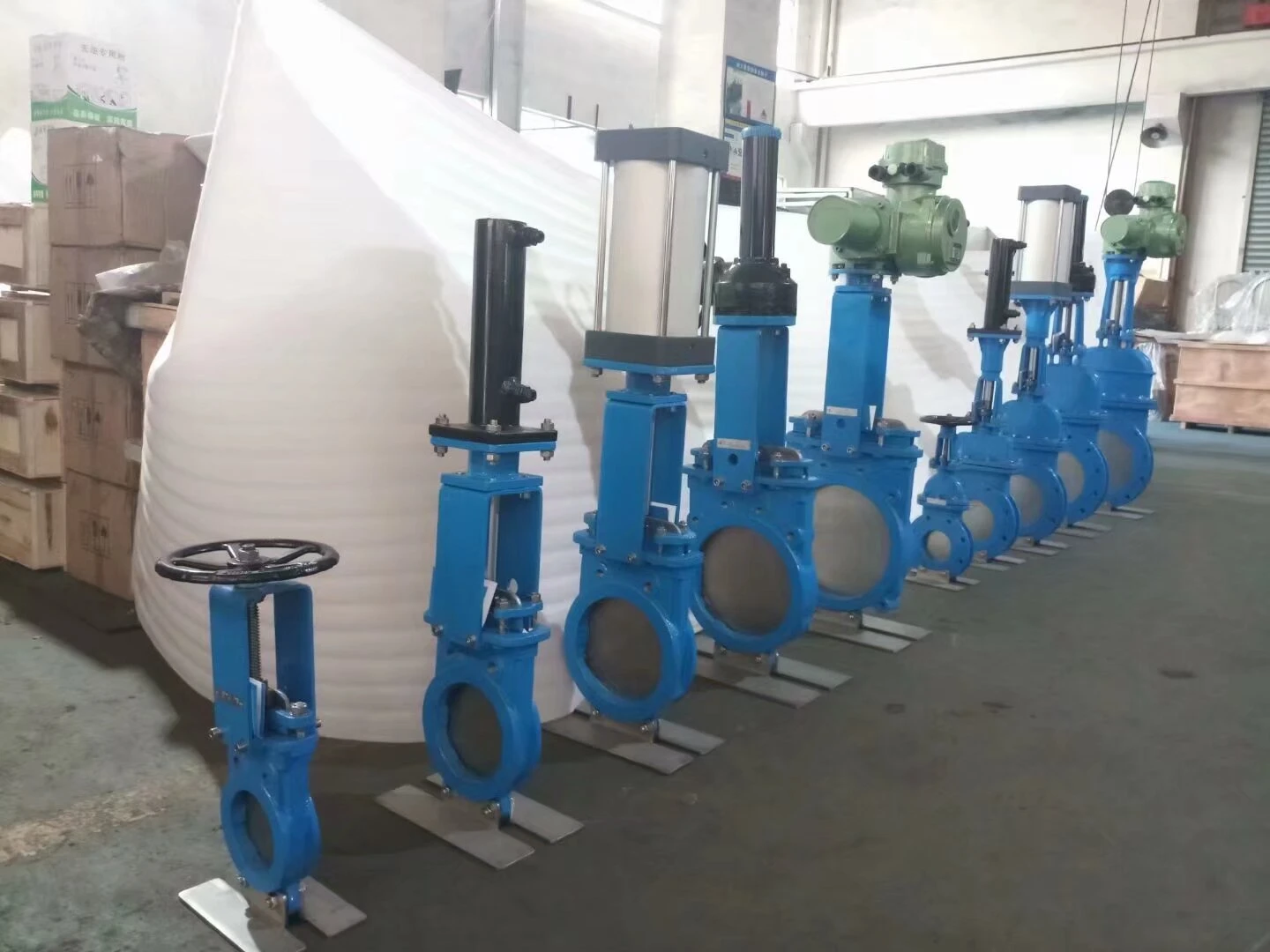
The performance of a 1/2 inch ball valve hinges on its ability to withstand pressure, temperature fluctuations, and chemical exposure. Force analysis involves calculating stresses on the ball, seats, and body under maximum operating pressure. The valve's torque requirement for full closure is a critical engineering parameter, influenced by seat friction and internal pressure. Environmental resistance is a key concern, particularly in corrosive environments. Stainless steel valves offer superior resistance to chlorides, acids, and bases compared to carbon steel, but material selection must align with the specific fluid being controlled. Compliance requirements dictate adherence to industry standards like ASME B16.34 (for pressure-temperature ratings) and API 6D (for ball valve design and testing). The sealing mechanism, relying on the interference fit between the ball and seats, dictates the valve's leak tightness. Leakage is quantified using leakage class designations (Class VI – bubble tight, API 598). Furthermore, the valve's Cv (flow coefficient) value defines its flow capacity, crucial for optimizing system performance. Finite element analysis (FEA) is frequently employed to optimize valve design, ensuring structural integrity and minimizing stress concentrations. Understanding the valve's pressure drop characteristics is essential for accurate system modeling and performance prediction.
Technical Specifications
| Parameter | Unit | Carbon Steel | Stainless Steel 304/316 |
|---|---|---|---|
| Nominal Size | inch | 1/2 | 1/2 |
| Pressure Rating | psi | Up to 720 | Up to 1440 |
| Temperature Range | °F | -20 to 450 | -20 to 600 |
| Body Material | - | A105 | 304/316 |
| Ball Material | - | Chrome Plated Carbon Steel | 316 Stainless Steel |
| Seat Material | - | PTFE | PTFE |
| Connection Type | - | Threaded (NPT, BSPT), Socket Weld, Buttweld | Threaded (NPT, BSPT), Socket Weld, Buttweld |
Failure Mode & Maintenance
Common failure modes in 1/2 inch ball valves include seat deformation or wear, leading to leakage; corrosion of the body or ball, particularly in aggressive environments; stem packing failure resulting in external leakage; and galling or scoring of the ball surface due to abrasive particles in the fluid. Fatigue cracking can occur in the valve body under cyclic loading. Failure analysis often reveals root causes related to improper material selection, exceeding pressure/temperature limits, or inadequate maintenance. Regular inspection of the valve body for corrosion, seat wear, and stem packing integrity is crucial. Preventive maintenance involves periodic lubrication of the stem and seat to reduce friction and prevent galling. For carbon steel valves, protective coatings (epoxy, polyurethane) can mitigate corrosion. In cases of seat failure, replacement is necessary. If the valve experiences frequent operation, consider upgrading to a more durable seat material (e.g., reinforced PTFE). Proper storage is vital to prevent corrosion; valves should be stored in a dry, protected environment. Hydrostatic testing should be performed periodically to verify the valve's sealing integrity and structural soundness. When replacing components, always use parts that meet or exceed the original specifications.
Industry FAQ
Q: What is the significance of the valve’s ‘Cv’ value in system design?
A: The Cv value, or flow coefficient, represents the valve’s capacity to pass fluid at a specific pressure drop. A higher Cv value indicates a greater flow capacity. It’s critical for accurately sizing the valve to match the system’s flow requirements. Undersizing leads to excessive pressure drop and reduced flow, while oversizing can lead to instability and control issues. Correct Cv selection ensures optimal system performance and minimizes energy consumption.
Q: How does the material of the ball and seat impact chemical compatibility?
A: The ball and seat materials must be chemically compatible with the fluid being controlled. PTFE seats offer broad chemical resistance, but certain highly aggressive chemicals can cause swelling or degradation. Stainless steel (316) balls offer superior corrosion resistance compared to carbon steel, but are susceptible to pitting corrosion in chloride-rich environments. Careful consideration of the fluid’s composition and concentration is crucial to prevent material degradation and valve failure.
Q: What are the key differences between threaded and welded connections?
A: Threaded connections (NPT, BSPT) are cost-effective and easy to install and disassemble. However, they are prone to leakage, particularly under high pressure or temperature. Welded connections (socket weld, buttweld) provide a permanent, leak-tight seal and are preferred for critical applications. Welding requires skilled labor and can be more time-consuming and expensive.
Q: What is the purpose of hydrostatic testing, and how often should it be performed?
A: Hydrostatic testing verifies the valve’s structural integrity and leak tightness by subjecting it to a pressure exceeding its rated working pressure. It identifies any defects in the body, seats, or connections. Frequency depends on the application and operating conditions; typically, it’s recommended after installation, after repairs, and periodically (e.g., annually) for critical systems.
Q: What are the implications of using a lower-cost carbon steel valve in a corrosive environment?
A: Using carbon steel in a corrosive environment will lead to premature failure due to corrosion. This can result in leaks, system downtime, and potential safety hazards. While carbon steel valves are initially cheaper, the long-term cost of repair and replacement often exceeds the investment in a more corrosion-resistant material like stainless steel.
Conclusion
The 1/2 inch ball valve, as produced in China, serves as a fundamental component in numerous industrial fluid control systems. Its performance and longevity are intrinsically linked to material selection, meticulous manufacturing processes, and adherence to stringent quality control standards. Understanding the potential failure modes, coupled with a proactive maintenance strategy, is essential for maximizing operational reliability and minimizing downtime.
The continued evolution of manufacturing techniques and material science will undoubtedly lead to further improvements in the performance and durability of these valves. Future trends may include the adoption of advanced sealing materials, enhanced corrosion protection coatings, and the integration of smart valve technologies for remote monitoring and control, strengthening their position as a vital element within complex industrial networks.
-
Raised Face Flange Performance Analysis
-
Threaded Flanges Performance Analysis
-
uni flange Performance Analysis
-
Thread Flange Material Science and Performance
-
Flange Welding Performance Analysis
-
Flanged Couplings Performance Analysis
-
female thread ball valve Performance Analysis
-
1/2 ball valve Material Science Manufacturing
-
gas ball valves Performance Engineering
-
2 inch ball valves Performance Analysis
-
motorized ball valve Performance Analysis
-
floating ball valve Performance Analysis
-
ball valve stainless steel Performance Analysis
-
gate valve stainless steel Performance Analysis
-
dn200 gate valve Performance Analysis
 Afrikaans
 Albanian
 Amharic
 Arabic
 Armenian
 Azerbaijani
 Basque
 Belarusian
 Bengali
 Bosnian
 Bulgarian
 Catalan
 Cebuano
 Corsican
 Croatian
 Czech
Czech
 Danish
 Dutch
Dutch
 Esperanto
 Estonian
 Finnish
 French
 Frisian
 Galician
 Georgian
 German
 Greek
Greek
 Gujarati
 Haitian Creole
 Hausa
Hawaiian
Hausa
Hawaiian
 Hebrew
 Hindi
Hindi
 Miao
Miao
 Hungarian
 Icelandic
 Igbo
Igbo
 Indonesian
 Irish
Irish
 Italian
 Japanese
 Javanese
Kannada
Javanese
Kannada
 Kazakh
 Khmer
Khmer
 Rwandese
 Korean
 Kurdish
 Kyrgyz
 Lao
Lao
 Latin
Latin
 Latvian
 Lithuanian
 Luxembourgish
 Macedonian
 Malgashi
 Malay
Malay
 Malayalam
 Maltese
 Maori
Maori
 Marathi
 Mongolian
 Myanmar
 Nepali
 Norwegian
 Norwegian
 Occitan
 Pashto
 Persian
 Polish
 Portuguese
Punjabi
Portuguese
Punjabi
 Romanian
 Russian
 Samoan
 Scottish Gaelic
 Serbian
 Sesotho
 Shona
Shona
 Sindhi
 Sinhala
 Slovak
 Slovenian
 Somali
 Spanish
 Sundanese
 Swahili
 Swedish
Tagalog
Swedish
Tagalog
 Tajik
Tajik
 Tamil
Tamil
 Tatar
Tatar
 Telugu
 Thai
Thai
 Turkish
 Turkmen
 Ukrainian
 Urdu
Urdu
 Uighur
 Uzbek
Uzbek
 Vietnamese
 Welsh
Welsh
 Bantu
Bantu
 Yiddish
 Yoruba
 Zulu
Zulu
 English