




china 6 inch butterfly valve Performance Analysis
Introduction
The 6-inch butterfly valve manufactured in China is a critical flow control component widely utilized across numerous industrial sectors, including water treatment, chemical processing, power generation, and HVAC systems. Positioned as a quarter-turn valve, it employs a disc rotating on an axis to regulate fluid passage. Its core performance characteristics revolve around flow capacity, pressure drop, sealing efficiency, and operational torque. Compared to gate valves or globe valves of similar size, butterfly valves typically offer lower pressure drop and faster actuation speeds, making them particularly advantageous in large-diameter piping systems. The Chinese manufacturing base has become a significant global supplier due to competitive pricing and increasingly stringent quality control measures, although variations in material grade and manufacturing precision necessitate careful evaluation by end-users. The rising demand for automated flow control, particularly within smart city initiatives and industrial IoT applications, continues to drive innovation and refinement in 6-inch butterfly valve design and manufacturing processes.
Material Science & Manufacturing
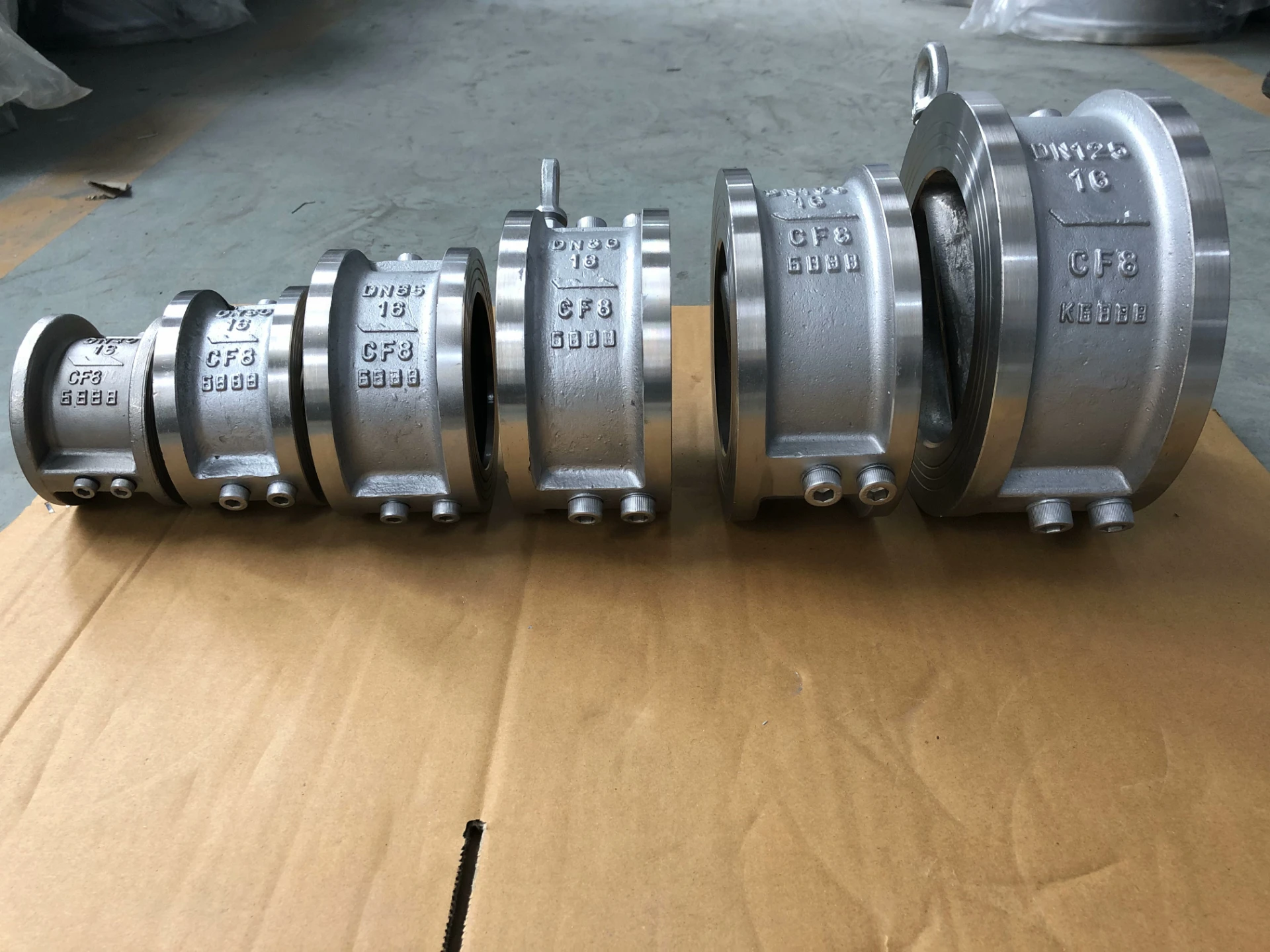
The body of a typical 6-inch butterfly valve is commonly constructed from cast iron (ASTM A126 Class B), ductile iron (ASTM A536 65-45-12), or stainless steel (304/316). Ductile iron is preferred for its enhanced tensile strength and ductility compared to cast iron, minimizing the risk of brittle fracture under pressure fluctuations. Stainless steel grades are chosen for corrosive environments. The disc itself frequently utilizes stainless steel (304/316), nickel-plated brass, or polymer materials like PTFE depending on fluid compatibility and temperature requirements. The stem, crucial for torque transmission, utilizes stainless steel (410/316) for corrosion resistance and strength. Manufacturing processes primarily involve sand casting for the body, followed by machining to achieve dimensional accuracy and smooth sealing surfaces. The disc is produced through forging, machining, and subsequent polishing. Critical parameters during manufacturing include: wall thickness control during casting to ensure pressure containment, surface roughness (Ra < 0.8 μm) on the sealing surfaces to minimize leakage, and precise alignment of the stem and disc to reduce friction and ensure smooth operation. Welding, where applicable (e.g., for stainless steel flanges), adheres to AWS D1.1 standards. Post-manufacturing, valves undergo hydrostatic testing (API 598) to verify shell integrity and seat leakage testing (API 598) to confirm sealing performance.
Performance & Engineering
Performance of a 6-inch butterfly valve is significantly impacted by flow characteristics, cavitation, and water hammer. Flow coefficient (Cv) values are determined through rigorous testing according to ISO 5208, quantifying the valve’s capacity to pass a specific fluid at a given pressure drop. The valve’s torque requirements, essential for actuator sizing, are calculated considering fluid density, flow velocity, and disc geometry. Cavitation, a phenomenon where vapor bubbles form and collapse within the fluid, can erode the disc and body material. This is mitigated by selecting valve designs with streamlined disc profiles and operating the valve within its recommended flow range. Water hammer, caused by sudden valve closure, generates pressure surges that can damage the valve and piping system. Slow-closing actuators and surge suppression devices are employed to minimize this effect. Engineering considerations include finite element analysis (FEA) to optimize body geometry for stress distribution under pressure, and computational fluid dynamics (CFD) to analyze flow patterns and identify potential cavitation zones. Compliance with relevant standards such as API 609 (butterfly valves) and MSS SP-61 (pressure testing) ensures reliable operation and safety. Material selection must account for temperature fluctuations, chemical compatibility with the process fluid, and potential for galvanic corrosion if dissimilar metals are used.
Technical Specifications
| Parameter | Specification (Typical) | Units | Test Standard |
|---|---|---|---|
| Nominal Size | 6 inch (150mm) | - | ANSI/ASME B16.10 |
| Pressure Rating | 125 PSI (8.6 bar) | PSI/bar | ANSI/ASME B16.34 |
| Body Material | Ductile Iron (QT450-10) | - | ASTM A536 65-45-12 |
| Disc Material | Stainless Steel 316 | - | ASTM A351 CF8M |
| Seat Material | EPDM or PTFE | - | - |
| Connection Type | Wafer or Lug | - | ANSI/ASME B16.10 |
| Operating Temperature Range | -20°C to 120°C | °C | - |
Failure Mode & Maintenance
Common failure modes for 6-inch butterfly valves include seat leakage due to wear or damage, disc corrosion, stem packing failure leading to external leakage, and actuator malfunction. Fatigue cracking can occur in the disc or body under cyclic loading, particularly at stress concentration points. Corrosion is a significant concern, especially in aggressive fluid environments, leading to pitting and erosion. Seat leakage is often caused by abrasion from particulate matter in the fluid or by degradation of the seat material. Stem packing failure can result from improper installation, insufficient lubrication, or excessive temperature. Preventative maintenance includes regular inspection of the disc and seat for signs of wear or corrosion, periodic lubrication of the stem and actuator, and replacement of worn stem packing. Non-destructive testing (NDT) methods, such as ultrasonic testing (UT) or liquid penetrant inspection (LPI), can detect hidden cracks or flaws. In the event of significant leakage, the valve should be disassembled, inspected, and repaired or replaced. Proper storage is also critical; valves should be stored in a dry, protected environment to prevent corrosion. Regular actuation exercises, even when the valve is not in service, prevent actuator seizing.
Industry FAQ
Q: What is the expected lifespan of a 6-inch ductile iron butterfly valve in a potable water application?
A: The expected lifespan of a 6-inch ductile iron butterfly valve in a potable water application, assuming proper installation and regular maintenance, is typically 20-30 years. However, this is heavily dependent on water quality (pH, chlorine levels, presence of abrasive particles), operating frequency, and adherence to recommended maintenance schedules. Regular inspections for corrosion and seat wear are crucial for maximizing lifespan.
Q: How does the choice of seat material (EPDM vs. PTFE) affect performance in different chemical applications?
A: EPDM exhibits excellent resistance to many chemicals, particularly water-based solutions, and offers good sealing performance at lower temperatures. PTFE, however, provides superior resistance to a wider range of aggressive chemicals, including acids, bases, and solvents. PTFE is also less susceptible to temperature variations. The selection should be based on a detailed chemical compatibility analysis of the process fluid.
Q: What are the critical considerations when specifying an actuator for a 6-inch butterfly valve?
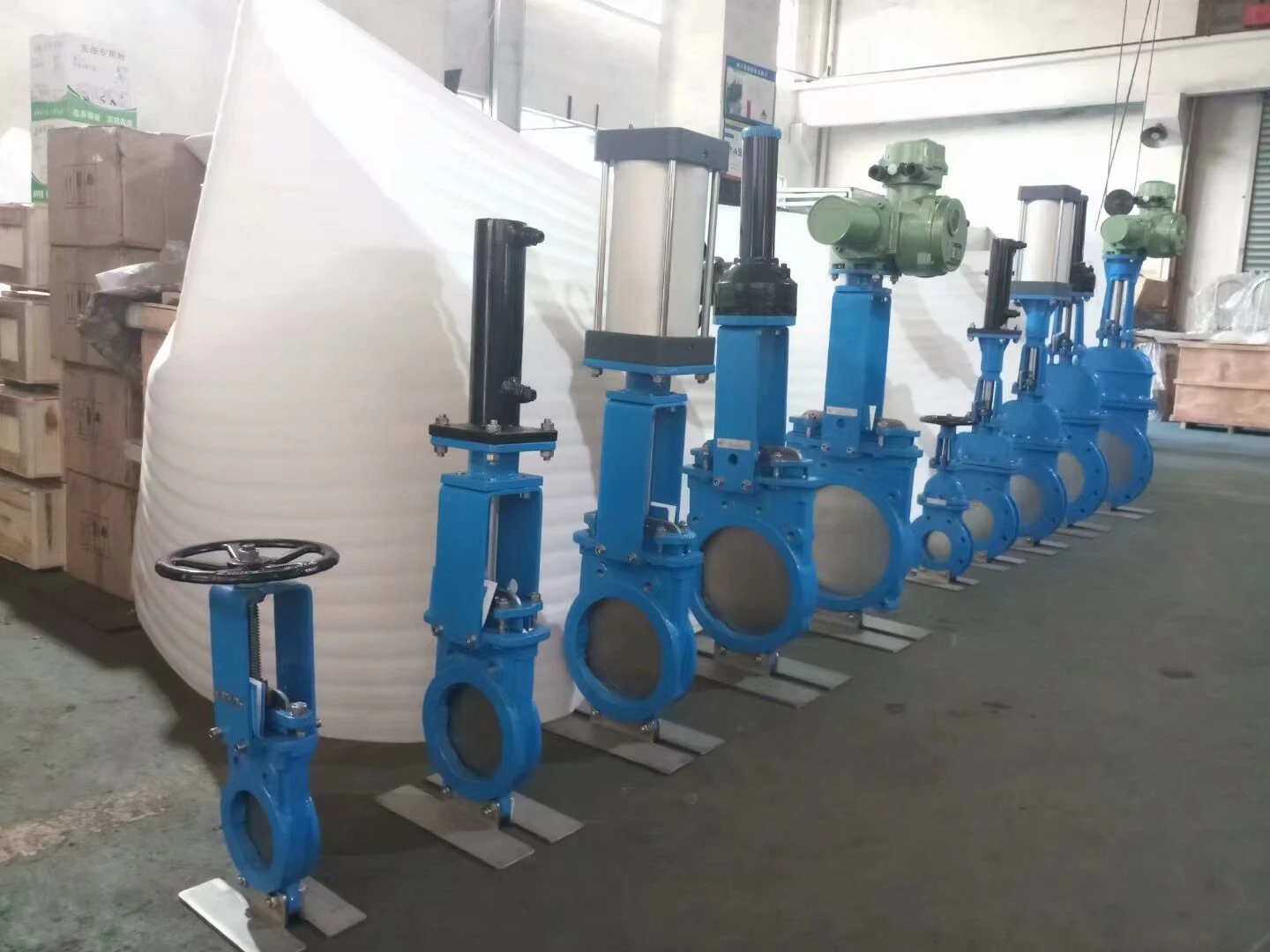
A: Critical considerations include required torque output (based on fluid properties and flow rate), operating speed, control type (on/off, modulating), and environmental conditions. The actuator must provide sufficient torque to overcome fluid resistance and friction within the valve. Fail-safe functionality (fail-open or fail-close) should also be specified based on process requirements. Power source (electric, pneumatic, hydraulic) is another key consideration.
Q: What are the implications of using a wafer-type vs. a lug-type butterfly valve?
A: Wafer-type valves are generally more cost-effective and lighter in weight, but require flange bolting for installation and are less suitable for high-pressure applications. Lug-type valves have integrated lugs with pre-drilled holes, allowing for installation between flanges without additional bolting, and are generally more robust and suitable for higher pressures. The choice depends on the piping configuration and pressure requirements.
Q: What are the common causes of excessive torque during valve operation and how can they be addressed?
A: Excessive torque can be caused by several factors, including: stem packing tightness, corrosion on the stem or disc, debris accumulation on the seat, improper alignment, or insufficient lubrication. Addressing these issues involves loosening the stem packing, cleaning the stem and disc, removing debris, realigning the valve, and applying appropriate lubricant.
Conclusion
The China-manufactured 6-inch butterfly valve represents a versatile and cost-effective solution for a wide range of fluid control applications. Understanding the material science, manufacturing processes, performance characteristics, and potential failure modes is crucial for informed selection and optimal operation. Prioritizing quality control, proper installation, and regular maintenance ensures long-term reliability and minimizes downtime.
Continued advancements in materials, actuator technology, and valve design will further enhance the performance and efficiency of these valves. Adherence to international standards and rigorous testing protocols will remain paramount to maintaining their position as a critical component within modern industrial infrastructure. Future trends will likely focus on smart valve technologies incorporating sensors and remote monitoring capabilities for predictive maintenance and optimized process control.
-
megalug flange Performance and Engineering
-
Plate Flange Performance Analysis
-
Reducing Flange Performance Analysis
-
Sealing Flange Performance Analysis
-
Turbo Flanges Performance Analysis
-
Screwed Flange Performance Analysis
-
Screwed Flanges Performance Analysis
-
Screw Flanges Performance Analysis
-
weld neck flanges Performance Analysis
-
welding neck flange Material Science Manufacturing
-
Raised Face Flange Performance Analysis
-
Threaded Flanges Performance Analysis
-
uni flange Performance Analysis
-
Thread Flange Material Science and Performance
-
Flange Welding Performance Analysis
 Afrikaans
 Albanian
 Amharic
 Arabic
 Armenian
 Azerbaijani
 Basque
 Belarusian
 Bengali
 Bosnian
 Bulgarian
 Catalan
 Cebuano
 Corsican
 Croatian
 Czech
Czech
 Danish
 Dutch
Dutch
 Esperanto
 Estonian
 Finnish
 French
 Frisian
 Galician
 Georgian
 German
 Greek
Greek
 Gujarati
 Haitian Creole
 Hausa
Hawaiian
Hausa
Hawaiian
 Hebrew
 Hindi
Hindi
 Miao
Miao
 Hungarian
 Icelandic
 Igbo
Igbo
 Indonesian
 Irish
Irish
 Italian
 Japanese
 Javanese
Kannada
Javanese
Kannada
 Kazakh
 Khmer
Khmer
 Rwandese
 Korean
 Kurdish
 Kyrgyz
 Lao
Lao
 Latin
Latin
 Latvian
 Lithuanian
 Luxembourgish
 Macedonian
 Malgashi
 Malay
Malay
 Malayalam
 Maltese
 Maori
Maori
 Marathi
 Mongolian
 Myanmar
 Nepali
 Norwegian
 Norwegian
 Occitan
 Pashto
 Persian
 Polish
 Portuguese
Punjabi
Portuguese
Punjabi
 Romanian
 Russian
 Samoan
 Scottish Gaelic
 Serbian
 Sesotho
 Shona
Shona
 Sindhi
 Sinhala
 Slovak
 Slovenian
 Somali
 Spanish
 Sundanese
 Swahili
 Swedish
Tagalog
Swedish
Tagalog
 Tajik
Tajik
 Tamil
Tamil
 Tatar
Tatar
 Telugu
 Thai
Thai
 Turkish
 Turkmen
 Ukrainian
 Urdu
Urdu
 Uighur
 Uzbek
Uzbek
 Vietnamese
 Welsh
Welsh
 Bantu
Bantu
 Yiddish
 Yoruba
 Zulu
Zulu
 English