




china angle globe valves Performance Analysis
Introduction
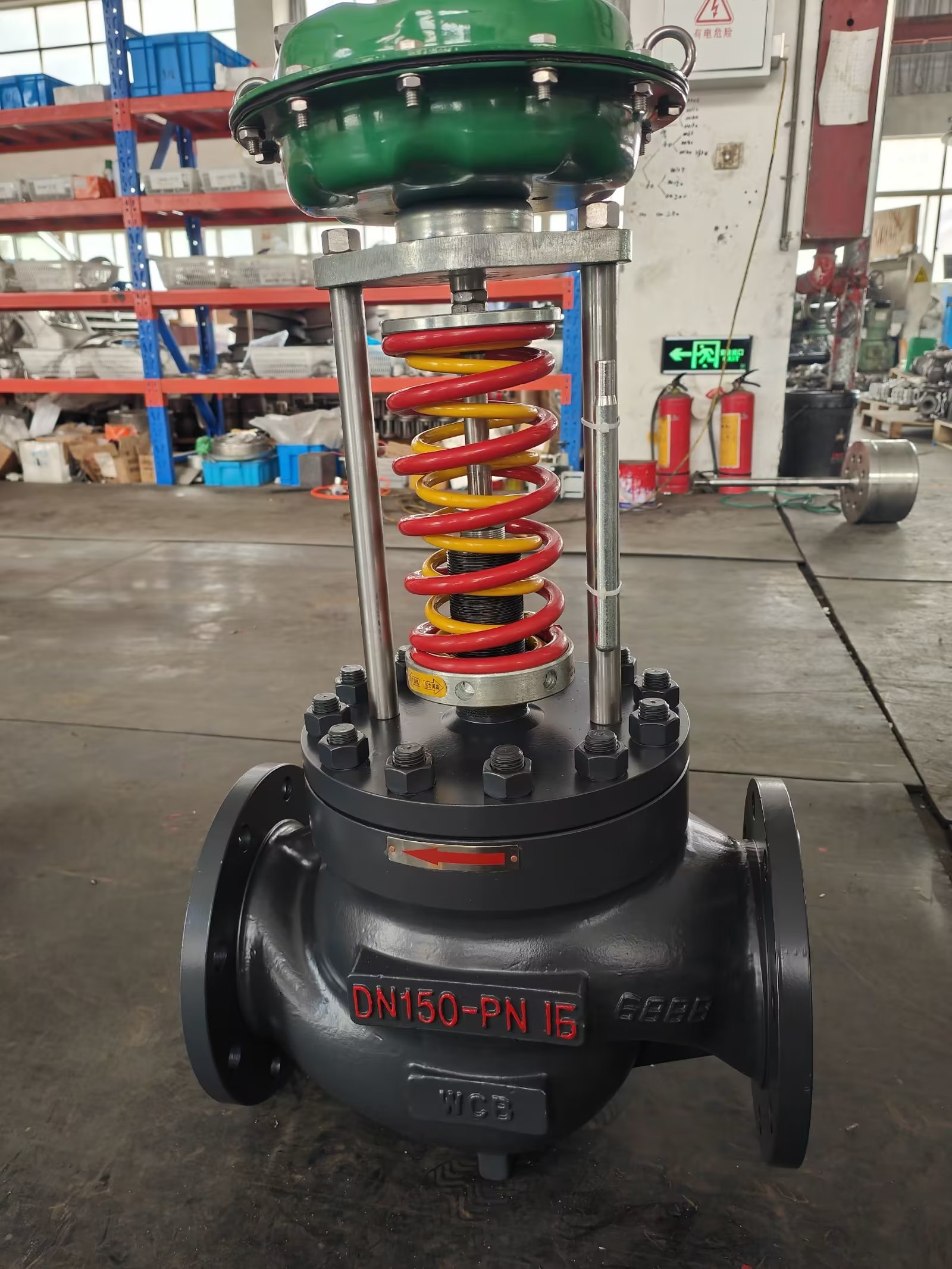
China angle globe valves are a critical component in fluid control systems across a wide range of industrial applications, including power generation, chemical processing, oil and gas refining, and water treatment. Distinguished by their angled body design, these valves offer a 90-degree flow path, facilitating efficient fluid direction and minimizing pressure drop. Unlike parallel seat globe valves, angle globe valves compensate for piping misalignment, reducing stress on the valve and connected piping. Their functionality relies on a disc moving perpendicular to the flow, modulating flow rate. A key industry pain point is the frequent need for maintenance and repair due to erosion, corrosion, and cavitation, particularly in high-velocity and abrasive fluid applications. Understanding material selection, manufacturing tolerances, and proper installation are therefore paramount for reliable operation. This guide provides an in-depth technical analysis of china angle globe valves, covering material science, manufacturing processes, performance characteristics, potential failure modes, and relevant industry standards.
Material Science & Manufacturing
The body of a china angle globe valve is commonly constructed from materials such as cast iron (ASTM A126 Grade B), ductile iron (ASTM A536 Grade 65-45-12), carbon steel (ASTM A105), stainless steel (304, 316 – ASTM A351), or alloy steel (ASTM A182 F304/F316). The selection depends on the fluid properties (corrosivity, temperature, pressure) and the operating environment. Internal components, including the disc and seat, typically employ materials with high wear resistance, such as hardened stainless steel (410, 420), nickel alloys (Monel, Inconel), or ceramic coatings. Manufacturing processes begin with pattern making for cast valves, followed by sand casting and subsequent machining to achieve tight dimensional tolerances. Welding is employed for steel valve body fabrication, adhering to AWS D1.1 standards. Disc manufacturing involves forging, machining, and polishing to ensure a smooth sealing surface. The seat is often manufactured via precision machining of a softer material (e.g., PTFE, reinforced PTFE) to create a leak-tight seal. Critical parameters during manufacturing include surface roughness (Ra), dimensional accuracy (±0.1mm), and weld quality (radiographic testing). The stem is often made of stainless steel and undergoes hardening to resist wear. Proper heat treatment is vital to ensure the mechanical properties of critical components, such as yield strength and tensile strength, are within specified limits. Erosion corrosion is a substantial issue when dealing with slurry flows.
Performance & Engineering
Angle globe valves are primarily designed for throttling and flow regulation, offering precise control over fluid flow rate. Performance is evaluated based on flow coefficient (Cv), pressure drop, shut-off class (ANSI/FCI 70-2), and seat leakage (ASTM E1926). Force analysis is crucial to determine the required actuator torque to overcome fluid forces and friction. Cavitation, a significant concern in globe valves, occurs when pressure drops below the fluid's vapor pressure, leading to bubble formation and implosion, eroding valve components. Minimizing pressure drop through optimized flow path design and proper valve sizing is vital to prevent cavitation. Environmental resistance is assessed through corrosion testing (ASTM B117 – salt spray testing) and temperature cycling. Compliance with industry standards such as API 600 (steel globe valves) and MSS SP-110 (testing of valves) is essential. The valve’s angle configuration reduces piping stress, but this needs to be accounted for in overall system stress analysis. Finite element analysis (FEA) is often used to model stress distribution and optimize valve design for specific applications. The valve's actuation mechanism (manual, pneumatic, electric) impacts responsiveness and control accuracy.
Technical Specifications
| Parameter | Unit | Typical Value (Carbon Steel) | Typical Value (Stainless Steel 316) |
|---|---|---|---|
| Maximum Operating Pressure | psi | 900 | 650 |
| Temperature Range | °F | -20 to 450 | -328 to 650 |
| Connection Type | - | Screwed, Flanged, Welded | Screwed, Flanged, Welded |
| Body Material | - | Carbon Steel (A105) | Stainless Steel (A351 CF8M) |
| Disc Material | - | Alloy Steel | Stainless Steel 316 |
| Seat Material | - | PTFE | PTFE |
| Cv (Flow Coefficient) | - | 2-150 (varies by size) | 2-150 (varies by size) |
Failure Mode & Maintenance
Common failure modes in china angle globe valves include: 1) Erosion – caused by abrasive particles in the fluid stream, leading to disc and seat damage. 2) Corrosion – particularly in aggressive chemical environments, affecting valve body and internal components. 3) Cavitation – resulting in pitting and erosion of the disc and seat. 4) Seat Leakage – due to wear, damage, or contamination of the sealing surfaces. 5) Stem Packing Failure – leading to leakage around the stem. 6) Actuator Failure – pneumatic or electric actuators can malfunction due to contamination, corrosion, or mechanical failure. Preventative maintenance is crucial. Regular inspection (visual, ultrasonic testing) should be performed to detect corrosion, erosion, and cracks. Seat replacement is recommended based on wear analysis. Stem packing should be replaced periodically to prevent leakage. Lubrication of the stem and actuator components is essential for smooth operation. Periodic testing of the valve’s shut-off capability is recommended. Flushing the valve to remove debris and contaminants is also important. For severe erosion or corrosion, consider upgrading to more resistant materials (e.g., ceramic coatings, high-alloy steels). Implementing filters upstream of the valve can mitigate erosion caused by particulate matter.
Industry FAQ
Q: What is the primary difference between a globe valve and a gate valve in terms of throttling capability?
A: Globe valves, including angle globe valves, are designed for precise throttling and flow regulation. The disc obstructs flow, allowing for accurate control. Gate valves are primarily on/off valves; attempting to throttle with a gate valve can cause erosion and damage to the gate and seat due to the high-velocity flow across the partially open gate. Gate valves are better suited for applications where fully open or fully closed operation is required.
Q: How does the angle body design impact installation and piping stress?
A: The 90-degree angle body design inherently compensates for piping misalignment, reducing stress on the valve and the connected piping. This eliminates the need for additional pipe bends or offsets to achieve proper alignment. However, the angle configuration introduces a lateral force component that must be considered in overall piping stress analysis. Properly supported piping is still essential.
Q: What materials are best suited for handling highly corrosive fluids like sulfuric acid?
A: For highly corrosive fluids like sulfuric acid, materials such as Alloy 20, Hastelloy C-276, or PTFE-lined carbon steel are recommended. These materials exhibit exceptional resistance to chemical attack. The specific material selection should be based on the acid concentration, temperature, and flow velocity. Careful consideration of gasket and seal materials is also critical.
Q: What are the benefits of using a pneumatic actuator versus an electric actuator for an angle globe valve?
A: Pneumatic actuators are generally preferred for applications requiring fast response times and fail-safe operation (fail-to-open or fail-to-close). They are also more cost-effective for simpler control schemes. Electric actuators offer precise positioning and are suitable for remote control and complex automation systems, but they typically have slower response times and may require more complex wiring and control infrastructure.
Q: How can I mitigate the risk of cavitation in an angle globe valve application?
A: Mitigating cavitation involves several strategies. First, properly size the valve to avoid excessive pressure drop. Second, ensure the fluid is clean and free of entrained gases. Third, consider using a valve with a streamlined flow path to minimize pressure recovery and bubble formation. Fourth, if possible, increase the downstream pressure to suppress cavitation. Finally, utilizing materials resistant to cavitation erosion (e.g., hardened stainless steel) can extend valve life.
Conclusion
China angle globe valves represent a versatile and essential component in a multitude of industrial fluid control systems. Their angled body configuration provides distinct advantages in terms of piping alignment and space constraints. However, realizing their full potential requires careful consideration of material selection, meticulous manufacturing practices, and proactive maintenance strategies. Understanding the potential failure modes – particularly erosion, corrosion, and cavitation – and implementing appropriate mitigation measures are critical for ensuring long-term reliability and operational efficiency.
Future advancements in angle globe valve technology are likely to focus on enhanced material coatings for improved erosion and corrosion resistance, smart valve designs with integrated sensors for real-time performance monitoring, and optimized flow path geometries to minimize pressure drop and cavitation. Continued adherence to relevant industry standards and a commitment to rigorous quality control will be paramount for maintaining the integrity and performance of these critical control valves.
-
The Essential Guide to Dual Plate Check Valves
-
Swing Check Valve Types: Reliable Flow Control & Backflow Prevention
-
Top Reasons to Choose a Stainless Steel Flange Check Valve for Industrial Applications
-
solenoid valve 3 way 2 position Performance Analysis
-
micro solenoid valve Performance Analysis
-
solenoid ball valve Performance Analysis
-
micro solenoid valves Performance Engineering
-
solenoid ball valves Performance Analysis
-
solenoid valve 5 2 Performance Analysis
-
solenoid valve stainless steel Performance Analysis
-
stainless steel solenoid valves Performance Analysis
-
solenoid valve 5/2 Performance Analysis
-
cryogenic solenoid valve Performance Analysis
-
direct acting solenoid valve Performance Analysis
-
miniature solenoid valve Performance Analysis
 Afrikaans
 Albanian
 Amharic
 Arabic
 Armenian
 Azerbaijani
 Basque
 Belarusian
 Bengali
 Bosnian
 Bulgarian
 Catalan
 Cebuano
 Corsican
 Croatian
 Czech
Czech
 Danish
 Dutch
Dutch
 Esperanto
 Estonian
 Finnish
 French
 Frisian
 Galician
 Georgian
 German
 Greek
Greek
 Gujarati
 Haitian Creole
 Hausa
Hawaiian
Hausa
Hawaiian
 Hebrew
 Hindi
Hindi
 Miao
Miao
 Hungarian
 Icelandic
 Igbo
Igbo
 Indonesian
 Irish
Irish
 Italian
 Japanese
 Javanese
Kannada
Javanese
Kannada
 Kazakh
 Khmer
Khmer
 Rwandese
 Korean
 Kurdish
 Kyrgyz
 Lao
Lao
 Latin
Latin
 Latvian
 Lithuanian
 Luxembourgish
 Macedonian
 Malgashi
 Malay
Malay
 Malayalam
 Maltese
 Maori
Maori
 Marathi
 Mongolian
 Myanmar
 Nepali
 Norwegian
 Norwegian
 Occitan
 Pashto
 Persian
 Polish
 Portuguese
Punjabi
Portuguese
Punjabi
 Romanian
 Russian
 Samoan
 Scottish Gaelic
 Serbian
 Sesotho
 Shona
Shona
 Sindhi
 Sinhala
 Slovak
 Slovenian
 Somali
 Spanish
 Sundanese
 Swahili
 Swedish
Tagalog
Swedish
Tagalog
 Tajik
Tajik
 Tamil
Tamil
 Tatar
Tatar
 Telugu
 Thai
Thai
 Turkish
 Turkmen
 Ukrainian
 Urdu
Urdu
 Uighur
 Uzbek
Uzbek
 Vietnamese
 Welsh
Welsh
 Bantu
Bantu
 Yiddish
 Yoruba
 Zulu
Zulu
 English