




china cf8m ball valve Performance Analysis
Introduction
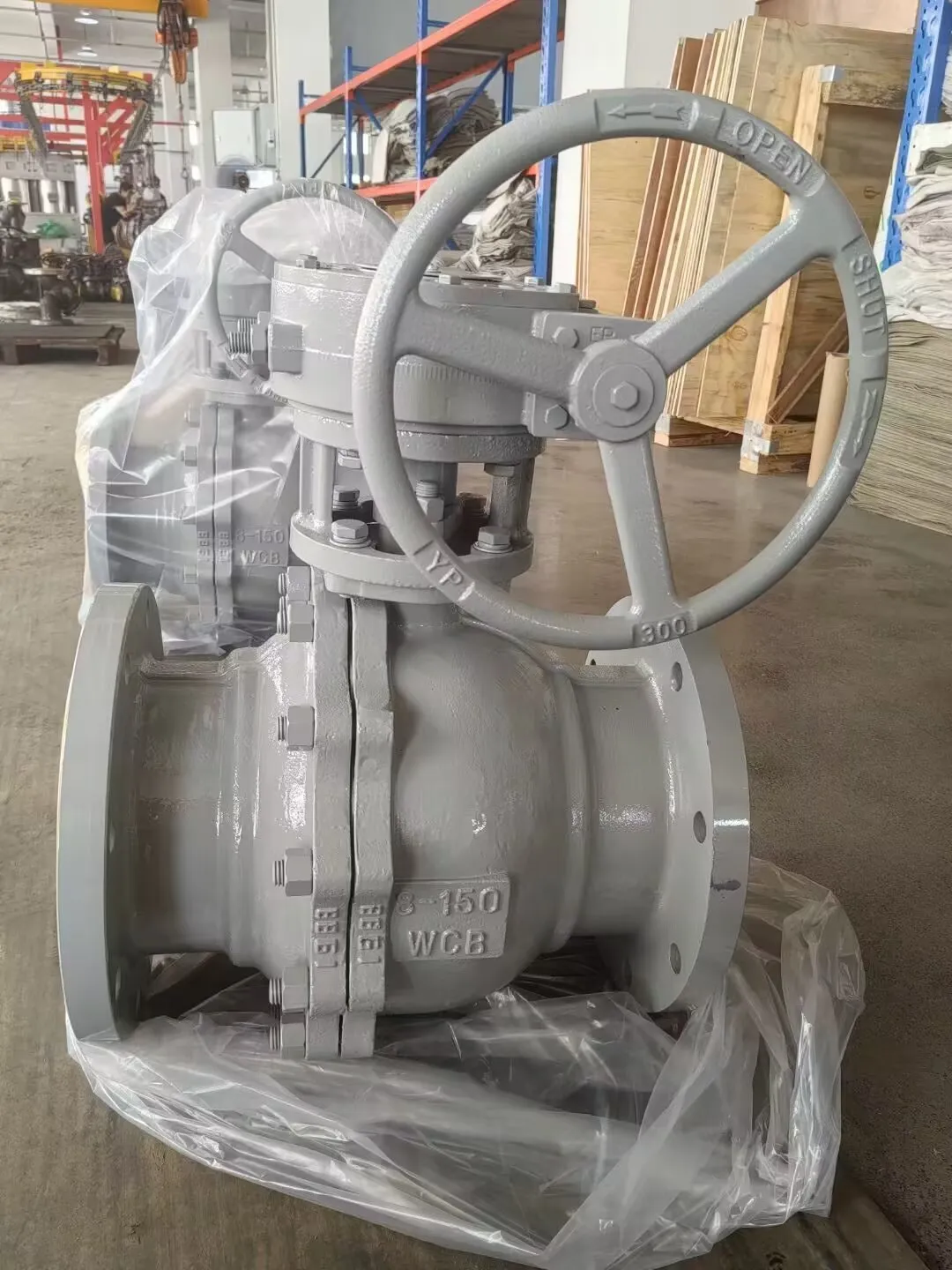
The CF8M ball valve represents a critical component in fluid control systems across diverse industries, including oil and gas, chemical processing, power generation, and water treatment. Designated “CF8M” signifies a specific alloy composition – a modified austenitic stainless steel (typically 316) optimized for enhanced strength and corrosion resistance. Its primary function is to regulate the flow of liquids and gases via a rotating ball with a bore, offering superior sealing capabilities and low pressure drop compared to other valve types. This guide provides an in-depth technical analysis of CF8M ball valves manufactured in China, covering material science, manufacturing processes, performance characteristics, failure modes, and relevant industry standards. Core performance metrics include pressure-temperature ratings, leakage rates (Class VI is typical), and actuation speeds. A significant industry pain point is ensuring consistent material quality and dimensional accuracy from Chinese manufacturers to meet stringent international specifications, particularly concerning alloy composition verification and non-destructive testing.
Material Science & Manufacturing
The body of a CF8M ball valve is primarily constructed from a modified 316 stainless steel alloy, containing molybdenum (typically 2-3%) for improved pitting corrosion resistance in chloride-containing environments. The ball itself is often hardened to Rc60-65 via heat treatment following machining to enhance wear resistance. Seat materials vary depending on the application; PTFE (Teflon) is common for general service, while materials like PEEK or reinforced PTFE are used for high-temperature or aggressive chemical applications. The stem material is typically 316 stainless steel. Manufacturing begins with precision casting or forging of the valve body. Critical parameters during casting include controlling cooling rates to minimize porosity and ensuring proper chemical composition. Machining processes, including CNC milling and turning, are employed to achieve dimensional accuracy of the bore and sealing surfaces. Welding procedures (typically GTAW – Gas Tungsten Arc Welding) are crucial for joining components, requiring qualified welders and adherence to ASME Section IX standards. Post-weld heat treatment (PWHT) is often performed to relieve residual stresses and improve the corrosion resistance of welds. Surface finishing, including polishing and passivation, enhances corrosion resistance. Quality control measures include positive material identification (PMI) via X-ray fluorescence (XRF) to verify alloy composition and dye penetrant inspection (DPI) to detect surface cracks.
Performance & Engineering
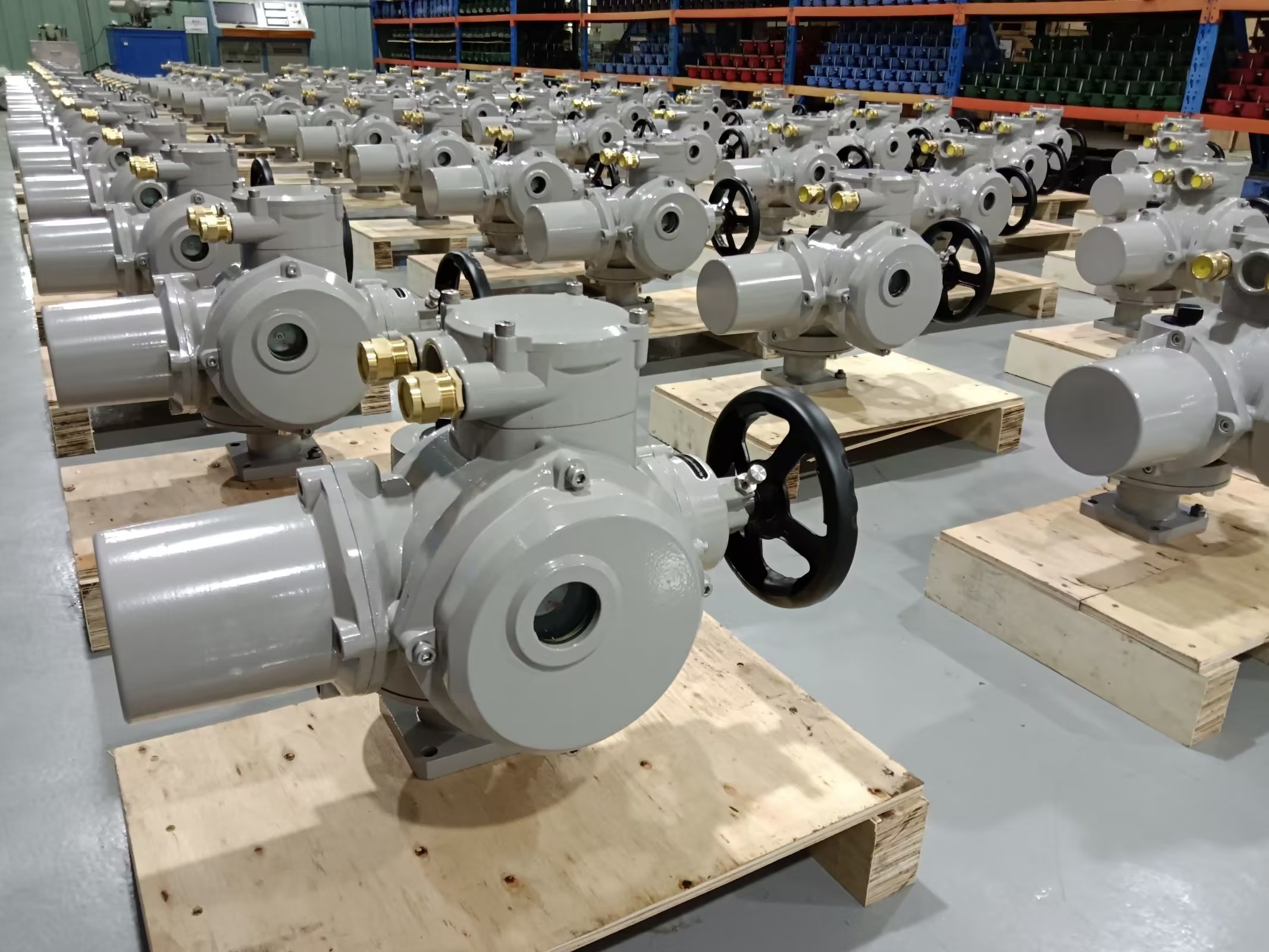
The performance of a CF8M ball valve is governed by several engineering principles. Torque calculations are critical for actuator sizing, considering factors such as fluid pressure, ball diameter, and seat friction. Finite element analysis (FEA) is employed to assess stress distribution within the valve body under various loading conditions, ensuring structural integrity. Pressure-temperature ratings are determined based on ASME B16.34 standards, factoring in material strength and allowable stress levels. Leakage rates are typically measured in terms of parts per million (ppm) of air or other test gases, with Class VI leakage (bubble-tight) being the most stringent. Environmental resistance is paramount, particularly in corrosive environments. The molybdenum content in CF8M provides enhanced resistance to pitting and crevice corrosion, but prolonged exposure to highly corrosive media can still lead to material degradation. Actuation mechanisms can be manual, pneumatic, hydraulic, or electric, each offering different speed and torque capabilities. Compliance requirements include adherence to API 6D standards for ball valve design and testing, as well as PED (Pressure Equipment Directive) requirements for valves intended for use in the European Union. Cavitation, a potential failure mechanism, occurs when rapid pressure drops cause vapor bubble formation and subsequent collapse, eroding the ball and valve body. Proper valve sizing and flow control are crucial to prevent cavitation.
Technical Specifications
| Parameter | Unit | Typical Value (CF8M) | Standard |
|---|---|---|---|
| Maximum Operating Pressure | psi | Up to 740 | ASME B16.34 |
| Temperature Range | °F | -29 to 450 | ASME B16.34 |
| Body Material | - | CF8M (316 Stainless Steel Modified) | ASTM A743 |
| Ball Material | - | 316 Stainless Steel (Hardened) | ASTM A276 |
| Seat Material | - | PTFE, PEEK, RPTFE | - |
| Leakage Rate | ppm | ≤ 6 | API 598 |
Failure Mode & Maintenance
Common failure modes for CF8M ball valves include seat erosion and leakage, ball scratching or pitting, stem packing failure, and body corrosion. Seat erosion is often caused by particulate matter in the fluid stream, leading to increased leakage. Ball scratching can result from abrasive particles or improper operation. Stem packing failure leads to leakage around the stem. Corrosion, particularly pitting corrosion in chloride-containing environments, can weaken the valve body. Fatigue cracking can occur in the valve body or stem due to cyclic loading. Regular maintenance is crucial to prevent failures. This includes periodic inspection of the valve body for corrosion, checking the stem packing for leaks, and lubricating the ball and seat. Non-destructive testing (NDT) methods, such as ultrasonic testing (UT) and radiographic testing (RT), can be used to detect internal flaws. Replacement of worn seals and packing is essential. Proper cleaning procedures should be followed to remove any debris or contaminants. Preventive maintenance schedules should be established based on operating conditions and fluid characteristics. Failure analysis should be conducted on failed components to identify the root cause and prevent recurrence.
Industry FAQ
Q: What is the significance of the ‘M’ in CF8M and how does it improve performance compared to standard CF8?
A: The ‘M’ in CF8M indicates the addition of molybdenum to the 316 stainless steel alloy. Molybdenum significantly enhances the alloy’s resistance to pitting and crevice corrosion, particularly in chloride-containing environments. This improvement is critical in applications dealing with seawater, brines, or process fluids containing chlorides, extending the valve's service life and reducing the risk of failure compared to standard CF8.
Q: How do Chinese manufacturers ensure the CF8M alloy composition meets ASTM A743 standards?
A: Reputable Chinese manufacturers employ Positive Material Identification (PMI) using X-ray Fluorescence (XRF) analysis during the raw material inspection phase and again after casting or forging. This verifies that the chemical composition of the alloy conforms to the specified requirements of ASTM A743. Mill Test Reports (MTRs) are also essential documentation and should be carefully reviewed.
Q: What are the critical considerations when selecting a seat material for a CF8M ball valve operating in high-temperature environments?
A: At elevated temperatures, PTFE (Teflon) can experience thermal degradation and loss of sealing properties. For high-temperature applications (typically above 200°C), materials such as reinforced PTFE, PEEK, or other high-performance polymers are recommended. The selection should be based on the specific temperature range, fluid compatibility, and pressure requirements.
Q: What are the common causes of valve actuation failure and how can they be addressed?
A: Common causes include actuator malfunction (pneumatic, hydraulic, or electric), stem binding due to corrosion or debris, and excessive friction in the sealing surfaces. Regular maintenance, including lubrication, inspection for corrosion, and replacement of worn components, is crucial. Proper actuator sizing based on torque calculations is also essential.
Q: What non-destructive testing (NDT) methods are typically used to ensure the integrity of a CF8M ball valve body?
A: Common NDT methods include Dye Penetrant Inspection (DPI) to detect surface cracks, Ultrasonic Testing (UT) to detect internal flaws, and Radiographic Testing (RT) for a more comprehensive internal inspection. Liquid Penetrant Testing (LPT) can also be utilized for surface flaw detection. The specific NDT methods employed depend on the criticality of the application and the required level of confidence.
Conclusion
The CF8M ball valve remains a vital component in numerous industrial applications demanding reliable fluid control and corrosion resistance. Its performance hinges on a complex interplay of material science, precise manufacturing processes, and adherence to rigorous industry standards. While Chinese manufacturers offer competitive pricing, ensuring consistent quality through robust quality control measures – particularly alloy composition verification and thorough NDT – is paramount.
Looking ahead, advancements in materials technology, such as the development of super austenitic stainless steels with even greater corrosion resistance, will further enhance the performance and longevity of ball valves. Continued refinement of manufacturing techniques and the adoption of Industry 4.0 principles, including predictive maintenance based on sensor data, will optimize valve operation and minimize downtime.
-
megalug flange Performance and Engineering
-
Plate Flange Performance Analysis
-
Reducing Flange Performance Analysis
-
Sealing Flange Performance Analysis
-
Turbo Flanges Performance Analysis
-
Screwed Flange Performance Analysis
-
Screwed Flanges Performance Analysis
-
Screw Flanges Performance Analysis
-
weld neck flanges Performance Analysis
-
welding neck flange Material Science Manufacturing
-
Raised Face Flange Performance Analysis
-
Threaded Flanges Performance Analysis
-
uni flange Performance Analysis
-
Thread Flange Material Science and Performance
-
Flange Welding Performance Analysis
 Afrikaans
 Albanian
 Amharic
 Arabic
 Armenian
 Azerbaijani
 Basque
 Belarusian
 Bengali
 Bosnian
 Bulgarian
 Catalan
 Cebuano
 Corsican
 Croatian
 Czech
Czech
 Danish
 Dutch
Dutch
 Esperanto
 Estonian
 Finnish
 French
 Frisian
 Galician
 Georgian
 German
 Greek
Greek
 Gujarati
 Haitian Creole
 Hausa
Hawaiian
Hausa
Hawaiian
 Hebrew
 Hindi
Hindi
 Miao
Miao
 Hungarian
 Icelandic
 Igbo
Igbo
 Indonesian
 Irish
Irish
 Italian
 Japanese
 Javanese
Kannada
Javanese
Kannada
 Kazakh
 Khmer
Khmer
 Rwandese
 Korean
 Kurdish
 Kyrgyz
 Lao
Lao
 Latin
Latin
 Latvian
 Lithuanian
 Luxembourgish
 Macedonian
 Malgashi
 Malay
Malay
 Malayalam
 Maltese
 Maori
Maori
 Marathi
 Mongolian
 Myanmar
 Nepali
 Norwegian
 Norwegian
 Occitan
 Pashto
 Persian
 Polish
 Portuguese
Punjabi
Portuguese
Punjabi
 Romanian
 Russian
 Samoan
 Scottish Gaelic
 Serbian
 Sesotho
 Shona
Shona
 Sindhi
 Sinhala
 Slovak
 Slovenian
 Somali
 Spanish
 Sundanese
 Swahili
 Swedish
Tagalog
Swedish
Tagalog
 Tajik
Tajik
 Tamil
Tamil
 Tatar
Tatar
 Telugu
 Thai
Thai
 Turkish
 Turkmen
 Ukrainian
 Urdu
Urdu
 Uighur
 Uzbek
Uzbek
 Vietnamese
 Welsh
Welsh
 Bantu
Bantu
 Yiddish
 Yoruba
 Zulu
Zulu
 English