




china check valve stainless steel Performance Analysis
Introduction
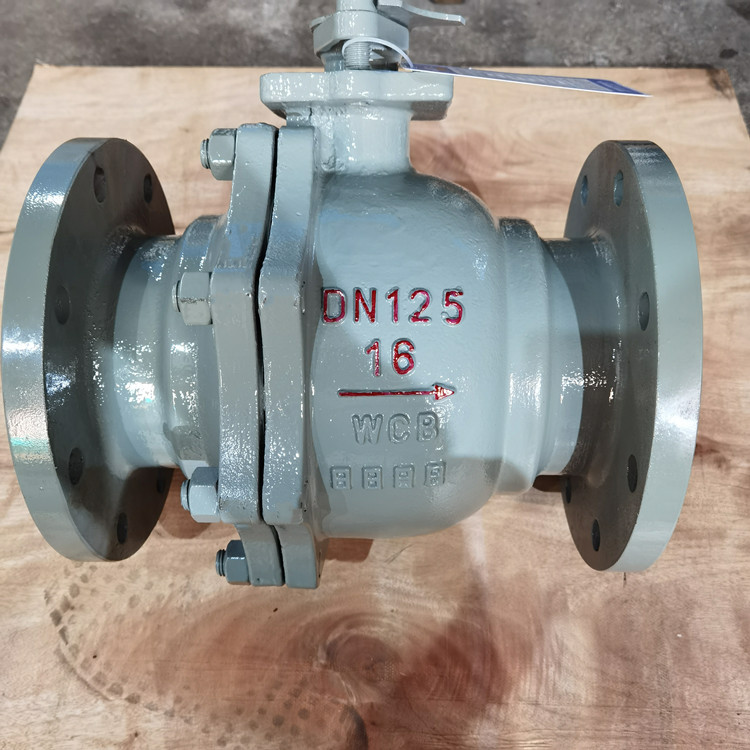
Stainless steel check valves, manufactured in China, represent a critical component in fluid handling systems across diverse industries. These valves are unidirectional devices designed to prevent backflow, ensuring efficient and safe operation of pipelines. Their prevalence stems from a combination of cost-effectiveness, readily available manufacturing capacity within China, and the inherent corrosion resistance offered by stainless steel alloys. This guide provides an in-depth examination of these valves, encompassing material science, manufacturing processes, performance characteristics, potential failure modes, and relevant industry standards. The core performance benefit lies in protecting pumps, compressors, and other sensitive equipment from damage caused by reverse flow, and maintaining system integrity, particularly in applications handling corrosive or high-purity fluids. A key industry pain point is the varying quality of stainless steel alloys used, leading to premature failure and costly downtime. This guide will address these concerns by detailing material specifications and quality control measures.
Material Science & Manufacturing
The primary material for china check valve stainless steel construction is typically 304 or 316 stainless steel, selected for their superior corrosion resistance. 304 stainless steel contains approximately 18% chromium and 8% nickel, forming a passive layer of chromium oxide on the surface, protecting against oxidation. 316 stainless steel enhances this corrosion resistance with the addition of molybdenum (2-3%), making it particularly suitable for chloride-rich environments. Raw material selection necessitates verification of chemical composition via methods such as X-ray fluorescence (XRF) and positive material identification (PMI). Manufacturing processes commonly employed include investment casting, sand casting, and forging, depending on the valve size and complexity. The body is often formed through casting, while the internal components like the disc and spring are produced via forging or machining. Welding is frequently used to join components, requiring skilled welders and adherence to stringent welding procedures (e.g., ASME Section IX) to prevent weld defects such as porosity or incomplete fusion. Parameter control during casting is crucial; improper temperature control can lead to microstructural defects like dendrites, reducing the material's mechanical strength. Post-casting processes involve heat treatment (annealing, quenching, and tempering) to relieve stresses and optimize the material’s properties. Surface finishing, typically polishing or passivation, further enhances corrosion resistance by removing surface contaminants and promoting the formation of a stable passive layer. Dimensional accuracy is paramount, achieved through precision machining and rigorous quality control inspections using coordinate measuring machines (CMMs).
Performance & Engineering
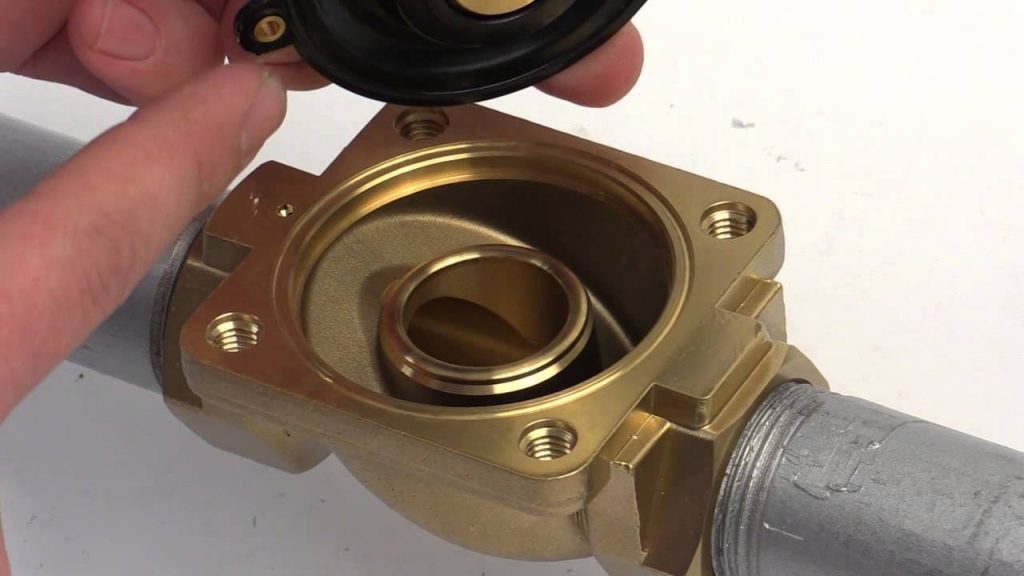
The performance of stainless steel check valves hinges on several key engineering principles. Flow coefficient (Cv) dictates the valve’s capacity to handle fluid flow, with higher Cv values indicating greater flow rates at a given pressure drop. Pressure drop across the valve is a critical parameter, influencing energy consumption and system efficiency. The valve’s crack pressure – the minimum upstream pressure required to initiate flow – is vital for reliable operation. Force analysis is essential to ensure the spring mechanism provides sufficient force to seat the disc against the flow, preventing leakage. Finite element analysis (FEA) is often employed to model stress distribution within the valve body under various operating conditions, identifying potential weak points and optimizing the design. Environmental resistance is addressed through material selection and protective coatings. Exposure to corrosive fluids necessitates careful consideration of the alloy’s pitting resistance equivalent number (PREN). Compliance requirements vary based on the application; for potable water systems, valves must comply with NSF/ANSI 61 standards. For applications involving hazardous fluids, adherence to API 598 and pressure equipment directive (PED) 2014/68/EU is mandatory. The valve’s seat design is also crucial. Common designs include ball, swing, and lift check valves, each offering different pressure drop characteristics and suitability for specific fluid types. Proper sizing of the valve to match the pipeline diameter and flow rate is paramount to avoid cavitation and erosion damage.
Technical Specifications
| Parameter | Unit | 304 Stainless Steel | 316 Stainless Steel |
|---|---|---|---|
| Maximum Operating Pressure | PSI | 500 | 750 |
| Temperature Range | °F | -40 to 500 | -40 to 600 |
| Tensile Strength | MPa | 517 | 586 |
| Yield Strength | MPa | 205 | 290 |
| Corrosion Resistance (PREN) | - | 16-18 | 24-28 |
| Leakage Rate | % of set flow | <0.1 | <0.05 |
Failure Mode & Maintenance
Stainless steel check valves, while robust, are susceptible to several failure modes. Corrosion, particularly pitting and crevice corrosion, is a primary concern, especially in chloride-containing environments. Fatigue cracking can occur due to cyclic loading, particularly around the valve body and disc hinge points. Erosion damage can result from abrasive particles in the fluid stream, leading to wear of the valve seat and disc. Galvanic corrosion can occur if the valve is connected to dissimilar metals without proper isolation. Failure analysis reveals that improper installation (e.g., misalignment, excessive stress on the pipeline) can significantly contribute to premature failure. Maintenance procedures should include regular visual inspections for signs of corrosion or damage. Periodic testing of the valve’s seating and leak tightness is crucial. Lubrication of moving parts, such as the spring and disc hinge, can prevent sticking and ensure smooth operation. For severely corroded valves, replacement is often the most cost-effective solution. Preventative maintenance programs, incorporating regular inspections and lubrication, are essential to maximizing valve lifespan and minimizing downtime. When replacing components, ensure they are of equivalent material grade and quality. Non-destructive testing (NDT) methods, such as liquid penetrant testing and ultrasonic testing, can detect hidden cracks or defects.
Industry FAQ
Q: What is the primary difference between 304 and 316 stainless steel check valves in terms of application suitability?
A: 304 stainless steel is generally sufficient for freshwater and non-corrosive applications. However, 316 stainless steel is preferred for environments containing chlorides (like seawater) or other corrosive agents, as the molybdenum content significantly enhances its resistance to pitting and crevice corrosion. Selecting 304 in a corrosive environment will lead to premature failure.
Q: How do I determine the correct check valve size for a specific pipeline?
A: Correct sizing requires consideration of the pipeline’s inner diameter, the expected flow rate, and the fluid’s viscosity. Undersized valves create excessive pressure drop, while oversized valves can cause early closing and water hammer. Consult valve sizing charts or use dedicated software to determine the appropriate Cv value and valve size.
Q: What are the common causes of check valve leakage?
A: Leakage can occur due to several reasons, including debris lodged between the disc and seat, wear of the seating surfaces, spring failure, or improper installation. Regular inspection and cleaning, along with timely replacement of worn components, are essential to prevent leakage.
Q: What type of welding procedure should be followed when repairing a stainless steel check valve?
A: Welding should be performed by certified welders following the guidelines outlined in ASME Section IX. The welding process should use compatible filler metals to maintain the corrosion resistance of the base material. Proper surface preparation and post-weld heat treatment are also crucial to prevent weld defects.
Q: How does the pressure drop affect the overall system efficiency?
A: Increased pressure drop requires more energy to pump the fluid, reducing overall system efficiency. Selecting a check valve with a low pressure drop and ensuring proper valve sizing are crucial for minimizing energy consumption and optimizing system performance.
Conclusion
Stainless steel check valves manufactured in China provide a cost-effective and reliable solution for preventing backflow in a wide range of industrial applications. Understanding the material science, manufacturing processes, and performance characteristics is crucial for selecting the appropriate valve for a given environment and ensuring long-term operational reliability. Proper installation, regular maintenance, and adherence to industry standards are essential to mitigate potential failure modes and maximize the valve's lifespan.
The future of check valve technology leans towards smart valve designs incorporating sensors and data analytics for predictive maintenance and remote monitoring. Advancements in materials science will also lead to the development of more corrosion-resistant alloys, extending valve lifespan and reducing maintenance costs. Continuous improvement in manufacturing processes and quality control will remain paramount to ensuring the consistent performance and reliability of china check valve stainless steel products.
-
The Essential Guide to Dual Plate Check Valves
-
Swing Check Valve Types: Reliable Flow Control & Backflow Prevention
-
Top Reasons to Choose a Stainless Steel Flange Check Valve for Industrial Applications
-
solenoid valve 3 way 2 position Performance Analysis
-
micro solenoid valve Performance Analysis
-
solenoid ball valve Performance Analysis
-
micro solenoid valves Performance Engineering
-
solenoid ball valves Performance Analysis
-
solenoid valve 5 2 Performance Analysis
-
solenoid valve stainless steel Performance Analysis
-
stainless steel solenoid valves Performance Analysis
-
solenoid valve 5/2 Performance Analysis
-
cryogenic solenoid valve Performance Analysis
-
direct acting solenoid valve Performance Analysis
-
miniature solenoid valve Performance Analysis
 Afrikaans
 Albanian
 Amharic
 Arabic
 Armenian
 Azerbaijani
 Basque
 Belarusian
 Bengali
 Bosnian
 Bulgarian
 Catalan
 Cebuano
 Corsican
 Croatian
 Czech
Czech
 Danish
 Dutch
Dutch
 Esperanto
 Estonian
 Finnish
 French
 Frisian
 Galician
 Georgian
 German
 Greek
Greek
 Gujarati
 Haitian Creole
 Hausa
Hawaiian
Hausa
Hawaiian
 Hebrew
 Hindi
Hindi
 Miao
Miao
 Hungarian
 Icelandic
 Igbo
Igbo
 Indonesian
 Irish
Irish
 Italian
 Japanese
 Javanese
Kannada
Javanese
Kannada
 Kazakh
 Khmer
Khmer
 Rwandese
 Korean
 Kurdish
 Kyrgyz
 Lao
Lao
 Latin
Latin
 Latvian
 Lithuanian
 Luxembourgish
 Macedonian
 Malgashi
 Malay
Malay
 Malayalam
 Maltese
 Maori
Maori
 Marathi
 Mongolian
 Myanmar
 Nepali
 Norwegian
 Norwegian
 Occitan
 Pashto
 Persian
 Polish
 Portuguese
Punjabi
Portuguese
Punjabi
 Romanian
 Russian
 Samoan
 Scottish Gaelic
 Serbian
 Sesotho
 Shona
Shona
 Sindhi
 Sinhala
 Slovak
 Slovenian
 Somali
 Spanish
 Sundanese
 Swahili
 Swedish
Tagalog
Swedish
Tagalog
 Tajik
Tajik
 Tamil
Tamil
 Tatar
Tatar
 Telugu
 Thai
Thai
 Turkish
 Turkmen
 Ukrainian
 Urdu
Urdu
 Uighur
 Uzbek
Uzbek
 Vietnamese
 Welsh
Welsh
 Bantu
Bantu
 Yiddish
 Yoruba
 Zulu
Zulu
 English