




china electric gate valves Performance Engineering
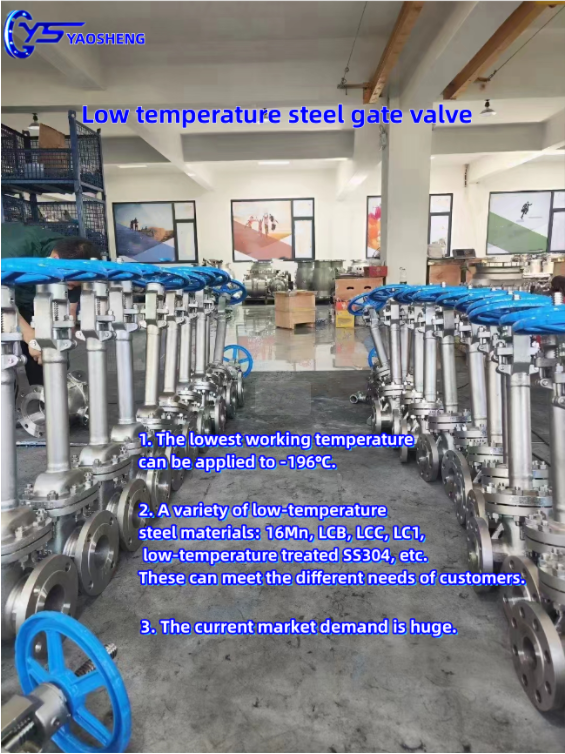
Introduction
China electric gate valves represent a critical component in fluid control systems across numerous industrial applications, including water treatment, oil and gas, power generation, and chemical processing. Positioned within the broader valve technology landscape, these valves utilize an electric actuator to automate the opening and closing of a gate, regulating flow. Unlike other valve types such as globe or ball valves, gate valves offer minimal obstruction in the flow path when fully open, resulting in low pressure drop. The Chinese manufacturing base has become a significant global supplier due to cost-effectiveness, increasingly stringent quality control, and the ability to meet diverse international standards. Core performance characteristics encompass sealing efficiency, actuation speed, durability under pressure, and precise flow control, all crucial for optimized operational efficiency and safety in demanding industrial environments. The increasing adoption of smart valve technology, including integrated sensors and remote control capabilities, is further defining the evolution of these valves.
Material Science & Manufacturing
The body of a china electric gate valve is commonly constructed from cast iron (ASTM A126 Class B), ductile iron (ASTM A536 65-45-12), carbon steel (ASTM A105), or stainless steel (304, 316 – ASTM A351). Material selection directly influences corrosion resistance, pressure-temperature ratings, and suitability for the conveyed fluid. Gate materials frequently include bronze (ASTM B62), stainless steel (304, 316), or alloy steel, chosen for their wear resistance and sealing properties. Seat materials, vital for leak-proof operation, are often EPDM, PTFE, or reinforced rubber compounds. The electric actuator housing typically utilizes cast aluminum alloy or engineered plastics for lightweight construction and environmental protection. Manufacturing processes involve casting or forging for the valve body, followed by precision machining to ensure dimensional accuracy. Gate fabrication includes forming, heat treatment (for steel gates to achieve desired hardness), and polishing. Assembly involves meticulous fitting of the gate, seat, and stem, coupled with rigorous testing. Key parameter control during manufacturing includes dimensional tolerances (ISO 2768-1), surface roughness (ISO 4287), and weld quality (AWS D1.1 for steel valves). Electrostatic painting or epoxy coating provides external corrosion protection. Quality control procedures encompass hydrostatic testing (API 598), non-destructive testing (NDT) like radiography and ultrasonic testing for weld integrity, and actuator functional testing.
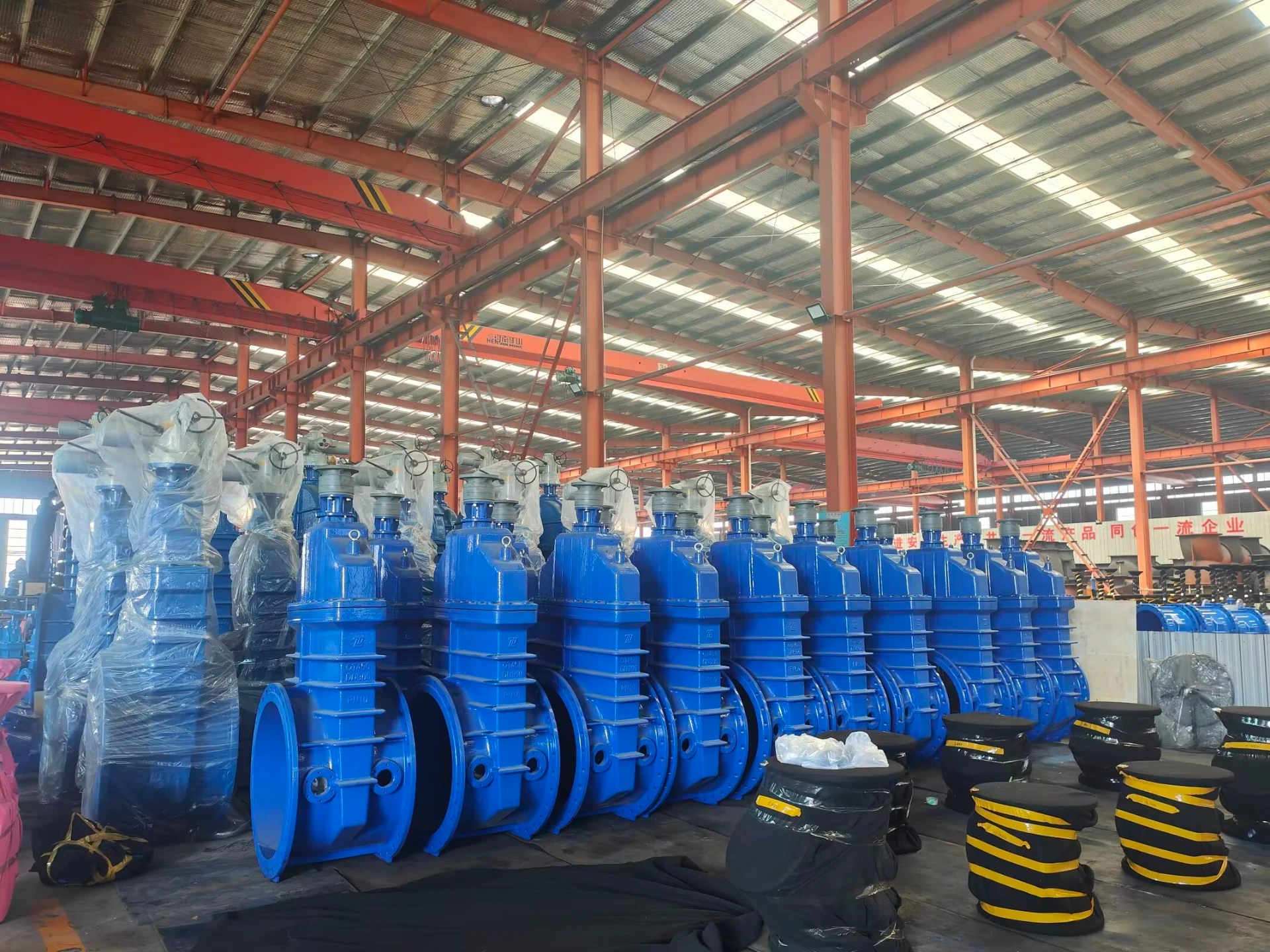
Performance & Engineering
Performance of china electric gate valves is heavily governed by force analysis, specifically the torque required to overcome fluid resistance and seat friction. Actuator selection (based on required torque and speed) is critical. Environmental resistance is paramount; valves intended for outdoor use must withstand temperature extremes, UV radiation, and moisture ingress (IP67 rating is common). Compliance requirements are dictated by industry standards and application specifics. For potable water systems, valves must meet NSF/ANSI 61 standards for lead content and material compatibility. For oil and gas applications, API 6A and API 6D certifications are essential. Functional implementation hinges on the actuator control system, typically employing a three-position actuator (open, closed, modulate). The actuator’s modulating capabilities enable precise flow control, utilizing a 4-20mA signal from a process control system. Stem packing design is critical for preventing leakage around the stem. Fatigue analysis is essential for valves subjected to frequent cycling, predicting valve life and preventing premature failure. Flow characteristics, determined by the gate’s angle and seat design, influence pressure drop and turbulence. Considerations include cavitation potential in high-velocity flows, necessitating appropriate material selection and valve design to mitigate erosion damage.
Technical Specifications
| Parameter | DN50 (2 Inch) | DN100 (4 Inch) | DN150 (6 Inch) | DN200 (8 Inch) |
|---|---|---|---|---|
| Maximum Pressure (PSI) | 200 | 150 | 120 | 100 |
| Temperature Range (°C) | -20 to 100 | -20 to 80 | -20 to 60 | -10 to 50 |
| Actuator Voltage (VAC) | 24V DC, 110V AC, 220V AC | 110V AC, 220V AC, 380V AC | 220V AC, 380V AC, 415V AC | 380V AC, 415V AC, 660V AC |
| Actuation Time (Seconds) | 5-10 | 8-15 | 10-20 | 15-25 |
| Connection Type | Flanged (PN16) | Flanged (PN10) | Flanged (PN6) | Flanged (PN6) |
| Body Material | Cast Iron (QT450-10) | Ductile Iron (65-45-12) | Carbon Steel (A105) | Carbon Steel (A105) |
Failure Mode & Maintenance
Common failure modes in china electric gate valves include seat erosion due to abrasive particles in the fluid, leading to leakage; gate corrosion, particularly in aggressive chemical environments; actuator malfunction (motor burnout, gear failure, limit switch issues); stem packing failure, resulting in stem leakage; and body cracking under high pressure or thermal stress. Fatigue cracking can occur in the gate and stem, particularly with frequent operation. Delamination of the seat material is possible with certain fluid combinations and temperature variations. Oxidation and corrosion can affect metallic components over time. Preventive maintenance involves regular inspection of the actuator, including lubrication of gears and checking electrical connections. Periodic testing of the actuator’s functionality and travel limits is essential. Stem packing should be re-tightened or replaced as needed. Internal valve components should be inspected for erosion, corrosion, and wear during scheduled shutdowns. Flange connections should be checked for tightness and corrosion. Non-destructive testing (NDT) can be employed to detect hidden cracks or defects. Proper storage of valves, protecting them from moisture and contaminants, is crucial to prevent premature degradation. Record-keeping of maintenance activities is recommended for tracking valve performance and identifying recurring issues.
Industry FAQ
Q: What is the primary difference between a resilient seat gate valve (RSGV) and a metal-seated gate valve, and which is more suitable for potable water applications?
A: RSGVs utilize an elastomeric seat (EPDM, NBR) bonded to a metal ring, providing tight shut-off at lower pressures. Metal-seated gate valves employ a metallic sealing surface, offering higher temperature and pressure capabilities but typically requiring higher seating forces. For potable water, RSGVs are generally preferred due to their lead-free compliance (NSF/ANSI 61) and ability to provide bubble-tight sealing at typical operating pressures. Metal seats can be susceptible to corrosion in certain water chemistries.
Q: How does the Kv/Cv value influence gate valve selection for a specific flow rate?
A: Kv/Cv values represent the flow coefficient, quantifying the valve's capacity to pass fluids. A higher Kv/Cv indicates a greater flow capacity. Valve selection requires matching the valve’s Kv/Cv to the desired flow rate and pressure drop in the system. Using a valve with an insufficient Kv/Cv will result in excessive pressure drop and reduced flow. Accurate flow rate calculations and proper Kv/Cv selection are critical for system performance.
Q: What are the implications of selecting an incorrectly sized actuator for a gate valve?
A: An undersized actuator will lack sufficient torque to fully open or close the valve, leading to operational failures and potential damage to the actuator or valve. An oversized actuator is less detrimental but increases initial cost and may exhibit imprecise control. Proper actuator sizing requires considering the valve’s torque requirements (based on fluid properties, pressure, and valve size) and applying a safety factor.
Q: What specific corrosion protection measures are recommended for gate valves used in seawater applications?
A: Seawater is highly corrosive. Materials like stainless steel (316), duplex stainless steel, or specialized alloys are essential for valve body and gate construction. External surfaces require a robust coating system, such as epoxy or polyurethane, resistant to salt spray. Sacrificial anodes (zinc or aluminum) can be employed to provide cathodic protection. Regular inspection and maintenance are crucial to detect and address early signs of corrosion.
Q: What is the role of the valve's stem packing and how often should it be replaced?
A: The stem packing creates a seal around the valve stem, preventing leakage of the process fluid. It is typically composed of PTFE, graphite, or a combination thereof. Packing replacement frequency depends on operating conditions (pressure, temperature, fluid type) and packing material quality. Visual inspection for leakage and regular tightening are initial steps. Complete packing replacement is typically recommended every 1-3 years, or sooner if leakage persists after tightening.
Conclusion
China electric gate valves offer a cost-effective and reliable solution for automated fluid control across a broad spectrum of industrial applications. The selection process necessitates a thorough understanding of material science, manufacturing processes, performance characteristics, and applicable industry standards. Proper specification, installation, and maintenance are critical for ensuring long-term operational efficiency, preventing failures, and minimizing downtime.
The ongoing trend towards smart valve technologies, coupled with increasingly stringent environmental regulations and demand for improved process control, will continue to drive innovation in the design and manufacturing of china electric gate valves. Focusing on material advancements, optimized actuator performance, and predictive maintenance strategies will be key to meeting the evolving needs of the industrial sector.
-
The Essential Guide to Dual Plate Check Valves
-
Swing Check Valve Types: Reliable Flow Control & Backflow Prevention
-
Top Reasons to Choose a Stainless Steel Flange Check Valve for Industrial Applications
-
solenoid valve 3 way 2 position Performance Analysis
-
micro solenoid valve Performance Analysis
-
solenoid ball valve Performance Analysis
-
micro solenoid valves Performance Engineering
-
solenoid ball valves Performance Analysis
-
solenoid valve 5 2 Performance Analysis
-
solenoid valve stainless steel Performance Analysis
-
stainless steel solenoid valves Performance Analysis
-
solenoid valve 5/2 Performance Analysis
-
cryogenic solenoid valve Performance Analysis
-
direct acting solenoid valve Performance Analysis
-
miniature solenoid valve Performance Analysis
 Afrikaans
 Albanian
 Amharic
 Arabic
 Armenian
 Azerbaijani
 Basque
 Belarusian
 Bengali
 Bosnian
 Bulgarian
 Catalan
 Cebuano
 Corsican
 Croatian
 Czech
Czech
 Danish
 Dutch
Dutch
 Esperanto
 Estonian
 Finnish
 French
 Frisian
 Galician
 Georgian
 German
 Greek
Greek
 Gujarati
 Haitian Creole
 Hausa
Hawaiian
Hausa
Hawaiian
 Hebrew
 Hindi
Hindi
 Miao
Miao
 Hungarian
 Icelandic
 Igbo
Igbo
 Indonesian
 Irish
Irish
 Italian
 Japanese
 Javanese
Kannada
Javanese
Kannada
 Kazakh
 Khmer
Khmer
 Rwandese
 Korean
 Kurdish
 Kyrgyz
 Lao
Lao
 Latin
Latin
 Latvian
 Lithuanian
 Luxembourgish
 Macedonian
 Malgashi
 Malay
Malay
 Malayalam
 Maltese
 Maori
Maori
 Marathi
 Mongolian
 Myanmar
 Nepali
 Norwegian
 Norwegian
 Occitan
 Pashto
 Persian
 Polish
 Portuguese
Punjabi
Portuguese
Punjabi
 Romanian
 Russian
 Samoan
 Scottish Gaelic
 Serbian
 Sesotho
 Shona
Shona
 Sindhi
 Sinhala
 Slovak
 Slovenian
 Somali
 Spanish
 Sundanese
 Swahili
 Swedish
Tagalog
Swedish
Tagalog
 Tajik
Tajik
 Tamil
Tamil
 Tatar
Tatar
 Telugu
 Thai
Thai
 Turkish
 Turkmen
 Ukrainian
 Urdu
Urdu
 Uighur
 Uzbek
Uzbek
 Vietnamese
 Welsh
Welsh
 Bantu
Bantu
 Yiddish
 Yoruba
 Zulu
Zulu
 English