




china explosion proof ball valve Performance Analysis
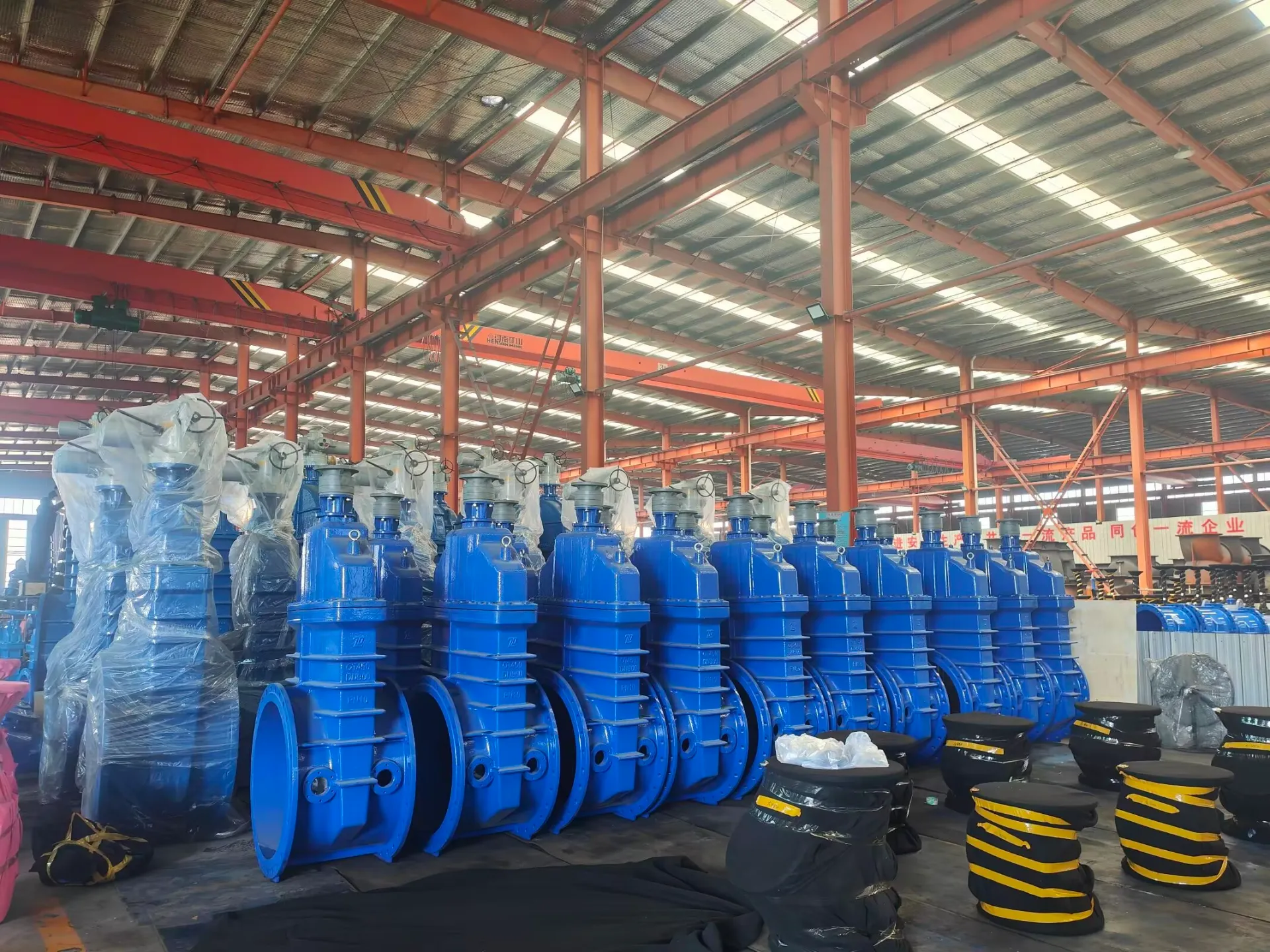
Introduction
China explosion-proof ball valves are critical flow control components designed for use in hazardous environments where flammable gases, vapors, or dusts may be present. These valves, conforming to stringent international standards, provide reliable on/off service and isolation capabilities while minimizing the risk of ignition. They occupy a crucial position in the process chain of industries such as oil & gas, petrochemicals, pharmaceuticals, and power generation, acting as safety-critical devices within larger piping systems. Core performance characteristics encompass leak tightness, pressure containment, actuation speed, and robust construction to withstand corrosive media and extreme temperatures. The increasing demand for enhanced safety and regulatory compliance drives continuous innovation in materials, designs, and manufacturing techniques for these specialized valves.
Material Science & Manufacturing
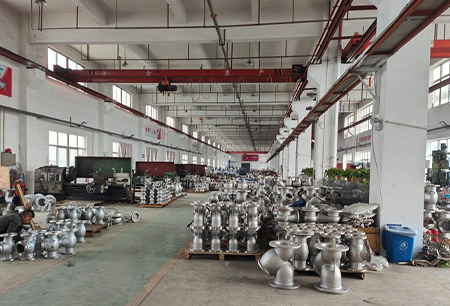
The body construction of explosion-proof ball valves typically utilizes materials such as carbon steel (A105, Q235), stainless steel (304, 316, 316L), or alloy steel (F11, F22) selected based on the specific process fluid and operating conditions. The ball itself is commonly made from hardened stainless steel, often 410 or 316, to ensure wear resistance and corrosion protection. Seat materials include PTFE (Teflon), RPTFE, PEEK, and reinforced PTFE composites, chosen for their low friction coefficient and chemical compatibility. Manufacturing commences with precision casting or forging of the valve body, followed by rigorous machining to ensure dimensional accuracy and surface finish. The ball is typically manufactured via cold forging and subsequent heat treatment. A critical step is the application of anti-static devices, such as spring-loaded metal balls or graphite impregnation in the seats, to prevent static electricity buildup, a primary ignition source in hazardous environments. Welding procedures, when employed, must adhere to ASME Section IX or equivalent standards, with full traceability and non-destructive testing (NDT) including radiographic inspection and liquid penetrant examination. The final assembly process requires meticulous torque control to ensure proper sealing and operation. Parameter control during heat treatment, particularly for alloy steel bodies, is paramount to achieving the required mechanical properties and preventing material degradation.
Performance & Engineering
The performance of an explosion-proof ball valve is fundamentally governed by its ability to reliably shut off flow under high pressure and temperature, while preventing leakage and eliminating potential ignition sources. Force analysis considers the hydrostatic forces acting on the ball and seats, particularly in high-pressure applications, necessitating robust body and stem designs. Environmental resistance is crucial; valves operating in corrosive atmospheres require materials resistant to pitting, crevice corrosion, and stress corrosion cracking. Compliance requirements are dictated by ATEX (Europe), IECEx (International), and various national standards like China's GB standards for explosion protection. Actuation mechanisms, typically pneumatic, hydraulic, or electric, must be intrinsically safe or explosion-proof certified. The valve’s fugitive emissions performance is critical, with leak rates typically specified in parts per million (ppm) based on industry standards like MSS SP61. Finite element analysis (FEA) is frequently used during the design phase to optimize stress distribution and ensure structural integrity. Furthermore, the fire-safe design – incorporating a secondary sealing arrangement – prevents complete seal failure and minimizes leakage during a fire event. The valve’s torque requirements must be accurately calculated to ensure the actuator provides sufficient force for reliable operation across the entire pressure and temperature range.
Technical Specifications
| Parameter | Unit | Typical Value (Carbon Steel) | Typical Value (Stainless Steel 316) |
|---|---|---|---|
| Maximum Operating Pressure | MPa | 25 | 20 |
| Temperature Range | °C | -29 to 370 | -196 to 425 |
| Connection Size | mm | 50-600 | 50-600 |
| Actuation Type | - | Pneumatic, Electric, Manual | Pneumatic, Electric, Manual |
| Sealing Material | - | PTFE, RPTFE | PTFE, RPTFE |
| Explosion Proof Certification | - | ATEX, IECEx, GB | ATEX, IECEx, GB |
Failure Mode & Maintenance
Common failure modes for explosion-proof ball valves include seat erosion or damage leading to leakage, stem packing failure causing fugitive emissions, ball scratching or pitting affecting sealing performance, and actuator malfunction hindering operation. Fatigue cracking can occur in the valve body due to cyclic loading, particularly at weld joints. Corrosion, especially galvanic corrosion between dissimilar metals, can compromise the integrity of the valve body and internal components. Failure analysis often reveals root causes related to improper material selection, inadequate maintenance, exceeding pressure/temperature limits, or exposure to corrosive media. Preventative maintenance is crucial and includes regular inspection of seals, packing glands, and actuators; lubrication of moving parts; and periodic testing of valve operation. Scheduled replacement of wear components, such as seats and seals, is essential. Non-destructive testing (NDT), including ultrasonic testing and radiographic inspection, can identify potential cracks or defects before they lead to catastrophic failure. For valves exposed to harsh environments, regular coating inspection and repair are necessary to maintain corrosion protection. Proper documentation of maintenance activities and performance data is vital for tracking valve health and predicting potential failures.
Industry FAQ
Q: What is the significance of ATEX/IECEx certification for explosion-proof ball valves?
A: ATEX (Europe) and IECEx (International) certifications demonstrate that the valve has been rigorously tested and meets the requirements for safe operation in hazardous areas. These certifications ensure that the valve does not provide a source of ignition in potentially explosive atmospheres, protecting personnel and equipment. Compliance with these standards is often legally mandated in many countries.
Q: How does the material selection impact the valve’s performance in corrosive environments?
A: Material selection is paramount. Carbon steel is susceptible to corrosion in many environments, while stainless steels like 316 offer superior resistance. Alloy steels are used for highly corrosive media. The valve’s body, ball, and seat materials must be chemically compatible with the process fluid to prevent corrosion, pitting, and cracking, which can lead to leakage and failure.
Q: What is the role of anti-static devices in explosion-proof ball valves?
A: Anti-static devices, such as spring-loaded metal balls in the seats or graphite impregnation, prevent the buildup of static electricity, which could generate a spark and ignite flammable gases or vapors. These devices provide a conductive path to ground, dissipating any static charge.
Q: What are the key considerations when selecting a valve actuator for a hazardous environment?
A: The actuator must be intrinsically safe or explosion-proof certified to prevent ignition of flammable substances. Torque requirements must be accurately calculated to ensure reliable valve operation across the entire pressure and temperature range. Furthermore, consider factors such as response time, control accuracy, and reliability.
Q: What are the critical steps in maintaining the integrity of a welded valve body?
A: Welding procedures must adhere to recognized standards (ASME Section IX, EN ISO 15614). Full radiography inspection is critical to identify any weld defects. Post-weld heat treatment (PWHT) may be required for certain materials to relieve stresses and improve mechanical properties. Regular visual inspection for corrosion or cracking at weld joints is essential during maintenance.
Conclusion
China explosion-proof ball valves represent a crucial safety component in various process industries. Their design, material selection, and manufacturing processes are dictated by the need to prevent ignition sources in hazardous environments. Rigorous adherence to international standards, such as ATEX and IECEx, alongside careful material compatibility assessment and proactive maintenance practices, are paramount to ensuring long-term reliability and operational safety.
The continued advancement of materials science and manufacturing technologies will drive further improvements in the performance and longevity of these valves. Future trends include the development of lighter-weight materials, enhanced sealing technologies, and smart valve diagnostics for predictive maintenance. Maintaining expertise in these evolving standards and implementing robust quality control procedures will be essential for manufacturers and end-users alike.
-
megalug flange Performance and Engineering
-
Plate Flange Performance Analysis
-
Reducing Flange Performance Analysis
-
Sealing Flange Performance Analysis
-
Turbo Flanges Performance Analysis
-
Screwed Flange Performance Analysis
-
Screwed Flanges Performance Analysis
-
Screw Flanges Performance Analysis
-
weld neck flanges Performance Analysis
-
welding neck flange Material Science Manufacturing
-
Raised Face Flange Performance Analysis
-
Threaded Flanges Performance Analysis
-
uni flange Performance Analysis
-
Thread Flange Material Science and Performance
-
Flange Welding Performance Analysis
 Afrikaans
 Albanian
 Amharic
 Arabic
 Armenian
 Azerbaijani
 Basque
 Belarusian
 Bengali
 Bosnian
 Bulgarian
 Catalan
 Cebuano
 Corsican
 Croatian
 Czech
Czech
 Danish
 Dutch
Dutch
 Esperanto
 Estonian
 Finnish
 French
 Frisian
 Galician
 Georgian
 German
 Greek
Greek
 Gujarati
 Haitian Creole
 Hausa
Hawaiian
Hausa
Hawaiian
 Hebrew
 Hindi
Hindi
 Miao
Miao
 Hungarian
 Icelandic
 Igbo
Igbo
 Indonesian
 Irish
Irish
 Italian
 Japanese
 Javanese
Kannada
Javanese
Kannada
 Kazakh
 Khmer
Khmer
 Rwandese
 Korean
 Kurdish
 Kyrgyz
 Lao
Lao
 Latin
Latin
 Latvian
 Lithuanian
 Luxembourgish
 Macedonian
 Malgashi
 Malay
Malay
 Malayalam
 Maltese
 Maori
Maori
 Marathi
 Mongolian
 Myanmar
 Nepali
 Norwegian
 Norwegian
 Occitan
 Pashto
 Persian
 Polish
 Portuguese
Punjabi
Portuguese
Punjabi
 Romanian
 Russian
 Samoan
 Scottish Gaelic
 Serbian
 Sesotho
 Shona
Shona
 Sindhi
 Sinhala
 Slovak
 Slovenian
 Somali
 Spanish
 Sundanese
 Swahili
 Swedish
Tagalog
Swedish
Tagalog
 Tajik
Tajik
 Tamil
Tamil
 Tatar
Tatar
 Telugu
 Thai
Thai
 Turkish
 Turkmen
 Ukrainian
 Urdu
Urdu
 Uighur
 Uzbek
Uzbek
 Vietnamese
 Welsh
Welsh
 Bantu
Bantu
 Yiddish
 Yoruba
 Zulu
Zulu
 English