




china flap check valve Performance Analysis
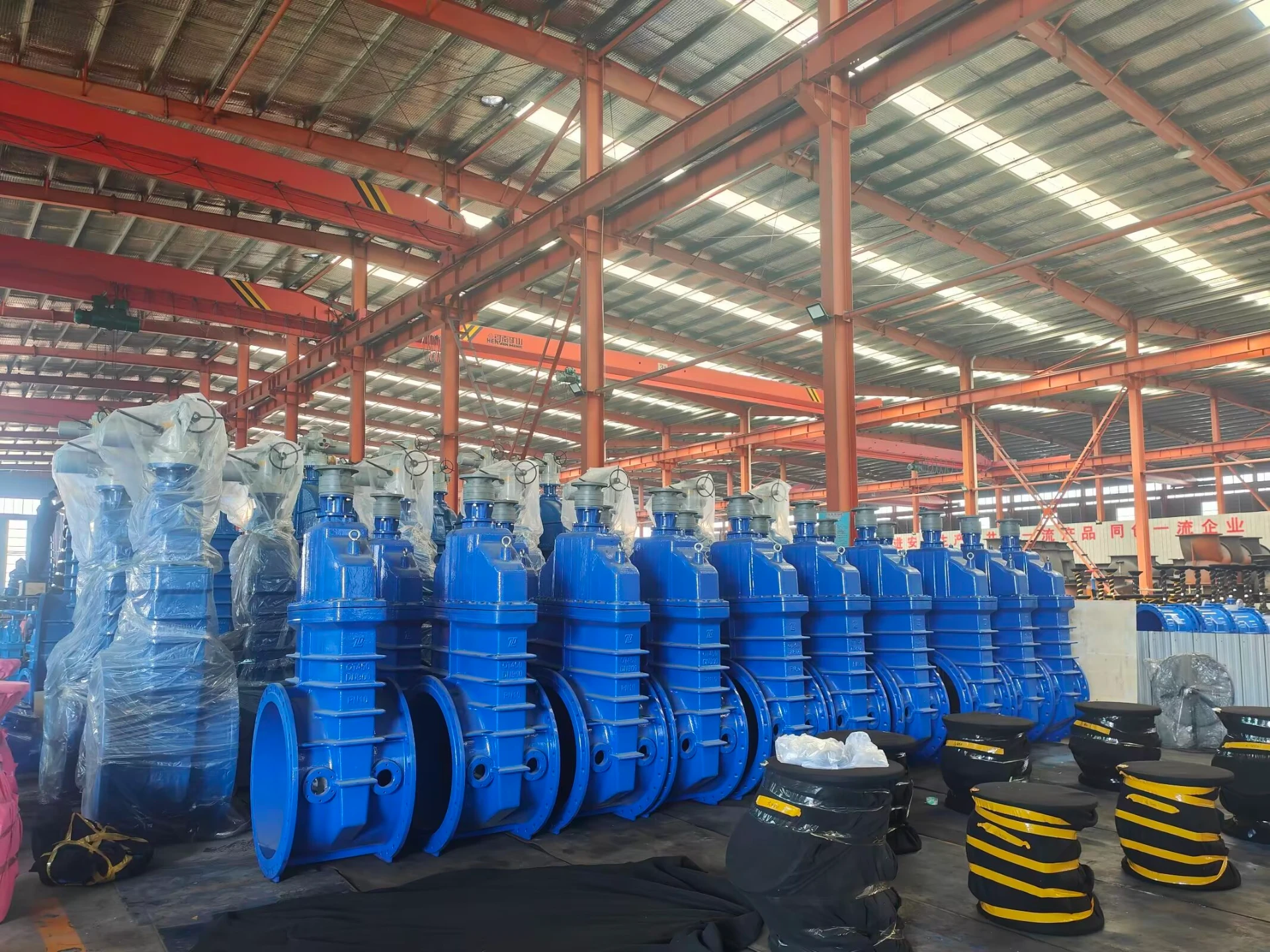
Introduction
The china flap check valve is a critical component in fluid handling systems, primarily employed to ensure unidirectional flow and prevent backflow in pipelines. Positioned within the industry chain as a downstream control element, it finds application across diverse sectors including water treatment, wastewater management, petrochemical processing, power generation, and marine engineering. This valve type utilizes a hinged disc (the ‘flap’) which is passively opened by forward flow and automatically closes under reverse pressure, providing a simple, reliable, and energy-efficient solution. Core performance characteristics center around its sealing efficiency, pressure drop, flow capacity, and resistance to corrosion and erosion. A key industry pain point revolves around material selection to mitigate corrosion in aggressive fluid environments, and ensuring longevity of the hinge mechanism under cyclical operation. Understanding the nuances of its design, materials, and performance is crucial for engineers and procurement professionals alike.
Material Science & Manufacturing
The body of a china flap check valve is commonly constructed from cast iron (ASTM A126 Class B), ductile iron (ASTM A536 65-45-12), or stainless steel (304/316 – ASTM A351 Grade CF8/CF8M). Cast iron offers cost-effectiveness but is susceptible to corrosion. Ductile iron provides improved strength and ductility, enhancing resistance to shock loading and extending service life. Stainless steel exhibits superior corrosion resistance, essential for handling corrosive fluids. The flap itself is frequently manufactured from materials mirroring the body, or utilizing elastomers like EPDM, NBR, or PTFE for enhanced sealing capabilities. Manufacturing processes begin with pattern making for cast valves, followed by sand casting, fettling, and machining. For stainless-steel valves, investment casting or forging may be employed for intricate designs. The hinge pin is a critical component, typically made from stainless steel (410 or 316) and secured through press-fitting or threading. Parameter control during casting is paramount to ensure dimensional accuracy and eliminate porosity, which can compromise structural integrity. Welding procedures, where applicable (e.g., for stainless steel fabrication), must adhere to AWS D1.1 standards to guarantee weld quality and prevent cracking. Elastomeric seating requires precise molding and bonding processes to maintain a tight seal and prevent delamination. Surface treatments such as epoxy coating or galvanization are frequently applied to cast iron bodies to enhance corrosion protection.
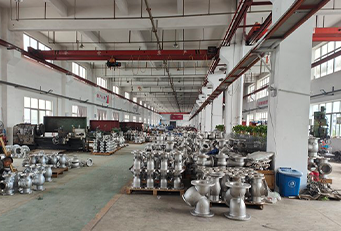
Performance & Engineering
The performance of a flap check valve is governed by several engineering principles. Force analysis focuses on the hydrodynamic forces acting on the flap during flow, and the moment arm created by the flow impacting the disc. The hinge mechanism must be designed to withstand these forces repeatedly without fatigue failure. Environmental resistance is crucial, particularly concerning temperature fluctuations, UV exposure, and chemical attack. The valve's pressure rating (e.g., ANSI 125/250/600) dictates its ability to withstand internal pressure without leakage or deformation. Flow coefficient (Cv) and pressure drop are key considerations for system hydraulic design. Compliance requirements vary depending on the application. For potable water systems, valves must comply with NSF/ANSI 61 standards regarding lead content and material safety. For hazardous environments, ATEX or IECEx certifications may be necessary to ensure explosion protection. Functional implementation requires proper valve sizing to match pipeline flow rates and fluid properties. Incorrect sizing can lead to excessive pressure drop, water hammer, or premature valve failure. Regular inspection and maintenance, including lubrication of the hinge pin and verification of seating integrity, are essential for sustained performance.
Technical Specifications
| Parameter | Units | Typical Value (Cast Iron) | Typical Value (Ductile Iron) |
|---|---|---|---|
| Maximum Operating Pressure | PSI | 125 | 250 |
| Temperature Range | °F | -20 to 250 | -20 to 350 |
| Connection Type | - | Flanged, Screwed, Wafer | Flanged, Screwed |
| Material (Body) | - | ASTM A126 Class B | ASTM A536 65-45-12 |
| Material (Disc) | - | Cast Iron/EPDM | Ductile Iron/EPDM |
| Cv (Flow Coefficient) | - | 0.5 – 2.0 (depending on size) | 0.8 – 2.5 (depending on size) |
Failure Mode & Maintenance
Common failure modes in flap check valves include fatigue cracking of the hinge pin due to cyclical stress, corrosion-induced erosion of the disc and body, and degradation of elastomeric seals leading to leakage. Fatigue cracking typically initiates at stress concentration points within the hinge assembly, accelerated by misalignment or improper lubrication. Corrosion manifests as pitting or uniform thinning of metallic surfaces, particularly in chloride-rich environments. Elastomeric seals can swell, shrink, or crack due to chemical attack or prolonged exposure to high temperatures. A common failure analysis method is visual inspection coupled with non-destructive testing (NDT) such as dye penetrant inspection or ultrasonic testing to detect cracks. Maintenance procedures involve regular inspection of the hinge pin for wear and corrosion, lubrication with a compatible grease (e.g., lithium-based), and replacement of worn or damaged seals. For corroded valves, abrasive blasting and re-coating with a protective coating may extend service life. In cases of severe damage, complete valve replacement is often necessary. Preventative maintenance schedules should be established based on operating conditions and fluid characteristics. Proper installation, ensuring correct alignment and support, is critical to minimize stress on the valve and prolong its operational lifespan.
Industry FAQ
Q: What is the primary difference between a swing check valve and a flap check valve, and when would I choose one over the other?
A: The primary difference lies in the disc design and hinging mechanism. Swing check valves use a disc that swings freely on a hinge, while flap check valves utilize a disc hinged on one side. Swing check valves generally offer lower pressure drop but are more susceptible to water hammer. Flap check valves, being shorter in the flow path, are preferred in applications where space is limited and water hammer is a significant concern. They’re also better suited for handling fluids with solids as the flap design minimizes obstruction.
Q: How does material selection affect the long-term performance of a flap check valve in a seawater environment?
A: Seawater is highly corrosive due to its high chloride content. Cast iron is unsuitable due to rapid corrosion. Ductile iron provides some resistance, but requires a robust protective coating (e.g., epoxy) and regular inspection. Stainless steel (316) is the preferred material for seawater applications, offering significantly improved corrosion resistance. However, even 316 stainless steel can suffer from pitting corrosion over time, necessitating periodic maintenance and potentially cathodic protection in highly aggressive environments.
Q: What is the impact of improper installation on the operational life of a flap check valve?
A: Improper installation can severely shorten the valve’s lifespan. Misalignment can create undue stress on the hinge pin, leading to premature failure. Insufficient support can cause vibration and fatigue cracking. Installing the valve backwards renders it ineffective. Additionally, debris left within the pipeline during installation can damage the sealing surfaces and impede proper operation. Strict adherence to manufacturer’s installation guidelines is crucial.
Q: What are the key considerations when selecting a flap check valve for high-temperature applications?
A: High-temperature applications require careful consideration of material properties. The elastomeric seal must be compatible with the fluid and capable of maintaining its sealing characteristics at elevated temperatures. The body material should also exhibit sufficient strength and creep resistance at the operating temperature. Stainless steel alloys are generally preferred for high-temperature service, and the hinge pin should be similarly constructed from a heat-resistant material.
Q: How can I mitigate the risk of water hammer when using a flap check valve?
A: Water hammer can be mitigated by selecting a valve with a shorter closing time, and by ensuring proper pipeline design including surge suppression devices (e.g., air chambers or surge tanks). Slower closing speeds reduce the magnitude of the pressure surge. Installing the valve as close as possible to the pump discharge can also minimize the potential for water hammer. Proper valve sizing to match flow rates is also crucial.
Conclusion
The china flap check valve remains a vital component in fluid system control, offering a dependable and cost-effective solution for preventing backflow. Its performance and longevity are intrinsically linked to material selection, manufacturing precision, and proper installation practices. Understanding the potential failure modes, particularly those related to corrosion, fatigue, and seal degradation, is paramount for implementing effective maintenance strategies.
Looking forward, advancements in materials science, such as the development of more corrosion-resistant alloys and advanced elastomeric compounds, will continue to enhance the performance and lifespan of these valves. Furthermore, the integration of predictive maintenance technologies, including sensor-based monitoring of hinge pin wear and seal integrity, promises to optimize maintenance schedules and minimize downtime. A continued focus on stringent quality control and adherence to international standards will be essential to ensure the reliability and safety of china flap check valves across diverse industrial applications.
-
The Essential Guide to Dual Plate Check Valves
-
Swing Check Valve Types: Reliable Flow Control & Backflow Prevention
-
Top Reasons to Choose a Stainless Steel Flange Check Valve for Industrial Applications
-
solenoid valve 3 way 2 position Performance Analysis
-
micro solenoid valve Performance Analysis
-
solenoid ball valve Performance Analysis
-
micro solenoid valves Performance Engineering
-
solenoid ball valves Performance Analysis
-
solenoid valve 5 2 Performance Analysis
-
solenoid valve stainless steel Performance Analysis
-
stainless steel solenoid valves Performance Analysis
-
solenoid valve 5/2 Performance Analysis
-
cryogenic solenoid valve Performance Analysis
-
direct acting solenoid valve Performance Analysis
-
miniature solenoid valve Performance Analysis
 Afrikaans
 Albanian
 Amharic
 Arabic
 Armenian
 Azerbaijani
 Basque
 Belarusian
 Bengali
 Bosnian
 Bulgarian
 Catalan
 Cebuano
 Corsican
 Croatian
 Czech
Czech
 Danish
 Dutch
Dutch
 Esperanto
 Estonian
 Finnish
 French
 Frisian
 Galician
 Georgian
 German
 Greek
Greek
 Gujarati
 Haitian Creole
 Hausa
Hawaiian
Hausa
Hawaiian
 Hebrew
 Hindi
Hindi
 Miao
Miao
 Hungarian
 Icelandic
 Igbo
Igbo
 Indonesian
 Irish
Irish
 Italian
 Japanese
 Javanese
Kannada
Javanese
Kannada
 Kazakh
 Khmer
Khmer
 Rwandese
 Korean
 Kurdish
 Kyrgyz
 Lao
Lao
 Latin
Latin
 Latvian
 Lithuanian
 Luxembourgish
 Macedonian
 Malgashi
 Malay
Malay
 Malayalam
 Maltese
 Maori
Maori
 Marathi
 Mongolian
 Myanmar
 Nepali
 Norwegian
 Norwegian
 Occitan
 Pashto
 Persian
 Polish
 Portuguese
Punjabi
Portuguese
Punjabi
 Romanian
 Russian
 Samoan
 Scottish Gaelic
 Serbian
 Sesotho
 Shona
Shona
 Sindhi
 Sinhala
 Slovak
 Slovenian
 Somali
 Spanish
 Sundanese
 Swahili
 Swedish
Tagalog
Swedish
Tagalog
 Tajik
Tajik
 Tamil
Tamil
 Tatar
Tatar
 Telugu
 Thai
Thai
 Turkish
 Turkmen
 Ukrainian
 Urdu
Urdu
 Uighur
 Uzbek
Uzbek
 Vietnamese
 Welsh
Welsh
 Bantu
Bantu
 Yiddish
 Yoruba
 Zulu
Zulu
 English