




china gas solenoid valve Performance Analysis
Introduction
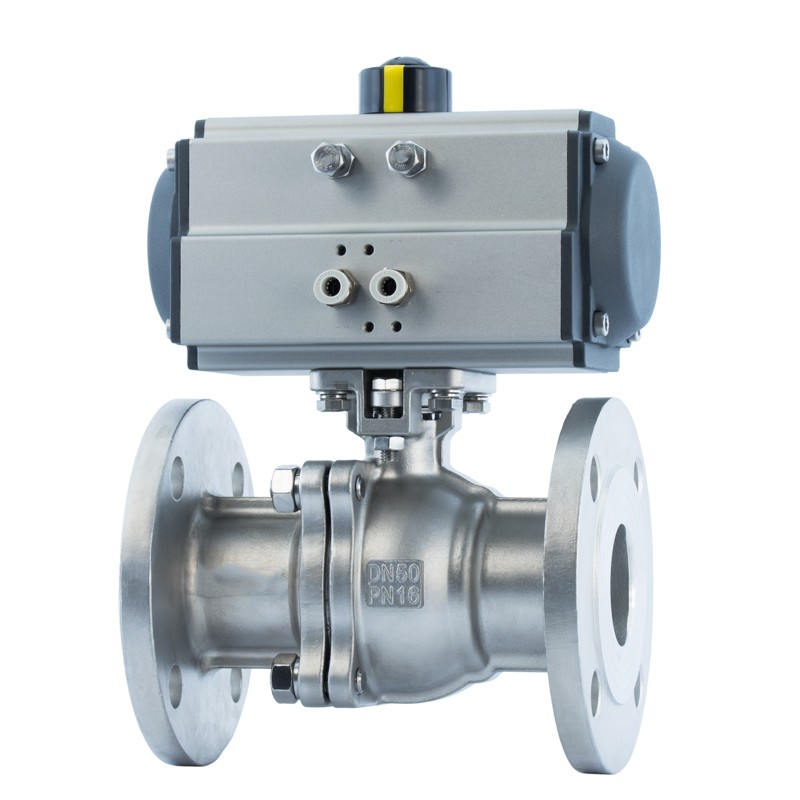
China gas solenoid valves are electromechanically operated valves designed to control the flow of gaseous fuels, primarily natural gas, LPG, and propane. They function as critical safety components within gas distribution systems, appliances, and industrial processes. Their technical position in the industry chain lies between gas source (pipeline infrastructure) and gas utilization equipment (burners, furnaces, heating systems). Core performance parameters include flow capacity (Cv), response time (opening/closing speed), leakage rate, working pressure range, and ambient temperature tolerance. These valves differentiate themselves in the market through cost-effectiveness and the breadth of available configurations, catering to both residential and heavy industrial applications. A primary pain point in this sector is ensuring reliable sealing to prevent gas leakage, coupled with maintaining consistent performance across varying input voltages and gas compositions. Regulatory compliance, particularly regarding safety standards and environmental emissions, represents a significant challenge for both manufacturers and end-users.
Material Science & Manufacturing
The body of a typical China gas solenoid valve is often constructed from brass (CZ125, HPb59-1) due to its machinability, corrosion resistance to common fuel gases, and relatively low cost. However, stainless steel (304, 316) is increasingly utilized for applications demanding higher corrosion resistance, particularly in environments exposed to sour gas (containing H2S) or high chloride content. Internal components, such as the plunger and core, are usually made from 430FR stainless steel, selected for its ferromagnetic properties and reasonable resistance to corrosion. Seals are typically comprised of NBR (Nitrile Butadiene Rubber) or FKM (Fluoroelastomer) depending on the gas compatibility requirements and operating temperature range. NBR provides excellent resistance to aliphatic hydrocarbons but limited resistance to aromatic compounds and high temperatures. FKM offers superior chemical resistance and temperature performance but at a higher cost. The manufacturing process typically involves precision casting or machining of the valve body, followed by surface treatment (plating or coating) to enhance corrosion protection. The solenoid coil is wound with copper wire and encapsulated in a thermosetting resin (epoxy) for electrical insulation and mechanical strength. Assembly requires careful control of tolerances to ensure proper sealing and reliable operation. Critical parameters include coil impedance, wire gauge, and resin cure temperature. Quality control focuses on leak testing (using helium or nitrogen), electrical insulation testing (dielectric strength), and functional testing across the specified operating pressure and voltage range. The brazing process used for joining components must be meticulously controlled to prevent porosity and ensure structural integrity.
Performance & Engineering
The performance of a gas solenoid valve is fundamentally governed by fluid dynamics and electromagnetism. The force generated by the solenoid coil must overcome the gas pressure and spring force to achieve rapid and complete opening and closing. Force analysis involves calculating the magnetic flux density, coil current, and the effective area of the plunger. Environmental resistance is critical; valves must withstand temperature fluctuations, humidity, vibration, and potential exposure to corrosive atmospheres. In applications subject to outdoor conditions, ingress protection (IP) ratings (e.g., IP65, IP67) are crucial to prevent water and dust ingress. Compliance requirements are stringent, varying by region. In Europe, the Gas Appliances Directive (GAD) and PED (Pressure Equipment Directive) apply. In North America, certification by CSA (Canadian Standards Association) or UL (Underwriters Laboratories) is typically required. Functional implementation centers around the valve's response time and flow characteristics. Rapid response times minimize gas accumulation during switching, enhancing safety. Flow characteristics (Cv value) must be matched to the specific application to ensure optimal performance without excessive pressure drop. The valve’s design must account for the potential for water hammer, a pressure surge caused by sudden valve closure. Damping mechanisms or slow-closing solenoids may be employed to mitigate this effect. Furthermore, the design must address potential issues with gas turbulence and noise generation, particularly in high-flow applications.
Technical Specifications
| Parameter | Unit | Typical Value (1/2" Valve) | Tolerance |
|---|---|---|---|
| Maximum Inlet Pressure | bar | 36 | ±10% |
| Flow Capacity (Cv) | Sm3/h | 1.5 | ±0.1 |
| Response Time (Open/Close) | ms | 20/30 | ±20% |
| Leakage Rate | Sm3/h | <0.01 | Max |
| Operating Voltage | VDC | 12, 24, 110, 220 | ±10% |
| Ambient Temperature Range | °C | -20 to 80 | -5 to +10 |
Failure Mode & Maintenance
Common failure modes in China gas solenoid valves include coil burnout (due to overheating or voltage surges), plunger sticking (caused by contamination or corrosion), seal degradation (resulting in leakage), and body cracking (due to excessive pressure or thermal stress). Fatigue cracking can occur in the spring components due to cyclic loading. Delamination of the solenoid coil insulation can lead to short circuits. Oxidation of internal components, particularly in environments with high humidity, can impair performance. A primary failure analysis technique involves visual inspection for signs of damage or corrosion. Electrical testing can identify coil faults and insulation breakdown. Leak testing with a sensitive gas detector pinpoints seal failures. Disassembly and microscopic examination can reveal the root cause of plunger sticking or component wear. Preventative maintenance involves regular inspection of the valve body for corrosion, cleaning of the solenoid coil to remove dust and debris, and periodic replacement of seals. Lubrication of the plunger with a compatible silicone grease can prevent sticking. Correct electrical grounding is crucial to prevent voltage surges that can damage the coil. Avoid over-tightening fittings during installation, as this can stress the valve body. Regularly verify the operating voltage and ensure it falls within the specified range.
Industry FAQ
Q: What is the typical lifespan of a China gas solenoid valve in a residential heating application?
A: The typical lifespan of a gas solenoid valve in a residential heating application is 5-10 years, depending on usage frequency, gas quality, and environmental conditions. Regular maintenance, including cleaning and seal replacement, can extend this lifespan. Frequent on/off cycles and exposure to corrosive environments will shorten the lifespan.
Q: How does the gas composition affect the valve’s performance and longevity?
A: The gas composition significantly impacts valve performance. The presence of H2S (sour gas) can accelerate corrosion of brass and stainless steel components. Higher concentrations of moisture can promote internal corrosion and seal degradation. Variations in gas density can affect the valve’s flow characteristics. Valves designed for natural gas may not be compatible with LPG or propane without modification.
Q: What are the key considerations when selecting a solenoid valve for a high-pressure gas application?
A: For high-pressure applications, the valve body material must be capable of withstanding the operating pressure with a sufficient safety factor. The seal material must maintain its integrity at elevated pressures and temperatures. The solenoid coil must provide sufficient force to overcome the gas pressure and ensure reliable operation. Consider a valve with a reinforced body design and pressure relief mechanisms.
Q: What are the common causes of coil burnout and how can they be prevented?
A: Coil burnout is commonly caused by overheating due to excessive voltage, frequent cycling, or inadequate heat dissipation. Voltage surges, improper electrical grounding, and high ambient temperatures also contribute. Prevention includes ensuring correct voltage supply, providing adequate ventilation, using surge protection devices, and properly grounding the valve.
Q: How important is the IP rating for outdoor installations?
A: The IP rating is critically important for outdoor installations. An IP65 rating (dust-tight and protected against water jets) is generally considered a minimum requirement. Higher ratings (e.g., IP67 - immersion protection) may be necessary in environments subject to prolonged exposure to water or harsh weather conditions.
Conclusion
China gas solenoid valves represent a vital component in gas distribution and appliance safety systems. Their reliable operation hinges on careful material selection, precise manufacturing processes, and adherence to stringent quality control standards. Understanding the interplay between fluid dynamics, electromagnetism, and environmental factors is paramount for ensuring optimal performance and longevity.
Addressing common failure modes through preventative maintenance and robust design principles is crucial for minimizing downtime and enhancing safety. Continued advancements in material science and manufacturing techniques will undoubtedly lead to more durable, efficient, and reliable gas solenoid valves in the future, particularly those capable of handling increasingly challenging gas compositions and operating conditions.
-
megalug flange Performance and Engineering
-
Plate Flange Performance Analysis
-
Reducing Flange Performance Analysis
-
Sealing Flange Performance Analysis
-
Turbo Flanges Performance Analysis
-
Screwed Flange Performance Analysis
-
Screwed Flanges Performance Analysis
-
Screw Flanges Performance Analysis
-
weld neck flanges Performance Analysis
-
welding neck flange Material Science Manufacturing
-
Raised Face Flange Performance Analysis
-
Threaded Flanges Performance Analysis
-
uni flange Performance Analysis
-
Thread Flange Material Science and Performance
-
Flange Welding Performance Analysis
 Afrikaans
 Albanian
 Amharic
 Arabic
 Armenian
 Azerbaijani
 Basque
 Belarusian
 Bengali
 Bosnian
 Bulgarian
 Catalan
 Cebuano
 Corsican
 Croatian
 Czech
Czech
 Danish
 Dutch
Dutch
 Esperanto
 Estonian
 Finnish
 French
 Frisian
 Galician
 Georgian
 German
 Greek
Greek
 Gujarati
 Haitian Creole
 Hausa
Hawaiian
Hausa
Hawaiian
 Hebrew
 Hindi
Hindi
 Miao
Miao
 Hungarian
 Icelandic
 Igbo
Igbo
 Indonesian
 Irish
Irish
 Italian
 Japanese
 Javanese
Kannada
Javanese
Kannada
 Kazakh
 Khmer
Khmer
 Rwandese
 Korean
 Kurdish
 Kyrgyz
 Lao
Lao
 Latin
Latin
 Latvian
 Lithuanian
 Luxembourgish
 Macedonian
 Malgashi
 Malay
Malay
 Malayalam
 Maltese
 Maori
Maori
 Marathi
 Mongolian
 Myanmar
 Nepali
 Norwegian
 Norwegian
 Occitan
 Pashto
 Persian
 Polish
 Portuguese
Punjabi
Portuguese
Punjabi
 Romanian
 Russian
 Samoan
 Scottish Gaelic
 Serbian
 Sesotho
 Shona
Shona
 Sindhi
 Sinhala
 Slovak
 Slovenian
 Somali
 Spanish
 Sundanese
 Swahili
 Swedish
Tagalog
Swedish
Tagalog
 Tajik
Tajik
 Tamil
Tamil
 Tatar
Tatar
 Telugu
 Thai
Thai
 Turkish
 Turkmen
 Ukrainian
 Urdu
Urdu
 Uighur
 Uzbek
Uzbek
 Vietnamese
 Welsh
Welsh
 Bantu
Bantu
 Yiddish
 Yoruba
 Zulu
Zulu
 English