




china lever gate valve Performance Engineering

Introduction
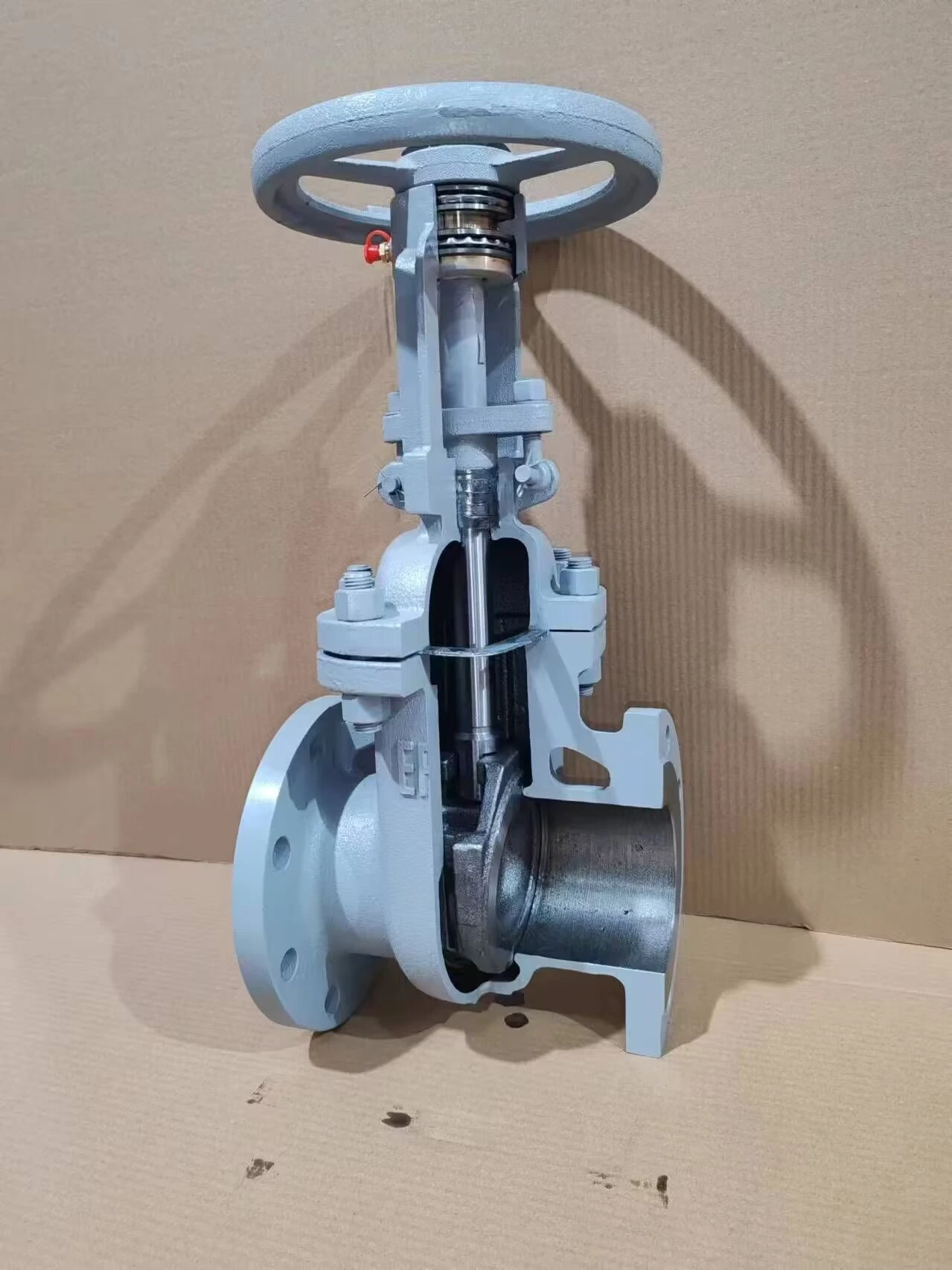
The china lever gate valve is a critical component in fluid handling systems across diverse industries, including water treatment, petrochemicals, oil & gas, and power generation. Classified as a linear motion valve, it regulates flow by employing a gate—typically a flat disc—that moves perpendicularly to the flow path. Its primary function is on/off control, rarely used for throttling due to potential erosion of the gate and seat. Lever operation provides mechanical advantage for opening and closing the valve, particularly in larger sizes where significant torque is required. The increasing demand for reliable and cost-effective flow control solutions has propelled the manufacturing of these valves, primarily originating from China, to meet global industrial needs. A key industry pain point lies in ensuring long-term sealing performance under varying pressure and temperature conditions, compounded by concerns around material traceability and compliance with international safety standards.
Material Science & Manufacturing
The body of a china lever gate valve is commonly constructed from cast iron (ASTM A126 Class B), ductile iron (ASTM A536 65-45-12), carbon steel (ASTM A105, A216 WCB), or stainless steel (304, 316). The gate itself is often made from bronze (B148 C92200), stainless steel, or alloy steel. Seat materials include EPDM, NBR, PTFE, and metal-to-metal options depending on the fluid being controlled and temperature requirements. The stem is typically manufactured from stainless steel (304, 316) for corrosion resistance. Manufacturing processes vary based on the valve size and material. Smaller valves utilize sand casting, while larger valves employ investment casting or fabrication from steel plates. Machining processes, including CNC milling and turning, are crucial for achieving dimensional accuracy of the gate, seat, and stem. Welding (SMAW, GTAW) is used for joining valve body components, requiring stringent quality control to prevent defects. Key parameter control during manufacturing includes ensuring proper heat treatment to achieve desired material hardness, precise machining tolerances for sealing surfaces, and non-destructive testing (NDT) like radiographic inspection to identify internal flaws. Chemical composition verification is critical for material traceability and compliance. The lever mechanism, often fabricated from carbon steel, undergoes forging and machining to provide robust operational force.
Performance & Engineering
Performance evaluation of a china lever gate valve centers around its sealing capability, flow coefficient (Cv), pressure drop, and operational torque. Finite Element Analysis (FEA) is employed during the design phase to assess stress distribution under various pressure and temperature conditions, optimizing the body thickness and internal geometry to prevent failure. The valve's pressure-temperature rating is determined based on ASME B16.34 standards. Environmental resistance is paramount; valves intended for outdoor applications require coatings (epoxy, polyurethane) to protect against corrosion and UV degradation. The lever mechanism's mechanical advantage is engineered to minimize operator effort while ensuring reliable actuation. Flow analysis, utilizing Computational Fluid Dynamics (CFD), simulates fluid behavior within the valve to optimize the gate profile and minimize turbulence. Compliance requirements include adherence to API 600 (for larger valves) and MSS SP-81 (for smaller valves), dictating testing procedures and quality control standards. A critical engineering challenge lies in preventing water hammer effects, which can damage the valve and piping system. Proper valve closure speed and the use of damping mechanisms are essential mitigating strategies. Furthermore, galvanic corrosion is a concern when dissimilar metals are used; proper material selection and sacrificial anodes may be necessary in corrosive environments.
Technical Specifications
| Parameter | Specification (Typical) | Unit | Test Standard |
|---|---|---|---|
| Body Material | Ductile Iron (QT450-10) | - | ASTM A536 65-45-12 |
| Gate Material | Bronze (C92200) | - | ASTM B148 |
| Seat Material | EPDM | - | ASTM D2000 |
| Pressure Rating | 125 PSI | PSI | ASME B16.34 |
| Temperature Range | -20 to 180 | °C | - |
| Connection Type | Flanged (ANSI B16.1) | - | ANSI B16.1 |
Failure Mode & Maintenance
Common failure modes for china lever gate valves include seat erosion (particularly with abrasive fluids), gate sticking due to corrosion or debris buildup, stem leakage past the packing gland, body cracking due to excessive pressure or thermal stress, and lever mechanism failure. Fatigue cracking can occur in the lever arm under repeated operation. Delamination of coatings can expose the valve body to corrosion. Oxidation of metal components can lead to increased friction and seizing. Preventive maintenance is critical. Regular inspection of the seat and gate for wear or damage is essential. Periodic lubrication of the stem and lever mechanism prevents sticking and ensures smooth operation. Replacing the packing gland seals prevents stem leakage. Non-destructive testing (ultrasonic testing, liquid penetrant inspection) can identify cracks or flaws before they lead to catastrophic failure. Should a valve fail, repair options include seat replacement, gate lapping, stem replacement, or complete valve overhaul. Proper storage conditions are vital; valves should be stored in a dry, protected environment to prevent corrosion. Regular cycling of the valve (opening and closing) during extended periods of inactivity prevents the gate from becoming stuck to the seat.
Industry FAQ
Q: What is the primary difference between a gate valve and a globe valve in terms of flow characteristics?
A: Gate valves are designed for fully open or fully closed operation, offering minimal obstruction to flow when fully open, resulting in very low pressure drop. Globe valves, however, feature a more restrictive flow path and are better suited for throttling applications, but incur a higher pressure drop.
Q: How does the material selection impact the valve's resistance to corrosion?
A: Material selection is paramount. Stainless steel (304, 316) provides excellent corrosion resistance in many applications, but may not be suitable for highly corrosive environments. Bronze offers good resistance to seawater corrosion. Carbon steel requires protective coatings (epoxy, polyurethane) to prevent rust. The fluid composition and operating temperature are key factors in determining the appropriate material.
Q: What are the limitations of using a gate valve for throttling?
A: Using a gate valve for throttling is discouraged as it can lead to erosion of the gate and seat due to the high velocity of the fluid across the partially open gate. This accelerates wear and ultimately compromises the sealing ability of the valve. Globe valves are better suited for throttling applications.
Q: What is the significance of the K-factor in gate valve selection?
A: The K-factor, or flow coefficient (Cv), quantifies the valve’s ability to pass fluid. A higher K-factor indicates a greater flow capacity for a given pressure drop. Selecting a valve with the appropriate K-factor ensures the desired flow rate is achieved without excessive pressure loss.
Q: How do I determine the proper packing material for a specific application?
A: The packing material must be compatible with the fluid being handled, the operating temperature, and the pressure. PTFE packing is versatile and offers excellent chemical resistance. Graphite packing is suitable for high-temperature applications. EPDM packing is commonly used for water and steam. Compatibility charts should be consulted to ensure the selected material is appropriate.
Conclusion
The china lever gate valve remains a fundamental component in numerous industrial fluid handling systems, prized for its simplicity, reliability, and cost-effectiveness. Understanding the nuances of material science, manufacturing processes, and performance characteristics is crucial for ensuring optimal operation and longevity. Addressing the industry pain points related to sealing performance and material traceability through rigorous quality control and adherence to international standards is paramount.
Future developments in gate valve technology are likely to focus on enhanced sealing materials, automated actuation systems, and predictive maintenance capabilities leveraging sensor technology and data analytics. The continued drive for improved efficiency, safety, and environmental sustainability will shape the evolution of these valves, demanding a constant commitment to innovation and engineering excellence.
-
The Essential Guide to Dual Plate Check Valves
-
Swing Check Valve Types: Reliable Flow Control & Backflow Prevention
-
Top Reasons to Choose a Stainless Steel Flange Check Valve for Industrial Applications
-
solenoid valve 3 way 2 position Performance Analysis
-
micro solenoid valve Performance Analysis
-
solenoid ball valve Performance Analysis
-
micro solenoid valves Performance Engineering
-
solenoid ball valves Performance Analysis
-
solenoid valve 5 2 Performance Analysis
-
solenoid valve stainless steel Performance Analysis
-
stainless steel solenoid valves Performance Analysis
-
solenoid valve 5/2 Performance Analysis
-
cryogenic solenoid valve Performance Analysis
-
direct acting solenoid valve Performance Analysis
-
miniature solenoid valve Performance Analysis
 Afrikaans
 Albanian
 Amharic
 Arabic
 Armenian
 Azerbaijani
 Basque
 Belarusian
 Bengali
 Bosnian
 Bulgarian
 Catalan
 Cebuano
 Corsican
 Croatian
 Czech
Czech
 Danish
 Dutch
Dutch
 Esperanto
 Estonian
 Finnish
 French
 Frisian
 Galician
 Georgian
 German
 Greek
Greek
 Gujarati
 Haitian Creole
 Hausa
Hawaiian
Hausa
Hawaiian
 Hebrew
 Hindi
Hindi
 Miao
Miao
 Hungarian
 Icelandic
 Igbo
Igbo
 Indonesian
 Irish
Irish
 Italian
 Japanese
 Javanese
Kannada
Javanese
Kannada
 Kazakh
 Khmer
Khmer
 Rwandese
 Korean
 Kurdish
 Kyrgyz
 Lao
Lao
 Latin
Latin
 Latvian
 Lithuanian
 Luxembourgish
 Macedonian
 Malgashi
 Malay
Malay
 Malayalam
 Maltese
 Maori
Maori
 Marathi
 Mongolian
 Myanmar
 Nepali
 Norwegian
 Norwegian
 Occitan
 Pashto
 Persian
 Polish
 Portuguese
Punjabi
Portuguese
Punjabi
 Romanian
 Russian
 Samoan
 Scottish Gaelic
 Serbian
 Sesotho
 Shona
Shona
 Sindhi
 Sinhala
 Slovak
 Slovenian
 Somali
 Spanish
 Sundanese
 Swahili
 Swedish
Tagalog
Swedish
Tagalog
 Tajik
Tajik
 Tamil
Tamil
 Tatar
Tatar
 Telugu
 Thai
Thai
 Turkish
 Turkmen
 Ukrainian
 Urdu
Urdu
 Uighur
 Uzbek
Uzbek
 Vietnamese
 Welsh
Welsh
 Bantu
Bantu
 Yiddish
 Yoruba
 Zulu
Zulu
 English