




china mini needle valve Performance Analysis
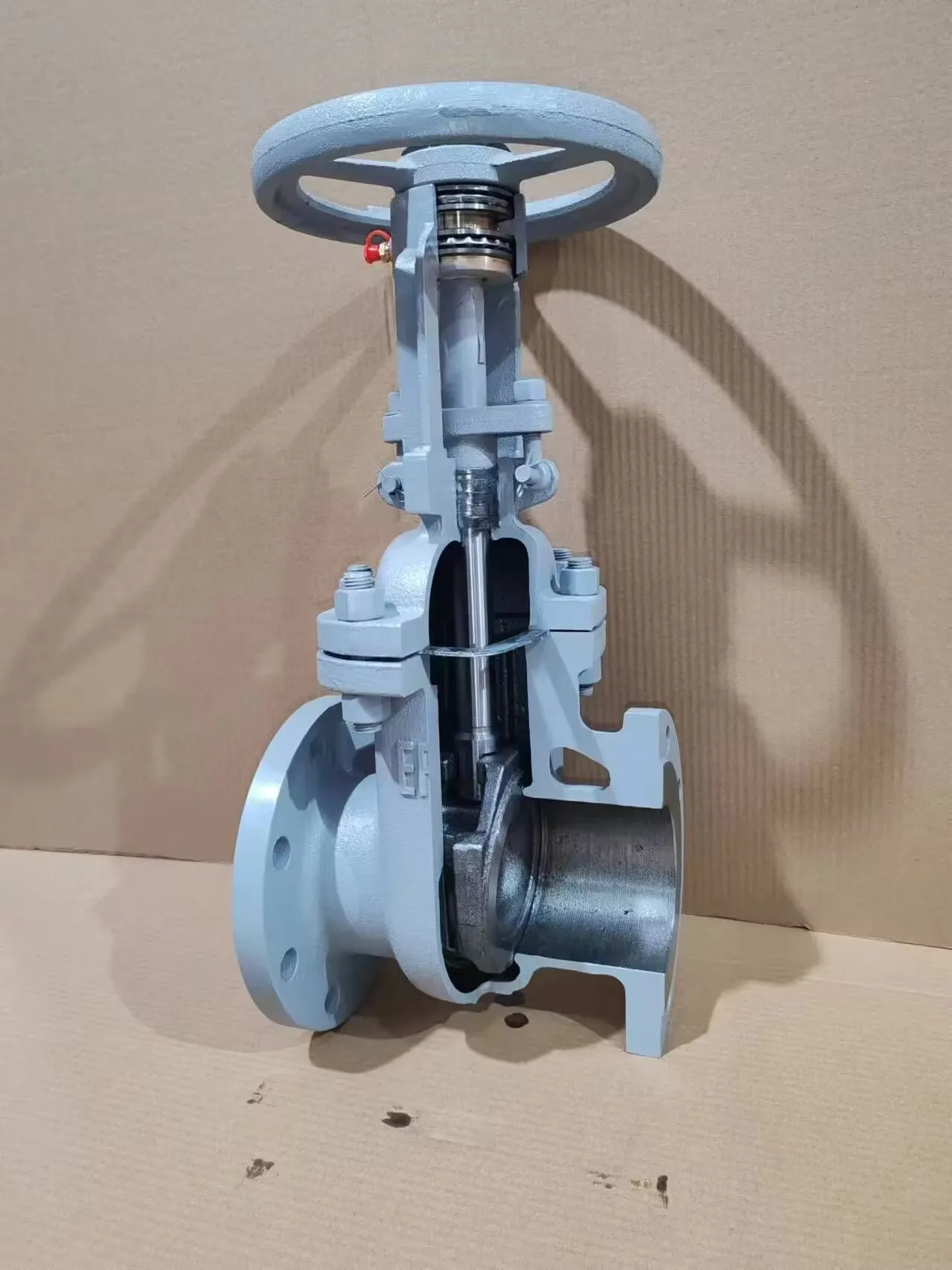
Introduction
China mini needle valves are precision fluid control devices utilized extensively across diverse industrial applications including instrumentation, chemical processing, oil & gas, and analytical systems. Characterized by their compact size, precise flow regulation capabilities, and relatively low cost, these valves occupy a critical niche in process control infrastructure. They are typically employed for throttling, isolation, and shut-off functions in low to medium-pressure systems. Their design typically incorporates a tapered needle and seat, allowing for fine adjustment of flow rates. The core performance characteristics revolve around leak tightness, flow coefficient (Cv), and resistance to the process fluid. A significant industry pain point resides in ensuring material compatibility with increasingly aggressive chemical environments and maintaining consistent performance across wide temperature fluctuations. Furthermore, cost-effective sourcing without compromising quality and reliability remains a constant challenge for procurement professionals.
Material Science & Manufacturing
The body construction of china mini needle valves commonly utilizes materials such as 316/304 stainless steel, brass (HPb59-1, H58), and, in specific applications, PEEK (Polyether ether ketone) or PTFE (Polytetrafluoroethylene) for corrosion resistance. 316 stainless steel offers excellent resistance to a wide range of corrosive media, while brass provides a cost-effective alternative for non-corrosive applications. PEEK and PTFE are chosen for highly aggressive chemical environments, offering superior chemical inertness. The needle and seat are frequently hardened using processes like nitriding or carburizing to enhance wear resistance and sealing performance. The manufacturing process typically involves precision machining of the valve body and internal components using CNC (Computer Numerical Control) lathes and milling machines. The needle is then lapped and polished to achieve a smooth, consistent sealing surface. Assembly is critical; proper torque control is essential during tightening of the gland packing to prevent leakage or binding. Quality control emphasizes dimensional accuracy (verified via coordinate measuring machines - CMMs) and leak testing using helium or nitrogen gas to ensure zero external leakage. Key parameter control focuses on maintaining tight tolerances on the needle and seat geometry, surface finish, and material hardness. A critical aspect is the passivation treatment of stainless steel components to maximize corrosion resistance by creating a chromium-rich oxide layer.

Performance & Engineering
The performance of a mini needle valve is largely dictated by its flow characteristics and sealing capabilities. Flow coefficient (Cv) is a critical parameter, quantifying the valve's ability to pass a specific flow rate at a given pressure drop. Force analysis during valve operation considers the actuation force required to overcome the seating force and fluid pressure. Environmental resistance is paramount; the valve must withstand specified temperature ranges and pressures without deformation or leakage. Compliance requirements often dictate the use of specific materials certified for food & beverage (FDA), pharmaceutical (USP Class VI), or oxygen service (ASTM E149). The engineering design focuses on minimizing dead volume to reduce sample retention in analytical applications. Furthermore, the valve’s stem design (e.g., straight, angled) impacts its operational smoothness and susceptibility to binding. Finite Element Analysis (FEA) is frequently employed during the design phase to optimize the valve body geometry and ensure structural integrity under pressure. The selection of gland packing material (e.g., PTFE, graphite) is crucial for achieving reliable sealing and preventing fugitive emissions. The material’s Poisson’s ratio and Young’s modulus are critical considerations during the design stage.
Technical Specifications
| Parameter | Unit | Standard Brass Valve | 316 Stainless Steel Valve |
|---|---|---|---|
| Maximum Pressure | psi | 600 | 1000 |
| Temperature Range | °F | 20 to 250 | -20 to 450 |
| Cv (Typical) | - | 0.15 | 0.20 |
| Orifice Size | mm | 1.0 | 1.5 |
| Connection Type | - | 1/8" NPT | 1/8" NPT |
| Leakage Rate | sccm | <1 | <0.5 |
Failure Mode & Maintenance
Common failure modes for china mini needle valves include seat erosion (leading to leakage), stem binding (due to contamination or corrosion), gland packing failure (resulting in external leakage), and body cracking (under excessive pressure or thermal cycling). Fatigue cracking can occur in the stem, particularly with frequent actuation. Delamination of PTFE seats can also be observed with prolonged exposure to certain chemicals. Oxidation of brass components is a concern in humid environments. Preventative maintenance involves regular inspection of the gland packing for tightness, lubrication of the stem (using a compatible lubricant), and periodic cleaning to remove accumulated debris. If leakage persists after tightening the gland packing, the seat and needle may require lapping or replacement. For valves exposed to corrosive media, regular inspection for pitting or crevice corrosion is recommended. Proper storage is also crucial; valves should be stored in a clean, dry environment to prevent corrosion. Failure analysis should always involve a thorough examination of the failed component to identify the root cause and prevent recurrence. Replacement parts should be sourced from reputable suppliers to ensure compatibility and quality.
Industry FAQ
Q: What is the typical lead time for a custom order of mini needle valves with specific material certifications?
A: Typical lead times for custom orders, particularly those requiring material certifications such as 3.1 material certificates or specific batch traceability, range from 4-8 weeks depending on the complexity of the customization and the current manufacturing workload. This timeframe accounts for material procurement, machining, assembly, and thorough quality control testing, including non-destructive testing (NDT) if required.
Q: How do your valves perform in applications involving highly viscous fluids?
A: Performance with highly viscous fluids depends on the fluid’s viscosity and the valve’s orifice size. Higher viscosity fluids will result in a lower Cv and require a larger actuation force. We recommend conducting flow tests with the specific fluid to verify performance and ensure the valve can adequately handle the required flow rate without cavitation or excessive pressure drop.
Q: What is the expected lifespan of a mini needle valve used in continuous throttling service?
A: The expected lifespan of a valve in continuous throttling service is highly dependent on the operating conditions, fluid media, and maintenance practices. However, a well-maintained valve using 316 stainless steel, operating within its specified pressure and temperature limits, can typically provide 2-5 years of reliable service. Seat erosion is the most common limiting factor.
Q: Do your valves meet any specific environmental regulations regarding fugitive emissions?
A: Yes, we offer valves designed to meet stringent fugitive emission standards such as EPA Method 21. These valves utilize low-emission packing materials and are rigorously tested to ensure minimal leakage. We can provide documentation verifying compliance with relevant environmental regulations.
Q: What is the recommended procedure for cleaning valves that have been exposed to corrosive chemicals?
A: The recommended cleaning procedure depends on the specific chemical involved. Generally, we recommend thoroughly flushing the valve with a compatible solvent to remove residual chemicals. Avoid using abrasive cleaners that could damage the sealing surfaces. For particularly corrosive chemicals, a passivation treatment may be necessary after cleaning to restore the valve’s corrosion resistance.
Conclusion
China mini needle valves represent a critical component in numerous industrial fluid control systems, offering a balance of precision, affordability, and versatility. Understanding the nuances of material selection, manufacturing processes, and performance characteristics is essential for ensuring reliable operation and minimizing downtime. Careful consideration of the application environment, fluid compatibility, and maintenance requirements will maximize the lifespan and efficiency of these valves.
Looking ahead, advancements in materials science, such as the development of more chemically resistant alloys and polymer composites, will continue to enhance the performance and broaden the application range of mini needle valves. Furthermore, the integration of smart valve technologies, including sensors and actuators for remote monitoring and control, will drive increased efficiency and automation in process control systems. Continued focus on quality control and adherence to international standards will remain paramount.
-
The Essential Guide to Dual Plate Check Valves
-
Swing Check Valve Types: Reliable Flow Control & Backflow Prevention
-
Top Reasons to Choose a Stainless Steel Flange Check Valve for Industrial Applications
-
solenoid valve 3 way 2 position Performance Analysis
-
micro solenoid valve Performance Analysis
-
solenoid ball valve Performance Analysis
-
micro solenoid valves Performance Engineering
-
solenoid ball valves Performance Analysis
-
solenoid valve 5 2 Performance Analysis
-
solenoid valve stainless steel Performance Analysis
-
stainless steel solenoid valves Performance Analysis
-
solenoid valve 5/2 Performance Analysis
-
cryogenic solenoid valve Performance Analysis
-
direct acting solenoid valve Performance Analysis
-
miniature solenoid valve Performance Analysis
 Afrikaans
 Albanian
 Amharic
 Arabic
 Armenian
 Azerbaijani
 Basque
 Belarusian
 Bengali
 Bosnian
 Bulgarian
 Catalan
 Cebuano
 Corsican
 Croatian
 Czech
Czech
 Danish
 Dutch
Dutch
 Esperanto
 Estonian
 Finnish
 French
 Frisian
 Galician
 Georgian
 German
 Greek
Greek
 Gujarati
 Haitian Creole
 Hausa
Hawaiian
Hausa
Hawaiian
 Hebrew
 Hindi
Hindi
 Miao
Miao
 Hungarian
 Icelandic
 Igbo
Igbo
 Indonesian
 Irish
Irish
 Italian
 Japanese
 Javanese
Kannada
Javanese
Kannada
 Kazakh
 Khmer
Khmer
 Rwandese
 Korean
 Kurdish
 Kyrgyz
 Lao
Lao
 Latin
Latin
 Latvian
 Lithuanian
 Luxembourgish
 Macedonian
 Malgashi
 Malay
Malay
 Malayalam
 Maltese
 Maori
Maori
 Marathi
 Mongolian
 Myanmar
 Nepali
 Norwegian
 Norwegian
 Occitan
 Pashto
 Persian
 Polish
 Portuguese
Punjabi
Portuguese
Punjabi
 Romanian
 Russian
 Samoan
 Scottish Gaelic
 Serbian
 Sesotho
 Shona
Shona
 Sindhi
 Sinhala
 Slovak
 Slovenian
 Somali
 Spanish
 Sundanese
 Swahili
 Swedish
Tagalog
Swedish
Tagalog
 Tajik
Tajik
 Tamil
Tamil
 Tatar
Tatar
 Telugu
 Thai
Thai
 Turkish
 Turkmen
 Ukrainian
 Urdu
Urdu
 Uighur
 Uzbek
Uzbek
 Vietnamese
 Welsh
Welsh
 Bantu
Bantu
 Yiddish
 Yoruba
 Zulu
Zulu
 English