




china needle control valves Performance Analysis
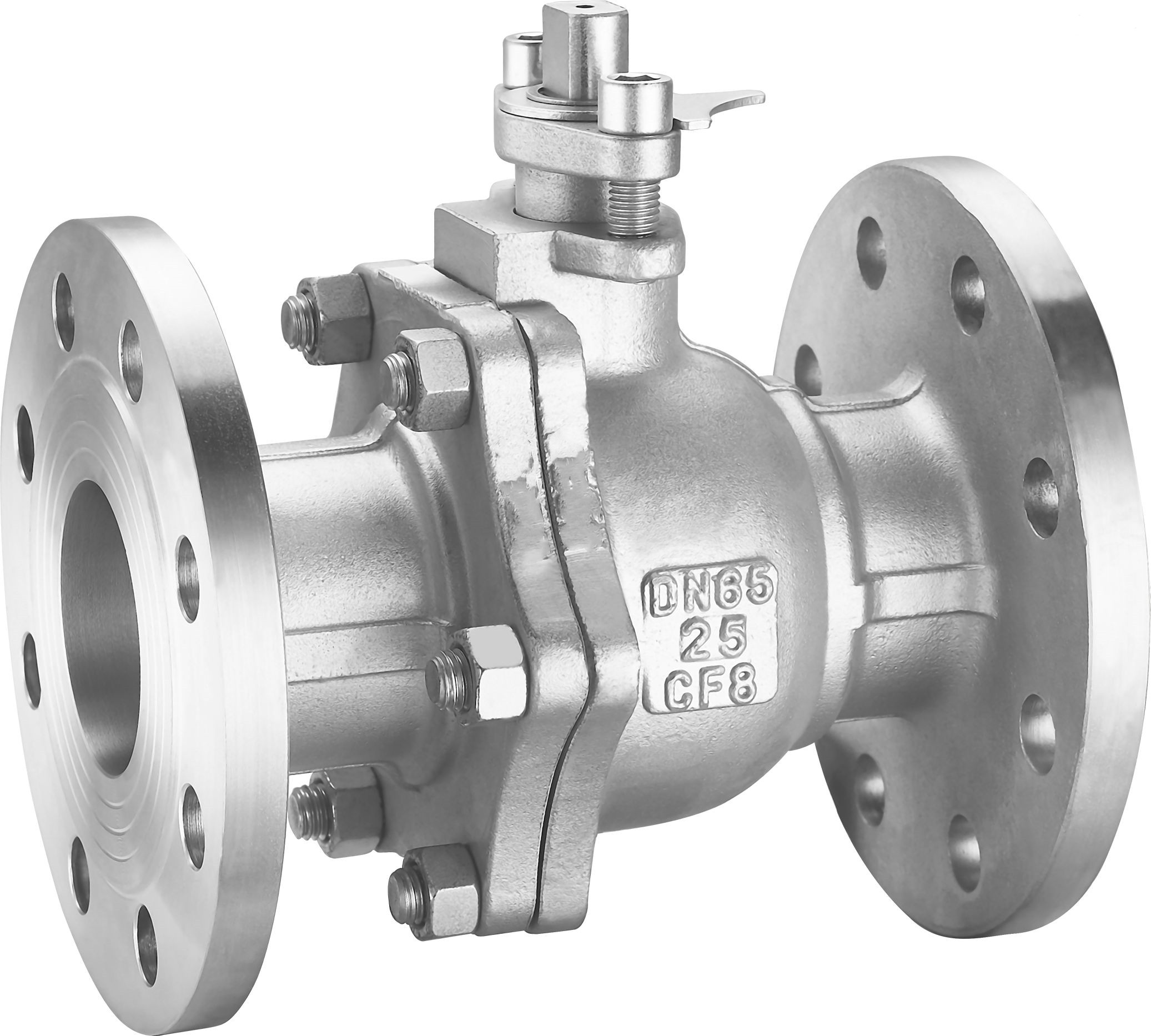
Introduction
China needle control valves represent a critical component in process control systems across a diverse range of industries, including chemical processing, oil and gas, power generation, and water treatment. These valves are characterized by their precise throttling capabilities, allowing for accurate regulation of fluid flow. Unlike other valve types, needle valves utilize a long, tapered needle-shaped closure member moving within a corresponding seat. This design facilitates fine adjustments and consistent flow control, even with viscous fluids. Their position within the industrial chain is typically as a final control element, responding to signals from a control system to modulate flow rates. Core performance characteristics include high resolution, tight shut-off, and predictable flow behavior, essential for processes demanding precise fluid management. The competitive landscape for these valves is heavily influenced by material quality, manufacturing precision, and adherence to international safety standards.
Material Science & Manufacturing
The body material for china needle control valves typically consists of stainless steel (304, 316, 316L), carbon steel, or alloy steels, selected based on the fluid being controlled and the operating environment. Stainless steels offer excellent corrosion resistance, crucial for handling aggressive chemicals and preventing contamination. Carbon steel, while less expensive, requires protective coatings like epoxy or Teflon to mitigate corrosion. The needle and seat, responsible for the sealing function, often utilize hardened alloys such as 410 stainless steel or specialized polymers like PTFE (Teflon) to ensure leak-tight performance and abrasion resistance. Manufacturing processes involve precision machining of the valve body, needle, and seat. The needle is typically produced via CNC turning and grinding to achieve the required taper and surface finish. Seat manufacturing involves lapping and polishing to create a flawless sealing surface. Assembly requires careful alignment and torque control to prevent binding and ensure smooth operation. Welding processes, particularly for stainless steel components, necessitate inert gas shielding (TIG welding) to prevent oxidation and maintain material integrity. Parameter control focuses on dimensional accuracy of the needle and seat, surface roughness of sealing surfaces (Ra < 0.8 μm), and hardness of wear surfaces (HRC 60-65). Chemical composition verification is vital for material traceability and corrosion resistance.
Performance & Engineering
Needle valve performance is fundamentally governed by fluid dynamics, specifically the relationship between flow rate, pressure drop, and needle position. The tapered needle creates a variable restriction, resulting in a non-linear flow characteristic. Force analysis considers the fluid force acting on the needle, which increases with flow rate and pressure. This force must be overcome by the actuator (handwheel or pneumatic/electric actuator) to achieve precise positioning. Environmental resistance is a critical consideration, especially for outdoor applications. Valves must withstand temperature fluctuations, UV exposure, and potential corrosion from atmospheric elements. Compliance requirements vary depending on the application. For instance, valves used in the pharmaceutical industry must meet stringent sanitary standards (3-A sanitary standards) and be constructed from FDA-approved materials. Valves used in hazardous locations require ATEX or IECEx certification to prevent ignition of flammable materials. Functional implementation relies on the valve's Cv (flow coefficient), which quantifies the valve's capacity to pass a specific flow rate at a given pressure drop. Accurate Cv values are essential for proper system sizing and control loop tuning. Fatigue analysis of the needle and stem is crucial for high-cycle applications to prevent cracking and failure.
Technical Specifications
| Parameter | Metric/Unit | Typical Range | Testing Standard |
|---|---|---|---|
| Maximum Operating Pressure | bar | Up to 1000 | ISO 10431 |
| Temperature Range | °C | -60 to +200 | ASTM F2598 |
| Cv Value (Flow Coefficient) | m³/h | 0.01 to 10 | IEC 60534-4 |
| Leakage Rate (Seat Leakage) | ml/min | ≤ 0.1 | FCI 70-2 |
| Body Material | - | SS304, SS316, Carbon Steel | ASTM A36, ASTM A240 |
| Connection Type | - | NPT, BSP, Flange | ANSI B1.20.1, ISO 7-1 |
Failure Mode & Maintenance
Common failure modes for china needle control valves include seat erosion due to abrasive particles in the fluid, needle sticking caused by corrosion or buildup of deposits, and stem leakage due to packing gland failure. Fatigue cracking of the needle can occur under cyclic loading, particularly at stress concentration points. Delamination of polymeric seat materials (PTFE) can result in leakage. Oxidation of metal components can lead to corrosion and seizure. Maintenance solutions involve regular inspection of the valve body, needle, and seat for signs of wear or damage. Periodic replacement of the packing gland is essential to prevent stem leakage. Backflushing the valve can remove abrasive particles and prevent seat erosion. Lubrication of the stem threads is crucial for smooth operation. Non-destructive testing (NDT) methods like ultrasonic testing can detect internal cracks in the valve body or needle. Complete valve overhaul may be required in cases of severe damage or corrosion. Preventative maintenance schedules, based on operating conditions and fluid characteristics, are critical for maximizing valve lifespan and minimizing downtime. Proper storage in a dry environment is essential to prevent corrosion during periods of inactivity.
Industry FAQ
Q: What is the primary difference between a needle valve and a ball valve in terms of control precision?
A: Ball valves are primarily on/off valves, offering limited throttling capability. While they can be partially opened, achieving precise flow control is difficult due to the large port area and non-linear flow characteristics. Needle valves, with their tapered needle and seat, provide significantly greater control precision, allowing for fine adjustments and consistent flow regulation, especially at low flow rates.
Q: How does the material selection impact the valve's suitability for corrosive fluids?
A: Material selection is paramount. Carbon steel is susceptible to corrosion from many fluids and requires coatings. Stainless steels (304, 316) offer improved corrosion resistance but may not be suitable for highly aggressive chemicals like concentrated acids. Alloys like Hastelloy or Monel are used for extremely corrosive environments, providing superior resistance but at a higher cost. The valve’s seat material also plays a critical role; PTFE is chemically inert and provides good resistance to a wide range of fluids.
Q: What is the significance of the Cv value, and how is it used in system design?
A: The Cv value quantifies the valve’s capacity to pass a specific flow rate at a given pressure drop. It’s used to size the valve correctly for the application. Engineers use the Cv value, along with system pressure drop and desired flow rate, to calculate the appropriate valve size. An undersized valve will restrict flow, while an oversized valve may not provide sufficient control.
Q: What are the critical considerations for selecting a valve for high-temperature applications?
A: High-temperature applications demand materials with sufficient creep resistance and thermal stability. The valve’s seat material must maintain its sealing properties at elevated temperatures. The actuator design must also be capable of operating reliably at high temperatures. Thermal expansion and contraction of valve components need to be accounted for to prevent binding or leakage. Specific temperature ratings of all components must be verified.
Q: What is the role of packing in preventing leakage, and what maintenance is required?
A: The packing material around the valve stem creates a seal to prevent leakage of the process fluid. Common packing materials include PTFE, graphite, and compressed fiber. Over time, packing can compress, degrade, or become contaminated, leading to leakage. Maintenance involves periodically tightening the packing gland to restore the seal. If tightening is insufficient, the packing may need to be replaced.
Conclusion
China needle control valves represent a sophisticated, yet essential, component in numerous industrial processes. Their ability to deliver precise fluid control hinges upon a confluence of factors, encompassing material science, manufacturing precision, and rigorous engineering principles. The selection of appropriate materials – stainless steels, hardened alloys, and specialized polymers – is critical for ensuring compatibility with the process fluid and operating environment. Maintaining dimensional accuracy and surface finish during manufacturing is paramount for achieving leak-tight performance and consistent flow characteristics.
The continued evolution of these valves will likely focus on advancements in materials, such as self-lubricating polymers and corrosion-resistant alloys, as well as the integration of smart technologies for remote monitoring and predictive maintenance. Adherence to international standards, such as ISO and ASTM, is not merely a compliance requirement, but a fundamental assurance of product quality and reliability. Proper maintenance, including regular inspection and timely replacement of wear components, is essential for maximizing valve lifespan and minimizing operational disruptions.
-
The Essential Guide to Dual Plate Check Valves
-
Swing Check Valve Types: Reliable Flow Control & Backflow Prevention
-
Top Reasons to Choose a Stainless Steel Flange Check Valve for Industrial Applications
-
solenoid valve 3 way 2 position Performance Analysis
-
micro solenoid valve Performance Analysis
-
solenoid ball valve Performance Analysis
-
micro solenoid valves Performance Engineering
-
solenoid ball valves Performance Analysis
-
solenoid valve 5 2 Performance Analysis
-
solenoid valve stainless steel Performance Analysis
-
stainless steel solenoid valves Performance Analysis
-
solenoid valve 5/2 Performance Analysis
-
cryogenic solenoid valve Performance Analysis
-
direct acting solenoid valve Performance Analysis
-
miniature solenoid valve Performance Analysis
 Afrikaans
 Albanian
 Amharic
 Arabic
 Armenian
 Azerbaijani
 Basque
 Belarusian
 Bengali
 Bosnian
 Bulgarian
 Catalan
 Cebuano
 Corsican
 Croatian
 Czech
Czech
 Danish
 Dutch
Dutch
 Esperanto
 Estonian
 Finnish
 French
 Frisian
 Galician
 Georgian
 German
 Greek
Greek
 Gujarati
 Haitian Creole
 Hausa
Hawaiian
Hausa
Hawaiian
 Hebrew
 Hindi
Hindi
 Miao
Miao
 Hungarian
 Icelandic
 Igbo
Igbo
 Indonesian
 Irish
Irish
 Italian
 Japanese
 Javanese
Kannada
Javanese
Kannada
 Kazakh
 Khmer
Khmer
 Rwandese
 Korean
 Kurdish
 Kyrgyz
 Lao
Lao
 Latin
Latin
 Latvian
 Lithuanian
 Luxembourgish
 Macedonian
 Malgashi
 Malay
Malay
 Malayalam
 Maltese
 Maori
Maori
 Marathi
 Mongolian
 Myanmar
 Nepali
 Norwegian
 Norwegian
 Occitan
 Pashto
 Persian
 Polish
 Portuguese
Punjabi
Portuguese
Punjabi
 Romanian
 Russian
 Samoan
 Scottish Gaelic
 Serbian
 Sesotho
 Shona
Shona
 Sindhi
 Sinhala
 Slovak
 Slovenian
 Somali
 Spanish
 Sundanese
 Swahili
 Swedish
Tagalog
Swedish
Tagalog
 Tajik
Tajik
 Tamil
Tamil
 Tatar
Tatar
 Telugu
 Thai
Thai
 Turkish
 Turkmen
 Ukrainian
 Urdu
Urdu
 Uighur
 Uzbek
Uzbek
 Vietnamese
 Welsh
Welsh
 Bantu
Bantu
 Yiddish
 Yoruba
 Zulu
Zulu
 English