




china on off globe valve Performance Analysis
Introduction
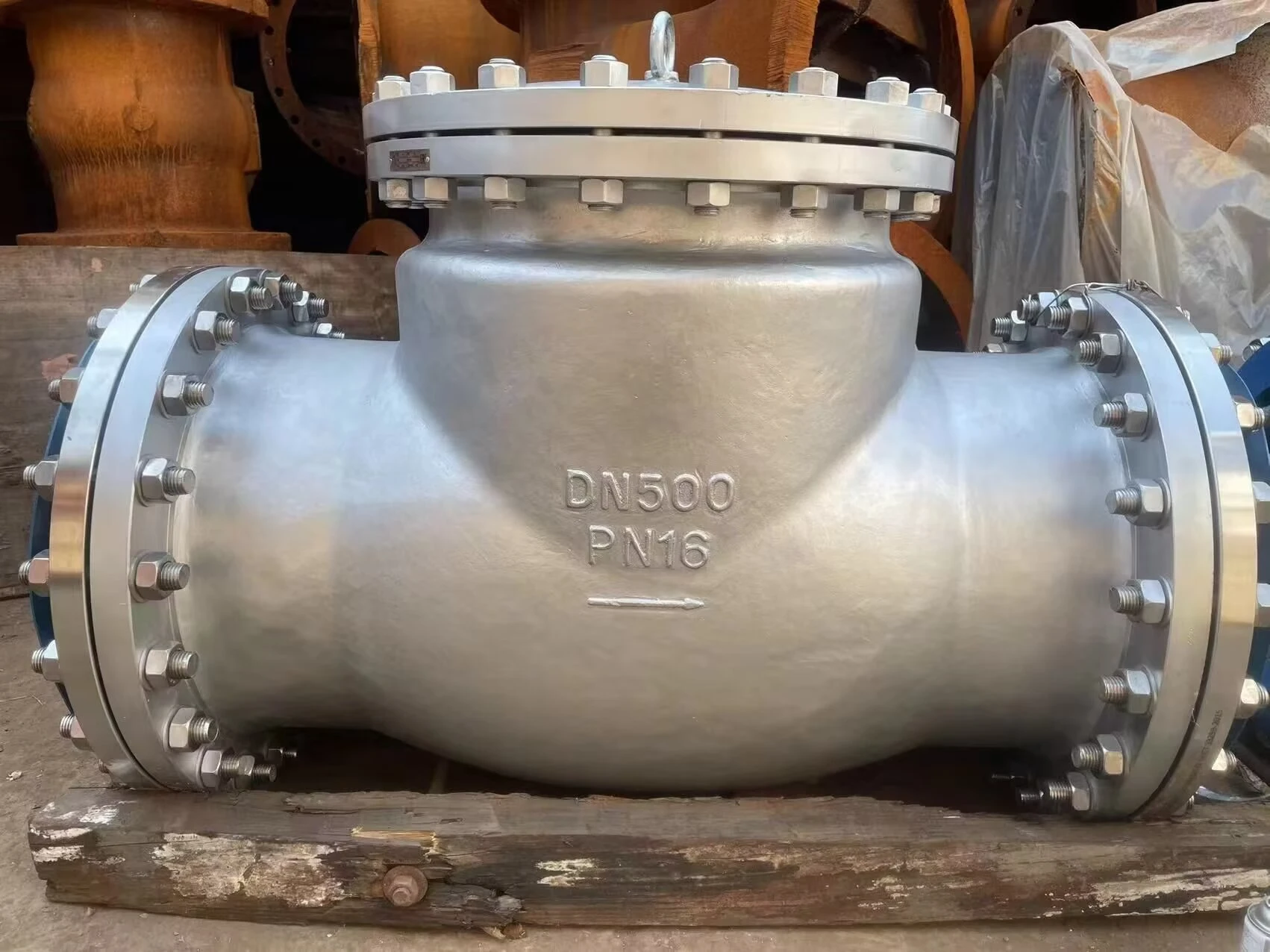
On-off globe valves, manufactured in China, represent a critical component in fluid flow control systems across a diverse range of industries including petrochemical, power generation, water treatment, and HVAC. Unlike gate valves optimized for minimal flow restriction when open, globe valves are designed for throttling and regulating flow. This design inherently creates higher pressure drops but offers precise control and frequent operation capability. The "on-off" designation indicates these valves are primarily utilized for fully open or fully closed service, although some modulation capability exists. Chinese manufacturers have become a significant global supplier, leveraging cost-effective production and increasing adherence to international quality standards. Core performance characteristics of these valves revolve around sealing efficiency, pressure rating, material compatibility, and operational reliability. The increasing demand for robust and reliable flow control, coupled with stringent environmental regulations, drives continuous innovation in design and manufacturing processes for Chinese-produced on-off globe valves.
Material Science & Manufacturing
The body material for Chinese on-off globe valves commonly utilizes carbon steel (ASTM A105, GB/T 8163), stainless steel (304/316 – ASTM A351, GB/T 1220), and alloy steels (e.g., Chrome-Moly steels for high-temperature applications, conforming to ASTM A182, GB/T 6994). Carbon steel offers cost-effectiveness for general service, while stainless steel provides superior corrosion resistance. Alloy steels are selected for extreme temperature and pressure environments. The disc material often mirrors the body material, but PTFE or reinforced PTFE (Teflon) coatings are frequently applied to the disc and seat for enhanced sealing and reduced friction. Stem materials usually consist of stainless steel (304/316) or alloy steel, hardened and tempered for durability. Manufacturing typically follows a casting or forging route for the body, followed by precision machining. The disc is often manufactured through forging or investment casting, ensuring dimensional accuracy. The stem is produced via machining and grinding. Critical process controls include heat treatment to achieve specified hardness and tensile strength, non-destructive testing (NDT) – radiography, ultrasonic testing, and liquid penetrant inspection – to detect internal flaws, and hydrostatic testing to verify shell integrity. Valve seat machining is paramount, achieving a leak-tight seal through precise lapping and polishing. Welding procedures, conforming to ASME Section IX or equivalent GB standards, are crucial for joined components, requiring qualified welders and stringent inspection protocols to prevent defects like porosity and incomplete fusion. Surface treatments like epoxy coating are applied to external surfaces for corrosion protection.
Performance & Engineering
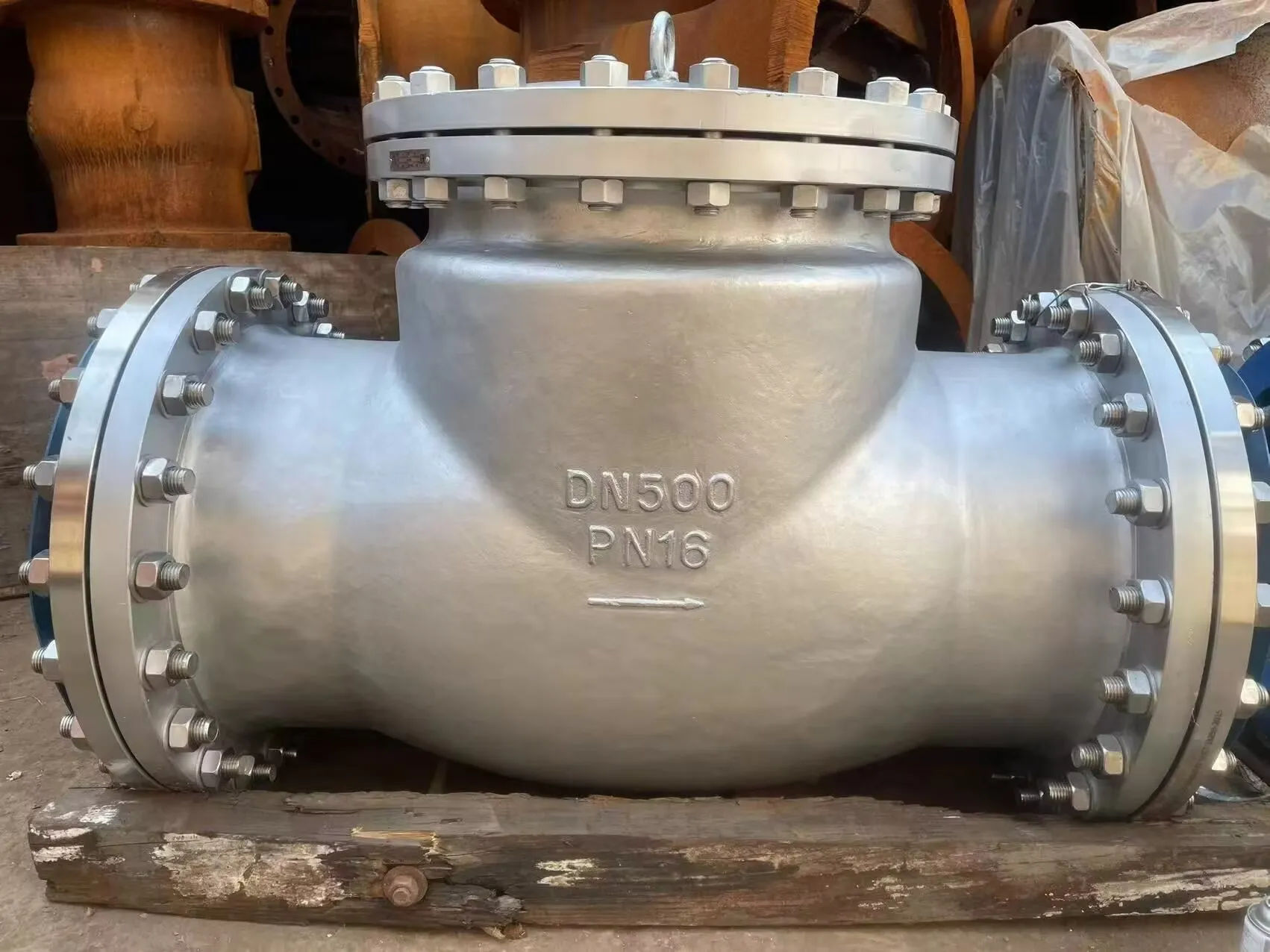
The performance of on-off globe valves is heavily influenced by fluid dynamics and stress analysis. Pressure drop is a primary concern, calculated using Darcy-Weisbach equation and dependent on valve size, flow rate, and fluid viscosity. The valve’s Kv/Cv coefficient, quantifying flow capacity, is a crucial performance metric. Force analysis considers hydrostatic forces acting on the disc when closed, and dynamic forces during operation, particularly water hammer effects during rapid closure. The stem packing system, often utilizing graphite or PTFE-based packing materials, is engineered to prevent leakage under pressure and temperature fluctuations. The bonnet design – screwed bonnet, welded bonnet, or pressure seal bonnet – dictates the pressure-temperature rating of the valve. Environmental resistance is addressed through material selection and protective coatings. For cryogenic applications, materials compliant with MSS SP-134 are necessary. Compliance with industry standards such as API 600 (Steel Gate Valves – applicable by reference), ASME Section XI (Rules for Inservice Inspection of Nuclear Power Plant Components – for critical safety applications), and GB/T 12221 (Steel Globe Valves) is essential. The valve’s actuation mechanism – manual handwheel, gear operator, pneumatic actuator, or electric actuator – is engineered to deliver the required torque for opening and closing the valve efficiently, accounting for fluid forces and friction. Leakage class is defined by standards like ANSI/FCI 70-2 or equivalent Chinese standards, specifying allowable leakage rates.
Technical Specifications
| Parameter | Unit | Typical Value (Carbon Steel) | Typical Value (SS316) |
|---|---|---|---|
| Maximum Allowable Pressure (MAP) | psi | 2500 | 2000 |
| Temperature Range | °F | -20 to 450 | -328 to 650 |
| Valve Size (NPS) | inch | 0.5 – 24 | 0.5 – 12 |
| Connection Type | - | Screwed, Flanged, Welded | Screwed, Flanged, Welded |
| Actuation Type | - | Handwheel, Gear Operator, Pneumatic, Electric | Handwheel, Gear Operator, Pneumatic, Electric |
| Leakage Class (ANSI/FCI 70-2) | - | Class VI | Class VI |
Failure Mode & Maintenance
Failure modes in on-off globe valves include seat erosion due to high-velocity flow or abrasive particles, disc damage from cavitation or corrosion, stem packing failure leading to leakage, and body cracking due to thermal stress or excessive pressure. Fatigue cracking can occur in the stem or disc under cyclical loading. Corrosion is a significant concern, particularly in aggressive environments. Galvanic corrosion can occur between dissimilar metals. Erosion-corrosion results from the combined effect of erosion and corrosion. Maintenance involves regular inspection of the stem packing, replacing worn packing rings to prevent leakage. Periodic inspection of the disc and seat is essential to identify erosion or damage. Hydrostatic testing should be performed periodically to verify shell integrity. Lubrication of the stem threads and actuator linkages is crucial for smooth operation. For valves in corrosive environments, regular coating inspection and repair are necessary. Non-destructive testing (NDT) – ultrasonic testing and radiography – should be conducted periodically to detect internal cracks or flaws. Root cause analysis should be performed on any failures to prevent recurrence. Proper storage conditions, protecting valves from moisture and contamination, are vital for long-term reliability. When replacing components, use only manufacturer-approved spare parts to ensure compatibility and performance.
Industry FAQ
Q: What are the primary differences between a globe valve and a gate valve in terms of application suitability?
A: Gate valves are best suited for applications requiring minimal pressure drop when fully open and infrequent operation, acting as an on/off isolation valve. Globe valves, conversely, excel in applications demanding throttling and precise flow control, even at the expense of a higher pressure drop. They are designed for frequent operation and are less prone to wire drawing than gate valves.
Q: How does material selection impact the longevity of a globe valve in a seawater application?
A: Seawater is a highly corrosive environment. For seawater applications, materials like stainless steel (316 or Super 316), duplex stainless steel, or specialized alloys like Hastelloy are crucial. Protective coatings, such as epoxy or PTFE linings, further enhance corrosion resistance. Regular inspection and cathodic protection may also be required.
Q: What is the significance of the Kv/Cv value when selecting a globe valve for a specific process?
A: The Kv/Cv value represents the valve's flow capacity. It’s a critical parameter for ensuring the valve can deliver the required flow rate at a specified pressure drop. Incorrect valve sizing based on flow requirements can lead to flow restriction, increased energy consumption, or cavitation.
Q: What are the common causes of stem leakage in globe valves, and how can they be prevented?
A: Stem leakage is often caused by worn or improperly installed stem packing. Other causes include stem corrosion, damage to the stem surface, or improper tightening of the packing gland. Prevention involves using high-quality packing materials, proper installation procedures, regular inspection and replacement of the packing, and maintaining appropriate stem lubrication.
Q: How do Chinese manufacturers ensure compliance with international standards like API 600 and ASME Section IX?
A: Reputable Chinese manufacturers invest in quality control systems, including ISO 9001 certification, and employ certified inspectors. They adhere to standardized welding procedures (ASME Section IX), perform rigorous non-destructive testing (NDT) as per ASME standards, and conduct hydrostatic testing following API 600 guidelines. Many manufacturers obtain third-party certifications from recognized testing laboratories to demonstrate compliance.
Conclusion
Chinese-manufactured on-off globe valves are integral to numerous industrial processes, offering a balance between cost-effectiveness and performance. Their material science hinges on a diverse selection of steels and alloys, optimized for specific operational conditions, while manufacturing processes demand strict adherence to quality control and NDT protocols. Successful application relies on thorough understanding of fluid dynamics, stress analysis, and industry-specific compliance standards.
The continued evolution of these valves will likely focus on enhanced sealing technologies, improved corrosion resistance through novel materials and coatings, and greater integration with intelligent control systems for optimized process efficiency and predictive maintenance. The ability of Chinese manufacturers to consistently meet stringent international quality standards will be paramount to their continued success in the global marketplace.
-
The Essential Guide to Dual Plate Check Valves
-
Swing Check Valve Types: Reliable Flow Control & Backflow Prevention
-
Top Reasons to Choose a Stainless Steel Flange Check Valve for Industrial Applications
-
solenoid valve 3 way 2 position Performance Analysis
-
micro solenoid valve Performance Analysis
-
solenoid ball valve Performance Analysis
-
micro solenoid valves Performance Engineering
-
solenoid ball valves Performance Analysis
-
solenoid valve 5 2 Performance Analysis
-
solenoid valve stainless steel Performance Analysis
-
stainless steel solenoid valves Performance Analysis
-
solenoid valve 5/2 Performance Analysis
-
cryogenic solenoid valve Performance Analysis
-
direct acting solenoid valve Performance Analysis
-
miniature solenoid valve Performance Analysis
 Afrikaans
 Albanian
 Amharic
 Arabic
 Armenian
 Azerbaijani
 Basque
 Belarusian
 Bengali
 Bosnian
 Bulgarian
 Catalan
 Cebuano
 Corsican
 Croatian
 Czech
Czech
 Danish
 Dutch
Dutch
 Esperanto
 Estonian
 Finnish
 French
 Frisian
 Galician
 Georgian
 German
 Greek
Greek
 Gujarati
 Haitian Creole
 Hausa
Hawaiian
Hausa
Hawaiian
 Hebrew
 Hindi
Hindi
 Miao
Miao
 Hungarian
 Icelandic
 Igbo
Igbo
 Indonesian
 Irish
Irish
 Italian
 Japanese
 Javanese
Kannada
Javanese
Kannada
 Kazakh
 Khmer
Khmer
 Rwandese
 Korean
 Kurdish
 Kyrgyz
 Lao
Lao
 Latin
Latin
 Latvian
 Lithuanian
 Luxembourgish
 Macedonian
 Malgashi
 Malay
Malay
 Malayalam
 Maltese
 Maori
Maori
 Marathi
 Mongolian
 Myanmar
 Nepali
 Norwegian
 Norwegian
 Occitan
 Pashto
 Persian
 Polish
 Portuguese
Punjabi
Portuguese
Punjabi
 Romanian
 Russian
 Samoan
 Scottish Gaelic
 Serbian
 Sesotho
 Shona
Shona
 Sindhi
 Sinhala
 Slovak
 Slovenian
 Somali
 Spanish
 Sundanese
 Swahili
 Swedish
Tagalog
Swedish
Tagalog
 Tajik
Tajik
 Tamil
Tamil
 Tatar
Tatar
 Telugu
 Thai
Thai
 Turkish
 Turkmen
 Ukrainian
 Urdu
Urdu
 Uighur
 Uzbek
Uzbek
 Vietnamese
 Welsh
Welsh
 Bantu
Bantu
 Yiddish
 Yoruba
 Zulu
Zulu
 English