




china sluice gate valve Performance Analysis
Introduction
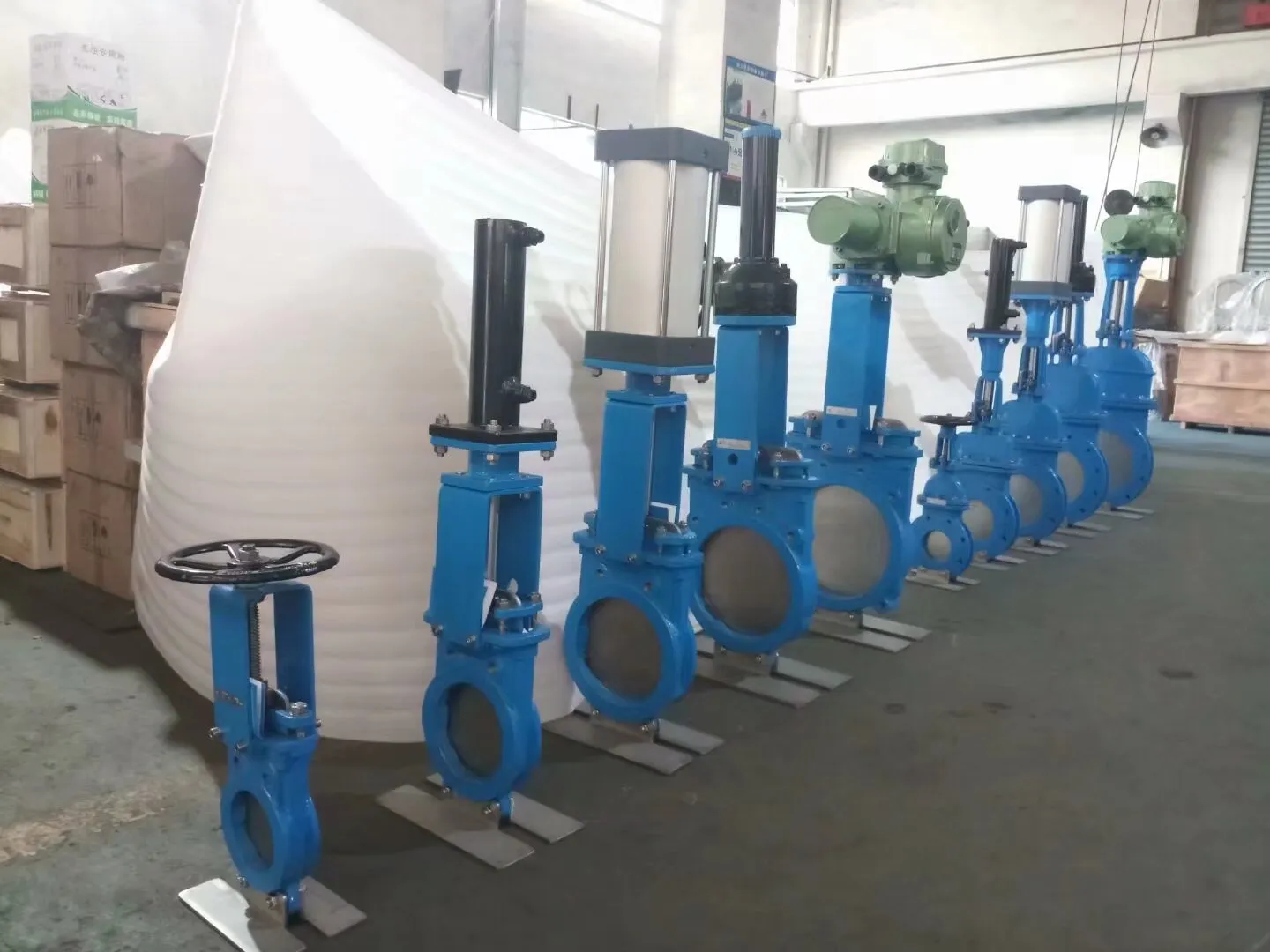
China sluice gate valves are critical components in fluid handling systems, particularly within water treatment, wastewater management, and industrial process control. These valves, fundamentally quarter-turn devices, regulate flow by raising or lowering a gate (or wedge) within the flow path. Their prevalence stems from their robust construction, relatively low pressure drop when fully open, and ability to handle large flow volumes. Within the broader valve industry, sluice gate valves occupy a niche differentiated by their suitability for on/off service rather than throttling applications. The manufacturing landscape in China has emerged as a dominant force in global valve production, providing a wide range of sluice gate valves constructed from various materials – cast iron, ductile iron, stainless steel, and alloys – to cater to diverse operational environments and fluid compatibility requirements. Performance is generally defined by sealing capability, operational torque requirements, and resistance to cavitation and erosion, all factors heavily influenced by design and material selection.
Material Science & Manufacturing
The core materials for sluice gate valves dictate their performance characteristics. Cast iron (ASTM A126 Grade B) is commonly used for lower-pressure applications due to its cost-effectiveness and machinability. However, its susceptibility to corrosion necessitates protective coatings such as epoxy or fusion-bonded epoxy (FBE). Ductile iron (ASTM A536 65-45-12) offers superior strength and impact resistance compared to cast iron, making it suitable for higher pressures and more demanding services. Stainless steel (304, 316 – ASTM A276) is selected for corrosive fluids and hygienic applications due to its inherent corrosion resistance. Alloy materials, such as Hastelloy or Monel, are employed in extremely aggressive chemical environments. The gate itself is often manufactured from bronze (ASTM B584) or stainless steel to minimize friction and wear against the seating surfaces.
Manufacturing typically involves several stages. Patternmaking (for cast valves) precedes sand casting or investment casting to form the valve body. Machining operations are then performed to achieve precise dimensions and smooth sealing surfaces. Gate fabrication involves machining the gate from bar stock and applying a protective coating. Assembly requires meticulous alignment of the gate and seating surfaces, followed by rigorous testing to verify leak tightness. Key parameters controlled during manufacturing include casting quality (absence of porosity), machining tolerances (flatness of seating surfaces), and coating thickness (corrosion protection). Welding, if utilized (e.g., for extending the stem), requires qualified welders and adherence to welding procedures (AWS D1.1) to ensure joint integrity and prevent stress corrosion cracking. Quality control involves hydrostatic testing to specified pressure levels and non-destructive testing (NDT) such as radiographic inspection to identify internal flaws.
Performance & Engineering
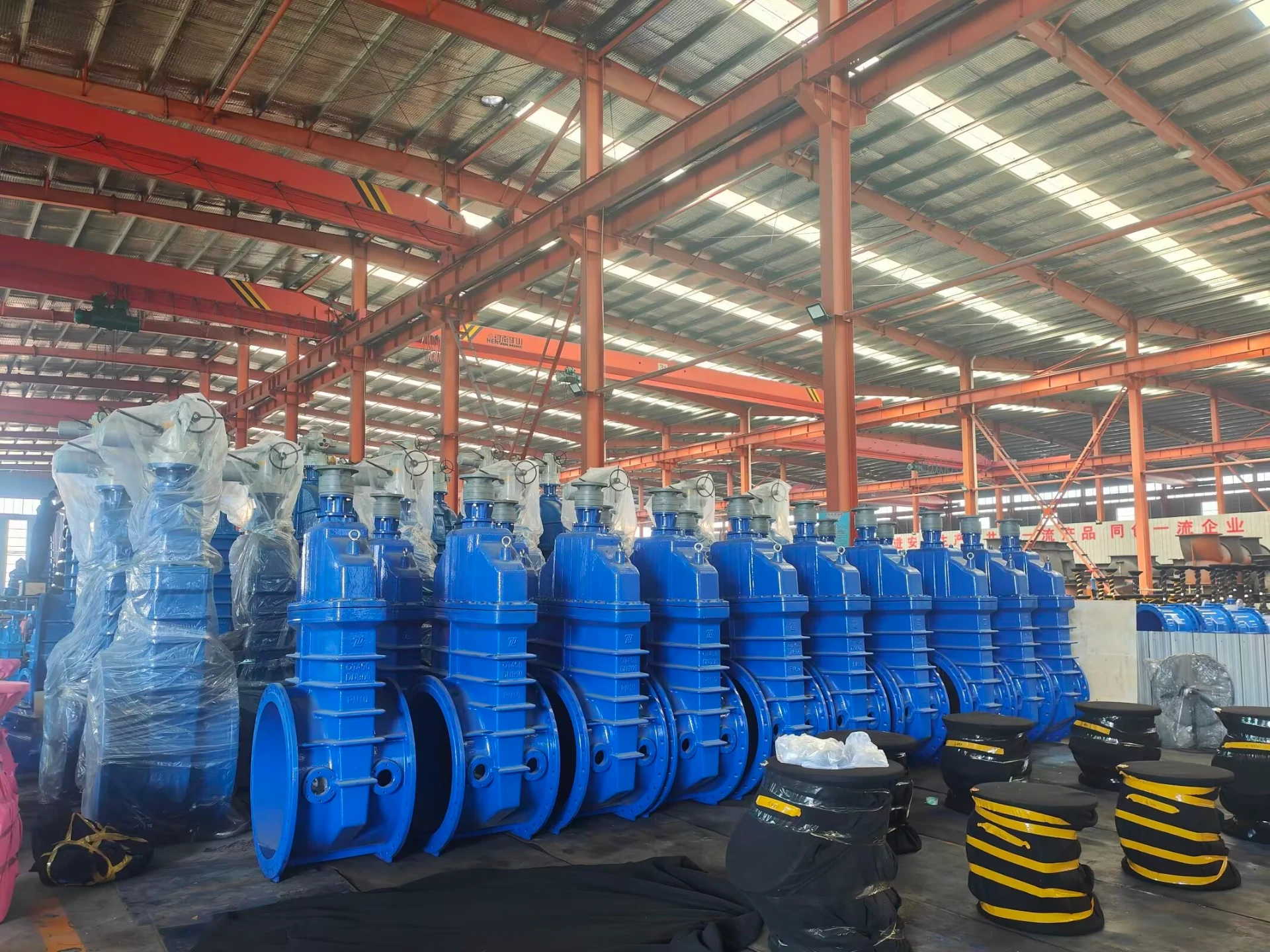
Sluice gate valve performance is intrinsically linked to fluid dynamics and structural integrity. The coefficient of discharge (Cd) represents the valve’s flow capacity, influenced by gate geometry and flow conditions. Higher Cd values indicate less flow restriction. Force analysis is crucial in determining the actuator torque required to operate the valve, considering fluid pressure, gate weight, and frictional forces. Environmental resistance is paramount, particularly in outdoor installations where temperature fluctuations and exposure to UV radiation can degrade seals and coatings. Compliance with industry standards (AWWA C500, API 600) dictates minimum performance requirements for leak tightness, strength, and durability. Functional implementation relies on proper stem sealing (using packing glands or O-rings) to prevent leakage along the stem and robust gate seating to achieve bubble-tight shutoff. Cavitation, induced by pressure drops across the valve, can lead to erosion of the gate and seating surfaces; proper valve sizing and operating parameters can mitigate this risk. Furthermore, the valve's design must account for water hammer effects, utilizing damping mechanisms or appropriate materials to prevent damage from pressure surges.
Technical Specifications
| Parameter | Cast Iron (ASTM A126 B) | Ductile Iron (ASTM A536 65-45-12) | Stainless Steel 316 (ASTM A276) | Maximum Operating Pressure (PSI) |
|---|---|---|---|---|
| Body Material | Cast Iron | Ductile Iron | Stainless Steel 316 | 250 |
| Gate Material | Bronze (ASTM B584) | Bronze (ASTM B584) | Stainless Steel 316 | 400 |
| Stem Material | Carbon Steel (ASTM A276) | Carbon Steel (ASTM A276) | Stainless Steel 316 | 600 |
| Seating Material | Rubber (EPDM) | Rubber (EPDM) | PTFE | Temperature Range (°C) |
| Temperature Range (°C) | -10 to 80 | -20 to 120 | -50 to 200 | Connection Type |
| Connection Type | Flanged (ANSI B16.1) | Flanged (ANSI B16.1) | Flanged (ANSI B16.1) | Actuation Type |
Failure Mode & Maintenance
Sluice gate valves are susceptible to several failure modes. Fatigue cracking can occur in the gate or stem due to repeated opening and closing cycles, particularly under high loads. Delamination of the coating on cast iron valves exposes the underlying metal to corrosion, leading to pitting and eventual failure. Degradation of rubber seals due to aging, chemical attack, or temperature extremes results in leakage. Oxidation of the stem threads can increase operational torque and hinder valve movement. Cavitation erosion damages the gate and seating surfaces, reducing sealing efficiency. Failure analysis often involves visual inspection, dimensional measurements, and metallurgical testing to identify the root cause of failure.
Preventative maintenance is crucial. Regular inspection of the stem packing should be performed and replaced as needed to prevent leakage. Lubrication of the stem threads with appropriate grease reduces friction and prevents corrosion. Periodic testing of the valve’s leak tightness verifies its sealing performance. For coated valves, inspection of the coating for damage is recommended, with repairs performed promptly to prevent corrosion. In cases of cavitation damage, valve replacement or refurbishment with erosion-resistant materials may be necessary. Adherence to a scheduled maintenance program based on operational conditions and valve usage extends valve lifespan and minimizes downtime.
Industry FAQ
Q: What are the key differences between wedge gate valves and parallel disc gate valves, and which is better suited for high-pressure applications?
A: Wedge gate valves, featuring a tapered wedge that seals against angled seats, generally provide tighter shutoff compared to parallel disc valves. Parallel disc valves, with flat discs sealing against flat seats, offer lower friction and are preferred for applications requiring frequent operation. For high-pressure applications, wedge gate valves are generally better suited because the wedging action enhances the sealing force, minimizing the risk of leakage under high differential pressures. However, the specific pressure rating also depends on the valve’s body material and construction.
Q: How does the material selection impact the susceptibility of a sluice gate valve to corrosion, and what preventative measures can be taken?
A: Material selection is critical for corrosion resistance. Cast iron is highly susceptible to corrosion, necessitating protective coatings. Ductile iron offers improved resistance but can still corrode. Stainless steel, particularly 316, provides excellent corrosion resistance in most environments. Alloy materials offer the highest resistance for aggressive chemicals. Preventative measures include applying appropriate coatings (epoxy, FBE), using sacrificial anodes, and implementing a cathodic protection system. Regular inspection and maintenance of coatings are essential.
Q: What are the limitations of using a sluice gate valve for throttling applications, and what alternative valve types are more appropriate?
A: Sluice gate valves are not designed for throttling due to the high-velocity flow across the partially open gate, leading to erosion and vibration. Throttling with a gate valve can also damage the sealing surfaces and reduce its shut-off capability. Globe valves, ball valves, or butterfly valves are more appropriate for throttling applications as they are specifically designed to control flow rates without causing excessive wear.
Q: What is the significance of the “C” factor in a sluice gate valve, and how does it relate to flow rate calculations?
A: The “C” factor (or Cv) represents the valve's flow coefficient, indicating its ability to pass fluid. It is a dimensionless number that relates the flow rate to the pressure drop across the valve. A higher C factor means the valve offers less resistance to flow. Flow rate calculations utilize the C factor, fluid density, viscosity, and pressure drop to determine the actual flow rate through the valve. Accurate C factor data is essential for proper system design and performance prediction.
Q: How do international standards like AWWA C500 influence the design and testing requirements for sluice gate valves used in water distribution systems?
A: AWWA C500 is a widely recognized standard governing the design, manufacture, and testing of sluice gate valves for water and wastewater applications. It specifies minimum requirements for materials, dimensions, pressure ratings, leak tightness, and operational torque. Compliance with AWWA C500 ensures that the valve meets industry-accepted standards for performance, reliability, and safety, providing confidence in its suitability for critical water infrastructure applications.
Conclusion
China sluice gate valves represent a crucial technology within fluid handling systems, offering robust and reliable flow control in a diverse range of applications. The valve’s performance is inextricably linked to material selection, manufacturing precision, and adherence to stringent industry standards. Understanding the potential failure modes – including corrosion, erosion, and seal degradation – is paramount for implementing effective preventative maintenance programs and maximizing valve lifespan. Selecting the appropriate valve type and material for specific operating conditions ensures optimal performance and minimizes the risk of costly downtime.
Looking ahead, advancements in materials science, such as the development of new corrosion-resistant alloys and improved sealing materials, will further enhance the performance and longevity of these valves. Furthermore, increased adoption of digital valve control systems and remote monitoring capabilities will enable predictive maintenance strategies, optimizing operational efficiency and reducing overall life cycle costs. Continued adherence to and refinement of international standards will be essential for ensuring the continued reliability and safety of sluice gate valve technology in critical infrastructure applications.
-
The Essential Guide to Dual Plate Check Valves
-
Swing Check Valve Types: Reliable Flow Control & Backflow Prevention
-
Top Reasons to Choose a Stainless Steel Flange Check Valve for Industrial Applications
-
solenoid valve 3 way 2 position Performance Analysis
-
micro solenoid valve Performance Analysis
-
solenoid ball valve Performance Analysis
-
micro solenoid valves Performance Engineering
-
solenoid ball valves Performance Analysis
-
solenoid valve 5 2 Performance Analysis
-
solenoid valve stainless steel Performance Analysis
-
stainless steel solenoid valves Performance Analysis
-
solenoid valve 5/2 Performance Analysis
-
cryogenic solenoid valve Performance Analysis
-
direct acting solenoid valve Performance Analysis
-
miniature solenoid valve Performance Analysis
 Afrikaans
 Albanian
 Amharic
 Arabic
 Armenian
 Azerbaijani
 Basque
 Belarusian
 Bengali
 Bosnian
 Bulgarian
 Catalan
 Cebuano
 Corsican
 Croatian
 Czech
Czech
 Danish
 Dutch
Dutch
 Esperanto
 Estonian
 Finnish
 French
 Frisian
 Galician
 Georgian
 German
 Greek
Greek
 Gujarati
 Haitian Creole
 Hausa
Hawaiian
Hausa
Hawaiian
 Hebrew
 Hindi
Hindi
 Miao
Miao
 Hungarian
 Icelandic
 Igbo
Igbo
 Indonesian
 Irish
Irish
 Italian
 Japanese
 Javanese
Kannada
Javanese
Kannada
 Kazakh
 Khmer
Khmer
 Rwandese
 Korean
 Kurdish
 Kyrgyz
 Lao
Lao
 Latin
Latin
 Latvian
 Lithuanian
 Luxembourgish
 Macedonian
 Malgashi
 Malay
Malay
 Malayalam
 Maltese
 Maori
Maori
 Marathi
 Mongolian
 Myanmar
 Nepali
 Norwegian
 Norwegian
 Occitan
 Pashto
 Persian
 Polish
 Portuguese
Punjabi
Portuguese
Punjabi
 Romanian
 Russian
 Samoan
 Scottish Gaelic
 Serbian
 Sesotho
 Shona
Shona
 Sindhi
 Sinhala
 Slovak
 Slovenian
 Somali
 Spanish
 Sundanese
 Swahili
 Swedish
Tagalog
Swedish
Tagalog
 Tajik
Tajik
 Tamil
Tamil
 Tatar
Tatar
 Telugu
 Thai
Thai
 Turkish
 Turkmen
 Ukrainian
 Urdu
Urdu
 Uighur
 Uzbek
Uzbek
 Vietnamese
 Welsh
Welsh
 Bantu
Bantu
 Yiddish
 Yoruba
 Zulu
Zulu
 English