




china solenoid valve 110v Performance Analysis
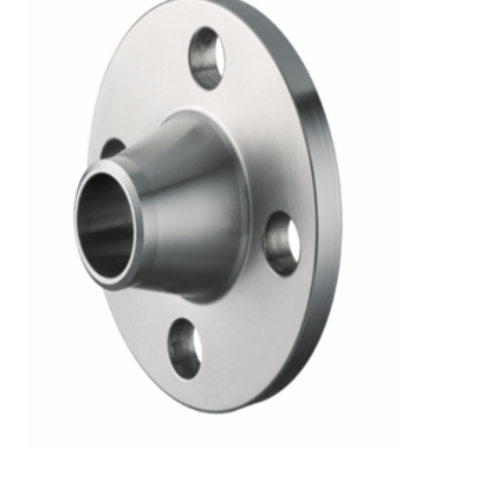
Introduction
The 110V China solenoid valve represents a critical component in numerous industrial automation and fluid control systems. Positioned within the broader valve technology landscape, these valves are electrically actuated, utilizing a solenoid to control the flow of liquids or gases. Their function is predicated on the electromagnetic interaction between a current-carrying coil and a movable ferromagnetic plunger. Unlike manually operated valves, solenoid valves offer rapid response times, remote control capabilities, and suitability for automated processes. Core performance characteristics encompass flow rate (Cv), pressure rating, media compatibility, response time, and coil power consumption. A prevalent application area lies in process control within the chemical, pharmaceutical, water treatment, and pneumatic systems industries. The increasingly competitive landscape of solenoid valve manufacturing, particularly from China, necessitates a thorough understanding of material composition, manufacturing precision, and long-term reliability to ensure optimal performance and minimize operational downtime.
Material Science & Manufacturing
The construction of a 110V China solenoid valve typically involves several key materials. The valve body is often manufactured from brass (CZ121, CZ132) or stainless steel (304, 316) due to their corrosion resistance and machinability. Brass provides cost-effectiveness for less demanding applications, while stainless steel is crucial for handling aggressive media. The internal sealing components (seals, diaphragms) frequently employ materials like Nitrile Butadiene Rubber (NBR), Fluorocarbon (FKM – Viton), or Ethylene Propylene Diene Monomer (EPDM), selected based on fluid compatibility and temperature requirements. The solenoid coil is wound with copper wire, insulated with polyamide-imide or polyester-imide varnish to withstand high temperatures and voltages. The plunger core is invariably composed of a ferromagnetic material, typically 430 stainless steel, optimized for magnetic permeability. Manufacturing processes include: casting or forging of the valve body; precision machining of internal components; coil winding and encapsulation; and assembly under controlled conditions. Key parameter control involves maintaining tight tolerances on orifice diameters, seal compression, and coil insulation resistance. Welding, when used (e.g., in stainless steel valve bodies), requires strict adherence to AWS D1.1 standards to prevent porosity and ensure structural integrity. Surface finishing (e.g., passivation for stainless steel) is crucial for enhancing corrosion resistance.
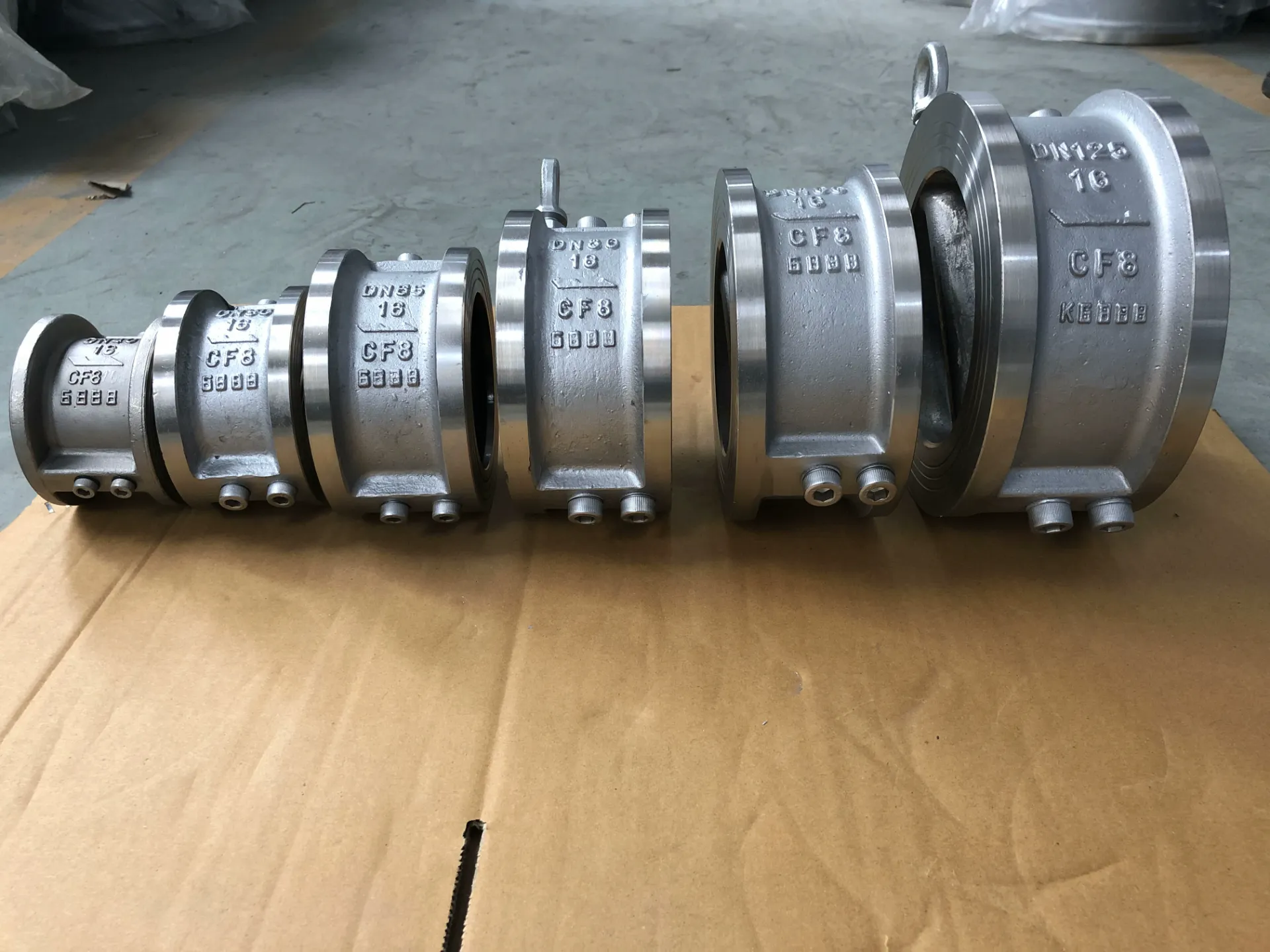
Performance & Engineering
The performance of a 110V solenoid valve is governed by several engineering principles. Force analysis centers on the electromagnetic force generated by the solenoid coil, which must overcome the spring force and fluid pressure to actuate the valve. The force (F) is proportional to the square of the current (I) and the magnetic field strength (B), dictated by the coil design and core material properties. Environmental resistance is paramount; valves intended for outdoor or harsh environments require IP65 or higher ingress protection ratings, signifying resistance to dust and water. Compliance requirements are extensive, including adherence to UL standards for electrical safety (UL 508), CE marking for European conformity, and RoHS directives regarding hazardous substance restriction. Functional implementation necessitates careful consideration of the fluid dynamics within the valve body. Bernoulli’s principle dictates the relationship between fluid velocity and pressure drop. Cavitation, a potential issue with high-velocity flows, must be mitigated through appropriate valve sizing and orifice design. The valve’s response time is influenced by the mass of the plunger, the spring stiffness, and the solenoid’s inductive time constant. Proper selection of valve size and actuation mode (direct-acting vs. pilot-operated) is critical for meeting application-specific performance criteria.
Technical Specifications
| Parameter | Unit | Typical Value | Tolerance |
|---|---|---|---|
| Operating Voltage | V AC | 110 | ±10% |
| Maximum Pressure | PSI | 200 | ±5% |
| Flow Coefficient (Cv) | gal/min @ 1 PSI | 1.5 | ±0.1 |
| Orifice Diameter | mm | 6 | ±0.1 |
| Response Time (Energize) | ms | 20 | ±2 |
| Response Time (De-energize) | ms | 30 | ±3 |
Failure Mode & Maintenance
Common failure modes for 110V China solenoid valves include coil burnout due to overheating or voltage surges, plunger sticking caused by contamination or corrosion, seal failure leading to leakage, and body cracking due to excessive pressure or thermal stress. Failure analysis indicates that coil burnout often stems from inadequate insulation or exceeding the valve’s voltage rating. Plunger sticking can be attributed to particulate matter accumulating within the valve bore or corrosion products forming on the plunger surface. Seal degradation occurs through chemical incompatibility, temperature extremes, or mechanical wear. Preventative maintenance involves periodic inspection of the coil for signs of overheating (discoloration, odor), checking for leaks around the seals, and verifying proper valve operation. Regular cleaning of the valve body to remove debris is also crucial. In the event of failure, the coil can often be replaced without replacing the entire valve. For persistent plunger sticking, disassembly and thorough cleaning with a compatible solvent are recommended. Seal replacement is necessary when leakage is detected. Non-destructive testing methods, such as eddy current testing, can be employed to detect cracks in the valve body. Avoid forceful disassembly as this can damage internal components.
Industry FAQ
Q: What is the impact of fluid viscosity on the solenoid valve’s performance?
A: Increased fluid viscosity directly reduces the flow rate (Cv) through the valve, necessitating a larger valve size or higher operating pressure to achieve the desired flow. Higher viscosity also increases the energy required to overcome fluid friction, potentially slowing down the response time and increasing power consumption. Selecting a valve specifically rated for viscous fluids is crucial.
Q: How do I determine the appropriate solenoid valve material for a specific chemical application?
A: Compatibility charts detailing material resistance to various chemicals are essential. The valve body material (brass or stainless steel) and seal material (NBR, FKM, EPDM) must be chemically compatible with the fluid being controlled. Consider factors such as concentration, temperature, and exposure duration. Consulting the chemical resistance data provided by material manufacturers is highly recommended.
Q: What are the implications of using a DC solenoid valve versus an AC solenoid valve?
A: DC solenoid valves generally offer faster response times and lower power consumption compared to AC valves. However, AC valves are typically more cost-effective and widely available. DC valves require a rectified power supply, adding complexity to the system. The choice depends on the specific application requirements and power infrastructure.
Q: What are the key considerations for ensuring long-term reliability in a harsh industrial environment?
A: Select valves with a high ingress protection (IP) rating to protect against dust and water. Use corrosion-resistant materials (e.g., stainless steel) for the valve body and internal components. Implement preventative maintenance schedules for inspection and cleaning. Consider using surge protection devices to prevent coil burnout due to voltage spikes.
Q: What is the significance of the solenoid valve’s “hysteresis”?
A: Hysteresis refers to the difference in operating voltage required to open and close the valve. High hysteresis can lead to inconsistent valve operation and reduced control precision. Choosing a valve with low hysteresis characteristics is crucial for applications requiring accurate and repeatable control.
Conclusion
The 110V China solenoid valve plays a pivotal role in modern industrial automation, offering a reliable and efficient solution for fluid control. Successful implementation necessitates a comprehensive understanding of material science principles, manufacturing processes, and performance characteristics. Addressing potential failure modes through preventative maintenance and appropriate material selection is paramount for maximizing operational lifespan and minimizing downtime.
Future advancements in solenoid valve technology are likely to focus on miniaturization, energy efficiency, and integration with smart sensing and communication protocols. Continued emphasis on quality control and adherence to international standards will be crucial for ensuring the long-term viability of China-manufactured solenoid valves in the global marketplace. Proper specification and application knowledge are essential for optimal performance.
-
Raised Face Flange Performance Analysis
-
Threaded Flanges Performance Analysis
-
uni flange Performance Analysis
-
Thread Flange Material Science and Performance
-
Flange Welding Performance Analysis
-
Flanged Couplings Performance Analysis
-
female thread ball valve Performance Analysis
-
1/2 ball valve Material Science Manufacturing
-
gas ball valves Performance Engineering
-
2 inch ball valves Performance Analysis
-
motorized ball valve Performance Analysis
-
floating ball valve Performance Analysis
-
ball valve stainless steel Performance Analysis
-
gate valve stainless steel Performance Analysis
-
dn200 gate valve Performance Analysis
 Afrikaans
 Albanian
 Amharic
 Arabic
 Armenian
 Azerbaijani
 Basque
 Belarusian
 Bengali
 Bosnian
 Bulgarian
 Catalan
 Cebuano
 Corsican
 Croatian
 Czech
Czech
 Danish
 Dutch
Dutch
 Esperanto
 Estonian
 Finnish
 French
 Frisian
 Galician
 Georgian
 German
 Greek
Greek
 Gujarati
 Haitian Creole
 Hausa
Hawaiian
Hausa
Hawaiian
 Hebrew
 Hindi
Hindi
 Miao
Miao
 Hungarian
 Icelandic
 Igbo
Igbo
 Indonesian
 Irish
Irish
 Italian
 Japanese
 Javanese
Kannada
Javanese
Kannada
 Kazakh
 Khmer
Khmer
 Rwandese
 Korean
 Kurdish
 Kyrgyz
 Lao
Lao
 Latin
Latin
 Latvian
 Lithuanian
 Luxembourgish
 Macedonian
 Malgashi
 Malay
Malay
 Malayalam
 Maltese
 Maori
Maori
 Marathi
 Mongolian
 Myanmar
 Nepali
 Norwegian
 Norwegian
 Occitan
 Pashto
 Persian
 Polish
 Portuguese
Punjabi
Portuguese
Punjabi
 Romanian
 Russian
 Samoan
 Scottish Gaelic
 Serbian
 Sesotho
 Shona
Shona
 Sindhi
 Sinhala
 Slovak
 Slovenian
 Somali
 Spanish
 Sundanese
 Swahili
 Swedish
Tagalog
Swedish
Tagalog
 Tajik
Tajik
 Tamil
Tamil
 Tatar
Tatar
 Telugu
 Thai
Thai
 Turkish
 Turkmen
 Ukrainian
 Urdu
Urdu
 Uighur
 Uzbek
Uzbek
 Vietnamese
 Welsh
Welsh
 Bantu
Bantu
 Yiddish
 Yoruba
 Zulu
Zulu
 English