




china solenoid valve 24 vdc Performance Analysis
Introduction
The 24 VDC solenoid valve represents a critical component in numerous industrial automation and fluid control systems. Functioning as an electromechanically operated valve, it controls the flow of liquids or gases by using an electromagnetic coil to actuate a valve stem. In the industrial chain, it occupies a pivotal role after the control system (PLC, DCS) initiates a signal and before the process fluid reaches its destination. Its core performance metrics revolve around responsiveness (switching speed), flow capacity (Cv value), pressure rating, fluid compatibility, and long-term reliability. The proliferation of these valves, particularly those manufactured in China, stems from a confluence of factors: cost-effectiveness, increasing manufacturing capabilities, and a growing demand for precision fluid control in global markets. A key industry pain point revolves around ensuring consistent quality and performance across different manufacturers, alongside verifying compliance with relevant international safety and environmental standards.
Material Science & Manufacturing
The core components of a 24 VDC solenoid valve necessitate a detailed understanding of material science. The valve body is typically constructed from brass (CZ128, CZ132), stainless steel (304, 316), or engineered plastics like PBT or PTFE, chosen for their chemical resistance and mechanical strength. The internal sealing elements, crucial for preventing leakage, are commonly made of NBR (Nitrile Butadiene Rubber), EPDM (Ethylene Propylene Diene Monomer), or Viton (FKM), selected based on the specific fluid being controlled. The solenoid coil is wound with copper wire, insulated with polyamide or polyester enamel, and encapsulated within a protective bobbin, usually made of nylon or PPS.
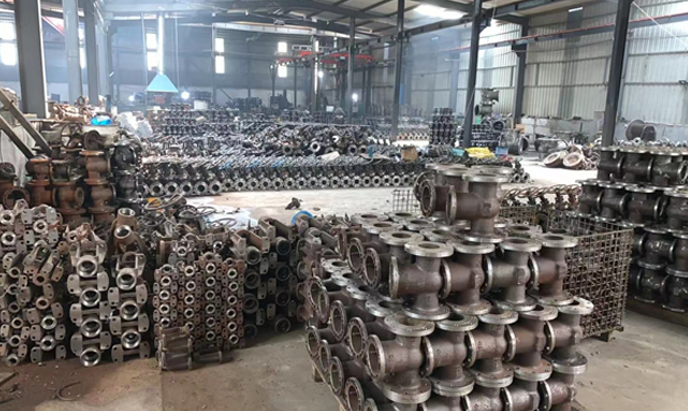
Manufacturing involves several key processes. Brass bodies are often produced via hot forging or die casting, followed by precision machining to ensure accurate bore diameters and smooth sealing surfaces. Stainless steel bodies are typically machined from bar stock or produced via investment casting. Plastic bodies are manufactured using injection molding, requiring precise temperature and pressure control to minimize shrinkage and warping. The solenoid coil winding process is automated, demanding tight tolerances on wire gauge and turns per layer to achieve the desired magnetic field strength. Final assembly requires rigorous quality control checks, including leak testing (using air or water), electrical insulation testing (hi-pot testing), and functional verification under simulated operating conditions. Parameter control focuses on maintaining consistent material composition, dimensional accuracy during machining, and ensuring proper insulation between the coil windings to prevent short circuits.
Performance & Engineering
The performance of a 24 VDC solenoid valve is governed by several engineering principles. Force analysis dictates the magnetic pull force required to overcome the spring force and actuate the valve stem. This force is directly proportional to the square of the current flowing through the coil and the number of turns. Environmental resistance is paramount; the valve must withstand temperature fluctuations, humidity, and potential exposure to corrosive substances. Ingress Protection (IP) ratings (e.g., IP65, IP67) define the level of protection against dust and water. Compliance requirements vary by industry and application. For example, valves used in food and beverage processing must adhere to FDA regulations regarding material compatibility. Those used in hazardous environments require ATEX or IECEx certification to ensure safety. Functional implementation necessitates careful consideration of response time (opening and closing speed), flow characteristics (laminar vs. turbulent flow), and the potential for water hammer or cavitation. The valve’s Cv (flow coefficient) determines its capacity to handle different flow rates at a specific pressure drop. The electrical connection must be robust, capable of withstanding vibration and thermal cycling.
Technical Specifications
| Parameter | Unit | Typical Value | Tolerance |
|---|---|---|---|
| Operating Voltage | VDC | 24 | ±10% |
| Maximum Pressure | Bar | 6 | - |
| Flow Rate (Water) | L/min | 10 | ±5% |
| Orifice Diameter | mm | 2.0 | ±0.02 |
| Response Time (Open/Close) | ms | 20/30 | - |
| Fluid Temperature Range | °C | 0-80 | - |
Failure Mode & Maintenance
Failure modes in 24 VDC solenoid valves are diverse. Coil burnout is common, resulting from overheating due to overvoltage, excessive duty cycle, or inadequate heat dissipation. Mechanical failure can occur due to fatigue cracking of the valve stem or spring, particularly under high-frequency cycling. Leakage can arise from degradation of sealing materials (NBR, EPDM, Viton) due to chemical incompatibility or aging. Contamination from particulate matter can cause sticking or blockage of the valve orifice. Electrical failures include short circuits due to insulation breakdown and open circuits due to broken wire connections. Oxidation of electrical contacts can also lead to intermittent operation.
Preventive maintenance is crucial. Regular inspection of the coil for signs of overheating (discoloration, odor) is recommended. Periodic cleaning of the valve body and orifice to remove accumulated debris is essential. Lubrication of moving parts with a compatible lubricant can reduce friction and wear. Electrical connections should be checked for tightness and corrosion. Sealing elements should be replaced periodically based on fluid compatibility and operating conditions. Failure analysis should involve visual inspection, electrical testing (coil resistance, insulation resistance), and leak testing to pinpoint the root cause of the problem. In cases of frequent failure, consider upgrading to a valve with more robust materials or a higher-quality coil.
Industry FAQ
Q: What is the impact of fluid viscosity on the performance of the solenoid valve?
A: Higher fluid viscosity increases the resistance to flow, reducing the flow rate (L/min) for a given pressure drop. It also increases the response time, as it takes longer for the fluid to move through the valve orifice. Selecting a valve with a larger orifice diameter or a higher coil power may be necessary for handling viscous fluids.
Q: How does the operating temperature affect the solenoid valve’s lifespan?
A: Elevated temperatures accelerate the degradation of sealing materials (NBR, EPDM, Viton), leading to leakage. High temperatures can also reduce the insulation resistance of the coil, increasing the risk of burnout. Operating the valve within its specified temperature range is critical for maximizing its lifespan.
Q: What are the key considerations when selecting a solenoid valve for corrosive fluids?
A: The valve body and sealing materials must be chemically compatible with the fluid. Stainless steel (316) or engineered plastics (PTFE) are often preferred for corrosive applications. Ensure that the coil encapsulation provides adequate protection against corrosive fumes or splashes.
Q: What is the difference between normally open (NO) and normally closed (NC) solenoid valves, and how do I choose the right one?
A: A normally closed (NC) valve is closed when de-energized and opens when energized. A normally open (NO) valve is open when de-energized and closes when energized. The choice depends on the application's safety requirements and control logic. NC valves are often used for safety-critical applications where the valve should fail closed in the event of a power failure. NO valves are suitable for applications where the valve should fail open.
Q: What is the significance of the IP rating for a solenoid valve?
A: The IP (Ingress Protection) rating indicates the valve's level of protection against solid objects (dust) and liquids (water). A higher IP rating provides greater protection. For example, IP65 indicates protection against dust-tight enclosure and water jets, while IP67 indicates protection against dust-tight enclosure and temporary immersion in water.
Conclusion
The 24 VDC solenoid valve, while seemingly simple in concept, is a complex electromechanical device demanding careful consideration of material science, manufacturing processes, and operational parameters. Selecting the appropriate valve necessitates a comprehensive understanding of the application’s specific requirements—fluid compatibility, pressure, temperature, and environmental conditions—along with adherence to relevant industry standards. The ongoing demand for improved performance, reliability, and cost-effectiveness will continue to drive innovation in solenoid valve technology.
Addressing industry pain points—particularly concerns around quality control and long-term durability—requires rigorous testing, robust manufacturing practices, and a commitment to continuous improvement. Future developments may focus on incorporating smart features, such as predictive maintenance capabilities and remote monitoring, to further enhance the performance and lifecycle of these critical components.
-
The Essential Guide to Dual Plate Check Valves
-
Swing Check Valve Types: Reliable Flow Control & Backflow Prevention
-
Top Reasons to Choose a Stainless Steel Flange Check Valve for Industrial Applications
-
solenoid valve 3 way 2 position Performance Analysis
-
micro solenoid valve Performance Analysis
-
solenoid ball valve Performance Analysis
-
micro solenoid valves Performance Engineering
-
solenoid ball valves Performance Analysis
-
solenoid valve 5 2 Performance Analysis
-
solenoid valve stainless steel Performance Analysis
-
stainless steel solenoid valves Performance Analysis
-
solenoid valve 5/2 Performance Analysis
-
cryogenic solenoid valve Performance Analysis
-
direct acting solenoid valve Performance Analysis
-
miniature solenoid valve Performance Analysis
 Afrikaans
 Albanian
 Amharic
 Arabic
 Armenian
 Azerbaijani
 Basque
 Belarusian
 Bengali
 Bosnian
 Bulgarian
 Catalan
 Cebuano
 Corsican
 Croatian
 Czech
Czech
 Danish
 Dutch
Dutch
 Esperanto
 Estonian
 Finnish
 French
 Frisian
 Galician
 Georgian
 German
 Greek
Greek
 Gujarati
 Haitian Creole
 Hausa
Hawaiian
Hausa
Hawaiian
 Hebrew
 Hindi
Hindi
 Miao
Miao
 Hungarian
 Icelandic
 Igbo
Igbo
 Indonesian
 Irish
Irish
 Italian
 Japanese
 Javanese
Kannada
Javanese
Kannada
 Kazakh
 Khmer
Khmer
 Rwandese
 Korean
 Kurdish
 Kyrgyz
 Lao
Lao
 Latin
Latin
 Latvian
 Lithuanian
 Luxembourgish
 Macedonian
 Malgashi
 Malay
Malay
 Malayalam
 Maltese
 Maori
Maori
 Marathi
 Mongolian
 Myanmar
 Nepali
 Norwegian
 Norwegian
 Occitan
 Pashto
 Persian
 Polish
 Portuguese
Punjabi
Portuguese
Punjabi
 Romanian
 Russian
 Samoan
 Scottish Gaelic
 Serbian
 Sesotho
 Shona
Shona
 Sindhi
 Sinhala
 Slovak
 Slovenian
 Somali
 Spanish
 Sundanese
 Swahili
 Swedish
Tagalog
Swedish
Tagalog
 Tajik
Tajik
 Tamil
Tamil
 Tatar
Tatar
 Telugu
 Thai
Thai
 Turkish
 Turkmen
 Ukrainian
 Urdu
Urdu
 Uighur
 Uzbek
Uzbek
 Vietnamese
 Welsh
Welsh
 Bantu
Bantu
 Yiddish
 Yoruba
 Zulu
Zulu
 English