




china stem gate valve Performance Analysis
Introduction
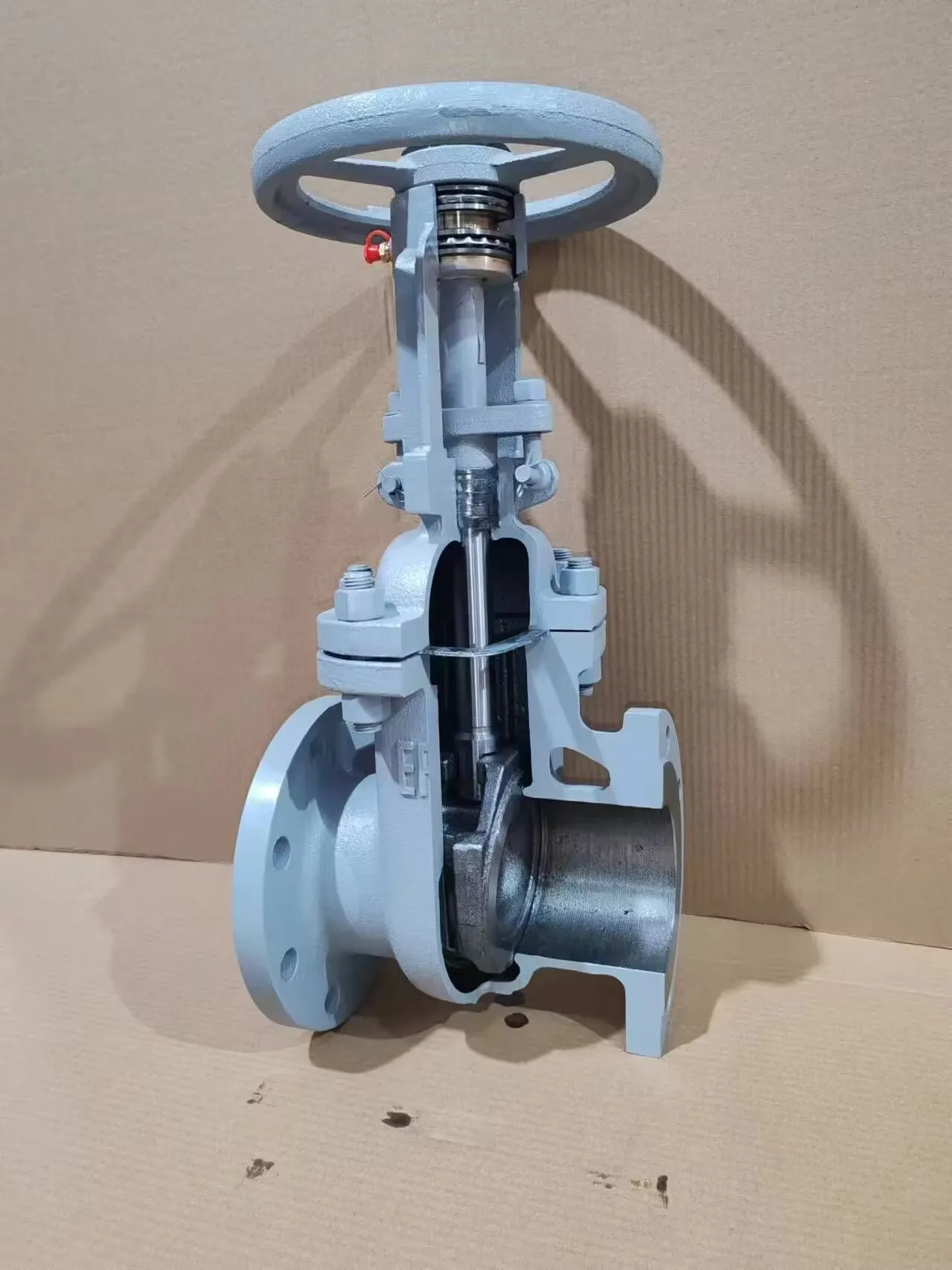
The china stem gate valve is a linear motion valve used to start or stop fluid flow. Positioned within the broader industrial valve landscape, it is a crucial component in process control across diverse sectors including oil and gas, water treatment, chemical processing, and power generation. Unlike quarter-turn valves (ball, butterfly), gate valves excel in applications requiring minimal pressure drop when fully open, making them well-suited for on/off service rather than throttling. The 'china stem' designation refers to a specific stem design commonly found in valves manufactured in China, characterized by a fully enclosed stem protected within the valve body, providing enhanced protection against corrosion and external damage. Core performance characteristics center around leak tightness, pressure rating, and durability under varying operating conditions. A primary industry pain point revolves around material selection for longevity in corrosive environments and ensuring consistent stem-to-disc sealing to prevent fugitive emissions.
Material Science & Manufacturing
The body of a china stem gate valve is typically constructed from cast iron (ASTM A126 Class B), ductile iron (ASTM A536 65-45-12), carbon steel (ASTM A105), or stainless steel (304/316). The choice depends heavily on the fluid handled and the operating temperature/pressure. Wedge designs – solid wedge, split wedge, parallel disc – each present differing sealing characteristics and are also material-dependent. Stem material commonly utilizes stainless steel (304/316) due to its corrosion resistance and ability to withstand repeated sliding action. Seat materials range from reinforced PTFE to metal-to-metal configurations, each offering trade-offs between sealing capability and temperature limitations. Manufacturing typically involves casting (for the body), machining (for the stem, disc, and seat), and welding processes. Critical parameter control during casting includes ensuring proper alloy composition and minimizing porosity. Machining tolerances for the stem and disc are paramount for achieving leak-tight closure. Welding procedures must adhere to ASME Section IX standards to guarantee weld integrity and prevent failures. Surface treatments like epoxy coating or galvanization are frequently applied to the valve body to enhance corrosion resistance. For stainless steel valves, passivation is crucial to restore the protective chromium oxide layer after machining and welding.
Performance & Engineering
Gate valve performance hinges on several key engineering considerations. Force analysis during operation involves assessing the stem thrust required to overcome friction and achieve full closure, factoring in the fluid pressure and gate area. Environmental resistance focuses on mitigating corrosion (both internal and external) and preventing erosion due to fluid velocity. Standards like API 6D dictate pressure and leak rate testing requirements. Specifically, API 6D defines shell testing, seat testing (bubble-tight and non-bubble-tight), and hydrostatic testing procedures. The stem packing system is critical for preventing leakage around the stem. Common packing materials include PTFE, graphite, and flax, often combined with compression followers. Compliance requirements vary by industry and geographic location; for example, potable water applications require valves compliant with NSF/ANSI 61 standards. Furthermore, valves intended for hazardous environments must meet ATEX or IECEx certification for explosion protection. Functional implementation involves selecting the appropriate actuator (handwheel, gear operator, pneumatic actuator, electric actuator) based on the required torque and control system integration. Understanding the fluid’s viscosity and temperature is vital for correctly sizing the actuator.
Technical Specifications
| Parameter | DN50 (2 inch) | DN100 (4 inch) | DN150 (6 inch) | DN200 (8 inch) |
|---|---|---|---|---|
| Pressure Rating (PN) | PN16 | PN16 | PN10 | PN6 |
| Body Material | Cast Iron | Ductile Iron | Carbon Steel | Carbon Steel |
| Stem Material | SS304 | SS304 | SS316 | SS316 |
| Seat Material | PTFE | PTFE | RTFE | RTFE |
| Connection Type | Flanged (ANSI B16.1) | Flanged (ANSI B16.1) | Welded End (API 5L) | Welded End (API 5L) |
| Leakage Rate (API 598) | Class VI | Class V | Class IV | Class III |
Failure Mode & Maintenance
Common failure modes in china stem gate valves include stem packing leakage (due to wear or improper compression), disc erosion (caused by abrasive particles in the fluid stream), seat damage (from improper seating or high differential pressure), and body corrosion (particularly in aggressive environments). Fatigue cracking can occur in the stem, especially under cyclic operation. Delamination of seat materials (like PTFE) can also lead to leakage. Oxidation of metallic components, particularly at elevated temperatures, weakens the material and contributes to failure. Maintenance strategies encompass regular inspection of the stem packing (replacing as needed), lubrication of the stem threads, and periodic visual inspection for corrosion or erosion. Non-destructive testing (NDT) methods like ultrasonic testing (UT) can detect internal flaws in the valve body and stem. For severe corrosion, complete valve replacement might be necessary. Implementing a preventive maintenance schedule based on operating hours and fluid characteristics is crucial for maximizing valve lifespan. Regular back-seating of the gate ensures proper contact between the disc and seat, preventing damage and leakage. When replacing parts, ensure compatibility of materials to avoid galvanic corrosion.
Industry FAQ
Q: What are the key differences between a wedge gate valve and a parallel disc gate valve in terms of sealing performance?
A: Wedge gate valves utilize a wedge-shaped disc that seals against angled seats, providing a tighter seal and making them preferable for higher pressure applications. Parallel disc gate valves, with their parallel-sided disc, rely on line pressure for sealing, offering lower friction but less effective sealing at lower pressures. Parallel disc valves are often used in applications where frequent operation and low pressure drop are critical.
Q: How does the material selection of the stem impact the overall longevity of the valve, specifically in corrosive fluids?
A: Stem material is critical. Carbon steel stems are susceptible to corrosion in many fluids, leading to increased friction, eventual seizure, and leakage. Stainless steel (304/316) offers significantly improved corrosion resistance. For extremely corrosive environments, alloy materials like Hastelloy or Inconel might be necessary, though considerably more expensive.
Q: What is the significance of API 6D certification, and what does it guarantee regarding valve quality and performance?
A: API 6D certification is a widely recognized industry standard that verifies a valve manufacturer's quality control system and the valve's adherence to specific performance and testing requirements. It guarantees that the valve has undergone rigorous testing for shell integrity, seat leakage, and operational functionality, ensuring a certain level of reliability and safety.
Q: What are the potential consequences of improper stem packing, and how can this be effectively addressed?
A: Improper stem packing leads to stem leakage, posing both safety and environmental hazards. It can also cause corrosion of the stem and surrounding components. Effective addressing involves selecting the correct packing material for the fluid and temperature, ensuring proper packing gland compression, and regularly inspecting and replacing the packing as needed. Using a stem packing follower is also crucial.
Q: How does fluid velocity affect the choice between a gate valve and a ball valve for a specific application?
A: Gate valves are not ideal for throttling applications due to the high velocity of fluid across the disc, leading to erosion and damage. Ball valves, with their quarter-turn operation, are better suited for applications requiring frequent operation and throttling. Gate valves excel in on/off service where minimal pressure drop is desired, and the fluid velocity can be controlled by other means.
Conclusion
The china stem gate valve remains a vital component in fluid control systems, offering a cost-effective solution for on/off isolation. Successful implementation requires meticulous attention to material selection, manufacturing precision, and adherence to relevant industry standards like API 6D. Understanding the specific application demands – fluid type, pressure, temperature, and frequency of operation – is paramount for selecting the optimal valve configuration and ensuring long-term reliability.
Future developments in gate valve technology will likely focus on enhanced sealing materials, improved corrosion resistance coatings, and the integration of smart sensors for remote monitoring and predictive maintenance. Addressing the industry's pain points regarding fugitive emissions and operational longevity will be key to maintaining the gate valve's position as a cornerstone of industrial process control.
-
The Essential Guide to Dual Plate Check Valves
-
Swing Check Valve Types: Reliable Flow Control & Backflow Prevention
-
Top Reasons to Choose a Stainless Steel Flange Check Valve for Industrial Applications
-
solenoid valve 3 way 2 position Performance Analysis
-
micro solenoid valve Performance Analysis
-
solenoid ball valve Performance Analysis
-
micro solenoid valves Performance Engineering
-
solenoid ball valves Performance Analysis
-
solenoid valve 5 2 Performance Analysis
-
solenoid valve stainless steel Performance Analysis
-
stainless steel solenoid valves Performance Analysis
-
solenoid valve 5/2 Performance Analysis
-
cryogenic solenoid valve Performance Analysis
-
direct acting solenoid valve Performance Analysis
-
miniature solenoid valve Performance Analysis
 Afrikaans
 Albanian
 Amharic
 Arabic
 Armenian
 Azerbaijani
 Basque
 Belarusian
 Bengali
 Bosnian
 Bulgarian
 Catalan
 Cebuano
 Corsican
 Croatian
 Czech
Czech
 Danish
 Dutch
Dutch
 Esperanto
 Estonian
 Finnish
 French
 Frisian
 Galician
 Georgian
 German
 Greek
Greek
 Gujarati
 Haitian Creole
 Hausa
Hawaiian
Hausa
Hawaiian
 Hebrew
 Hindi
Hindi
 Miao
Miao
 Hungarian
 Icelandic
 Igbo
Igbo
 Indonesian
 Irish
Irish
 Italian
 Japanese
 Javanese
Kannada
Javanese
Kannada
 Kazakh
 Khmer
Khmer
 Rwandese
 Korean
 Kurdish
 Kyrgyz
 Lao
Lao
 Latin
Latin
 Latvian
 Lithuanian
 Luxembourgish
 Macedonian
 Malgashi
 Malay
Malay
 Malayalam
 Maltese
 Maori
Maori
 Marathi
 Mongolian
 Myanmar
 Nepali
 Norwegian
 Norwegian
 Occitan
 Pashto
 Persian
 Polish
 Portuguese
Punjabi
Portuguese
Punjabi
 Romanian
 Russian
 Samoan
 Scottish Gaelic
 Serbian
 Sesotho
 Shona
Shona
 Sindhi
 Sinhala
 Slovak
 Slovenian
 Somali
 Spanish
 Sundanese
 Swahili
 Swedish
Tagalog
Swedish
Tagalog
 Tajik
Tajik
 Tamil
Tamil
 Tatar
Tatar
 Telugu
 Thai
Thai
 Turkish
 Turkmen
 Ukrainian
 Urdu
Urdu
 Uighur
 Uzbek
Uzbek
 Vietnamese
 Welsh
Welsh
 Bantu
Bantu
 Yiddish
 Yoruba
 Zulu
Zulu
 English