




china threaded globe valve Performance Analysis
Introduction
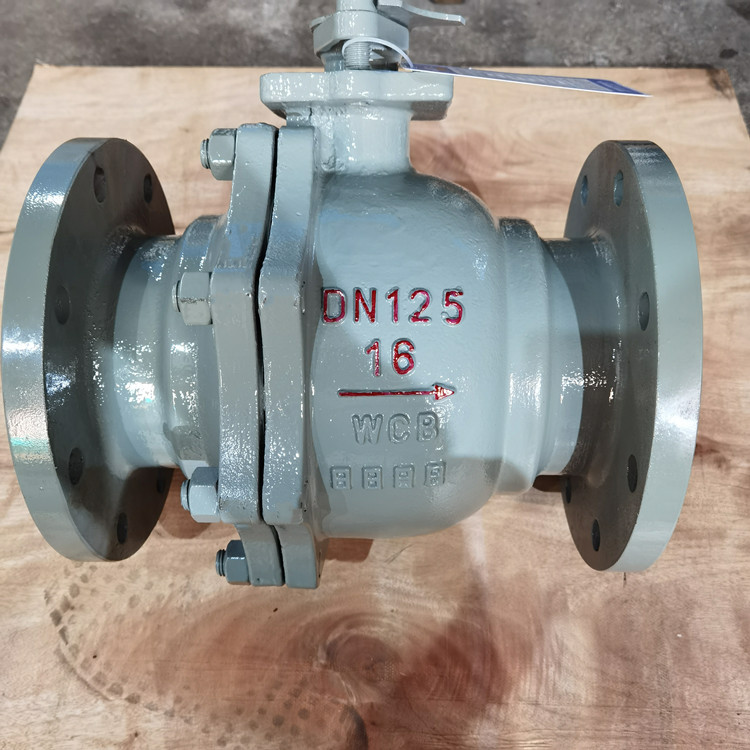
China threaded globe valves are quarter-turn valves utilized to regulate flow within pipelines. Positioned within the fluid control industry, these valves fall between simpler gate valves designed for on/off service and more complex control valves emphasizing precision. Their primary function is throttling – restricting or increasing flow – and are commonly employed in applications where frequent adjustment is needed. The “china” designation refers to the threaded connection style, adhering to national standards for pipe threading. Core performance characteristics include tight shut-off capabilities, relatively low pressure drop when fully open, and suitability for a wide range of fluids. A significant industry pain point is ensuring long-term sealing integrity under fluctuating temperatures and pressures, and selecting materials compatible with corrosive media. Their cost-effectiveness and relative simplicity contribute to their widespread adoption in water treatment, HVAC, and general industrial processes.
Material Science & Manufacturing
The body of a china threaded globe valve is typically constructed from materials like cast iron (ASTM A126 Class B), ductile iron (ASTM A536 65-45-12), or brass (ASTM B16). Cast iron provides cost-effectiveness and acceptable strength for lower pressure applications. Ductile iron offers significantly enhanced tensile strength and impact resistance, crucial for higher pressure and temperature services. Brass valves are preferred for potable water systems due to their lead-free characteristics and corrosion resistance. The internal components – disc and seat – are often manufactured from materials like stainless steel (304, 316) or PTFE (Polytetrafluoroethylene) for sealing. Stainless steel provides durability and resistance to corrosion, while PTFE offers a low coefficient of friction and excellent chemical inertness.
Manufacturing begins with creating the valve body through sand casting or investment casting. Sand casting is cost-effective for large production runs but yields a rougher surface finish, necessitating machining. Investment casting provides superior dimensional accuracy and surface finish but is more expensive. Following body creation, machining operations are performed to create precise internal geometries and threaded connections, adhering to NPT (National Pipe Thread) or BSPT (British Standard Pipe Thread) standards. The disc is typically formed through forging or machining, followed by heat treatment to achieve the required hardness and toughness. Seat installation involves precision machining or compression fitting. Critical parameters during manufacturing include dimensional accuracy of the bore and seat, surface roughness to ensure a tight seal, and thread quality to prevent leakage. Quality control incorporates hydrostatic testing to verify the body’s pressure integrity and visual inspection to identify surface defects. Thread gauging is performed to confirm adherence to specified thread standards.
Performance & Engineering
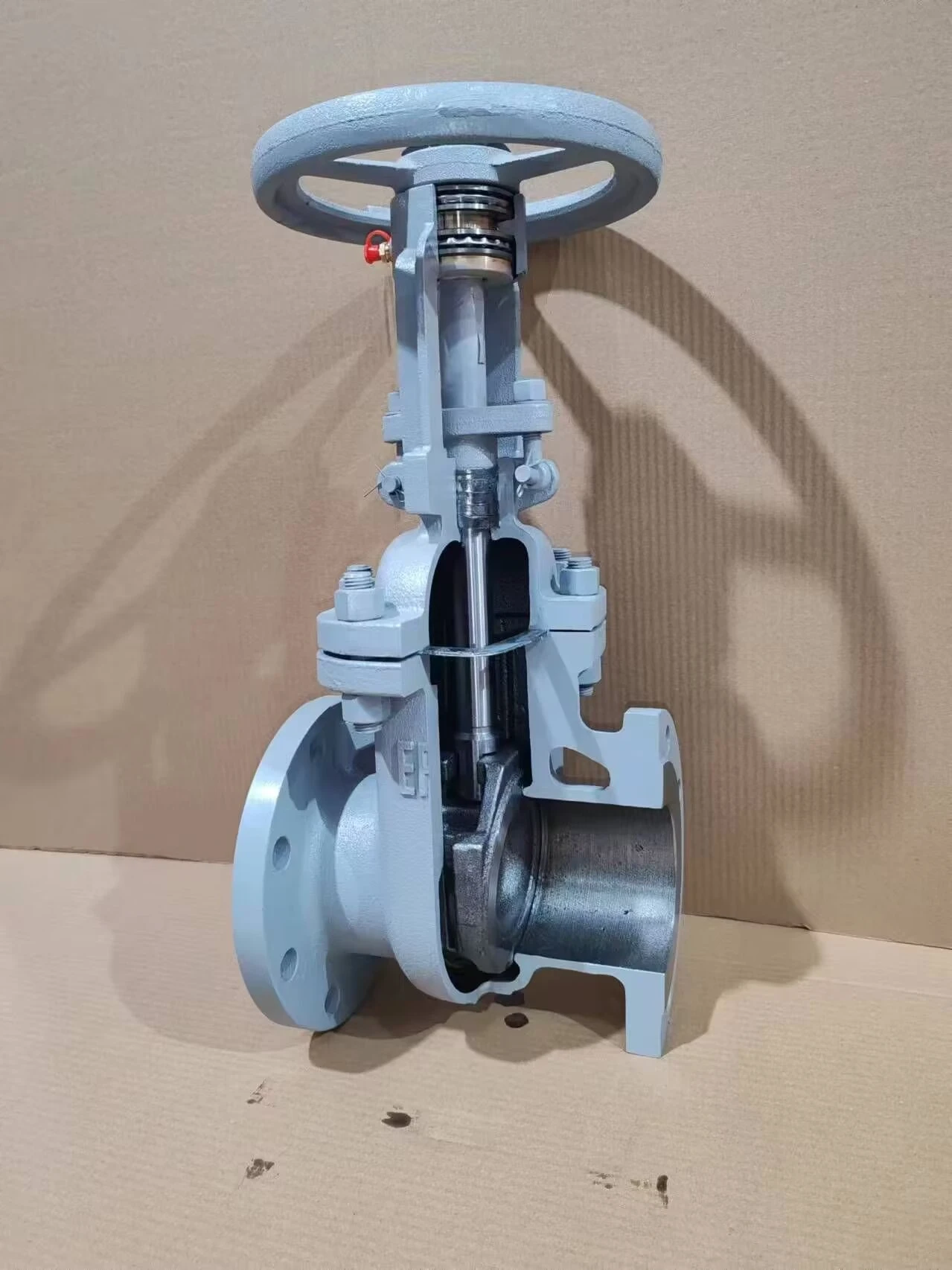
The performance of a china threaded globe valve hinges on its ability to effectively throttle flow and provide a reliable shut-off. Force analysis centers around the stem-disc interface, subjected to fluid pressure and operator torque. The stem is engineered to withstand bending moments and shear stresses induced by the disc. The seat material's resilience is crucial for maintaining a leak-tight seal under varying pressures. Environmental resistance is critical; prolonged exposure to corrosive fluids can lead to material degradation and valve failure. Material selection must consider the fluid's pH, chemical composition, and temperature. Valves intended for outdoor use require coatings or materials resistant to UV radiation and weathering.
Compliance requirements vary based on the application and region. For potable water applications, valves must comply with NSF/ANSI 61 standards to ensure they do not leach harmful contaminants into the water supply. Industrial applications often require adherence to API 600, which outlines performance standards for gate, globe, and check valves. Pressure testing is performed in accordance with API 598 to verify the valve's ability to withstand specified pressure ratings. Functional implementation relies on a robust stem design and a precise disc-seat alignment. Valve actuators (manual handwheels or automated actuators) are engineered to provide sufficient torque for opening and closing the valve against maximum flow resistance. Cavitation, a phenomenon where vapor bubbles form and collapse within the valve, can erode valve components; proper valve sizing and flow control are essential to mitigate this risk.
Technical Specifications
| Parameter | Units | Typical Value (Cast Iron) | Typical Value (Ductile Iron) |
|---|---|---|---|
| Maximum Working Pressure | PSI | 200 | 600 |
| Temperature Range | °F | -20 to 250 | -20 to 350 |
| Connection Type | - | NPT/BSPT | NPT/BSPT |
| Body Material | - | Cast Iron (A126 B) | Ductile Iron (A536 65-45-12) |
| Disc Material | - | Brass/Stainless Steel | Stainless Steel (316) |
| Seat Material | - | PTFE | PTFE |
Failure Mode & Maintenance
China threaded globe valves are susceptible to several failure modes. Fatigue cracking can occur in the stem or disc due to cyclical loading, especially under high-frequency operation. Corrosion, particularly galvanic corrosion if dissimilar metals are used, can degrade valve components, leading to leakage. Erosion, caused by abrasive particles in the fluid stream, can wear down the disc and seat, compromising sealing integrity. Seat deformation or damage can also result in leakage. Oxidation of metal components can lead to reduced strength and increased susceptibility to corrosion.
Preventive maintenance is crucial for extending valve life. Regular inspection should include visual checks for corrosion, leakage, and damage. Lubrication of the stem threads is essential for smooth operation and preventing seizing. Periodic testing of the valve's shut-off capability should be performed. In case of leakage, the seat may need to be replaced. If the stem is damaged, the entire valve may require replacement. For valves handling corrosive fluids, periodic inspection and replacement of internal components may be necessary. Flushing the valve regularly to remove debris can prevent erosion and seat damage. Maintaining accurate records of maintenance activities is vital for tracking valve performance and identifying potential issues.
Industry FAQ
Q: What is the primary difference between a globe valve and a gate valve in terms of flow control?
A: Globe valves are designed for throttling and frequent flow adjustment, utilizing a disc that moves perpendicular to the flow path, creating significant resistance. Gate valves, conversely, are primarily for on/off service; they offer minimal flow resistance when fully open but are not suitable for precise throttling. The globe valve’s design allows for greater control, while the gate valve prioritizes unobstructed flow.
Q: How does the choice of seat material impact the valve's performance with different fluids?
A: The seat material must be chemically compatible with the fluid to prevent degradation and ensure a tight seal. PTFE seats are suitable for a wide range of corrosive fluids, while elastomeric seats are preferred for specific applications. Incompatible materials can swell, shrink, or dissolve, leading to leakage and valve failure. Careful material selection is paramount.
Q: What are the common causes of stem packing leakage and how can it be addressed?
A: Stem packing leakage is often caused by wear of the packing material, loosening of the packing gland, or thermal expansion/contraction. Addressing this involves tightening the packing gland (carefully, to avoid over-compression), replacing the packing material with a compatible type, or ensuring proper lubrication.
Q: What considerations should be made when selecting a globe valve for high-temperature applications?
A: High-temperature applications require materials with excellent thermal stability and resistance to creep. Ductile iron or stainless steel are typically preferred over cast iron. The seat material must also withstand the elevated temperature without degrading. Thermal expansion effects must be accounted for in the valve design and installation.
Q: How important is hydrostatic testing, and what does it verify?
A: Hydrostatic testing is critical for verifying the structural integrity of the valve body. The valve is subjected to a pressure significantly higher than its maximum working pressure to identify any leaks or structural weaknesses. It confirms the valve can withstand its rated pressure without failure, ensuring safe operation.
Conclusion
China threaded globe valves represent a versatile and cost-effective solution for flow control in diverse industrial applications. Their effectiveness is intrinsically linked to careful material selection, precision manufacturing, and diligent maintenance. Understanding the material properties, potential failure modes, and relevant industry standards is crucial for ensuring reliable and long-term performance.
Future trends will likely focus on developing globe valves with enhanced sealing capabilities, improved corrosion resistance through advanced coatings, and integration of smart technology for remote monitoring and control. Continuous improvement in manufacturing processes, coupled with a deeper understanding of fluid dynamics, will lead to even more efficient and reliable valve designs.
-
Raised Face Flange Performance Analysis
-
Threaded Flanges Performance Analysis
-
uni flange Performance Analysis
-
Thread Flange Material Science and Performance
-
Flange Welding Performance Analysis
-
Flanged Couplings Performance Analysis
-
female thread ball valve Performance Analysis
-
1/2 ball valve Material Science Manufacturing
-
gas ball valves Performance Engineering
-
2 inch ball valves Performance Analysis
-
motorized ball valve Performance Analysis
-
floating ball valve Performance Analysis
-
ball valve stainless steel Performance Analysis
-
gate valve stainless steel Performance Analysis
-
dn200 gate valve Performance Analysis
 Afrikaans
 Albanian
 Amharic
 Arabic
 Armenian
 Azerbaijani
 Basque
 Belarusian
 Bengali
 Bosnian
 Bulgarian
 Catalan
 Cebuano
 Corsican
 Croatian
 Czech
Czech
 Danish
 Dutch
Dutch
 Esperanto
 Estonian
 Finnish
 French
 Frisian
 Galician
 Georgian
 German
 Greek
Greek
 Gujarati
 Haitian Creole
 Hausa
Hawaiian
Hausa
Hawaiian
 Hebrew
 Hindi
Hindi
 Miao
Miao
 Hungarian
 Icelandic
 Igbo
Igbo
 Indonesian
 Irish
Irish
 Italian
 Japanese
 Javanese
Kannada
Javanese
Kannada
 Kazakh
 Khmer
Khmer
 Rwandese
 Korean
 Kurdish
 Kyrgyz
 Lao
Lao
 Latin
Latin
 Latvian
 Lithuanian
 Luxembourgish
 Macedonian
 Malgashi
 Malay
Malay
 Malayalam
 Maltese
 Maori
Maori
 Marathi
 Mongolian
 Myanmar
 Nepali
 Norwegian
 Norwegian
 Occitan
 Pashto
 Persian
 Polish
 Portuguese
Punjabi
Portuguese
Punjabi
 Romanian
 Russian
 Samoan
 Scottish Gaelic
 Serbian
 Sesotho
 Shona
Shona
 Sindhi
 Sinhala
 Slovak
 Slovenian
 Somali
 Spanish
 Sundanese
 Swahili
 Swedish
Tagalog
Swedish
Tagalog
 Tajik
Tajik
 Tamil
Tamil
 Tatar
Tatar
 Telugu
 Thai
Thai
 Turkish
 Turkmen
 Ukrainian
 Urdu
Urdu
 Uighur
 Uzbek
Uzbek
 Vietnamese
 Welsh
Welsh
 Bantu
Bantu
 Yiddish
 Yoruba
 Zulu
Zulu
 English