




china water control valve Performance Analysis
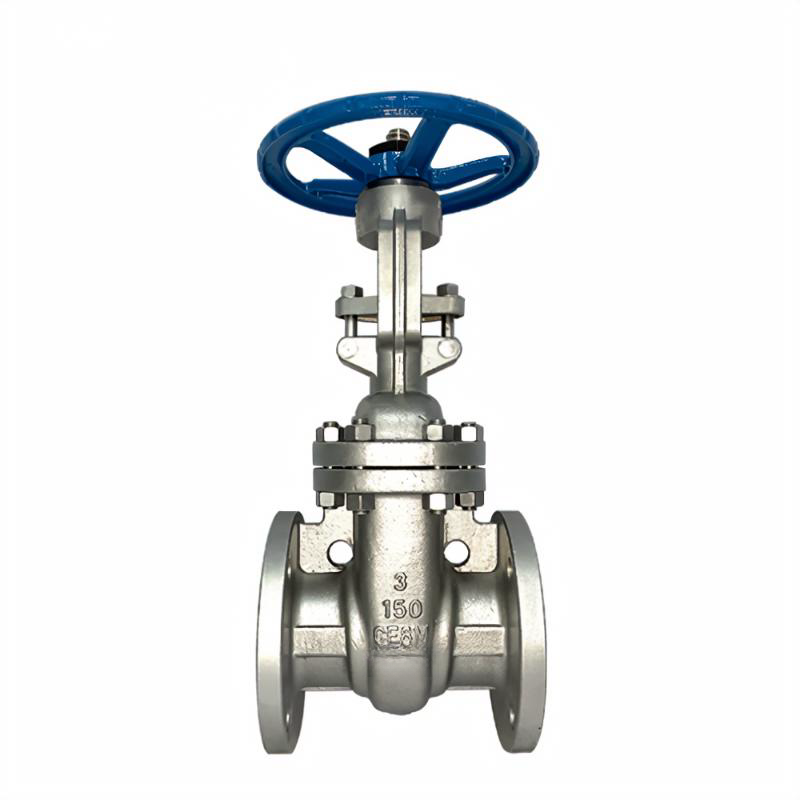
Introduction
China water control valves are essential components in fluid management systems across diverse industrial sectors, including water treatment, power generation, and chemical processing. These valves regulate, direct, and control the flow of water, steam, and other process fluids. Their technical positioning within the industrial chain is critical, serving as the interface between system control logic and the physical delivery of fluids. Core performance characteristics revolve around precise flow control, leak-tight shutoff, durability under varying pressure and temperature conditions, and adherence to stringent safety and environmental regulations. The increasing demand for efficient water management and process optimization drives the evolution of these valves, focusing on automation, remote monitoring, and intelligent control capabilities. The Chinese manufacturing landscape provides a substantial production capacity, offering both standard and customized valve solutions to a global clientele. Key performance indicators include coefficient of flow (Cv), pressure drop, sealing class, and operational lifespan.
Material Science & Manufacturing
The predominant materials used in China water control valve construction are ductile iron, stainless steel (304, 316), carbon steel, bronze, and polymeric materials like PTFE and EPDM for seals. Ductile iron offers a robust cost-effective body material with good corrosion resistance when properly coated. Stainless steels provide superior corrosion resistance, particularly in aggressive chemical environments, but at a higher cost. Carbon steel is often used for high-pressure applications, requiring protective coatings to prevent corrosion. Manufacturing processes vary depending on valve type and size. Globe valves, gate valves, and ball valves typically involve investment casting or sand casting for the body, followed by machining for precise dimensions and surface finish. Valve stems are often manufactured from stainless steel, induction hardened for wear resistance. Actuation mechanisms, whether manual, pneumatic, or electric, necessitate precision machining of gears, linkages, and housing components. Welding processes, such as shielded metal arc welding (SMAW) or gas tungsten arc welding (GTAW), are crucial for joining components, demanding qualified welders and stringent quality control. The polymeric seals are produced through injection molding, ensuring dimensional accuracy and consistency. Critical parameter control during manufacturing includes maintaining tight tolerances on bore diameters, ensuring smooth valve seat surfaces for leak-tight sealing, and verifying the hardness and chemical composition of materials.
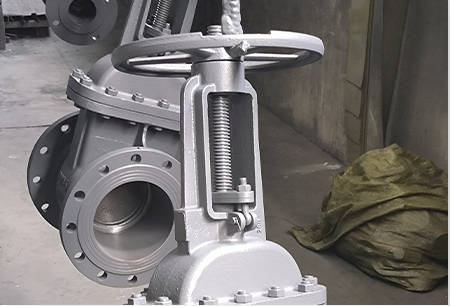
Performance & Engineering
Performance evaluation of China water control valves hinges on rigorous testing protocols addressing pressure containment, flow characteristics, and sealing integrity. Force analysis is paramount, particularly concerning the torque required for valve operation and the stresses induced on valve components under maximum differential pressure. Environmental resistance is a crucial factor, requiring assessment of the valve's performance in varying temperature ranges, exposure to corrosive fluids, and susceptibility to UV degradation for outdoor installations. Compliance requirements are dictated by international standards (discussed in the footer) and industry-specific regulations. For instance, valves used in potable water systems must meet NSF/ANSI 61 standards. Functional implementation involves careful consideration of flow coefficients (Cv) to match valve capacity to system demand, minimizing pressure drop and ensuring efficient operation. Actuation systems require detailed engineering analysis, including sizing of pneumatic cylinders or electric motors, and selection of appropriate control algorithms for precise flow regulation. Finite Element Analysis (FEA) is frequently employed to simulate stress distribution within valve components, optimizing design for enhanced structural integrity. Cavitation, a destructive phenomenon caused by rapid pressure fluctuations, must be mitigated through careful valve design and operating parameter control. Leakage rates are quantified using standardized leak tests, ensuring adherence to specified sealing classes.
Technical Specifications
| Valve Type | Maximum Operating Pressure (PSI) | Temperature Range (°F) | Connection Type |
|---|---|---|---|
| Gate Valve | 200 | -20 to 350 | Flanged |
| Globe Valve | 250 | -4 to 400 | Threaded/Flanged |
| Ball Valve | 500 | -60 to 450 | Socket Weld/Butt Weld |
| Butterfly Valve | 150 | 0 to 250 | Wafer/Lug |
| Check Valve | 200 | -20 to 350 | Flanged/Threaded |
| Control Valve | 300 | -4 to 450 | Flanged |
Failure Mode & Maintenance
Common failure modes in China water control valves include seat erosion due to abrasive particles in the fluid, stem packing failure leading to leakage, corrosion of valve body materials, fatigue cracking under cyclic loading, and actuator malfunction. Failure analysis often reveals root causes related to improper material selection, inadequate corrosion protection, exceeding pressure or temperature limits, or insufficient maintenance. Seat erosion is addressed through the use of hardened seat materials or the implementation of filtration systems. Stem packing failure is mitigated by using high-quality packing materials and ensuring proper compression. Corrosion is prevented through the application of protective coatings (epoxy, polyurethane) or the selection of corrosion-resistant alloys. Fatigue cracking can be minimized by employing stress relief techniques during manufacturing and avoiding excessive operating pressures. Actuator malfunctions require diagnostics and repair or replacement of affected components. Preventative maintenance is crucial, encompassing regular inspection of valve components, lubrication of moving parts, testing of sealing integrity, and calibration of actuators. Scheduled replacement of worn parts, such as seals and packing, extends valve lifespan and minimizes downtime. Proper storage of valves during periods of inactivity is also essential to prevent corrosion and degradation. Ultrasonic testing can detect internal cracks and defects before they lead to catastrophic failure.
Industry FAQ
Q: What are the key differences between gate valves and ball valves in terms of flow control and application suitability?
A: Gate valves provide excellent shut-off capabilities but are not ideal for throttling flow due to potential erosion of the gate and seat. Ball valves offer precise flow control and quick opening/closing, making them suitable for applications requiring frequent operation and modulation. Gate valves are typically used for on/off service in applications where minimal pressure drop is desired, while ball valves are preferred for applications requiring variable flow rates.
Q: How does the material of construction impact the corrosion resistance of a water control valve in a saltwater environment?
A: Saltwater environments are highly corrosive. Carbon steel valves will corrode rapidly without adequate protection. Ductile iron with a robust epoxy coating provides moderate corrosion resistance. Stainless steel (316) offers significantly superior corrosion resistance due to its molybdenum content, forming a passive layer that inhibits corrosion. Alloy materials like Duplex Stainless Steel are optimal for severe saltwater applications.
Q: What is the significance of the ‘Cv’ value in valve selection?
A: The Cv value (Coefficient of Flow) represents the valve's capacity to pass a specific fluid at a specific pressure drop. It’s a critical parameter for matching the valve's capacity to the system's flow requirements. An undersized valve will cause excessive pressure drop, while an oversized valve may not provide accurate flow control.
Q: What are the common causes of leakage in a control valve and how can they be addressed?
A: Common causes include wear or damage to the valve seat, deterioration of the valve packing, corrosion of valve components, and debris trapped in the valve. Addressing leakage involves replacing worn seats and packing, repairing or replacing corroded components, and implementing filtration to remove debris. Regular inspection and preventative maintenance are crucial.
Q: What is the role of actuator selection in the overall performance of a control valve?
A: The actuator provides the force to position the valve based on a control signal. Proper actuator selection is crucial for accurate and reliable flow control. Factors to consider include the required torque, speed of response, power source (pneumatic, electric, hydraulic), and environmental conditions. An improperly sized or selected actuator can lead to inaccurate positioning, slow response times, and premature failure.
Conclusion
China water control valves are critical components in numerous industrial processes, demanding careful consideration of material science, manufacturing precision, and performance engineering. The selection process must prioritize compatibility with the application's fluid, pressure, temperature, and environmental conditions. Understanding potential failure modes and implementing robust preventative maintenance strategies are vital for ensuring long-term reliability and minimizing downtime.
The continued evolution of these valves will focus on intelligent control systems, remote monitoring capabilities, and the integration of advanced materials for enhanced corrosion resistance and extended service life. Adherence to international standards and rigorous quality control are paramount for ensuring the safe and efficient operation of these essential fluid management components.
-
megalug flange Performance and Engineering
-
Plate Flange Performance Analysis
-
Reducing Flange Performance Analysis
-
Sealing Flange Performance Analysis
-
Turbo Flanges Performance Analysis
-
Screwed Flange Performance Analysis
-
Screwed Flanges Performance Analysis
-
Screw Flanges Performance Analysis
-
weld neck flanges Performance Analysis
-
welding neck flange Material Science Manufacturing
-
Raised Face Flange Performance Analysis
-
Threaded Flanges Performance Analysis
-
uni flange Performance Analysis
-
Thread Flange Material Science and Performance
-
Flange Welding Performance Analysis
 Afrikaans
 Albanian
 Amharic
 Arabic
 Armenian
 Azerbaijani
 Basque
 Belarusian
 Bengali
 Bosnian
 Bulgarian
 Catalan
 Cebuano
 Corsican
 Croatian
 Czech
Czech
 Danish
 Dutch
Dutch
 Esperanto
 Estonian
 Finnish
 French
 Frisian
 Galician
 Georgian
 German
 Greek
Greek
 Gujarati
 Haitian Creole
 Hausa
Hawaiian
Hausa
Hawaiian
 Hebrew
 Hindi
Hindi
 Miao
Miao
 Hungarian
 Icelandic
 Igbo
Igbo
 Indonesian
 Irish
Irish
 Italian
 Japanese
 Javanese
Kannada
Javanese
Kannada
 Kazakh
 Khmer
Khmer
 Rwandese
 Korean
 Kurdish
 Kyrgyz
 Lao
Lao
 Latin
Latin
 Latvian
 Lithuanian
 Luxembourgish
 Macedonian
 Malgashi
 Malay
Malay
 Malayalam
 Maltese
 Maori
Maori
 Marathi
 Mongolian
 Myanmar
 Nepali
 Norwegian
 Norwegian
 Occitan
 Pashto
 Persian
 Polish
 Portuguese
Punjabi
Portuguese
Punjabi
 Romanian
 Russian
 Samoan
 Scottish Gaelic
 Serbian
 Sesotho
 Shona
Shona
 Sindhi
 Sinhala
 Slovak
 Slovenian
 Somali
 Spanish
 Sundanese
 Swahili
 Swedish
Tagalog
Swedish
Tagalog
 Tajik
Tajik
 Tamil
Tamil
 Tatar
Tatar
 Telugu
 Thai
Thai
 Turkish
 Turkmen
 Ukrainian
 Urdu
Urdu
 Uighur
 Uzbek
Uzbek
 Vietnamese
 Welsh
Welsh
 Bantu
Bantu
 Yiddish
 Yoruba
 Zulu
Zulu
 English