




High Pressure Pipe Fittings Performance Analysis
Introduction
High pressure pipe fittings are critical components in fluid transfer systems operating at elevated pressures and temperatures. These fittings, encompassing elbows, tees, reducers, couplings, and flanges, are engineered to maintain the integrity of the system and prevent leakage or failure. Their technical position within the broader industry chain lies between the manufacturing of pipes and the final application – be it in oil and gas, petrochemical processing, power generation, or hydraulic systems. Core performance metrics for these fittings revolve around pressure rating, material compatibility with the conveyed fluid, dimensional accuracy to ensure leak-proof sealing, and resistance to corrosion and erosion. A key industry pain point is ensuring compliance with stringent safety regulations and maintaining consistent performance under extreme operating conditions, particularly in high-temperature, high-pressure environments. The selection of appropriate fittings is paramount to system reliability and safety, requiring careful consideration of material selection, manufacturing processes, and operational parameters.
Material Science & Manufacturing
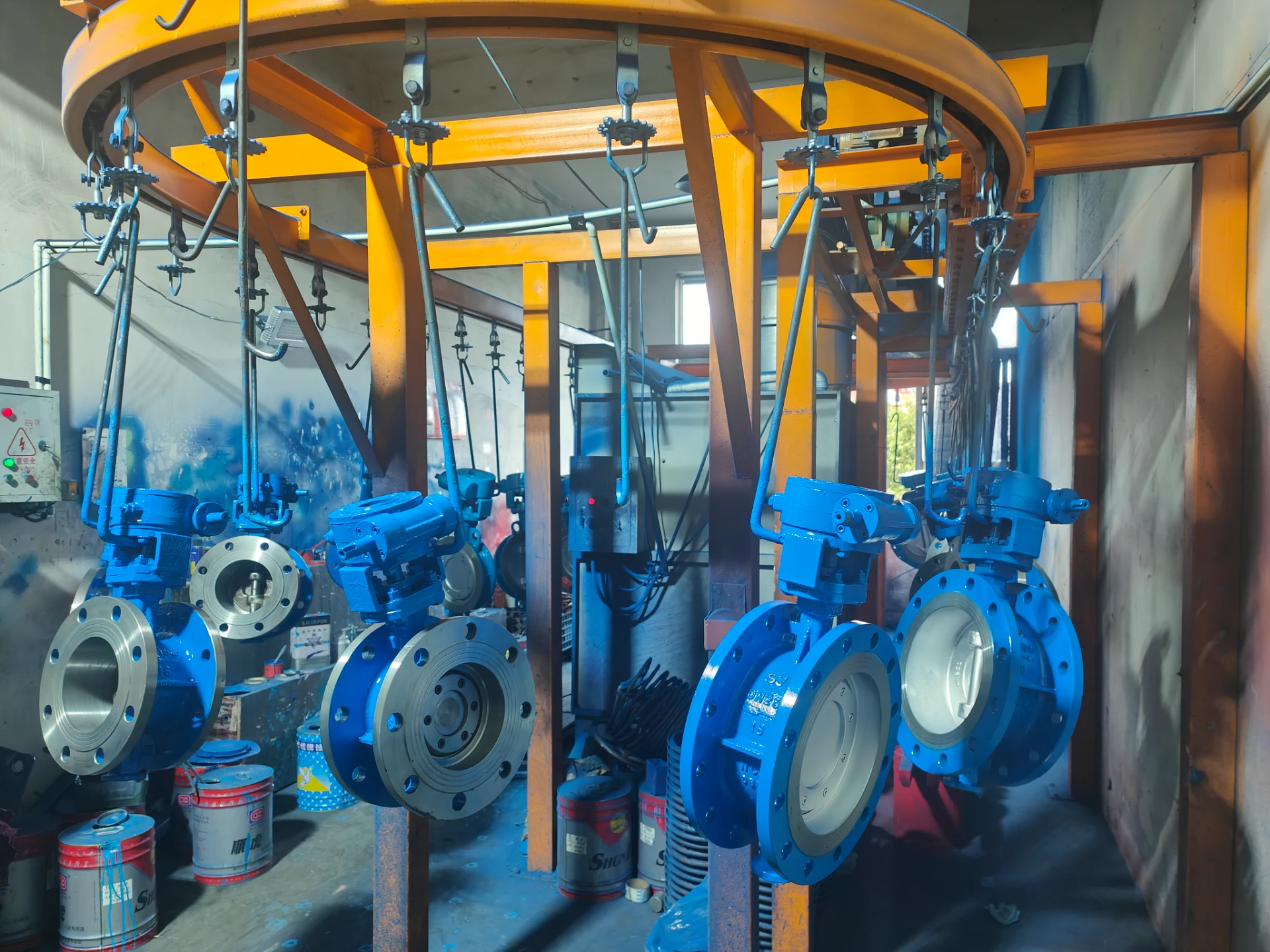
The manufacturing of high-pressure pipe fittings relies heavily on material science to withstand demanding conditions. Common materials include carbon steel (ASTM A105, A36), alloy steels (ASTM A182 F22, F91), stainless steel (304, 316, duplex stainless steels), and specialized alloys like Inconel and Hastelloy for highly corrosive environments. Carbon steel, favored for its cost-effectiveness, undergoes processes like forging, machining, and threading. Alloy steels offer enhanced strength and toughness, often employed in critical applications. Stainless steels provide superior corrosion resistance. The manufacturing process often begins with raw material procurement followed by forging to establish the initial shape. This is followed by precision machining, utilizing CNC lathes and milling machines to achieve dimensional accuracy. Welding processes, such as Gas Tungsten Arc Welding (GTAW) and Shielded Metal Arc Welding (SMAW), are used for fabrication and repair, requiring strict adherence to welding procedures (WPS) and welder qualification standards (PQR). Critical parameters include welding temperature, shielding gas composition, and weld bead geometry. Heat treatment, like annealing or quenching and tempering, is frequently employed to modify the material’s microstructure and improve its mechanical properties. Non-destructive testing (NDT) methods, including radiography, ultrasonic testing, and liquid penetrant inspection, are essential to verify weld integrity and detect flaws. Surface treatments like galvanizing or epoxy coating provide additional corrosion protection. Chemical compatibility testing, assessing material resistance to the specific fluid being conveyed, is a crucial step in the manufacturing process.
Performance & Engineering
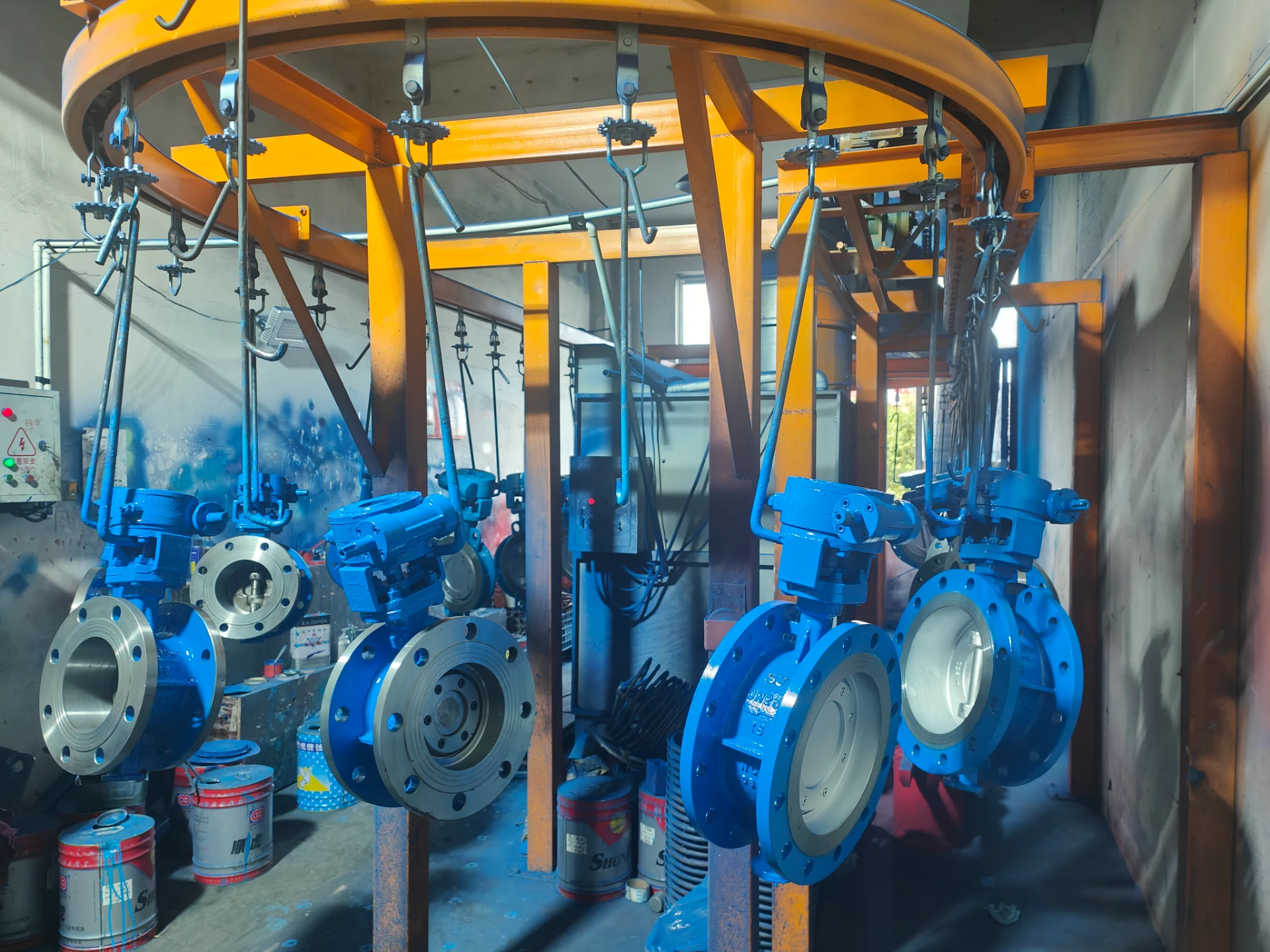
Performance of high-pressure pipe fittings is dictated by several engineering considerations. Force analysis is paramount; fittings must withstand internal pressure, external loads (bending moments, tensile stresses), and thermal stresses caused by temperature fluctuations. Finite Element Analysis (FEA) is routinely used to model stress distribution and optimize fitting geometry. Environmental resistance is crucial. Corrosion, erosion, and oxidation are primary concerns, especially in aggressive environments. Material selection plays a key role, and protective coatings are often applied. Compliance with industry standards such as ASME B31.3 (Process Piping), API 6A (Wellhead and Christmas Tree Equipment), and ISO 13624 (Casing and Tubing Connections) is non-negotiable. These standards dictate design parameters, material specifications, testing procedures, and documentation requirements. Functional implementation details involve the selection of appropriate sealing mechanisms, such as threaded connections with sealant, gasketed flange connections, or specialized high-pressure seals. Leak testing, often involving hydrostatic pressure testing to 1.5 times the working pressure, is critical to verify the integrity of the fitting. Consideration must also be given to thermal expansion and contraction, requiring the use of expansion joints or flexible connectors to prevent stress buildup. Fatigue analysis is vital for fittings subjected to cyclic loading, such as those in pulsating flow systems. Proper selection of materials with high fatigue strength and careful design to minimize stress concentrations are essential.
Technical Specifications
| Pressure Rating (PSI) | Material Grade | Temperature Range (°C) | Connection Type |
|---|---|---|---|
| 2000 | ASTM A105 Carbon Steel | -20 to 100 | Threaded (NPT) |
| 5000 | ASTM A182 F304 Stainless Steel | -196 to 200 | Welded |
| 10000 | ASTM A182 F22 Alloy Steel | -30 to 370 | Flanged (RF) |
| 15000 | Duplex Stainless Steel (UNS S31803) | -50 to 250 | Flanged (RTJ) |
| 20000 | Inconel 625 | -196 to 427 | Welded |
| 1000 | PVC (Schedule 80) | 0 to 60 | Socket Weld |
Failure Mode & Maintenance
High-pressure pipe fittings are susceptible to various failure modes. Fatigue cracking, initiated by cyclic loading, is common, particularly near stress concentrators like threads or welds. Corrosion, both general and localized (pitting, crevice corrosion), degrades material strength and can lead to leakage. Erosion, caused by abrasive particles in the fluid stream, wears away material. Galvanic corrosion can occur when dissimilar metals are in contact. Thread damage, resulting from improper installation or over-tightening, is a frequent issue. Failure analysis often reveals microstructural defects, such as inclusions or voids, that initiated the failure. Leakage, the most obvious failure mode, can stem from seal failure, thread damage, or corrosion. Maintenance is crucial to prevent failures. Regular visual inspections for signs of corrosion, erosion, or leakage are essential. Torque checks on threaded connections should be performed periodically. Preventive maintenance schedules should include lubrication of threads and seals. Non-destructive testing (NDT) can detect hidden flaws. Damaged fittings should be replaced immediately. For welded fittings, regular weld inspections and repairs are necessary. Proper storage of fittings is also important to prevent corrosion or damage. Establishing a detailed maintenance log and adhering to manufacturer’s recommendations are vital for maximizing the service life of these critical components.
Industry FAQ
Q: What is the significance of the material’s yield strength in relation to high-pressure applications?
A: The yield strength represents the stress a material can withstand before permanent deformation occurs. In high-pressure applications, the fitting's yield strength must significantly exceed the maximum expected operating pressure, with an appropriate safety factor, to prevent plastic deformation and potential failure. Lower yield strength materials necessitate thicker walls to achieve the same pressure rating, increasing weight and cost.
Q: How does temperature affect the pressure rating of a pipe fitting?
A: Generally, as temperature increases, the tensile strength and yield strength of most materials decrease. This necessitates derating the pressure rating at higher temperatures, meaning a fitting rated for a certain pressure at room temperature will have a lower allowable pressure at elevated temperatures. Material datasheets provide derating factors for specific materials and temperatures.
Q: What is the difference between RF and RTJ flange connections in high-pressure systems?
A: RF (Raised Face) flanges utilize a gasket seated on a raised surface. RTJ (Ring Type Joint) flanges utilize a metallic ring gasket compressed within a groove. RTJ flanges provide a superior seal for high-pressure, high-temperature applications and are often preferred where leakage cannot be tolerated. RF flanges are more common for lower pressure and temperature services.
Q: What NDT methods are most commonly used for high-pressure pipe fitting inspection?
A: Radiographic Testing (RT) is used to detect internal flaws like porosity or cracks in welds. Ultrasonic Testing (UT) is also effective for flaw detection and can measure wall thickness. Liquid Penetrant Inspection (LPI) detects surface cracks and discontinuities. Magnetic Particle Inspection (MPI) is used for ferromagnetic materials to detect surface and near-surface flaws. Each method has its strengths and limitations depending on the material and flaw type.
Q: What are the common causes of thread stripping in high-pressure threaded fittings?
A: Thread stripping is often caused by over-tightening during installation, using improper tooling, or employing incompatible thread sealants. Using the correct torque specifications, applying thread lubricant, and ensuring clean threads are crucial to prevent stripping. Material selection also matters; weaker materials are more prone to thread damage.
Conclusion
High-pressure pipe fittings represent a critical area of engineering focus within numerous industries. Their reliable performance is fundamentally linked to careful material selection, precise manufacturing processes, and adherence to stringent industry standards. Understanding the interplay between material properties, stress analysis, and potential failure modes is paramount to ensuring system integrity and operational safety.
Moving forward, advancements in materials science, such as the development of novel alloys with enhanced strength and corrosion resistance, will continue to drive innovation in high-pressure fitting technology. Furthermore, the increasing adoption of predictive maintenance strategies, incorporating sensor technology and data analytics, will enable proactive identification of potential failures and optimize maintenance schedules, ultimately enhancing system reliability and minimizing downtime.
-
The Essential Guide to Dual Plate Check Valves
-
Swing Check Valve Types: Reliable Flow Control & Backflow Prevention
-
Top Reasons to Choose a Stainless Steel Flange Check Valve for Industrial Applications
-
solenoid valve 3 way 2 position Performance Analysis
-
micro solenoid valve Performance Analysis
-
solenoid ball valve Performance Analysis
-
micro solenoid valves Performance Engineering
-
solenoid ball valves Performance Analysis
-
solenoid valve 5 2 Performance Analysis
-
solenoid valve stainless steel Performance Analysis
-
stainless steel solenoid valves Performance Analysis
-
solenoid valve 5/2 Performance Analysis
-
cryogenic solenoid valve Performance Analysis
-
direct acting solenoid valve Performance Analysis
-
miniature solenoid valve Performance Analysis
 Afrikaans
 Albanian
 Amharic
 Arabic
 Armenian
 Azerbaijani
 Basque
 Belarusian
 Bengali
 Bosnian
 Bulgarian
 Catalan
 Cebuano
 Corsican
 Croatian
 Czech
Czech
 Danish
 Dutch
Dutch
 Esperanto
 Estonian
 Finnish
 French
 Frisian
 Galician
 Georgian
 German
 Greek
Greek
 Gujarati
 Haitian Creole
 Hausa
Hawaiian
Hausa
Hawaiian
 Hebrew
 Hindi
Hindi
 Miao
Miao
 Hungarian
 Icelandic
 Igbo
Igbo
 Indonesian
 Irish
Irish
 Italian
 Japanese
 Javanese
Kannada
Javanese
Kannada
 Kazakh
 Khmer
Khmer
 Rwandese
 Korean
 Kurdish
 Kyrgyz
 Lao
Lao
 Latin
Latin
 Latvian
 Lithuanian
 Luxembourgish
 Macedonian
 Malgashi
 Malay
Malay
 Malayalam
 Maltese
 Maori
Maori
 Marathi
 Mongolian
 Myanmar
 Nepali
 Norwegian
 Norwegian
 Occitan
 Pashto
 Persian
 Polish
 Portuguese
Punjabi
Portuguese
Punjabi
 Romanian
 Russian
 Samoan
 Scottish Gaelic
 Serbian
 Sesotho
 Shona
Shona
 Sindhi
 Sinhala
 Slovak
 Slovenian
 Somali
 Spanish
 Sundanese
 Swahili
 Swedish
Tagalog
Swedish
Tagalog
 Tajik
Tajik
 Tamil
Tamil
 Tatar
Tatar
 Telugu
 Thai
Thai
 Turkish
 Turkmen
 Ukrainian
 Urdu
Urdu
 Uighur
 Uzbek
Uzbek
 Vietnamese
 Welsh
Welsh
 Bantu
Bantu
 Yiddish
 Yoruba
 Zulu
Zulu
 English