




Pipe laterals fittings Material Science
Introduction
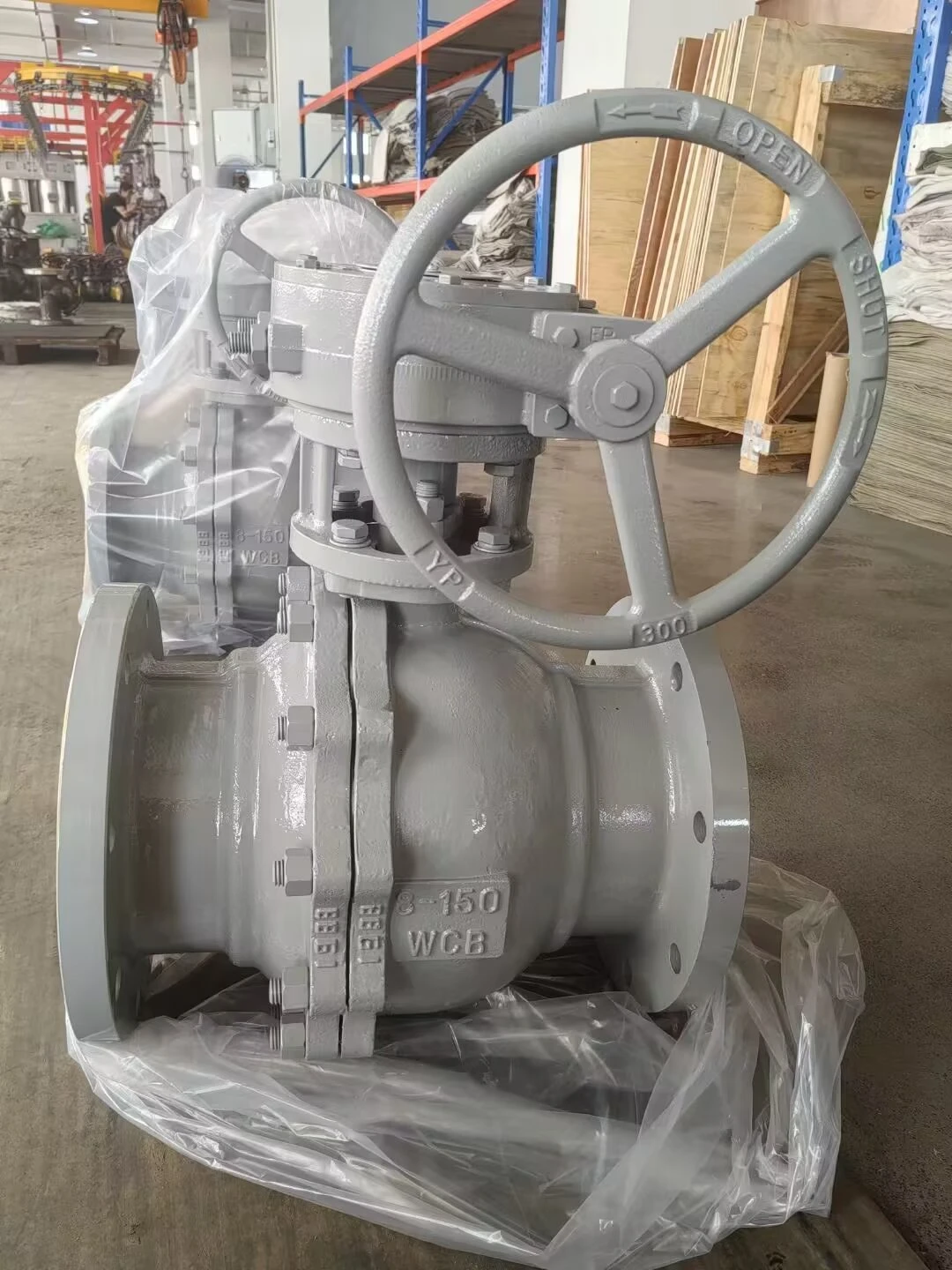
Pipe lateral fittings are crucial components in gravity-fed pipeline systems, primarily utilized for wastewater and stormwater management. They serve as the connection point between smaller diameter service laterals, originating from individual properties, and the main sewer line. Unlike pressure pipes where consistent internal pressure is maintained, laterals operate under the influence of gravity and exhibit predominantly open-channel flow characteristics. The performance of these fittings directly impacts the overall hydraulic capacity and longevity of the entire collection system. Common materials include PVC, HDPE, ductile iron, and concrete, each offering distinct advantages and disadvantages concerning cost, durability, and installation requirements. A key challenge in lateral fitting design and application is managing potential infiltration and exfiltration, preventing groundwater intrusion and sewer leakage, which can lead to environmental concerns and system overloading. Their correct specification is paramount to minimizing maintenance, reducing the risk of blockages, and ensuring regulatory compliance.
Material Science & Manufacturing
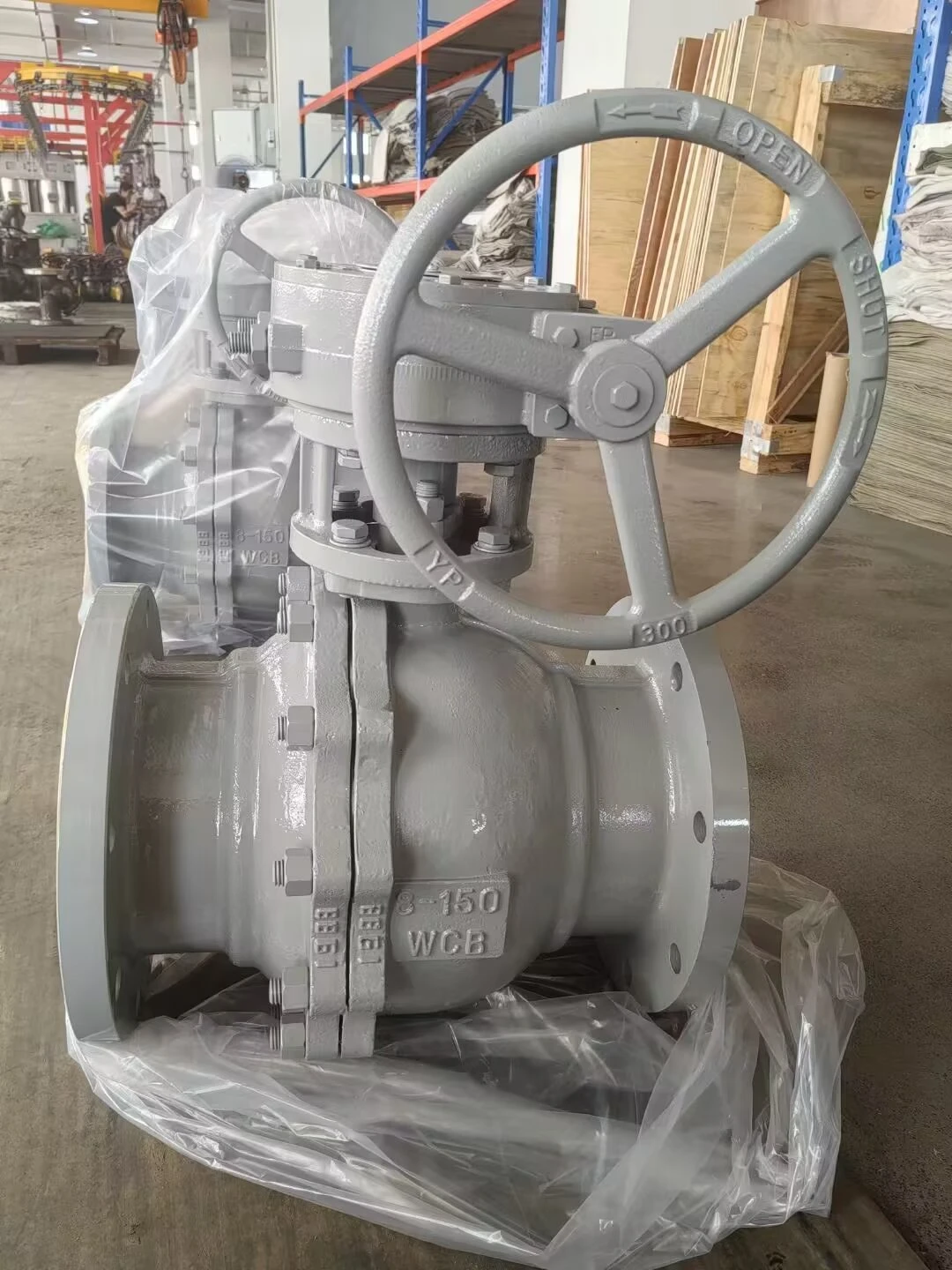
The predominant materials used in pipe lateral fitting manufacture dictate the fabrication techniques employed. Polyvinyl Chloride (PVC) fittings, commonly Schedule 40 and Schedule 80, are produced via injection molding. The raw material, PVC resin, is compounded with stabilizers (typically calcium-zinc mixtures replacing lead-based compounds due to environmental regulations), lubricants, and impact modifiers to enhance its processability and toughness. The injection molding process necessitates precise control of melt temperature (typically 180-210°C) and injection pressure to ensure complete filling of the mold cavity and minimize residual stresses. High-Density Polyethylene (HDPE) fittings utilize rotational molding or injection molding. HDPE’s higher flexibility compared to PVC permits more complex fitting geometries. Rotational molding involves heating a powdered resin inside a closed mold while continuously rotating it, creating a uniform wall thickness. Ductile Iron fittings are cast using sand casting or investment casting methods. The molten iron, alloyed with magnesium to impart ductility, is poured into a mold. Post-casting processes include heat treatment (annealing) to relieve internal stresses and coating (epoxy or asphaltic) for corrosion protection. Concrete fittings, generally larger diameter connections, are cast in place or precast using reinforced concrete. The concrete mix design is critical, focusing on compressive strength (typically 4000-5000 psi) and resistance to sulfate attack from sewage. Proper curing is essential to achieve the desired strength and durability. Each material’s susceptibility to chemical degradation from sewage constituents (hydrogen sulfide, sulfates, etc.) must be addressed during material selection and manufacturing.
Performance & Engineering
The performance of pipe lateral fittings is governed by hydraulic efficiency, structural integrity under load, and long-term durability. Hydraulic performance centers around minimizing headloss, achieved through streamlined fitting designs and smooth internal surfaces. Fittings with sharp angles or abrupt transitions introduce significant turbulence, increasing energy dissipation and reducing flow capacity. Structural engineering focuses on withstanding both static and dynamic loads. Static loads include soil overburden pressure, the weight of the pipe and conveyed fluid, and hydrostatic pressure. Dynamic loads arise from traffic loads (for shallow buried applications), seismic activity, and potential impact events during maintenance. Finite Element Analysis (FEA) is routinely employed to model stress distribution within the fitting and optimize its geometry for maximum strength and resistance to deflection. Environmental resistance is also critical; the fitting must resist corrosion from soil chemicals, sewage components, and UV degradation (for exposed sections). Compliance with local and national regulations (e.g., ASTM D3212 for PVC fittings, AWWA standards for ductile iron) dictates design parameters, material specifications, and testing procedures. The shear strength of the fitting's connection joint (typically a rubber gasket or solvent-welded seam) is a paramount engineering consideration, needing to withstand soil movement and potential differential settlement. Proper backfill compaction around the fitting is vital to prevent uneven loading and potential cracking.
Technical Specifications
| Material | Nominal Pipe Size (inches) | Pressure Rating (psi) | Angle of Deflection (degrees) |
|---|---|---|---|
| PVC (Schedule 40) | 4 | 65 | 22.5, 45, 90 |
| PVC (Schedule 80) | 6 | 100 | 22.5, 45, 90 |
| HDPE | 8 | 50 | 15, 30, 45 |
| Ductile Iron | 10 | 250 | 22.5, 45, 90 |
| Concrete | 12 | N/A (Load Bearing) | 90 |
| PVC (Schedule 40) | 3 | 40 | 45, 90 |
Failure Mode & Maintenance
Pipe lateral fittings are susceptible to several failure modes. Cracking, particularly in PVC and HDPE fittings, can occur due to overstressing during installation, improper backfilling, or thermal expansion/contraction. Corrosion is a significant concern for ductile iron fittings, leading to wall thinning and eventual leakage. The rubber gaskets used in joint connections can degrade over time due to chemical attack or UV exposure, resulting in infiltration and exfiltration. Delamination can occur in concrete fittings if the concrete mix is poorly designed or if curing is inadequate. Exfiltration/infiltration is not a failure of the fitting itself, but a failure of the joint and is often exacerbated by ground movement. Regular inspection, using CCTV cameras, is crucial for identifying early signs of deterioration. Preventative maintenance includes joint sealing with chemical grouts or mechanical seals to address infiltration/exfiltration. For corroded ductile iron fittings, localized repairs using epoxy coatings or clamp-on sleeves can extend their service life. If cracking is detected in PVC or HDPE fittings, replacement is typically the most cost-effective solution. Proper installation practices, including adequate bedding and compaction, are essential to minimize stress on the fitting and prevent premature failure. Periodic cleaning of the fitting to remove debris and sediment can also help maintain hydraulic performance. Record-keeping of inspection and maintenance activities is essential for tracking asset condition and optimizing maintenance schedules.
Industry FAQ
Q: What is the primary difference in long-term performance between PVC and ductile iron lateral fittings in corrosive soil environments?
A: While PVC is inherently corrosion resistant, ductile iron, despite protective coatings, is susceptible to corrosion over extended periods, particularly in soils with high sulfate concentrations or low pH. The epoxy or asphaltic coatings on ductile iron can degrade, exposing the iron to corrosive elements. PVC exhibits superior long-term durability in these environments, but its mechanical strength is generally lower than ductile iron.
Q: How does the deflection angle of a lateral fitting impact hydraulic performance and what are the acceptable limits?
A: Increasing deflection angles create greater turbulence and headloss, reducing flow capacity. Typically, deflection angles of 45 degrees or less are preferred to minimize hydraulic losses. Larger angles require larger diameter pipes to compensate for the increased friction. Exceeding recommended angles can also induce higher stresses on the fitting, potentially leading to cracking.
Q: What considerations are important when selecting a fitting material for shallow burial applications subject to heavy traffic loads?
A: Ductile iron fittings offer superior load-bearing capacity compared to PVC or HDPE. The fitting should be designed with sufficient wall thickness and structural reinforcement to withstand the anticipated traffic loads. Proper bedding and compaction are also crucial to distribute the load evenly and prevent localized stress concentrations.
Q: What are the most common causes of infiltration at lateral fitting joints and how can they be effectively addressed?
A: Common causes include gasket degradation, joint separation due to soil movement, and cracking of the fitting material. Effective solutions include joint sealing with chemical grouts, mechanical seals, or replacement of the fitting and gasket. Addressing underlying issues such as unstable soil conditions or improper installation is also essential.
Q: How does the choice of fitting material affect installation costs and long-term maintenance requirements?
A: PVC and HDPE fittings are generally less expensive to install due to their lighter weight and simpler joining methods (solvent welding or heat fusion). Ductile iron fittings require heavier lifting equipment and skilled labor for installation. However, ductile iron’s higher durability can translate to lower long-term maintenance costs, especially in challenging environments. Concrete fittings present significant installation challenges and often require specialized equipment.
Conclusion
Pipe lateral fittings are integral to the performance and reliability of wastewater and stormwater collection systems. Material selection hinges on a comprehensive evaluation of factors including hydraulic demands, soil conditions, load requirements, and budgetary constraints. While PVC and HDPE offer cost-effectiveness and corrosion resistance, ductile iron provides superior strength and durability, particularly in demanding applications. Proper installation, including adequate bedding and compaction, is paramount to prevent premature failure and ensure long-term performance.
Future trends in lateral fitting technology include the development of more advanced materials with enhanced strength and durability, as well as smart fittings equipped with sensors for real-time monitoring of flow and structural health. Continued research into innovative joint sealing technologies is also crucial for minimizing infiltration and exfiltration, preserving environmental integrity, and maximizing the lifespan of these critical infrastructure components.
-
The Essential Guide to Dual Plate Check Valves
-
Swing Check Valve Types: Reliable Flow Control & Backflow Prevention
-
Top Reasons to Choose a Stainless Steel Flange Check Valve for Industrial Applications
-
solenoid valve 3 way 2 position Performance Analysis
-
micro solenoid valve Performance Analysis
-
solenoid ball valve Performance Analysis
-
micro solenoid valves Performance Engineering
-
solenoid ball valves Performance Analysis
-
solenoid valve 5 2 Performance Analysis
-
solenoid valve stainless steel Performance Analysis
-
stainless steel solenoid valves Performance Analysis
-
solenoid valve 5/2 Performance Analysis
-
cryogenic solenoid valve Performance Analysis
-
direct acting solenoid valve Performance Analysis
-
miniature solenoid valve Performance Analysis
 Afrikaans
 Albanian
 Amharic
 Arabic
 Armenian
 Azerbaijani
 Basque
 Belarusian
 Bengali
 Bosnian
 Bulgarian
 Catalan
 Cebuano
 Corsican
 Croatian
 Czech
Czech
 Danish
 Dutch
Dutch
 Esperanto
 Estonian
 Finnish
 French
 Frisian
 Galician
 Georgian
 German
 Greek
Greek
 Gujarati
 Haitian Creole
 Hausa
Hawaiian
Hausa
Hawaiian
 Hebrew
 Hindi
Hindi
 Miao
Miao
 Hungarian
 Icelandic
 Igbo
Igbo
 Indonesian
 Irish
Irish
 Italian
 Japanese
 Javanese
Kannada
Javanese
Kannada
 Kazakh
 Khmer
Khmer
 Rwandese
 Korean
 Kurdish
 Kyrgyz
 Lao
Lao
 Latin
Latin
 Latvian
 Lithuanian
 Luxembourgish
 Macedonian
 Malgashi
 Malay
Malay
 Malayalam
 Maltese
 Maori
Maori
 Marathi
 Mongolian
 Myanmar
 Nepali
 Norwegian
 Norwegian
 Occitan
 Pashto
 Persian
 Polish
 Portuguese
Punjabi
Portuguese
Punjabi
 Romanian
 Russian
 Samoan
 Scottish Gaelic
 Serbian
 Sesotho
 Shona
Shona
 Sindhi
 Sinhala
 Slovak
 Slovenian
 Somali
 Spanish
 Sundanese
 Swahili
 Swedish
Tagalog
Swedish
Tagalog
 Tajik
Tajik
 Tamil
Tamil
 Tatar
Tatar
 Telugu
 Thai
Thai
 Turkish
 Turkmen
 Ukrainian
 Urdu
Urdu
 Uighur
 Uzbek
Uzbek
 Vietnamese
 Welsh
Welsh
 Bantu
Bantu
 Yiddish
 Yoruba
 Zulu
Zulu
 English