




cast iron butterfly valve Performance Analysis
Introduction
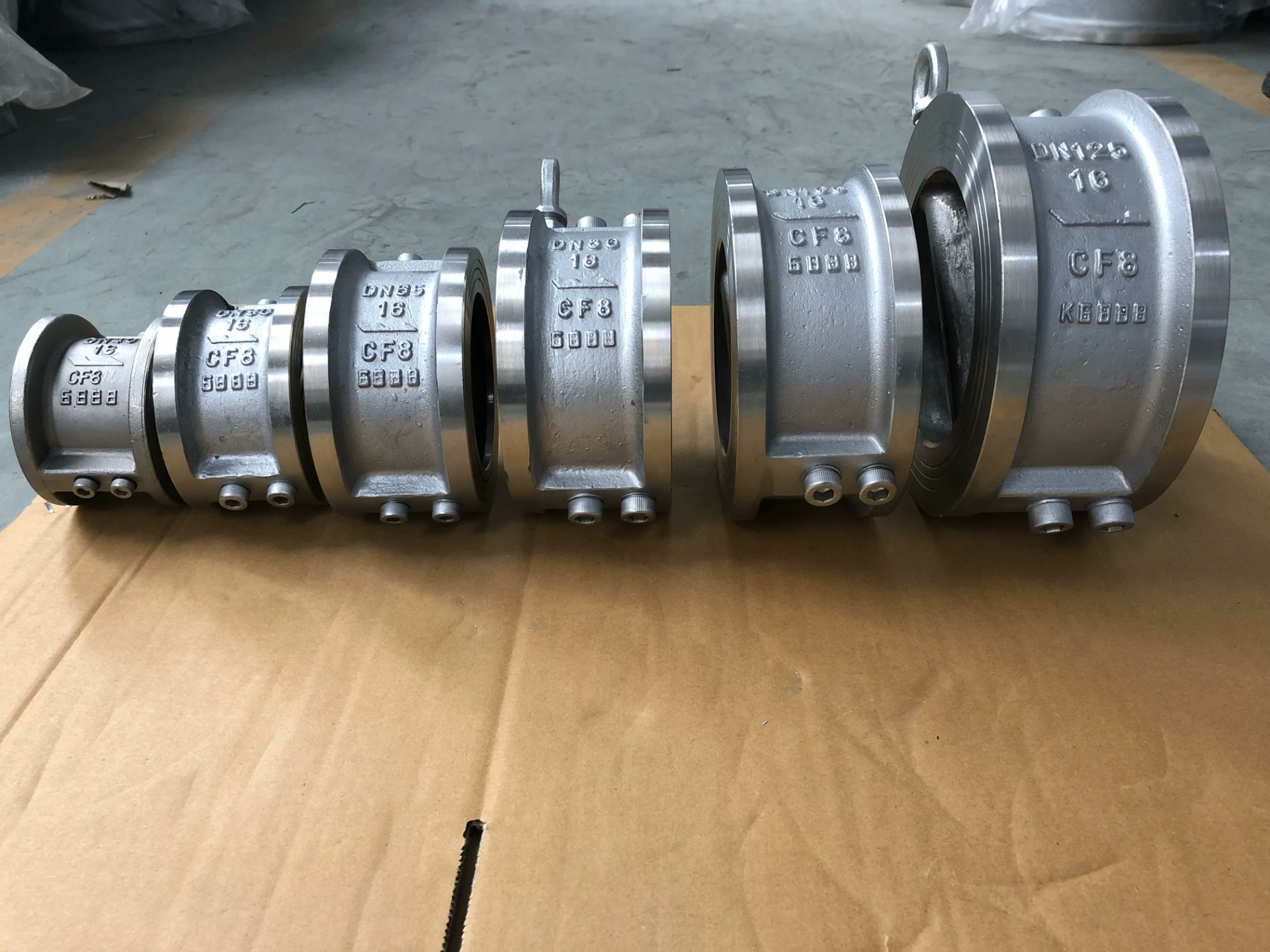
The cast iron butterfly valve is a flow control device utilizing a circular disc rotating on an axis within a cast iron body. Positioned within the industrial fluid handling chain, it functions as a quarter-turn valve, modulating or isolating flow. Unlike gate valves or globe valves, butterfly valves excel in applications requiring rapid operation and relatively low pressure drops. Its core performance characteristics center around flow coefficient (Cv), pressure rating, sealing capability (achieved through resilient or metal seats), and resistance to corrosion inherent in the cast iron material. This guide provides a comprehensive analysis of cast iron butterfly valves, covering material science, manufacturing, performance engineering, failure modes, and relevant industry standards. A key industry pain point addressed is the balance between cost-effectiveness of cast iron versus the potential for corrosion, necessitating appropriate coatings and material selection for specific fluid applications.
Material Science & Manufacturing
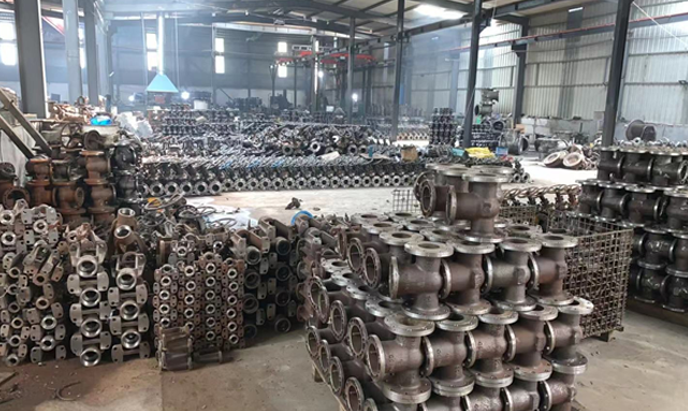
The primary material, cast iron, is an iron alloy containing 2-4% carbon, along with silicon, manganese, sulfur, and phosphorus. Common cast iron grades used in butterfly valve bodies include Gray Cast Iron (ASTM A126 Class 30) known for its damping capacity and machinability, Ductile Cast Iron (ASTM A536 65-45-12) offering improved tensile strength and ductility, and White Cast Iron used for wear resistance in specific applications. The disc is often manufactured from Ductile Iron, Stainless Steel (304, 316), or Bronze. Manufacturing processes begin with pattern making for the cast iron body, followed by sand casting. Core sand is used to create the internal cavity for the disc chamber. Following casting, the body undergoes machining – facing, drilling, and tapping for connections and the valve stem. The disc is manufactured through forging, machining, or investment casting depending on material and required tolerances. The stem, typically stainless steel, is precision machined and fitted with appropriate seals (EPDM, PTFE, or Viton) to prevent leakage. Crucially, surface preparation – sandblasting and coating – is critical for corrosion resistance. Epoxy coatings, fusion bonded epoxy (FBE), or zinc-rich primers are commonly applied. Parameter control during casting includes precise temperature management of molten iron, controlled cooling rates to minimize stress, and rigorous inspection for defects like porosity or shrinkage cavities.
Performance & Engineering
Performance of cast iron butterfly valves is heavily influenced by torque requirements for operation. Torque calculations depend on fluid pressure, disc diameter, valve size, and fluid viscosity. Finite Element Analysis (FEA) is routinely employed to optimize body design, minimizing stress concentrations and ensuring structural integrity under pressure. Environmental resistance is a key consideration. Cast iron is susceptible to corrosion, particularly in acidic or saline environments. Coatings provide a barrier, but their effectiveness degrades over time. Regular inspection and recoating are necessary. Compliance requirements depend on the intended application. For potable water systems, valves must meet NSF/ANSI 61 standards. For gas applications, API 6D and ANSI B16.34 are crucial. Pressure testing, typically hydrostatically at 1.5 times the working pressure, verifies leak tightness and structural strength. Valve actuation – manual, pneumatic, or electric – introduces further engineering considerations. Pneumatic actuators require compressed air supply and control systems. Electric actuators necessitate careful motor sizing and control integration. The valve’s Cv value directly impacts flow rate; accurate Cv determination through testing is essential for system design. Cavitation, a destructive phenomenon occurring when fluid velocity exceeds the vapor pressure, is mitigated through proper valve sizing and operating within recommended flow limits.
Technical Specifications
| Parameter | Unit | Typical Value (DN100, PN16) | Tolerance |
|---|---|---|---|
| Valve Size | mm | 100 | ±1 |
| Pressure Rating | bar | 16 | ±0.5 |
| Material (Body) | - | ASTM A126 Class 30 | Per Standard |
| Material (Disc) | - | Ductile Iron | Per Standard |
| Seat Material | - | EPDM | Per Standard |
| Cv Value | m³/h | 450 | ±5% |
| Operating Temperature | °C | -10 to 80 | ±2 |
Failure Mode & Maintenance
Cast iron butterfly valves are susceptible to several failure modes. Corrosion is a primary concern, leading to body degradation and leakage. Galvanic corrosion can occur when dissimilar metals are in contact. Erosion from abrasive fluids can damage the disc and seat. Fatigue cracking can occur in the stem or disc due to cyclical loading. Seat failure – tearing or deformation – compromises sealing. Stem packing gland leakage results in fluid escape. Failure analysis involves visual inspection for cracks, corrosion pits, or erosion. Non-destructive testing (NDT) methods like liquid penetrant testing (LPT) and ultrasonic testing (UT) can detect subsurface defects. Maintenance procedures include regular inspection of the body for corrosion, replacement of worn seals and packing, lubrication of the stem, and recalibration of the actuator. For corroded valves, surface preparation and recoating are essential. Preventative maintenance schedules should be implemented based on the severity of the operating environment and the frequency of valve operation. Complete valve replacement is necessary when body integrity is significantly compromised. Proper storage, protecting valves from moisture and contaminants, is also critical to extend service life.
Industry FAQ
Q: What are the limitations of using cast iron butterfly valves in highly corrosive environments?
A: Cast iron, while cost-effective, exhibits limited corrosion resistance. In highly corrosive environments (e.g., seawater, acidic solutions), standard cast iron will rapidly degrade. While coatings like epoxy or FBE provide a temporary barrier, they are susceptible to damage and require regular maintenance. For these applications, alternative materials like ductile iron with specialized coatings, stainless steel, or polymer-lined valves are recommended, despite their higher initial cost. Careful fluid compatibility studies are essential before material selection.
Q: How does the choice of seat material impact valve performance and lifespan?
A: The seat material is critical for sealing and directly affects valve performance. EPDM is a common, cost-effective choice for water and many chemical applications, offering good resilience. PTFE provides excellent chemical resistance but has lower resilience and can creep under high pressure. Viton (FKM) is ideal for high-temperature and oil-based fluids. Seat selection must consider fluid compatibility, temperature, and pressure. Improper seat material leads to leakage, reduced lifespan, and potential valve failure.
Q: What are the key considerations for specifying a butterfly valve for pneumatic actuation?
A: When specifying pneumatic actuation, consider the required torque to operate the valve, the available air pressure, and the actuator size. The actuator must generate sufficient force to overcome the fluid torque and friction. Air supply must be clean, dry, and regulated. Control systems need to be compatible with the actuator’s signal (e.g., 4-20mA, NAMUR). Rack and pinion actuators are common, but vane actuators offer higher torque capacity. Fail-safe operation (fail-open or fail-closed) must be specified.
Q: How important is the valve’s Cv value, and how is it determined?
A: The Cv value is a measure of the valve’s flow capacity and is crucial for accurate system design. An incorrect Cv value can lead to insufficient flow or excessive pressure drop. Cv values are typically determined through standardized flow testing according to ISO 5208 or ANSI/FCI 70-2. It’s important to obtain Cv values from the manufacturer’s data sheets and verify them for the specific valve size and configuration.
Q: What are the common causes of seat leakage and how can they be prevented?
A: Seat leakage can be caused by several factors, including wear, debris lodged in the seat, improper installation, or damage during operation. Preventing seat leakage involves proper valve sizing, selecting compatible seat material, ensuring clean fluids, following correct installation procedures, and implementing regular maintenance. Periodic inspection and replacement of the seat are essential to maintain sealing integrity.
Conclusion
Cast iron butterfly valves represent a cost-effective and widely utilized solution for flow control in a diverse range of industrial applications. Their relatively simple design, rapid operation, and moderate pressure drop characteristics make them advantageous in many scenarios. However, inherent limitations in cast iron’s corrosion resistance necessitate careful material selection, appropriate coatings, and diligent maintenance practices. A thorough understanding of material science, manufacturing processes, performance engineering principles, and potential failure modes is paramount for ensuring long-term reliability and operational efficiency.
Future developments will likely focus on advancements in coating technologies, offering improved corrosion protection and extended service life. The integration of smart valve technology – incorporating sensors and remote monitoring capabilities – will enable predictive maintenance and optimized performance. Continued refinement of FEA modeling will further optimize valve designs for specific applications, minimizing stress concentrations and maximizing structural integrity. Proper lifecycle cost analysis, considering initial cost, maintenance expenses, and potential downtime, is critical for informed decision-making.
-
Raised Face Flange Performance Analysis
-
Threaded Flanges Performance Analysis
-
uni flange Performance Analysis
-
Thread Flange Material Science and Performance
-
Flange Welding Performance Analysis
-
Flanged Couplings Performance Analysis
-
female thread ball valve Performance Analysis
-
1/2 ball valve Material Science Manufacturing
-
gas ball valves Performance Engineering
-
2 inch ball valves Performance Analysis
-
motorized ball valve Performance Analysis
-
floating ball valve Performance Analysis
-
ball valve stainless steel Performance Analysis
-
gate valve stainless steel Performance Analysis
-
dn200 gate valve Performance Analysis
 Afrikaans
 Albanian
 Amharic
 Arabic
 Armenian
 Azerbaijani
 Basque
 Belarusian
 Bengali
 Bosnian
 Bulgarian
 Catalan
 Cebuano
 Corsican
 Croatian
 Czech
Czech
 Danish
 Dutch
Dutch
 Esperanto
 Estonian
 Finnish
 French
 Frisian
 Galician
 Georgian
 German
 Greek
Greek
 Gujarati
 Haitian Creole
 Hausa
Hawaiian
Hausa
Hawaiian
 Hebrew
 Hindi
Hindi
 Miao
Miao
 Hungarian
 Icelandic
 Igbo
Igbo
 Indonesian
 Irish
Irish
 Italian
 Japanese
 Javanese
Kannada
Javanese
Kannada
 Kazakh
 Khmer
Khmer
 Rwandese
 Korean
 Kurdish
 Kyrgyz
 Lao
Lao
 Latin
Latin
 Latvian
 Lithuanian
 Luxembourgish
 Macedonian
 Malgashi
 Malay
Malay
 Malayalam
 Maltese
 Maori
Maori
 Marathi
 Mongolian
 Myanmar
 Nepali
 Norwegian
 Norwegian
 Occitan
 Pashto
 Persian
 Polish
 Portuguese
Punjabi
Portuguese
Punjabi
 Romanian
 Russian
 Samoan
 Scottish Gaelic
 Serbian
 Sesotho
 Shona
Shona
 Sindhi
 Sinhala
 Slovak
 Slovenian
 Somali
 Spanish
 Sundanese
 Swahili
 Swedish
Tagalog
Swedish
Tagalog
 Tajik
Tajik
 Tamil
Tamil
 Tatar
Tatar
 Telugu
 Thai
Thai
 Turkish
 Turkmen
 Ukrainian
 Urdu
Urdu
 Uighur
 Uzbek
Uzbek
 Vietnamese
 Welsh
Welsh
 Bantu
Bantu
 Yiddish
 Yoruba
 Zulu
Zulu
 English