




dn10 ball valve Performance Analysis
Introduction
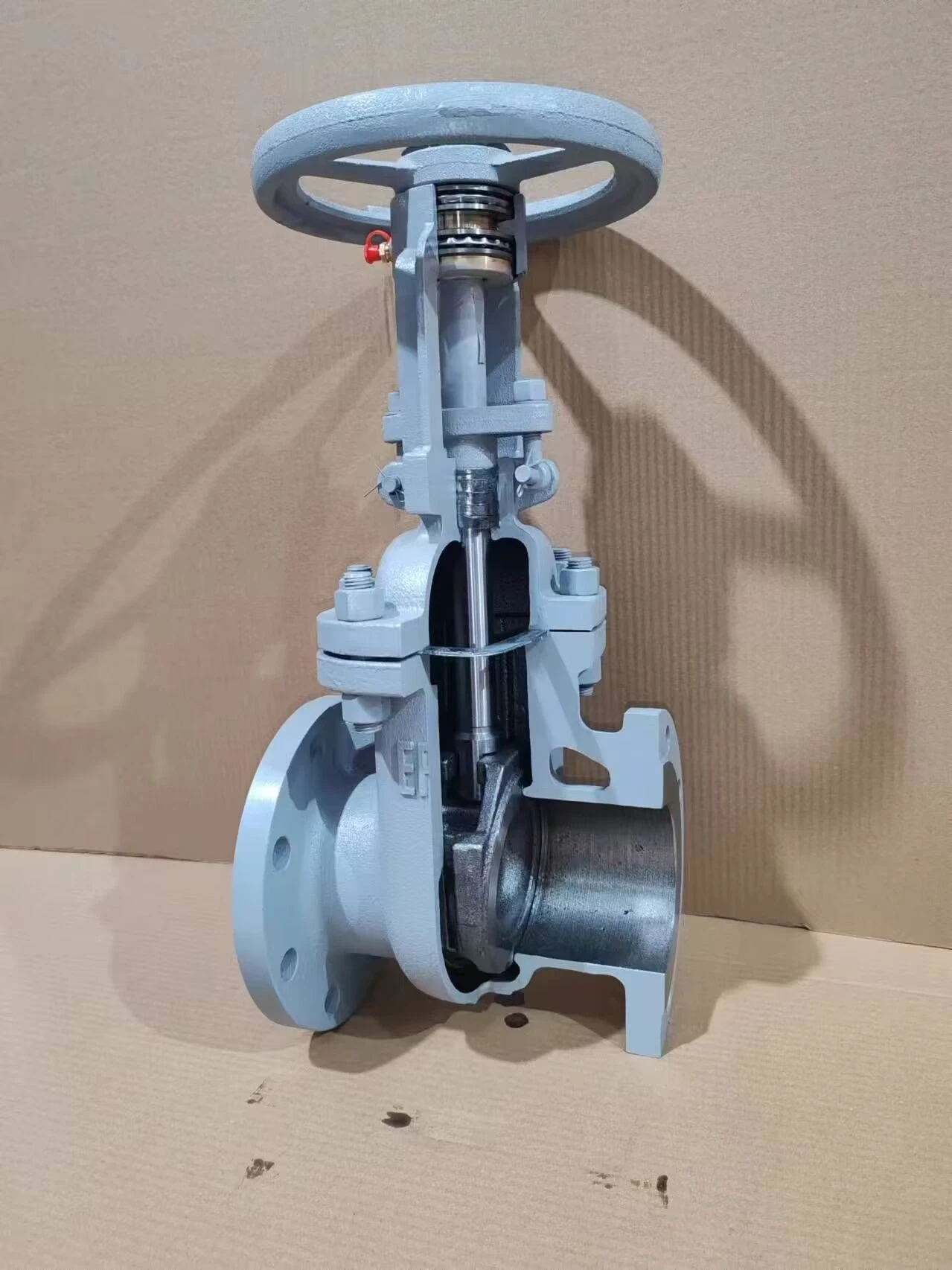
The DN10 ball valve is a quarter-turn valve used for controlling the flow of fluids in low-pressure, small-bore piping systems. Its designation 'DN10' refers to its nominal diameter of 10 millimeters, making it ideally suited for instrumentation, sampling lines, and certain control applications. Positioned within the fluid control segment of industrial processes, it functions as a critical on/off valve, primarily selected for its rapid actuation, tight shut-off capability, and relatively low cost compared to larger valves. Core performance characteristics include leak tightness to specified standards (determined by seat material and pressure rating), flow coefficient (Cv) which dictates flow capacity, and operational torque required for actuation. Understanding these parameters is crucial for integration into complex industrial systems, especially where precise flow control and minimal dead volume are necessary. The valve's inherent simplicity translates to ease of maintenance and repair, contributing to reduced downtime in critical operations.
Material Science & Manufacturing
DN10 ball valves are commonly manufactured from a variety of materials, each offering specific performance characteristics. Body materials frequently include brass (CZ121, CZ132), stainless steel (304, 316), and PVC. Brass offers good machinability and corrosion resistance in non-aggressive media, while stainless steel provides superior resistance to a broader range of chemicals and higher temperatures. PVC is employed in applications requiring corrosion immunity but with limitations in pressure and temperature. The ball itself is typically made from chrome-plated brass or stainless steel, providing a hard, wear-resistant surface. Seat materials, critical for leak tightness, include PTFE (Teflon), RPTFE, and PEEK, selected based on chemical compatibility and temperature requirements.
Manufacturing typically involves precision casting or machining of the valve body, followed by internal surface finishing to ensure smooth ball rotation. The ball is precision-ground to tight tolerances to ensure perfect sealing against the seat. Assembly involves careful alignment and torque application during stem and seat installation. A critical process parameter is the surface roughness (Ra) of the ball and seat – lower Ra values improve sealing performance. Welding is employed for stainless steel valve bodies, requiring adherence to standards such as ASME Section IX for weld quality. Injection molding is utilized for PVC bodies, where mold temperature and injection pressure are paramount to achieving dimensional accuracy and avoiding defects. Quality control procedures include hydrostatic testing to verify pressure integrity and leak testing using air or nitrogen to confirm sealing performance. Post-manufacturing, passivation treatments for stainless steel components enhance corrosion resistance.
Performance & Engineering
The performance of a DN10 ball valve is heavily influenced by fluid dynamics and structural integrity. The flow coefficient (Cv) dictates the valve’s capacity to pass fluid; a higher Cv indicates a greater flow rate at a given pressure drop. Cv is determined by the internal diameter of the bore and the valve's design. Torque requirements for actuation are crucial, particularly in automated systems. Torque increases with differential pressure and fluid viscosity. Engineering considerations include stress analysis of the valve body and ball under maximum operating pressure, ensuring compliance with pressure-temperature ratings specified in standards like MSS SP-110. The valve must also resist erosion and cavitation, especially in applications with high flow velocities and abrasive fluids.
Environmental resistance is paramount. Exposure to UV radiation (for PVC valves), corrosive atmospheres, and extreme temperatures can degrade performance. Selecting appropriate materials and coatings is vital for long-term reliability. Compliance requirements often include certifications for potable water safety (NSF/ANSI 61), explosion-proof operation (ATEX, IECEx), and fire safety (FM, UL). The valve’s seat design (full bore vs. reduced bore) affects both flow capacity and pressure drop. Full-bore valves minimize pressure loss but may be more susceptible to water hammer. Finite element analysis (FEA) is used during the design phase to optimize structural integrity and minimize stress concentrations. Proper stem sealing, using materials like Viton or graphite, prevents fugitive emissions.
Technical Specifications
| Parameter | Unit | Brass Body, PTFE Seat | Stainless Steel 316 Body, PTFE Seat |
|---|---|---|---|
| Nominal Diameter | mm | 10 | 10 |
| Pressure Rating | bar | Up to 16 | Up to 25 |
| Temperature Range | °C | -20 to +80 | -60 to +180 |
| Cv (Flow Coefficient) | m³/h | 0.8 - 1.2 | 0.9 - 1.3 |
| Actuation Torque (Max) | Nm | 0.5 - 1.0 | 1.0 - 1.5 |
| Leak Rate | mL/min/m | <0.1 | <0.05 |
Failure Mode & Maintenance
DN10 ball valves are susceptible to several failure modes. Seat wear and degradation, particularly from abrasive particles or chemical attack, lead to leakage. Fatigue cracking can occur in the valve body due to cyclical pressure fluctuations and thermal stresses. Corrosion, especially in environments with chlorides or sulfides, weakens the valve body and internal components. Stem packing failure results in fugitive emissions. Ball scratching or scoring, caused by particulates, compromises sealing performance. Cavitation erosion damages the ball and valve body in high-velocity flow conditions.
Preventive maintenance includes regular inspection of the valve body for corrosion, cracks, and leaks. Periodic tightening of stem packing is essential to prevent emissions. Lubrication of the ball and stem (using compatible lubricants) reduces friction and wear. Backflushing to remove particulate matter prevents seat damage. For critical applications, scheduled replacement of the seat and stem packing is recommended. Failure analysis should involve visual inspection, hydrostatic testing, and potentially metallurgical analysis to identify the root cause. Replacement of the entire valve may be necessary in cases of severe corrosion or irreparable damage. Proper storage conditions, protecting the valve from moisture and contaminants, extend its service life.
Industry FAQ
Q: What is the impact of fluid velocity on the lifespan of a DN10 ball valve?
A: High fluid velocity significantly reduces lifespan. It increases the risk of cavitation erosion, particularly at the inlet and outlet of the valve, damaging the ball and valve body. It also accelerates seat wear due to the impact of suspended particles. Limiting fluid velocity to within the manufacturer’s recommended range is crucial.
Q: How does the choice of seat material affect chemical compatibility?
A: Seat material selection is paramount for chemical compatibility. PTFE offers broad chemical resistance but may be susceptible to swelling in certain solvents. RPTFE provides improved resistance to permeation. PEEK exhibits excellent resistance to high temperatures and aggressive chemicals. Consulting a chemical compatibility chart specific to the process fluid is essential.
Q: What are the key considerations when selecting a DN10 ball valve for cryogenic applications?
A: Cryogenic applications require valves specifically designed for low temperatures. Materials must be able to withstand thermal shock and maintain ductility at cryogenic temperatures. Stainless steel (304L, 316L) is commonly used. PTFE may become brittle at extremely low temperatures, requiring alternative seat materials like PCTFE. Proper insulation is essential to prevent ice formation.
Q: How can I diagnose leakage from the stem packing?
A: Stem packing leakage is typically identified by visible fluid or gas escaping around the stem. Initial attempts should involve gently tightening the packing gland. If leakage persists, the packing needs to be replaced. Over-tightening the gland can damage the stem and exacerbate leakage. Consider using a stem packing lubricant to ensure proper sealing.
Q: What is the significance of the valve's body material in corrosive environments?
A: The valve body material dictates corrosion resistance. Brass is suitable for mildly corrosive media. Stainless steel (316) offers superior resistance to a wider range of corrosive chemicals, particularly chlorides. For extremely aggressive environments, specialized alloys like Hastelloy or Monel may be required. Consider galvanic corrosion potential when integrating the valve into a piping system with dissimilar metals.
Conclusion
The DN10 ball valve, while seemingly simple, demands careful consideration regarding material selection, manufacturing precision, and operational parameters. Its performance is intrinsically linked to the specific application, dictating the need for a thorough understanding of fluid dynamics, chemical compatibility, and environmental factors. Selecting the correct valve ensures reliable fluid control, minimizes downtime, and ultimately contributes to the efficiency and safety of the industrial process.
Future trends in DN10 ball valve technology focus on enhanced sealing materials (e.g., advanced polymers with improved chemical resistance), smart valve designs incorporating sensors for real-time monitoring of valve status and performance, and additive manufacturing techniques for producing customized valve bodies with optimized geometries. Furthermore, a growing emphasis on sustainability drives the development of valves with reduced fugitive emissions and extended service lives.
-
The Essential Guide to Dual Plate Check Valves
-
Swing Check Valve Types: Reliable Flow Control & Backflow Prevention
-
Top Reasons to Choose a Stainless Steel Flange Check Valve for Industrial Applications
-
solenoid valve 3 way 2 position Performance Analysis
-
micro solenoid valve Performance Analysis
-
solenoid ball valve Performance Analysis
-
micro solenoid valves Performance Engineering
-
solenoid ball valves Performance Analysis
-
solenoid valve 5 2 Performance Analysis
-
solenoid valve stainless steel Performance Analysis
-
stainless steel solenoid valves Performance Analysis
-
solenoid valve 5/2 Performance Analysis
-
cryogenic solenoid valve Performance Analysis
-
direct acting solenoid valve Performance Analysis
-
miniature solenoid valve Performance Analysis
 Afrikaans
 Albanian
 Amharic
 Arabic
 Armenian
 Azerbaijani
 Basque
 Belarusian
 Bengali
 Bosnian
 Bulgarian
 Catalan
 Cebuano
 Corsican
 Croatian
 Czech
Czech
 Danish
 Dutch
Dutch
 Esperanto
 Estonian
 Finnish
 French
 Frisian
 Galician
 Georgian
 German
 Greek
Greek
 Gujarati
 Haitian Creole
 Hausa
Hawaiian
Hausa
Hawaiian
 Hebrew
 Hindi
Hindi
 Miao
Miao
 Hungarian
 Icelandic
 Igbo
Igbo
 Indonesian
 Irish
Irish
 Italian
 Japanese
 Javanese
Kannada
Javanese
Kannada
 Kazakh
 Khmer
Khmer
 Rwandese
 Korean
 Kurdish
 Kyrgyz
 Lao
Lao
 Latin
Latin
 Latvian
 Lithuanian
 Luxembourgish
 Macedonian
 Malgashi
 Malay
Malay
 Malayalam
 Maltese
 Maori
Maori
 Marathi
 Mongolian
 Myanmar
 Nepali
 Norwegian
 Norwegian
 Occitan
 Pashto
 Persian
 Polish
 Portuguese
Punjabi
Portuguese
Punjabi
 Romanian
 Russian
 Samoan
 Scottish Gaelic
 Serbian
 Sesotho
 Shona
Shona
 Sindhi
 Sinhala
 Slovak
 Slovenian
 Somali
 Spanish
 Sundanese
 Swahili
 Swedish
Tagalog
Swedish
Tagalog
 Tajik
Tajik
 Tamil
Tamil
 Tatar
Tatar
 Telugu
 Thai
Thai
 Turkish
 Turkmen
 Ukrainian
 Urdu
Urdu
 Uighur
 Uzbek
Uzbek
 Vietnamese
 Welsh
Welsh
 Bantu
Bantu
 Yiddish
 Yoruba
 Zulu
Zulu
 English