




flap valve Performance Analysis
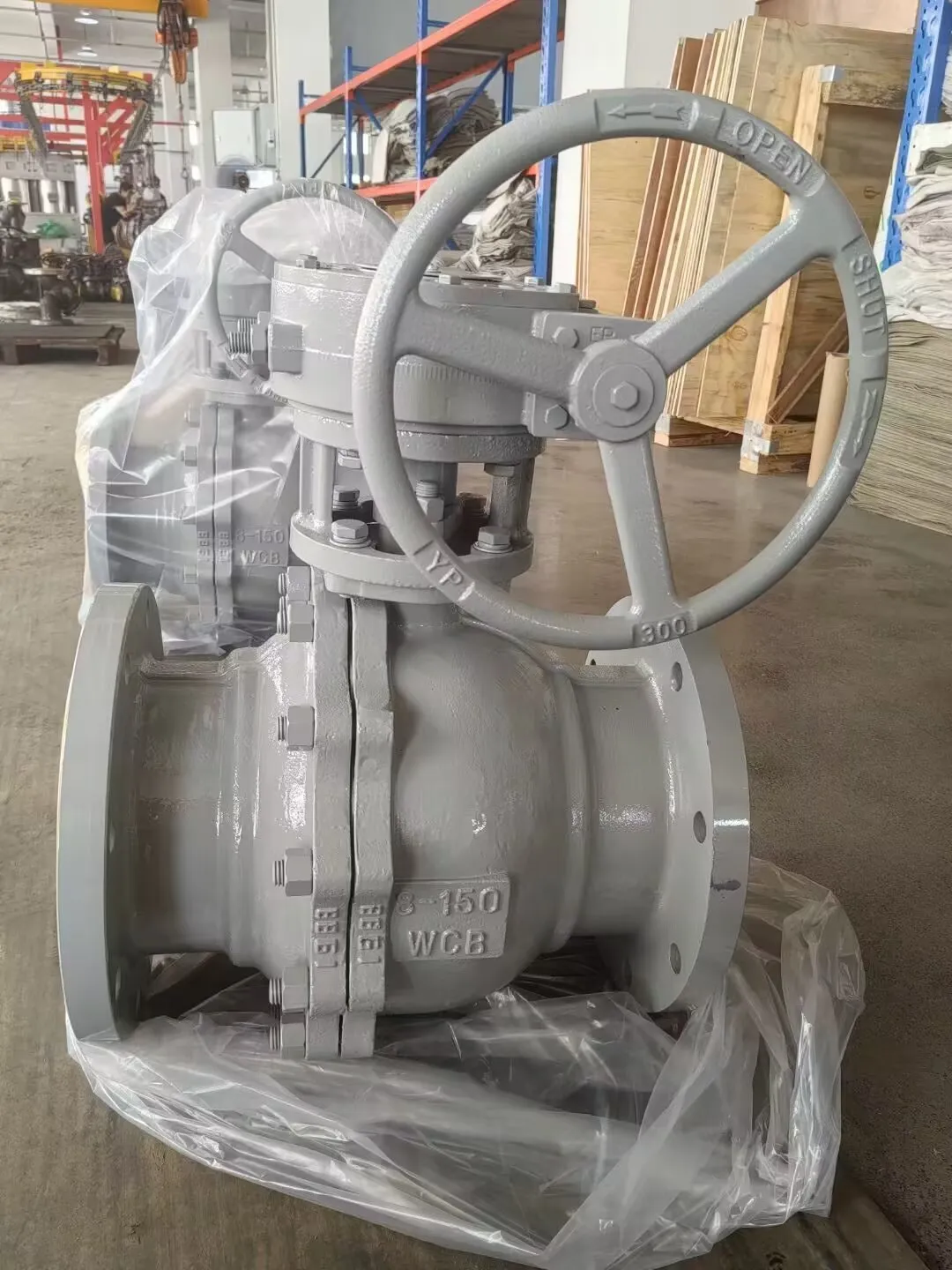
Introduction
Flap valves, also known as swing check valves, are unidirectional flow control devices critical across numerous industrial sectors, including wastewater treatment, chemical processing, power generation, and marine engineering. Positioned within a pipeline system, the primary function of a flap valve is to allow fluid flow in only one direction, preventing backflow and protecting pumps, compressors, and other sensitive equipment from damage. Unlike other check valve designs like ball or lift check valves, flap valves utilize a hinged disc (the ‘flap’) that swings open with forward flow and is forced closed by reverse flow or pressure differentials. Their robust construction, relatively simple design, and efficient performance contribute to their widespread adoption. This guide provides an in-depth technical overview of flap valves, encompassing material science, manufacturing processes, performance characteristics, potential failure modes, and relevant industry standards. Understanding these aspects is crucial for informed selection, proper installation, and long-term reliability of these essential components in critical industrial applications. Core performance indicators center around sealing efficiency, pressure drop, and resistance to the conveyed fluid’s corrosive or erosive properties.
Material Science & Manufacturing
Flap valves are manufactured from a diverse range of materials selected based on the application’s fluid properties, temperature, pressure, and required service life. Common body materials include cast iron (ASTM A126 Grade B), ductile iron (ASTM A536 65-45-12), stainless steel (304/316 – ASTM A351), and engineered plastics like Polyvinyl Chloride (PVC - ASTM D1785) or Polypropylene (PP - ASTM D4101). The flap itself can be fabricated from the same material as the body or utilize a more specialized elastomer, such as EPDM (ASTM D1418), Nitrile (NBR - ASTM D2000), or Viton (FKM - ASTM D1418) for enhanced sealing capabilities, particularly in aggressive chemical environments. Manufacturing typically involves several key processes. For metal valves, sand casting is prevalent for body formation, followed by machining to achieve precise dimensions and smooth sealing surfaces. Welding processes (SMAW, GMAW – AWS D1.1) are employed to join valve components. Plastic valves are predominantly produced via injection molding (ASTM D4101), ensuring consistent part quality and complex geometry replication. Critical parameter control during manufacturing includes ensuring proper wall thickness to withstand pressure loads, maintaining accurate flap hinge alignment for smooth operation, and achieving a consistent surface finish to minimize friction and maximize sealing efficiency. Material selection must also consider galvanic corrosion potential when dissimilar metals are used in the valve construction. Thorough non-destructive testing (NDT) – radiography (ASTM E94), ultrasonic testing (ASTM E797), and liquid penetrant inspection (ASTM E165) – is vital for detecting defects in the cast or welded components.
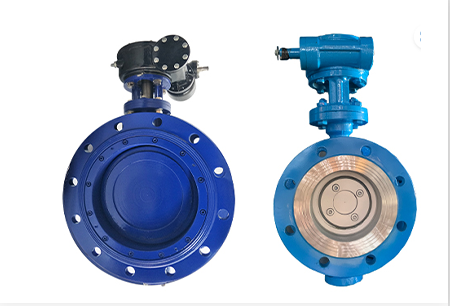
Performance & Engineering
The performance of a flap valve is fundamentally governed by fluid dynamics and mechanical stress analysis. Key engineering considerations include flow coefficient (Cv), pressure drop (ΔP), and fatigue life. The flow coefficient quantifies the valve's capacity to pass a given flow rate at a specific pressure drop. A higher Cv indicates lower flow resistance. Pressure drop is a critical factor in system efficiency; excessive pressure drop increases pumping energy consumption. Engineering design focuses on minimizing flow restrictions through optimized flap shape and body internal geometry. Flap valve designs must withstand cyclic loading due to the repetitive opening and closing of the flap. Fatigue analysis (ASTM E46) is essential to predict the valve's lifespan under varying flow conditions and pressure fluctuations. Environmental resistance is also paramount. Exposure to corrosive fluids can lead to material degradation and reduced sealing performance. Selection of corrosion-resistant materials and protective coatings (epoxy, PTFE - ASTM D426) is crucial for long-term reliability. Compliance requirements often dictate specific performance standards, such as those related to leakage rates (ANSI/FCI 70-2) and hydrostatic pressure testing (API 598). The hinge mechanism experiences significant stress concentration; therefore, robust hinge design and high-quality materials are critical to prevent premature failure. The valve’s weight, particularly for larger sizes, also influences installation requirements and support structures.
Technical Specifications
| Parameter | Unit | Material Option 1 (Cast Iron/EPDM) | Material Option 2 (SS316/Viton) |
|---|---|---|---|
| Maximum Operating Pressure | PSI | 150 | 300 |
| Maximum Operating Temperature | °F | 150 | 250 |
| Connection Type | - | Flanged (ANSI B16.5) | Flanged (ANSI B16.5) |
| Flap Material | - | Cast Iron with EPDM Coating | Stainless Steel 316 with Viton Coating |
| Body Material | - | Cast Iron (A126 B) | Stainless Steel 316 (A351) |
| Leakage Rate (at max pressure) | % of flow | <0.5 | <0.1 |
Failure Mode & Maintenance
Flap valves are susceptible to several failure modes. Corrosion is a primary concern, particularly in aggressive fluid environments, leading to body wall thinning and flap degradation. Erosion, caused by abrasive particles in the fluid stream, can damage the flap sealing surface, resulting in leakage. Fatigue cracking can occur in the flap hinge area due to repeated stress cycles, eventually leading to flap detachment. Impact damage from solid objects carried by the fluid can also cause flap deformation or fracture. Sediment buildup within the valve body can impede flap closure and increase pressure drop. Elastomer degradation (embrittlement, swelling) in the flap seal can compromise sealing performance. Regular maintenance is crucial for preventing failures. Periodic inspection for corrosion, erosion, and cracks is essential. Cleaning the valve body to remove sediment buildup is recommended. Lubrication of the hinge mechanism reduces friction and prevents wear. For valves operating in harsh environments, consider implementing a corrosion monitoring program. If leakage is detected, the flap seal should be inspected and replaced if necessary. Preventive maintenance schedules should be based on the operating conditions and fluid characteristics. Regular hydrostatic testing (API 598) verifies the valve’s structural integrity and leak tightness. Replacement of severely corroded or damaged valves is necessary to maintain system reliability.
Industry FAQ
Q: What are the key differences between a flap valve and a swing check valve in terms of application suitability?
A: While both are swing-type check valves, flap valves generally exhibit better sealing capabilities and are preferred for applications involving dirty fluids or slurries where solids can interfere with the valve's operation. Swing check valves with full-bore designs are more suitable for clean fluid applications where minimal pressure drop is critical. Flap valves, due to their disc design, can often tolerate a higher concentration of solids without significant performance degradation.
Q: How does material selection impact the lifespan of a flap valve in a seawater application?
A: Seawater is a highly corrosive environment. Selecting materials resistant to chloride-induced corrosion is critical. Stainless steel (316) is commonly used, but duplex stainless steels or nickel-based alloys offer superior corrosion resistance. The flap seal material should also be seawater-compatible; EPDM is a typical choice. Regular inspections for pitting corrosion and applying protective coatings are essential for maximizing lifespan.
Q: What is the impact of cavitation on flap valve performance and longevity?
A: Cavitation, the formation and collapse of vapor bubbles in the fluid, can cause significant damage to the flap and valve body. It erodes the material surface, leading to pitting and eventual failure. Minimizing pressure drop and avoiding rapid changes in flow velocity can help prevent cavitation. Proper valve sizing and installation are crucial.
Q: Can flap valves be used in high-temperature applications exceeding 200°F? What considerations are necessary?
A: Yes, but material selection becomes even more critical. High temperatures can degrade elastomers and reduce the strength of metals. Specialized high-temperature alloys, such as Inconel, may be required for the valve body and flap. The seal material must also be able to withstand the elevated temperature without losing its sealing properties. Thermal expansion effects must also be considered in the design.
Q: What are the advantages and disadvantages of using a flanged connection versus a wafer connection for a flap valve?
A: Flanged connections offer a more robust and reliable seal, particularly for high-pressure applications. They also facilitate easier disassembly for maintenance. However, they are more expensive and require more space for installation. Wafer connections are more cost-effective and compact, but they may be less suitable for high-pressure or critical applications where a leak-tight seal is paramount.
Conclusion
Flap valves represent a fundamental component in fluid handling systems across diverse industries. Their reliable unidirectional flow control is essential for protecting equipment and ensuring process integrity. Careful consideration of material selection, manufacturing quality, and operating conditions is paramount for maximizing valve lifespan and minimizing the risk of failure. Proper installation, regular maintenance, and adherence to relevant industry standards are crucial for sustained performance.
Advancements in material science and computational fluid dynamics continue to drive improvements in flap valve design, leading to enhanced efficiency, durability, and corrosion resistance. Future trends will likely focus on developing smart valves with integrated sensors for real-time monitoring of performance and predictive maintenance capabilities. A thorough understanding of the technical principles governing flap valve operation remains essential for engineers and procurement professionals responsible for selecting and maintaining these critical industrial components.
-
The Essential Guide to Dual Plate Check Valves
-
Swing Check Valve Types: Reliable Flow Control & Backflow Prevention
-
Top Reasons to Choose a Stainless Steel Flange Check Valve for Industrial Applications
-
solenoid valve 3 way 2 position Performance Analysis
-
micro solenoid valve Performance Analysis
-
solenoid ball valve Performance Analysis
-
micro solenoid valves Performance Engineering
-
solenoid ball valves Performance Analysis
-
solenoid valve 5 2 Performance Analysis
-
solenoid valve stainless steel Performance Analysis
-
stainless steel solenoid valves Performance Analysis
-
solenoid valve 5/2 Performance Analysis
-
cryogenic solenoid valve Performance Analysis
-
direct acting solenoid valve Performance Analysis
-
miniature solenoid valve Performance Analysis
 Afrikaans
 Albanian
 Amharic
 Arabic
 Armenian
 Azerbaijani
 Basque
 Belarusian
 Bengali
 Bosnian
 Bulgarian
 Catalan
 Cebuano
 Corsican
 Croatian
 Czech
Czech
 Danish
 Dutch
Dutch
 Esperanto
 Estonian
 Finnish
 French
 Frisian
 Galician
 Georgian
 German
 Greek
Greek
 Gujarati
 Haitian Creole
 Hausa
Hawaiian
Hausa
Hawaiian
 Hebrew
 Hindi
Hindi
 Miao
Miao
 Hungarian
 Icelandic
 Igbo
Igbo
 Indonesian
 Irish
Irish
 Italian
 Japanese
 Javanese
Kannada
Javanese
Kannada
 Kazakh
 Khmer
Khmer
 Rwandese
 Korean
 Kurdish
 Kyrgyz
 Lao
Lao
 Latin
Latin
 Latvian
 Lithuanian
 Luxembourgish
 Macedonian
 Malgashi
 Malay
Malay
 Malayalam
 Maltese
 Maori
Maori
 Marathi
 Mongolian
 Myanmar
 Nepali
 Norwegian
 Norwegian
 Occitan
 Pashto
 Persian
 Polish
 Portuguese
Punjabi
Portuguese
Punjabi
 Romanian
 Russian
 Samoan
 Scottish Gaelic
 Serbian
 Sesotho
 Shona
Shona
 Sindhi
 Sinhala
 Slovak
 Slovenian
 Somali
 Spanish
 Sundanese
 Swahili
 Swedish
Tagalog
Swedish
Tagalog
 Tajik
Tajik
 Tamil
Tamil
 Tatar
Tatar
 Telugu
 Thai
Thai
 Turkish
 Turkmen
 Ukrainian
 Urdu
Urdu
 Uighur
 Uzbek
Uzbek
 Vietnamese
 Welsh
Welsh
 Bantu
Bantu
 Yiddish
 Yoruba
 Zulu
Zulu
 English