




Floating Valve Material Science and Performance Analysis
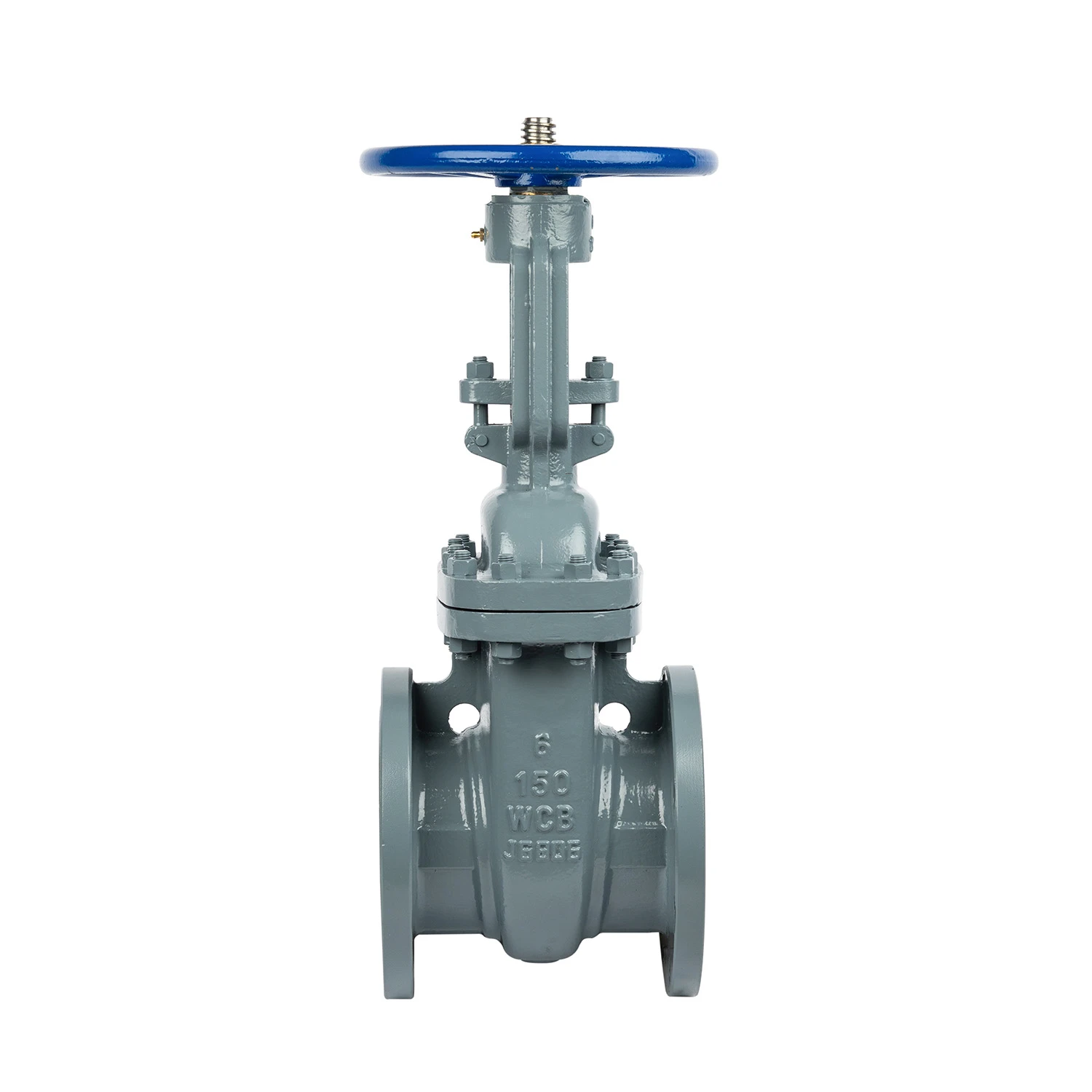
Introduction
Floating valves, also known as ball valves, represent a critical component in fluid control systems across a diverse range of industries including oil & gas, chemical processing, water treatment, and power generation. Their primary function is to regulate the flow of liquids, gases, or slurries through a pipeline or vessel. Distinguished by their simple design – a hollow, perforated sphere (the “float” or “ball”) rotated within a housing – floating valves offer a robust and reliable sealing mechanism compared to other valve types. Their position within the industrial chain is fundamental, serving as the final control element in numerous process loops. Core performance characteristics center around achieving tight shut-off, minimal pressure drop when fully open, and quick actuation. Understanding the material selection, manufacturing tolerances, and operational limitations is paramount to ensure long-term performance and safety.
Material Science & Manufacturing
The performance and longevity of a floating valve are inextricably linked to the materials employed in its construction. The ball itself is commonly manufactured from stainless steel (304, 316, 316L grades being prevalent due to their corrosion resistance), carbon steel, brass, or specialized alloys like Hastelloy or Monel for highly corrosive environments. The valve body materials mirror these options, often selected for compatibility with the conveyed fluid. For example, polypropylene (PP) or polyvinyl chloride (PVC) are used in chemical processing for handling aggressive acids and bases. PTFE (Teflon) is a ubiquitous sealing material due to its low coefficient of friction and chemical inertness; however, its creep resistance can be a limiting factor at elevated temperatures.
Manufacturing typically involves precision machining of the ball, ensuring spherical accuracy and surface finish. The valve body is often cast or forged, followed by machining to create the bore and sealing surfaces. Welding is a common joining process, requiring strict adherence to standards like ASME Section IX to guarantee weld integrity and prevent leaks. Critical parameters include weld penetration, heat-affected zone size, and residual stress levels. Surface treatments like passivation (for stainless steel) enhance corrosion resistance. For PTFE seals, molding or compression techniques are used, controlling parameters like molding pressure, temperature, and curing time to optimize mechanical properties. Dimensional inspection using Coordinate Measuring Machines (CMMs) is crucial for verifying adherence to tolerances specified in standards like MSS SP-25.

Performance & Engineering
The operational performance of a floating valve is governed by several engineering principles. Flow coefficient (Cv) dictates the valve's capacity to pass a given fluid at a specific pressure drop. Understanding Bernoulli's principle and fluid dynamics is key to accurately calculating Cv and selecting the appropriate valve size for a given application. The torque required to operate the valve – particularly for larger sizes or higher pressures – is a critical design consideration. Force analysis involves calculating the hydrodynamic forces exerted on the ball during flow and the frictional forces at the sealing surfaces.
Environmental resistance is paramount. Exposure to extreme temperatures, corrosive atmospheres, or UV radiation can degrade materials and compromise sealing integrity. Compliance with industry standards like API 6D (Performance of Valves) is essential, specifying requirements for testing, materials, and design verification. Furthermore, pressure-temperature ratings defined by ASME B16.34 dictate safe operating limits. For applications involving hazardous fluids, adherence to standards like ATEX or IECEx is necessary to ensure explosion protection. The valve’s design must also account for potential water hammer effects, employing features like flow restrictors or dampening devices to mitigate pressure surges.
Technical Specifications
| Parameter | Unit | Typical Value (Carbon Steel) | Typical Value (316 Stainless Steel) |
|---|---|---|---|
| Maximum Operating Pressure | psi | 1440 | 1440 |
| Temperature Range | °F | -20 to 450 | -20 to 600 |
| Cv (1-inch Valve, Fully Open) | GPM | 30 | 30 |
| Leakage Rate (Class VI) | mL/min/in | 0.1 | 0.1 |
| Body Material | - | ASTM A105 | ASTM A351 CF8M |
| Seal Material | - | PTFE | PTFE |
Failure Mode & Maintenance
Floating valves are susceptible to several failure modes. Seat erosion, caused by abrasive particles in the fluid stream, is a common issue, leading to leakage. Fatigue cracking can occur in the valve body or ball due to cyclical loading, particularly at high pressures. Corrosion, both localized pitting and general corrosion, degrades the material integrity, ultimately leading to failure. PTFE seat degradation, manifesting as swelling or cracking, can also compromise sealing. Another significant failure mode is cavitation, where vapor bubbles form and collapse, causing pitting and erosion of the ball and valve body.
Preventive maintenance is critical. Regular inspection of the valve body, ball, and seals for signs of wear, corrosion, or damage is essential. Lubrication of the valve stem and ball bearings (if applicable) reduces friction and prevents seizing. Periodic testing of the valve's leakage rate verifies its sealing performance. If leakage is detected, the seat should be replaced. For heavily soiled applications, routine cleaning of the valve body and ball removes abrasive particles and prevents erosion. Replacement of the entire valve is necessary if significant corrosion or cracking is observed. Adherence to manufacturer’s recommended maintenance schedules and proper storage conditions are vital for maximizing valve lifespan.
Industry FAQ
Q: What is the primary difference between a full-port and a reduced-port floating valve?
A: A full-port valve has an internal diameter equal to the pipe’s internal diameter, resulting in minimal pressure drop. A reduced-port valve has a smaller internal diameter, creating some flow restriction and therefore a higher pressure drop. Full-port valves are generally preferred for applications requiring high flow rates and minimal energy loss.
Q: How does the choice of seal material impact valve performance in corrosive environments?
A: Seal material compatibility is paramount. PTFE offers broad chemical resistance but can creep. Elastomers like Viton or EPDM offer better resilience but have limited chemical resistance. Selecting a seal material specifically rated for the conveyed fluid prevents swelling, cracking, and leakage, ensuring long-term sealing integrity.
Q: What are the key considerations when selecting a floating valve for high-temperature applications?
A: High-temperature applications require materials with excellent thermal stability and creep resistance. Stainless steel alloys like 316L are often preferred. The seal material must also withstand the elevated temperatures without degrading. Furthermore, thermal expansion of the valve components must be considered to prevent binding or leakage.
Q: Can a floating valve be used for throttling service, or is it strictly an on/off valve?
A: While floating valves can be used for throttling, it is not recommended for prolonged periods. Throttling can accelerate seat erosion and damage. Globe valves or butterfly valves are better suited for throttling applications requiring precise flow control.
Q: What role do valve actuation methods (manual, pneumatic, electric) play in overall system reliability?
A: Actuation method choice impacts reliability. Manual actuation is simplest but requires operator intervention. Pneumatic actuation offers faster response times but requires a compressed air supply. Electric actuation provides precise control and is suitable for remote operation, but requires electrical power and associated safety considerations. Selecting the appropriate actuation method for the specific application is crucial for ensuring reliable operation.
Conclusion
Floating valves represent a foundational element in fluid control systems, valued for their simplicity, robustness, and reliable shut-off capabilities. The selection process demands careful consideration of material compatibility, operating conditions (pressure, temperature, fluid characteristics), and applicable industry standards. Understanding the potential failure modes – seat erosion, corrosion, and fatigue cracking – coupled with a proactive maintenance strategy, is crucial for maximizing valve lifespan and ensuring process safety.
Future trends in floating valve technology are focused on developing more durable seal materials, incorporating advanced coatings to enhance corrosion resistance, and integrating smart valve technologies with predictive maintenance capabilities. These innovations will further enhance the performance and reliability of floating valves, enabling optimized fluid control in increasingly demanding industrial applications.
-
The Essential Guide to Dual Plate Check Valves
-
Swing Check Valve Types: Reliable Flow Control & Backflow Prevention
-
Top Reasons to Choose a Stainless Steel Flange Check Valve for Industrial Applications
-
solenoid valve 3 way 2 position Performance Analysis
-
micro solenoid valve Performance Analysis
-
solenoid ball valve Performance Analysis
-
micro solenoid valves Performance Engineering
-
solenoid ball valves Performance Analysis
-
solenoid valve 5 2 Performance Analysis
-
solenoid valve stainless steel Performance Analysis
-
stainless steel solenoid valves Performance Analysis
-
solenoid valve 5/2 Performance Analysis
-
cryogenic solenoid valve Performance Analysis
-
direct acting solenoid valve Performance Analysis
-
miniature solenoid valve Performance Analysis
 Afrikaans
 Albanian
 Amharic
 Arabic
 Armenian
 Azerbaijani
 Basque
 Belarusian
 Bengali
 Bosnian
 Bulgarian
 Catalan
 Cebuano
 Corsican
 Croatian
 Czech
Czech
 Danish
 Dutch
Dutch
 Esperanto
 Estonian
 Finnish
 French
 Frisian
 Galician
 Georgian
 German
 Greek
Greek
 Gujarati
 Haitian Creole
 Hausa
Hawaiian
Hausa
Hawaiian
 Hebrew
 Hindi
Hindi
 Miao
Miao
 Hungarian
 Icelandic
 Igbo
Igbo
 Indonesian
 Irish
Irish
 Italian
 Japanese
 Javanese
Kannada
Javanese
Kannada
 Kazakh
 Khmer
Khmer
 Rwandese
 Korean
 Kurdish
 Kyrgyz
 Lao
Lao
 Latin
Latin
 Latvian
 Lithuanian
 Luxembourgish
 Macedonian
 Malgashi
 Malay
Malay
 Malayalam
 Maltese
 Maori
Maori
 Marathi
 Mongolian
 Myanmar
 Nepali
 Norwegian
 Norwegian
 Occitan
 Pashto
 Persian
 Polish
 Portuguese
Punjabi
Portuguese
Punjabi
 Romanian
 Russian
 Samoan
 Scottish Gaelic
 Serbian
 Sesotho
 Shona
Shona
 Sindhi
 Sinhala
 Slovak
 Slovenian
 Somali
 Spanish
 Sundanese
 Swahili
 Swedish
Tagalog
Swedish
Tagalog
 Tajik
Tajik
 Tamil
Tamil
 Tatar
Tatar
 Telugu
 Thai
Thai
 Turkish
 Turkmen
 Ukrainian
 Urdu
Urdu
 Uighur
 Uzbek
Uzbek
 Vietnamese
 Welsh
Welsh
 Bantu
Bantu
 Yiddish
 Yoruba
 Zulu
Zulu
 English