




gate valve 4 inch Performance Engineering
Introduction
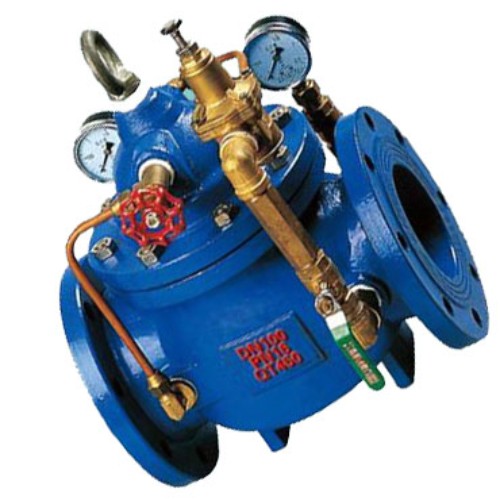
A 4-inch gate valve is a crucial component in fluid handling systems, utilized across diverse industries including oil and gas, water treatment, chemical processing, and power generation. Functionally, it controls flow by employing a gate – typically a flat disc – that slides perpendicularly to the fluid flow. Unlike valves designed for throttling, gate valves are primarily intended for on/off service. Their primary advantage lies in their low pressure drop when fully open, making them suitable for applications where minimizing energy loss is paramount. The 4-inch designation refers to the nominal pipe size, defining the internal diameter of the valve opening. Modern gate valves are commonly constructed from materials like cast iron, stainless steel, carbon steel, and alloy steels, selected based on fluid compatibility, pressure, and temperature requirements. Proper selection and maintenance are critical to ensure reliable performance and long service life, especially considering the potential for high flow rates and pressures characteristic of 4-inch systems. A key industry pain point is ensuring long-term sealing integrity in challenging process conditions, demanding robust design and rigorous quality control.
Material Science & Manufacturing
The body of a 4-inch gate valve is typically manufactured from cast iron (ASTM A126 Class B), ductile iron (ASTM A536 65-45-12), carbon steel (ASTM A216 WCB), or stainless steel (304/316 – ASTM A351 Grade CF8/CF8M). The gate itself is often bronze (ASTM B584), stainless steel, or coated carbon steel. Seat materials include EPDM, PTFE, or reinforced PTFE, chosen for their chemical resistance and sealing properties. The manufacturing process begins with pattern making and casting for the body. Carbon steel bodies undergo heat treatment to improve machinability. Valve internals, including the gate and stem, are typically machined from bar stock using CNC lathes and milling machines to achieve precise dimensions. A critical process is the application of facing and lapping to the gate and seats to ensure a leak-tight seal. Wedge gate valves require particularly precise gate geometry to achieve proper seating. Bolted bonnet designs necessitate accurate drilling and tapping for bolt holes. Critical parameters include the hardness of the seat materials (typically 60-70 Rockwell C for metal seats), the surface finish of the gate and seats (Ra < 0.8 μm), and the dimensional tolerances of the gate (±0.025 mm). Welding procedures (AWS D1.1 for steel valves) must be qualified and documented to ensure structural integrity. Non-destructive testing (NDT) methods like radiography, ultrasonic testing, and liquid penetrant inspection are used to detect flaws in welds and castings. Material traceability is also crucial for compliance and failure analysis.
Performance & Engineering
The performance of a 4-inch gate valve is primarily governed by its pressure-temperature rating (ANSI/ASME B16.34), its leakage characteristics (ANSI/FCI 70-2), and its flow coefficient (Cv). Force analysis is critical in the valve design, particularly concerning the stem packing and the gate sealing force. The stem must withstand significant bending loads, especially during operation. The bonnet must be designed to contain the internal pressure without deformation or leakage. Environmental resistance is vital; external coatings (epoxy, polyurethane) protect against corrosion in harsh environments. For cryogenic applications, materials must exhibit adequate ductility at low temperatures. Compliance requirements vary by industry and region. For potable water applications, valves must meet NSF/ANSI 61 standards for lead content and biocompatibility. For hazardous fluid service, valves must comply with API 6D and potentially ATEX/IECEx directives for explosion protection. Functional implementation involves calculating the required stem thrust to achieve a tight shut-off, considering the fluid pressure and the seat sealing geometry. Flow analysis using Computational Fluid Dynamics (CFD) can optimize the valve body design to minimize pressure drop and prevent cavitation. Understanding the effects of water hammer and fluid transients is essential to prevent valve damage and ensure system integrity. Fatigue analysis is performed on components subject to cyclic loading, such as the stem and gate.
Technical Specifications
| Parameter | Specification | Test Standard | Typical Value |
|---|---|---|---|
| Nominal Pipe Size | 4 inches (DN100) | ASME B36.10M | 101.6 mm |
| Pressure Rating | 125 PSI, 150 PSI, 300 PSI | ANSI/ASME B16.34 | 8.6 bar, 10.3 bar, 20.7 bar |
| Body Material | Cast Iron, Ductile Iron, Carbon Steel, Stainless Steel | ASTM A126, A536, A216, A351 | Varies by specification |
| Gate Material | Bronze, Stainless Steel, Coated Carbon Steel | ASTM B584, A276, A588 | Varies by specification |
| Seat Material | EPDM, PTFE, Reinforced PTFE | ASTM D2000, ASTM D3297 | Varies by specification |
| Leakage Class | Class VI (Bubble Tight) | ANSI/FCI 70-2 | < 0.1 cc/min/inch of seat perimeter |
Failure Mode & Maintenance
Common failure modes in 4-inch gate valves include seat erosion (caused by abrasive particles in the fluid), gate sticking (due to corrosion or debris buildup), stem leakage (resulting from packing failure), and body cracking (from excessive pressure or thermal stress). Fatigue cracking can occur in the stem and gate under cyclic loading. Corrosion, particularly galvanic corrosion in dissimilar metal combinations, is a significant concern. Oxidation can affect the gate surface, reducing its sealing capability. Failure analysis often involves visual inspection, metallurgical analysis, and hydrostatic testing. Preventive maintenance is crucial. Regular inspection of the stem packing and periodic replacement are necessary to prevent leakage. Lubrication of the stem threads reduces friction and prevents sticking. The valve should be operated fully open or fully closed to avoid damaging the seating surfaces. Backseat blowouts are a possibility and can be prevented with proper stem installation. Periodic testing of the valve operation, including full-stroke testing, ensures functionality. In case of significant leakage, the valve should be removed for bench testing and repair, including seat replacement and gate lapping. Internal corrosion can be mitigated through the application of protective coatings and the use of compatible materials.
Industry FAQ
Q: What is the difference between a wedge gate valve and a parallel disc gate valve, and which is more suitable for high-pressure applications?
A: Wedge gate valves, where the gate is angled to create a tighter seal, are generally preferred for high-pressure applications due to their superior sealing capability. Parallel disc gate valves offer lower friction but are more susceptible to leakage under high differential pressures. The wedge design provides a more positive shut-off, minimizing the risk of downstream leaks, which is critical for safety and efficiency in high-pressure systems.
Q: How do you select the appropriate stem packing material for a 4-inch gate valve handling corrosive chemicals?
A: Stem packing material selection must consider the specific chemical being handled and the operating temperature. PTFE (Teflon) packing is a common choice for its excellent chemical resistance. However, for highly aggressive chemicals or elevated temperatures, reinforced PTFE packing or graphite-based packing materials may be required. Compatibility charts provided by packing manufacturers should be consulted, and the packing material should be tested for chemical resistance before installation.
Q: What are the common causes of gate valve cavitation and how can it be prevented?
A: Cavitation occurs when a pressure drop within the valve causes the formation and collapse of vapor bubbles, leading to erosion of the valve components. It’s primarily caused by excessive flow velocity or a significant pressure differential across the valve. Prevention strategies include reducing flow velocity by partially opening the valve (though this is generally discouraged for gate valves), optimizing the valve body design to minimize pressure drop, and ensuring the valve is sized correctly for the application.
Q: What non-destructive testing (NDT) methods are typically employed during the manufacturing and inspection of 4-inch gate valves?
A: Common NDT methods include Liquid Penetrant Testing (PT) to detect surface cracks, Magnetic Particle Inspection (MT) for detecting surface and near-surface flaws in ferromagnetic materials, Radiographic Testing (RT) to reveal internal defects, and Ultrasonic Testing (UT) for detecting internal flaws and measuring material thickness. These methods ensure the integrity of welds, castings, and other critical components.
Q: What are the limitations of using a gate valve for throttling purposes, and what alternatives should be considered?
A: Gate valves are not designed for throttling. Partially opening a gate valve creates high-velocity flow, leading to erosion of the gate and seat, and generating significant pressure drop. The gate can also vibrate, damaging the seating surfaces. For throttling applications, globe valves, ball valves with V-ports, or butterfly valves are more suitable choices as they are designed to handle variable flow rates without experiencing excessive wear and tear.
Conclusion
The 4-inch gate valve remains a foundational component in numerous industrial fluid handling systems due to its efficient on/off functionality and low pressure drop. Understanding the intricate interplay between material science, manufacturing precision, performance engineering, and potential failure modes is essential for selecting, installing, and maintaining these valves effectively. Emphasis on robust design, rigorous testing, and proactive maintenance strategies will maximize operational reliability and minimize the risk of costly downtime.
Future developments in gate valve technology will likely focus on advanced materials with enhanced corrosion resistance, improved sealing mechanisms, and smart valve features incorporating sensors and remote monitoring capabilities. Adherence to relevant international standards and a commitment to continuous improvement will be critical to meeting the evolving demands of modern industrial applications.
-
The Essential Guide to Dual Plate Check Valves
-
Swing Check Valve Types: Reliable Flow Control & Backflow Prevention
-
Top Reasons to Choose a Stainless Steel Flange Check Valve for Industrial Applications
-
solenoid valve 3 way 2 position Performance Analysis
-
micro solenoid valve Performance Analysis
-
solenoid ball valve Performance Analysis
-
micro solenoid valves Performance Engineering
-
solenoid ball valves Performance Analysis
-
solenoid valve 5 2 Performance Analysis
-
solenoid valve stainless steel Performance Analysis
-
stainless steel solenoid valves Performance Analysis
-
solenoid valve 5/2 Performance Analysis
-
cryogenic solenoid valve Performance Analysis
-
direct acting solenoid valve Performance Analysis
-
miniature solenoid valve Performance Analysis
 Afrikaans
 Albanian
 Amharic
 Arabic
 Armenian
 Azerbaijani
 Basque
 Belarusian
 Bengali
 Bosnian
 Bulgarian
 Catalan
 Cebuano
 Corsican
 Croatian
 Czech
Czech
 Danish
 Dutch
Dutch
 Esperanto
 Estonian
 Finnish
 French
 Frisian
 Galician
 Georgian
 German
 Greek
Greek
 Gujarati
 Haitian Creole
 Hausa
Hawaiian
Hausa
Hawaiian
 Hebrew
 Hindi
Hindi
 Miao
Miao
 Hungarian
 Icelandic
 Igbo
Igbo
 Indonesian
 Irish
Irish
 Italian
 Japanese
 Javanese
Kannada
Javanese
Kannada
 Kazakh
 Khmer
Khmer
 Rwandese
 Korean
 Kurdish
 Kyrgyz
 Lao
Lao
 Latin
Latin
 Latvian
 Lithuanian
 Luxembourgish
 Macedonian
 Malgashi
 Malay
Malay
 Malayalam
 Maltese
 Maori
Maori
 Marathi
 Mongolian
 Myanmar
 Nepali
 Norwegian
 Norwegian
 Occitan
 Pashto
 Persian
 Polish
 Portuguese
Punjabi
Portuguese
Punjabi
 Romanian
 Russian
 Samoan
 Scottish Gaelic
 Serbian
 Sesotho
 Shona
Shona
 Sindhi
 Sinhala
 Slovak
 Slovenian
 Somali
 Spanish
 Sundanese
 Swahili
 Swedish
Tagalog
Swedish
Tagalog
 Tajik
Tajik
 Tamil
Tamil
 Tatar
Tatar
 Telugu
 Thai
Thai
 Turkish
 Turkmen
 Ukrainian
 Urdu
Urdu
 Uighur
 Uzbek
Uzbek
 Vietnamese
 Welsh
Welsh
 Bantu
Bantu
 Yiddish
 Yoruba
 Zulu
Zulu
 English