




megalug flange Performance and Engineering
Introduction
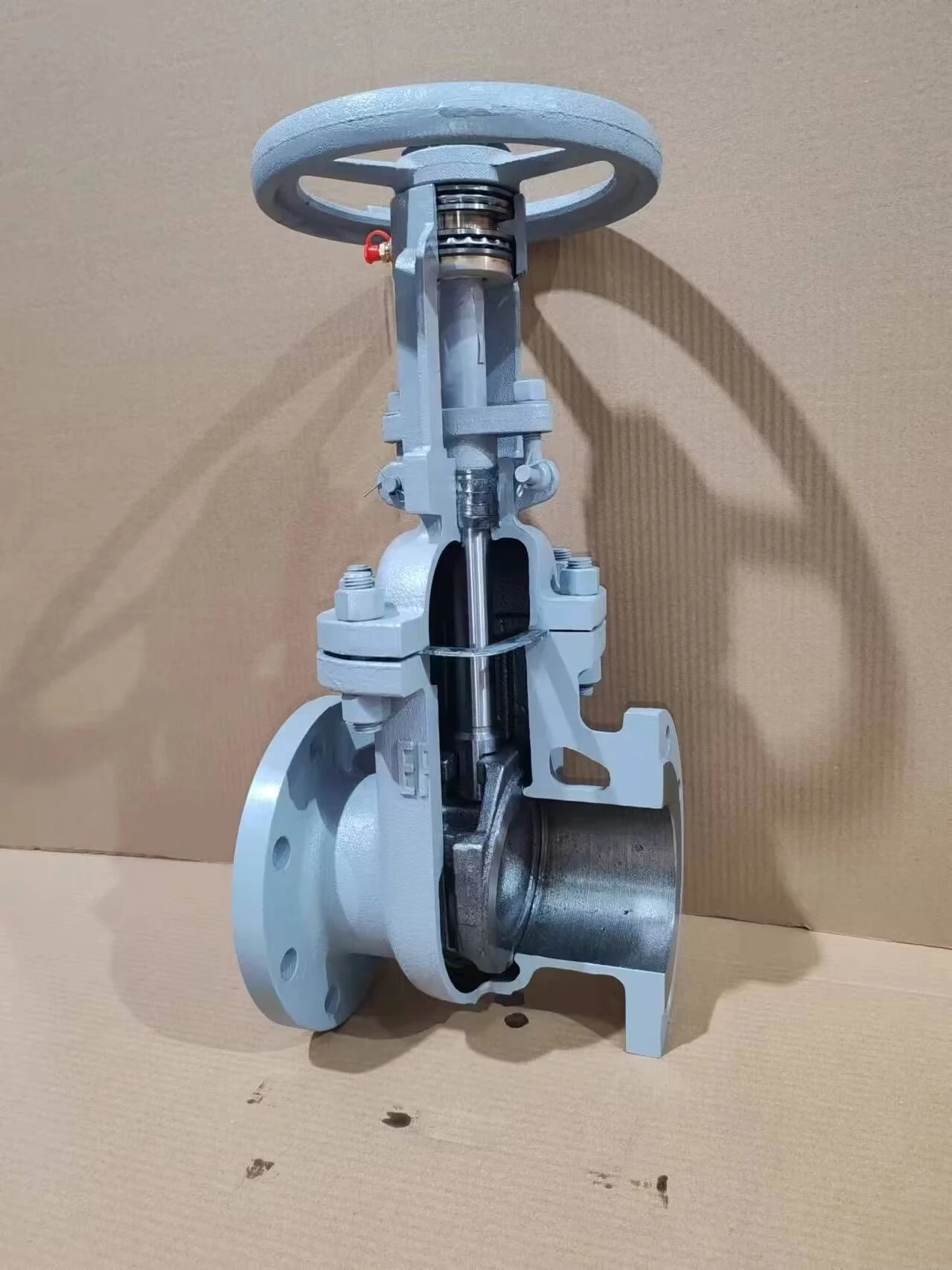
Megalug flanges are a specialized type of pipe flange designed for aboveground piping systems, primarily utilized in the oil & gas, petrochemical, and power generation industries. Positioned as a direct replacement for welded flanges, they offer a cost-effective and structurally sound alternative, eliminating the need for hot work and reducing installation time. The megalug system fundamentally comprises a split flange, a lug ring, and associated bolting. Its core performance characteristics revolve around achieving robust, leak-proof connections under varying pressure and temperature conditions, while maintaining ease of inspection and future modification. Unlike traditional flanges which rely on complete circumferential welding, megalug flanges utilize high-strength bolting to compress the flange halves onto the pipe, creating a mechanical interference fit. This design drastically minimizes the risks associated with weld-induced failures and allows for simple, non-destructive installation and removal. The inherent integrity of the megalug connection is paramount to applications where pipeline integrity is critical and downtime must be minimized.
Material Science & Manufacturing
The manufacturing of megalug flanges necessitates stringent material selection and precise fabrication processes. The flange halves are commonly produced from carbon steel (ASTM A105, A36), alloy steel (ASTM A182 F22, F91), or stainless steel (ASTM A182 F304, F316) depending on the intended operating environment and fluid compatibility. The lug ring is typically constructed from a high-strength alloy steel conforming to standards like ASTM A516 Grade 70. Material properties like yield strength, tensile strength, and elongation are critical and meticulously controlled during material sourcing and initial processing. The flange manufacturing process generally begins with forging or casting of the flange body, followed by machining to precise dimensions. Critical parameters monitored include surface roughness, dimensional tolerances (particularly the sealing face), and bore diameter. The split design is achieved via a precision cutting process, often employing CNC machining, to ensure a tight and even fitment when bolted together. Heat treatment processes, such as normalizing and quenching, are applied to optimize material hardness and improve resistance to brittle fracture. Welding is used in the manufacturing of lug rings to join segments, and welds are subjected to non-destructive testing (NDT), including radiography and ultrasonic testing, to verify their integrity. Surface treatments like galvanizing or epoxy coating are commonly applied to enhance corrosion resistance, particularly in offshore or harsh environmental applications. Bolt materials are also carefully selected, usually utilizing high-strength alloy steel bolts meeting ASTM A193 B7 or B8M standards, and often supplied with proprietary anti-galling coatings.
Performance & Engineering
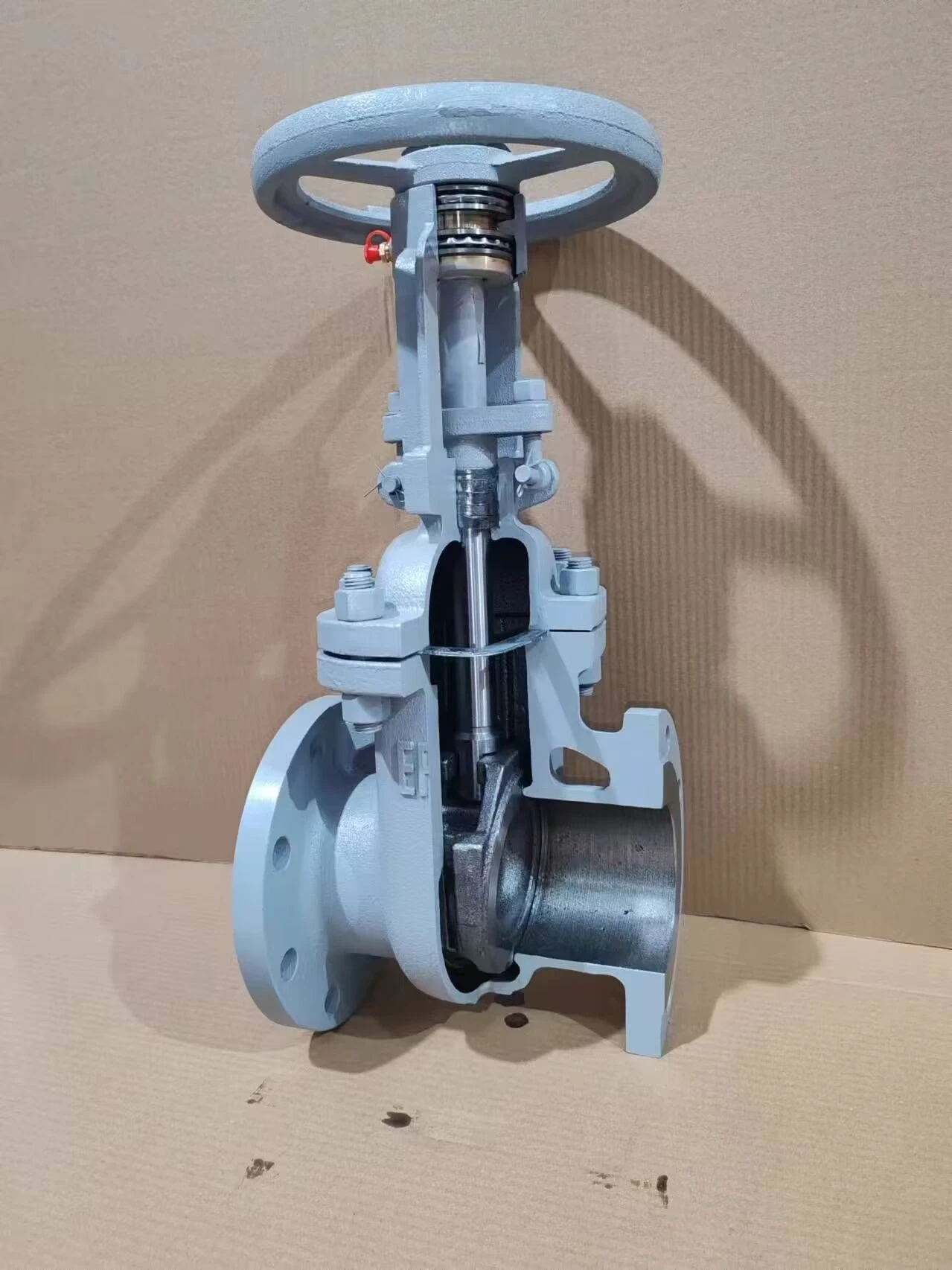
The performance of a megalug flange is dictated by several engineering principles, predominantly focusing on sealing integrity under pressure and resistance to external loads. The bolting arrangement is crucial; precise torque application is essential to achieve adequate gasket compression and prevent leakage. Finite Element Analysis (FEA) is routinely employed during the design phase to model stress distribution within the flange assembly under various operating conditions, including internal pressure, external loads (wind, weight of piping), and thermal expansion. Gasket selection is paramount, with materials like compressed non-asbestos fiber (CNAF), PTFE, or metallic gaskets chosen based on fluid compatibility, temperature range, and pressure rating. The lug ring design is engineered to distribute clamping force evenly across the flange halves, maximizing the interference fit and minimizing stress concentrations. Fatigue analysis is also critical, particularly in applications involving cyclical loading or vibration. The megalug system must demonstrate resistance to creep deformation under sustained high temperatures. Environmental resistance is considered through materials selection; for example, stainless steel flanges are preferred in corrosive environments. Compliance with industry standards like ASME B31.3 (Process Piping) and API 6A (Wellhead and Christmas Tree Equipment) is essential, dictating allowable stresses, material requirements, and inspection protocols. The design also allows for thermal expansion and contraction through the flexibility of the bolted connection, reducing stress on the piping system.
Technical Specifications
| Parameter | Units | ASTM A105 Carbon Steel | ASTM A182 F316 Stainless Steel |
|---|---|---|---|
| Pressure Rating | PSI | Up to 2500 | Up to 2500 |
| Temperature Range | °F | -50 to 450 | -325 to 850 |
| Flange Size (DN) | mm | 50 - 600 | 50 - 600 |
| Bolt Circle Diameter | mm | Varies based on size | Varies based on size |
| Material Yield Strength (Minimum) | MPa | 250 | 205 |
| Material Tensile Strength (Minimum) | MPa | 400 | 517 |
Failure Mode & Maintenance
Megalug flanges, while designed for high reliability, are susceptible to several potential failure modes. Bolt loosening is a primary concern, often stemming from vibration, thermal cycling, or improper initial torque application. This can lead to reduced gasket compression and leakage. Corrosion, particularly in harsh environments, can affect both the flange material and the bolts, leading to pitting, crevice corrosion, and eventual failure. Gasket failure, including compression set, chemical attack, or erosion, is another common issue. Fatigue cracking can occur in the flange body or lug ring under cyclical loading, especially if stress concentrations are present. Improper installation, such as misalignment or damage during handling, can compromise the integrity of the connection. Maintenance procedures should include regular bolt torque checks (using calibrated torque wrenches) and visual inspection for signs of corrosion or damage. Gaskets should be replaced periodically based on service conditions and manufacturer recommendations. Non-destructive testing (NDT) methods like ultrasonic testing or radiography can be employed to assess flange integrity and detect potential cracks. Lubrication of bolt threads is crucial to prevent galling and ensure accurate torque readings. A preventative maintenance schedule, including detailed inspection checklists, should be implemented to proactively identify and address potential issues before they escalate into catastrophic failures. If signs of significant corrosion or cracking are detected, the flange assembly should be replaced immediately.
Industry FAQ
Q: What are the primary advantages of using megalug flanges over traditional welded flanges in a retrofit application?
A: The main advantages are the elimination of hot work (welding), which minimizes safety hazards and downtime, and the ability to install and remove the flange without disrupting the pipeline. This is particularly beneficial in operating facilities where shutdowns are costly. Reduced risk of distortion to the pipe and lower installation costs also contribute to the appeal.
Q: How does the bolting pattern impact the performance of a megalug flange?
A: The bolting pattern is critical for distributing clamping force evenly around the flange. A sufficient number of bolts, correctly sized and tightened to the specified torque, ensures adequate gasket compression and a leak-tight seal. Improper bolting can lead to localized stress concentrations and potential gasket failure.
Q: What considerations should be made when selecting a gasket material for a megalug flange?
A: Gasket selection depends on the fluid being conveyed, the operating temperature and pressure, and the chemical compatibility of the gasket material with the flange material. Factors like compression set, permeability, and resistance to degradation should also be considered. Compliance with relevant industry standards (e.g., API 6A) is essential.
Q: What is the typical lifespan of a megalug flange installation, and what maintenance is required?
A: The lifespan of a megalug flange installation varies depending on the operating environment and maintenance practices. With proper installation and regular maintenance (bolt torque checks, gasket replacement, corrosion inspection), a lifespan of 20-30 years is achievable. Regular visual inspection and preventative maintenance are critical.
Q: How do megalug flanges handle thermal expansion and contraction in piping systems?
A: The bolted connection of megalug flanges allows for some degree of flexibility, accommodating thermal expansion and contraction of the pipeline. The bolting arrangement is designed to maintain clamping force even as the pipe expands or contracts, minimizing stress on the flange and piping system. Proper gasket selection is also important to accommodate movement.
Conclusion
Megalug flanges represent a significant advancement in piping connection technology, offering a compelling alternative to traditional welded flanges, particularly in retrofit and maintenance applications. Their inherent design features – the split flange concept, high-strength bolting, and precise machining – contribute to a robust and reliable connection that minimizes downtime, enhances safety, and simplifies future modifications. The careful selection of materials and adherence to industry standards are crucial for ensuring long-term performance and preventing premature failure.
Looking ahead, further innovation in megalug flange technology is likely to focus on enhanced gasket materials, improved bolting systems, and the integration of advanced monitoring technologies for predictive maintenance. The continued adoption of megalug flanges will be driven by the increasing demands for pipeline integrity, cost-effectiveness, and operational efficiency within the oil & gas, petrochemical, and power generation industries.
-
megalug flange Performance and Engineering
-
Plate Flange Performance Analysis
-
Reducing Flange Performance Analysis
-
Sealing Flange Performance Analysis
-
Turbo Flanges Performance Analysis
-
Screwed Flange Performance Analysis
-
Screwed Flanges Performance Analysis
-
Screw Flanges Performance Analysis
-
weld neck flanges Performance Analysis
-
welding neck flange Material Science Manufacturing
-
Raised Face Flange Performance Analysis
-
Threaded Flanges Performance Analysis
-
uni flange Performance Analysis
-
Thread Flange Material Science and Performance
-
Flange Welding Performance Analysis
 Afrikaans
 Albanian
 Amharic
 Arabic
 Armenian
 Azerbaijani
 Basque
 Belarusian
 Bengali
 Bosnian
 Bulgarian
 Catalan
 Cebuano
 Corsican
 Croatian
 Czech
Czech
 Danish
 Dutch
Dutch
 Esperanto
 Estonian
 Finnish
 French
 Frisian
 Galician
 Georgian
 German
 Greek
Greek
 Gujarati
 Haitian Creole
 Hausa
Hawaiian
Hausa
Hawaiian
 Hebrew
 Hindi
Hindi
 Miao
Miao
 Hungarian
 Icelandic
 Igbo
Igbo
 Indonesian
 Irish
Irish
 Italian
 Japanese
 Javanese
Kannada
Javanese
Kannada
 Kazakh
 Khmer
Khmer
 Rwandese
 Korean
 Kurdish
 Kyrgyz
 Lao
Lao
 Latin
Latin
 Latvian
 Lithuanian
 Luxembourgish
 Macedonian
 Malgashi
 Malay
Malay
 Malayalam
 Maltese
 Maori
Maori
 Marathi
 Mongolian
 Myanmar
 Nepali
 Norwegian
 Norwegian
 Occitan
 Pashto
 Persian
 Polish
 Portuguese
Punjabi
Portuguese
Punjabi
 Romanian
 Russian
 Samoan
 Scottish Gaelic
 Serbian
 Sesotho
 Shona
Shona
 Sindhi
 Sinhala
 Slovak
 Slovenian
 Somali
 Spanish
 Sundanese
 Swahili
 Swedish
Tagalog
Swedish
Tagalog
 Tajik
Tajik
 Tamil
Tamil
 Tatar
Tatar
 Telugu
 Thai
Thai
 Turkish
 Turkmen
 Ukrainian
 Urdu
Urdu
 Uighur
 Uzbek
Uzbek
 Vietnamese
 Welsh
Welsh
 Bantu
Bantu
 Yiddish
 Yoruba
 Zulu
Zulu
 English