




mini ball valve Performance Engineering
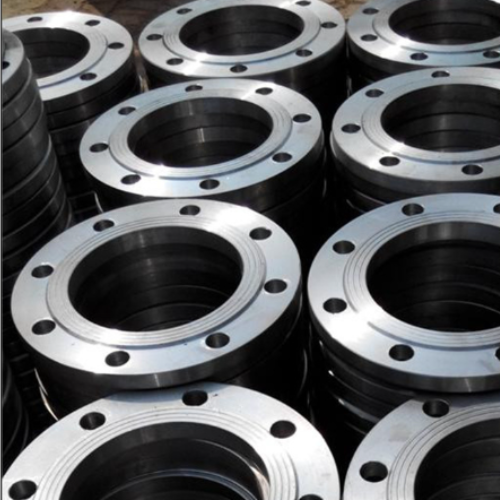
Introduction
Mini ball valves are quarter-turn valves used to control the flow of fluids, gases, or slurries within process systems. Distinguished by their compact size – typically ranging from ¼ inch to 2 inches in port diameter – they are employed in applications where space is limited, or precise flow regulation is required. Their position within the industrial chain is critical, often serving as final control elements in automated systems, or manual shut-off points in critical pipelines. Core performance characteristics center around leak-tight shutoff, minimal pressure drop when fully open, and rapid actuation. Compared to other valve types like gate or globe valves, mini ball valves excel in quick operation and sealing capability, although they may be more susceptible to wire drawing from suspended solids. Their selection is driven by fluid compatibility, pressure and temperature ratings, and the required level of automation.
Material Science & Manufacturing
The body of a mini ball valve is commonly constructed from materials such as brass (CA360, C46400), stainless steel (304, 316), or engineered plastics like PTFE, PVC, or PEEK. Brass offers cost-effectiveness and good machinability, but corrosion resistance is limited. Stainless steel provides superior corrosion resistance, especially 316 due to its molybdenum content, making it suitable for aggressive fluids. Engineered plastics provide chemical inertness but may have lower mechanical strength and temperature limitations. The ball itself is typically chrome-plated hardened carbon steel or stainless steel, providing wear resistance and smooth operation. Seals are typically PTFE (Teflon) due to its low friction coefficient and chemical compatibility. Manufacturing processes vary. Brass bodies are often investment cast or machined from bar stock. Stainless steel bodies commonly utilize precision machining or forging. Plastic bodies are usually injection molded. Critical parameter control during manufacturing includes dimensional accuracy of the ball and seat to ensure leak-tight shutoff, surface finish of the ball to minimize friction, and precise alignment of valve components. Welding, if employed (e.g., for stainless steel valve bodies), requires stringent quality control to prevent porosity or cracks. Heat treatment processes are vital for hardening the ball and enhancing its durability. Surface treatments like passivation are applied to stainless steel to further improve corrosion resistance.
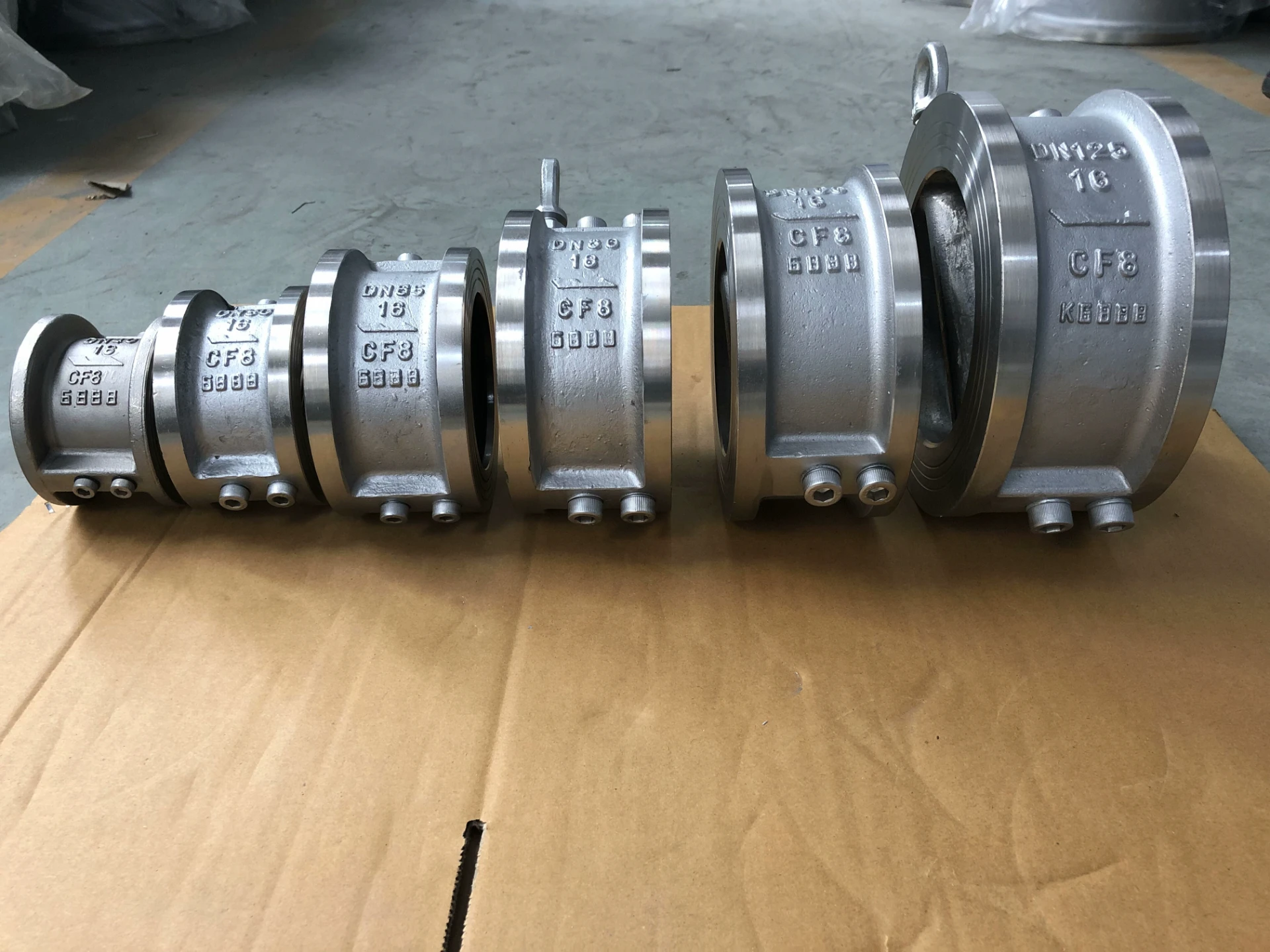
Performance & Engineering
Mini ball valve performance is governed by principles of fluid mechanics and materials science. Flow coefficient (Cv) dictates the valve's capacity to handle fluid flow at a specific pressure drop. Force analysis during operation involves assessing torque required for actuation, especially in high-pressure or viscous fluid applications. Environmental resistance is a crucial factor; exposure to UV radiation, extreme temperatures, and corrosive atmospheres can degrade materials. Compliance requirements dictate adherence to standards like NSF/ANSI 61 for potable water systems, or ATEX directives for hazardous environments. Functional implementation involves considerations such as actuation method (manual, pneumatic, electric), connection type (threaded, solder, compression), and port configuration (full bore, reduced bore). The pressure-temperature rating must be carefully selected based on the application’s operating conditions, accounting for potential pressure surges or thermal cycling. Fatigue life is a critical engineering parameter, particularly for valves subjected to frequent cycling. Finite element analysis (FEA) is frequently used to optimize valve design and ensure structural integrity under various loading conditions. Leak testing, typically using air or nitrogen, is essential to verify the valve’s sealing performance.
Technical Specifications
| Parameter | Brass Body (CA360) | Stainless Steel 316 | PTFE Body |
|---|---|---|---|
| Maximum Pressure | 600 PSI (41.4 bar) | 1000 PSI (69.0 bar) | 150 PSI (10.3 bar) |
| Temperature Range | -20°C to 90°C | -60°C to 200°C | -60°C to 150°C |
| Port Size Range | ¼” - ¾” | ¼” - 1” | ¼” - ½” |
| Connection Type | NPT, BSPT, Solder | NPT, BSPT, Flange | Threaded, Compression |
| Actuation Type | Manual, Pneumatic | Manual, Pneumatic, Electric | Manual |
| Fluid Compatibility | Water, Oil, Gas | Corrosive Fluids, Acids, Bases | Most Chemicals (check compatibility chart) |
Failure Mode & Maintenance
Common failure modes in mini ball valves include seat leakage, stem leakage, ball damage, and body cracking. Seat leakage often arises from wear, abrasion by particulates in the fluid, or deformation due to over-tightening. Stem leakage can occur due to worn or damaged O-rings or packing material. Ball damage may result from cavitation, erosion, or impact from foreign objects. Body cracking is typically associated with excessive pressure, thermal stress, or material defects. Failure analysis should involve visual inspection, pressure testing, and potentially metallographic examination to identify the root cause. Maintenance strategies include regular lubrication of the stem and seals, periodic inspection for corrosion or wear, and replacement of worn components. Preventive maintenance also involves proper valve sizing to avoid excessive pressure drop and ensuring compatibility between valve materials and the fluid being handled. For stainless steel valves, passivation treatment should be periodically reapplied to maintain corrosion resistance. Avoid using excessive force during actuation, as this can damage the valve internals. Regular cycling of the valve (opening and closing) can help prevent the seals from sticking.
Industry FAQ
Q: What is the impact of fluid velocity on the lifespan of a mini ball valve?
A: High fluid velocity can accelerate erosion of the ball and seat, leading to premature failure. Cavitation, caused by excessive velocity reduction, can also damage valve internals. It’s critical to select a valve sized appropriately for the flow rate to maintain velocity within recommended limits.
Q: How does the choice of seat material affect leak tightness?
A: PTFE is the most common seat material due to its excellent sealing properties. However, PTFE can exhibit creep under load, leading to gradual leakage. Reinforced PTFE seats, containing fillers like carbon fiber, offer improved dimensional stability and reduced creep. Other materials like PEEK offer higher temperature resistance and better mechanical strength.
Q: What are the implications of using a mini ball valve in a pulsating flow application?
A: Pulsating flow can induce fatigue stress on the valve components, especially the ball and stem. It can also contribute to seat wear. Consider using a valve specifically designed for pulsating flow or implementing a flow dampener upstream of the valve.
Q: What are the key considerations when selecting a mini ball valve for cryogenic applications?
A: Materials must be compatible with cryogenic temperatures without becoming brittle. Stainless steel alloys specifically designed for cryogenic service (e.g., 304L, 316L) are commonly used. PTFE seals may become less effective at extremely low temperatures and require specialized low-temperature compounds.
Q: How can I verify the leak tightness of a mini ball valve after installation?
A: Leak testing should be performed using a suitable test medium (air, nitrogen, or the process fluid). Apply pressure to the valve and check for any external leakage using a leak detector or soap solution. Follow the manufacturer’s recommended testing procedures.
Conclusion
Mini ball valves represent a critical component in numerous fluid control systems, offering a compact and reliable solution for on/off service. Their material selection, manufacturing processes, and performance characteristics are intricately linked, demanding careful consideration during specification. Understanding potential failure modes and implementing proactive maintenance strategies are crucial for maximizing service life and ensuring process integrity.
The continued development of advanced materials and manufacturing techniques will undoubtedly lead to further improvements in mini ball valve performance, expanding their applicability into increasingly demanding industrial environments. Future innovations may focus on reducing torque requirements, enhancing sealing capabilities, and incorporating smart features for remote monitoring and control.
-
The Essential Guide to Dual Plate Check Valves
-
Swing Check Valve Types: Reliable Flow Control & Backflow Prevention
-
Top Reasons to Choose a Stainless Steel Flange Check Valve for Industrial Applications
-
solenoid valve 3 way 2 position Performance Analysis
-
micro solenoid valve Performance Analysis
-
solenoid ball valve Performance Analysis
-
micro solenoid valves Performance Engineering
-
solenoid ball valves Performance Analysis
-
solenoid valve 5 2 Performance Analysis
-
solenoid valve stainless steel Performance Analysis
-
stainless steel solenoid valves Performance Analysis
-
solenoid valve 5/2 Performance Analysis
-
cryogenic solenoid valve Performance Analysis
-
direct acting solenoid valve Performance Analysis
-
miniature solenoid valve Performance Analysis
 Afrikaans
 Albanian
 Amharic
 Arabic
 Armenian
 Azerbaijani
 Basque
 Belarusian
 Bengali
 Bosnian
 Bulgarian
 Catalan
 Cebuano
 Corsican
 Croatian
 Czech
Czech
 Danish
 Dutch
Dutch
 Esperanto
 Estonian
 Finnish
 French
 Frisian
 Galician
 Georgian
 German
 Greek
Greek
 Gujarati
 Haitian Creole
 Hausa
Hawaiian
Hausa
Hawaiian
 Hebrew
 Hindi
Hindi
 Miao
Miao
 Hungarian
 Icelandic
 Igbo
Igbo
 Indonesian
 Irish
Irish
 Italian
 Japanese
 Javanese
Kannada
Javanese
Kannada
 Kazakh
 Khmer
Khmer
 Rwandese
 Korean
 Kurdish
 Kyrgyz
 Lao
Lao
 Latin
Latin
 Latvian
 Lithuanian
 Luxembourgish
 Macedonian
 Malgashi
 Malay
Malay
 Malayalam
 Maltese
 Maori
Maori
 Marathi
 Mongolian
 Myanmar
 Nepali
 Norwegian
 Norwegian
 Occitan
 Pashto
 Persian
 Polish
 Portuguese
Punjabi
Portuguese
Punjabi
 Romanian
 Russian
 Samoan
 Scottish Gaelic
 Serbian
 Sesotho
 Shona
Shona
 Sindhi
 Sinhala
 Slovak
 Slovenian
 Somali
 Spanish
 Sundanese
 Swahili
 Swedish
Tagalog
Swedish
Tagalog
 Tajik
Tajik
 Tamil
Tamil
 Tatar
Tatar
 Telugu
 Thai
Thai
 Turkish
 Turkmen
 Ukrainian
 Urdu
Urdu
 Uighur
 Uzbek
Uzbek
 Vietnamese
 Welsh
Welsh
 Bantu
Bantu
 Yiddish
 Yoruba
 Zulu
Zulu
 English