




non return valve Performance Analysis
Introduction
Non-return valves, also known as check valves, are critical components in fluid handling systems across diverse industries including oil and gas, water treatment, chemical processing, and power generation. Their primary function is to ensure unidirectional flow of fluids – permitting flow in only one direction and automatically preventing backflow. This capability is fundamental to maintaining system integrity, preventing damage to equipment (such as pumps), and ensuring process safety. Unlike isolation valves requiring manual operation, check valves are entirely passive, responding directly to pressure differentials. This guide provides a comprehensive technical overview of non-return valves, encompassing material science, manufacturing processes, performance characteristics, failure modes, and relevant industry standards. The core industry pain point addressed by effective check valve selection and maintenance is preventing costly system failures, downtime, and environmental hazards associated with uncontrolled fluid reversal.
Material Science & Manufacturing
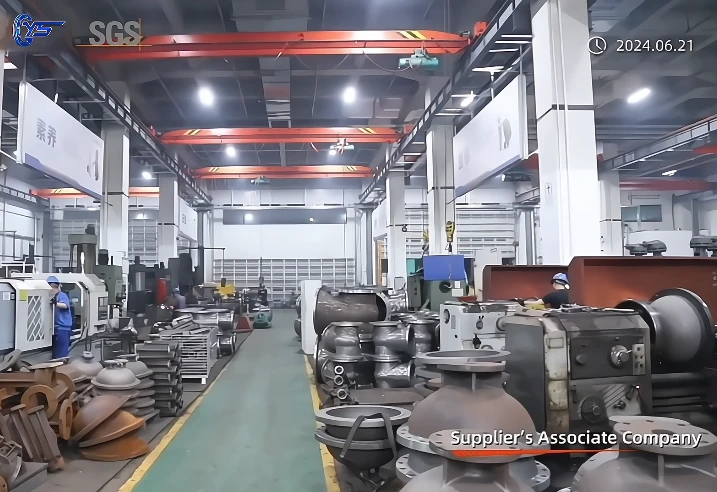
The selection of materials for non-return valve construction is heavily dictated by the fluid handled, operating temperature, pressure, and potential for corrosion or erosion. Common body materials include cast iron (ASTM A126 Grade B), ductile iron (ASTM A536 65-45-12), stainless steel (304/316 – ASTM A351), and various alloys (e.g., Hastelloy for highly corrosive environments). Internal components, particularly the disc or poppet, frequently employ materials resistant to wear and erosion, such as hardened stainless steel (410, 420), ceramic, or specialized polymers (PTFE, PEEK). Manufacturing processes vary depending on valve size, complexity, and material. Smaller valves are often produced via investment casting followed by precision machining. Larger valves often involve sand casting followed by extensive machining and welding. Critical parameters during manufacturing include dimensional accuracy of the valve seat and disc, surface finish to minimize friction and ensure a tight seal, and weld quality for joined components. Welding, where applicable (e.g., body construction), requires adherence to standards like ASME Section IX for qualified welding procedures and welder performance. Polymer components are typically produced via injection molding, where precise temperature and pressure control are essential to achieving desired mechanical properties and dimensional tolerances. Heat treatment processes, such as annealing and quenching, are employed to optimize the mechanical properties of metallic components, enhancing their strength, ductility, and resistance to corrosion.
Performance & Engineering
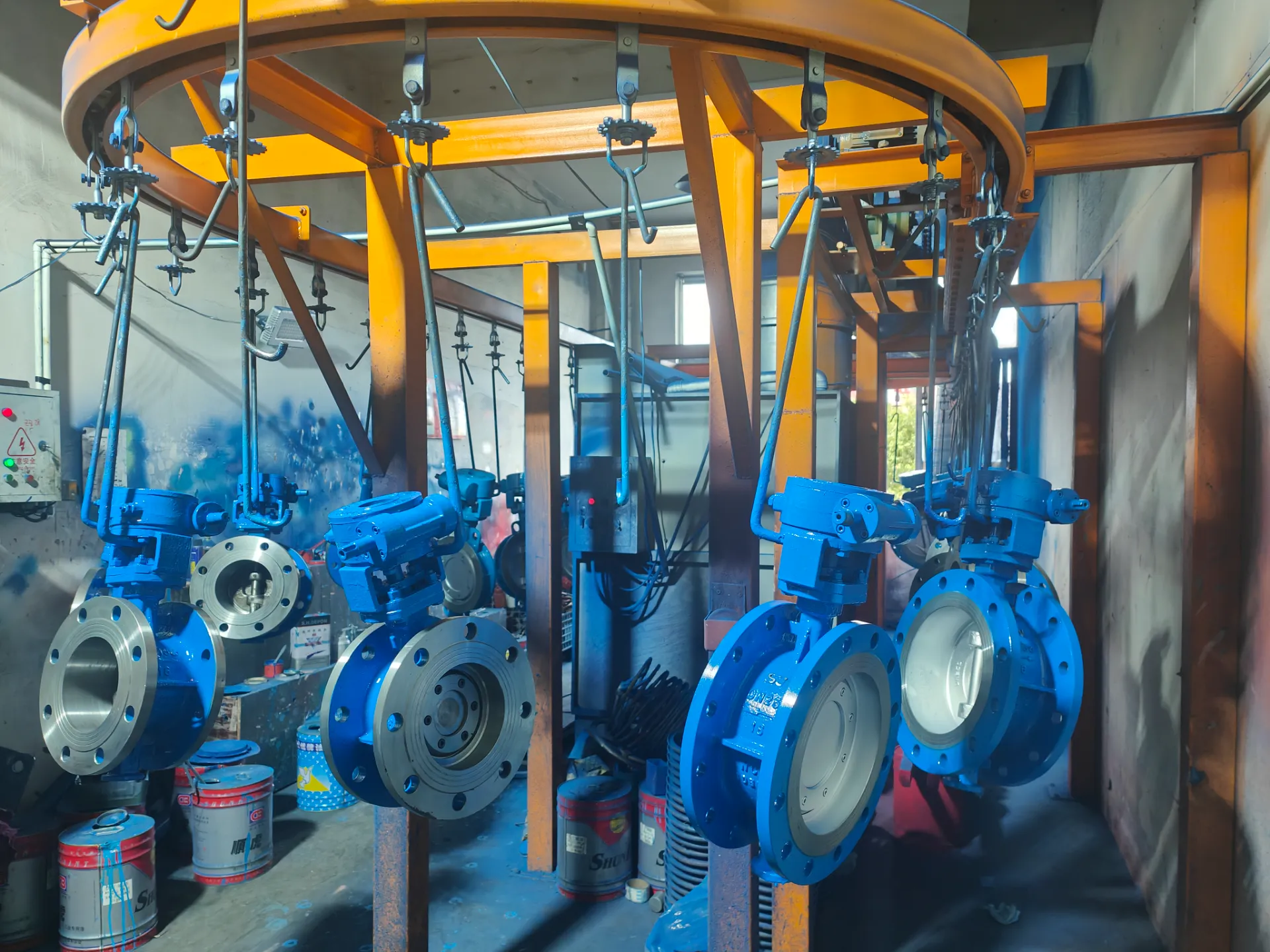
The performance of a non-return valve is characterized by its flow coefficient (Cv), pressure drop, leakage rate, and response time. The flow coefficient quantifies the valve’s capacity to pass a given flow rate at a specific pressure drop. Pressure drop is directly related to fluid velocity and valve geometry; minimizing pressure drop is critical for energy efficiency. Leakage rate, measured in terms of allowable backflow volume per unit time, is a key indicator of valve sealing effectiveness. Response time, the time taken for the valve to close upon detection of reverse flow, is crucial in dynamic systems to prevent water hammer or process disruptions. Engineering considerations encompass force analysis during valve closure, particularly in larger valves where the kinetic energy of the fluid can generate significant impact forces. Valve designs incorporate dampening mechanisms to mitigate these forces and prevent premature failure. Environmental resistance, including temperature variations, UV exposure (for polymer components), and exposure to corrosive media, must be accounted for in material selection and valve design. Compliance with industry standards, such as API 598 (Valve Inspection and Testing) and ISO 5208 (Pressure testing of valves), is essential to ensure valve performance meets specified requirements. Finite element analysis (FEA) is commonly employed during the design phase to optimize valve geometry, predict stress distribution, and validate structural integrity under various operating conditions.
Technical Specifications
| Parameter | Swing Check Valve (Carbon Steel) | Lift Check Valve (Stainless Steel 316) | Ball Check Valve (PVC) | Wafer Check Valve (Ductile Iron) |
|---|---|---|---|---|
| Maximum Pressure (PSI) | 200 | 300 | 150 | 250 |
| Temperature Range (°F) | -20 to 450 | -40 to 500 | 32 to 140 | -20 to 300 |
| Cv (Flow Coefficient) | 1.2 | 0.8 | 0.5 | 1.5 |
| Leakage Rate (%) | 0.1 | 0.05 | 0.2 | 0.15 |
| Connection Type | Screwed/Flanged | Flanged | Socket/Threaded | Wafer |
| Applicable Standard | API 598 | ISO 5208 | ASTM D1785 | MSS SP-81 |
Failure Mode & Maintenance
Non-return valves are susceptible to several failure modes, including disc or poppet sticking, seat erosion, corrosion, fatigue cracking, and foreign object damage. Disc sticking is often caused by debris accumulation or lack of lubrication, preventing proper valve closure. Seat erosion results from abrasive particles in the fluid stream, gradually degrading the sealing surface. Corrosion, particularly in aggressive chemical environments, weakens the valve body and internal components. Fatigue cracking can occur in valves subjected to cyclic pressure fluctuations and vibration. Foreign object damage arises from the ingress of solids that obstruct valve movement or damage the sealing surfaces. Maintenance strategies include regular inspection for signs of wear or corrosion, cleaning to remove debris, lubrication of moving parts, and replacement of worn components. Preventative maintenance programs involving scheduled inspections and testing can significantly extend valve life and prevent unexpected failures. For valves operating in critical applications, non-destructive testing (NDT) methods, such as ultrasonic testing and radiography, can detect internal flaws before they lead to catastrophic failure. Proper installation, ensuring correct orientation and adequate support, is also crucial to prevent stress-induced failures. In instances of persistent leakage or sticking, complete valve overhaul or replacement may be necessary.
Industry FAQ
Q: What are the key differences between swing check valves and lift check valves, and which is more suitable for slurry applications?
A: Swing check valves utilize a hinged disc that swings open with flow and closes against a seat due to reverse flow. They offer low pressure drop but are susceptible to water hammer. Lift check valves employ a poppet or disc that lifts off the seat with flow and seals directly upon it when flow stops. They are better suited for applications with frequent flow reversals and are less prone to water hammer. For slurry applications, lift check valves are generally preferred due to their ability to shed solids more effectively and minimize clogging. The straight-through flow path of a lift check valve reduces the likelihood of solid particles accumulating and obstructing the valve.
Q: How does the material of construction impact the longevity of a check valve in a corrosive environment?
A: The material of construction is paramount in corrosive environments. Carbon steel check valves will rapidly corrode in the presence of acids, chlorides, or other aggressive chemicals. Stainless steel alloys (316, for instance) offer significantly improved corrosion resistance. However, even stainless steel can be susceptible to pitting or crevice corrosion in certain conditions. For highly corrosive applications, more exotic alloys like Hastelloy or titanium are often necessary. Additionally, coatings such as PTFE or epoxy can provide a barrier between the fluid and the valve material, extending its lifespan.
Q: What is the importance of the 'Cracked Open' position in a swing check valve, and how does it relate to flow dynamics?
A: The 'Cracked Open' position refers to a state where the disc of a swing check valve is slightly open even with some forward flow. This occurs due to slight imperfections in the seating surfaces or minor pressure fluctuations. While seemingly undesirable, a small amount of cracked open flow can actually reduce water hammer by allowing some backflow to dampen pressure surges. However, excessive cracking can lead to increased leakage and wear. Proper valve selection and maintenance are vital to minimize cracking while maintaining acceptable performance.
Q: How do you determine the appropriate size of a check valve for a given pipeline?
A: Check valve sizing requires careful consideration of flow rate, fluid properties, and pressure drop. The valve’s Cv (flow coefficient) must be sufficient to handle the maximum expected flow rate without excessive pressure loss. The pipeline's inner diameter and fluid velocity also influence the selection. Typically, a check valve should be sized to be equal to or slightly larger than the pipeline’s inner diameter to minimize flow restriction. Manufacturer’s sizing charts and engineering calculations are crucial to ensuring proper valve selection.
Q: What are the common causes of frequent check valve failures, and what proactive measures can be taken?
A: Frequent failures are often linked to improper installation, inadequate maintenance, or incorrect valve selection. Common causes include debris accumulation, corrosion, water hammer, and excessive pressure fluctuations. Proactive measures include implementing a regular inspection and maintenance program, ensuring proper valve orientation during installation, utilizing strainers or filters upstream of the valve to remove debris, selecting materials compatible with the fluid being handled, and incorporating surge suppression devices to mitigate water hammer.
Conclusion
Non-return valves are indispensable components in numerous fluid handling systems, providing a vital safeguard against backflow and ensuring operational integrity. The selection of appropriate materials, manufacturing processes, and valve types is critical to achieving reliable performance and minimizing the risk of failure. Understanding the potential failure modes and implementing proactive maintenance strategies are essential for maximizing valve lifespan and preventing costly downtime.
Future advancements in check valve technology are focused on developing self-cleaning designs, incorporating smart sensors for remote monitoring, and utilizing advanced materials with enhanced corrosion resistance. These innovations promise to further improve valve reliability, reduce maintenance costs, and enhance overall system efficiency.
-
The Essential Guide to Dual Plate Check Valves
-
Swing Check Valve Types: Reliable Flow Control & Backflow Prevention
-
Top Reasons to Choose a Stainless Steel Flange Check Valve for Industrial Applications
-
solenoid valve 3 way 2 position Performance Analysis
-
micro solenoid valve Performance Analysis
-
solenoid ball valve Performance Analysis
-
micro solenoid valves Performance Engineering
-
solenoid ball valves Performance Analysis
-
solenoid valve 5 2 Performance Analysis
-
solenoid valve stainless steel Performance Analysis
-
stainless steel solenoid valves Performance Analysis
-
solenoid valve 5/2 Performance Analysis
-
cryogenic solenoid valve Performance Analysis
-
direct acting solenoid valve Performance Analysis
-
miniature solenoid valve Performance Analysis
 Afrikaans
 Albanian
 Amharic
 Arabic
 Armenian
 Azerbaijani
 Basque
 Belarusian
 Bengali
 Bosnian
 Bulgarian
 Catalan
 Cebuano
 Corsican
 Croatian
 Czech
Czech
 Danish
 Dutch
Dutch
 Esperanto
 Estonian
 Finnish
 French
 Frisian
 Galician
 Georgian
 German
 Greek
Greek
 Gujarati
 Haitian Creole
 Hausa
Hawaiian
Hausa
Hawaiian
 Hebrew
 Hindi
Hindi
 Miao
Miao
 Hungarian
 Icelandic
 Igbo
Igbo
 Indonesian
 Irish
Irish
 Italian
 Japanese
 Javanese
Kannada
Javanese
Kannada
 Kazakh
 Khmer
Khmer
 Rwandese
 Korean
 Kurdish
 Kyrgyz
 Lao
Lao
 Latin
Latin
 Latvian
 Lithuanian
 Luxembourgish
 Macedonian
 Malgashi
 Malay
Malay
 Malayalam
 Maltese
 Maori
Maori
 Marathi
 Mongolian
 Myanmar
 Nepali
 Norwegian
 Norwegian
 Occitan
 Pashto
 Persian
 Polish
 Portuguese
Punjabi
Portuguese
Punjabi
 Romanian
 Russian
 Samoan
 Scottish Gaelic
 Serbian
 Sesotho
 Shona
Shona
 Sindhi
 Sinhala
 Slovak
 Slovenian
 Somali
 Spanish
 Sundanese
 Swahili
 Swedish
Tagalog
Swedish
Tagalog
 Tajik
Tajik
 Tamil
Tamil
 Tatar
Tatar
 Telugu
 Thai
Thai
 Turkish
 Turkmen
 Ukrainian
 Urdu
Urdu
 Uighur
 Uzbek
Uzbek
 Vietnamese
 Welsh
Welsh
 Bantu
Bantu
 Yiddish
 Yoruba
 Zulu
Zulu
 English