




plastic check valve Performance Analysis
Introduction
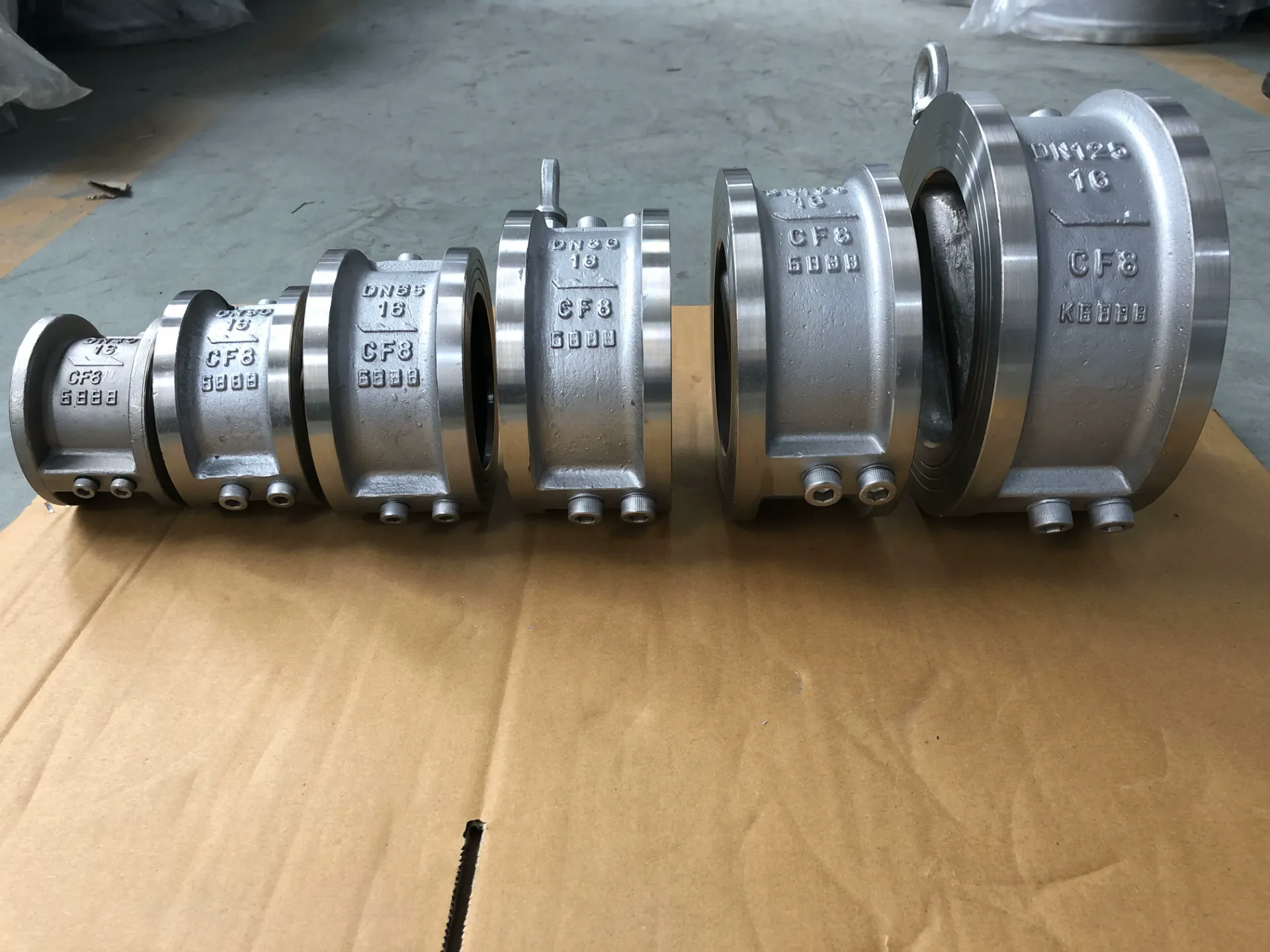
Plastic check valves are unidirectional flow control devices integral to numerous industrial processes, primarily utilized within fluid handling systems. Positioned within the industry chain as a critical component following pumps, compressors, or reservoirs, they prevent backflow, safeguarding equipment and maintaining process integrity. Constructed from a variety of thermoplastic materials, these valves offer advantages over metallic counterparts in corrosive environments and applications requiring lightweight components. Core performance characteristics revolve around minimal pressure drop, positive shut-off, and resistance to chemical attack. Their functionality is paramount in applications like chemical processing, wastewater treatment, irrigation, and pharmaceutical manufacturing where maintaining unidirectional flow and preventing contamination are vital. Selection hinges upon material compatibility with the conveyed fluid, operational temperature, and pressure requirements.
Material Science & Manufacturing
The selection of plastic materials for check valve construction is dictated by the intended application and fluid compatibility. Common materials include Polyvinyl Chloride (PVC) – known for its cost-effectiveness and resistance to many acids and bases, but with limited temperature tolerance; Chlorinated Polyvinyl Chloride (CPVC) – offering improved temperature resistance over PVC; Polypropylene (PP) – demonstrating excellent chemical resistance, particularly to organic solvents; and Polyvinylidene Fluoride (PVDF) – exhibiting superior chemical resistance, high-temperature capabilities, and UV stability, albeit at a higher cost. The choice also considers the specific grade of each polymer – for example, varying molecular weight and the inclusion of plasticizers influence flexibility and long-term performance. Manufacturing processes commonly employed include injection molding, particularly for complex valve body geometries and intricate internal components. Critical parameters during injection molding include melt temperature, mold temperature, injection pressure, and cooling rate – each impacting the final part’s crystallinity, dimensional accuracy, and mechanical properties. Welding, specifically solvent cementing for PVC and CPVC, is used to join components, demanding precise surface preparation and adhesive application to ensure a hermetic seal. For larger diameter valves, rotational molding might be implemented. Quality control focuses on material certification, dimensional inspection using Coordinate Measuring Machines (CMMs), and hydrostatic pressure testing to verify leak-free operation.
Performance & Engineering
Performance of plastic check valves is fundamentally governed by fluid dynamics and material behavior under stress. Flow coefficient (Cv) is a critical parameter, quantifying the valve's capacity to pass fluid at a given pressure drop. Engineering analysis focuses on minimizing flow restriction while ensuring positive shut-off. The valve’s spring mechanism, frequently constructed from a corrosion-resistant alloy or reinforced thermoplastic, is designed to overcome fluid pressure and maintain seating. Force analysis considers the hydrodynamic forces exerted by the fluid on the disc and the spring force required for reliable closure. Environmental resistance is a paramount concern. UV exposure can lead to polymer degradation, causing embrittlement and loss of mechanical strength. Chemical compatibility is rigorously assessed – prolonged exposure to incompatible fluids can induce swelling, cracking, or dissolution of the valve material. Compliance requirements dictate adherence to standards such as NSF/ANSI 61 for potable water applications, ensuring the valve materials do not leach harmful contaminants. Finite Element Analysis (FEA) is used to optimize valve geometry and stress distribution, preventing premature failure. Furthermore, the valve's performance is influenced by installation orientation, and manufacturers specify recommended orientations to ensure proper functionality and minimize wear.
Technical Specifications
| Material of Construction | Maximum Operating Pressure (PSI) | Temperature Range (°F) | Connection Type |
|---|---|---|---|
| PVC | 150 | 0-140 | Socket Weld, Threaded |
| CPVC | 200 | 20-200 | Socket Weld, Threaded |
| PP | 100 | 32-176 | Socket Weld, Flanged |
| PVDF | 250 | -40-250 | Flanged, Butt Weld |
| UPVC | 100 | -10-60 | Socket Weld, Threaded |
| Fiberglass Reinforced PP | 180 | 32-194 | Flanged |
Failure Mode & Maintenance
Plastic check valves are susceptible to various failure modes. Chemical attack, particularly from aggressive solvents or oxidizing agents, can cause material degradation, leading to cracking and leakage. UV degradation, as previously mentioned, induces embrittlement and reduced impact resistance. Fatigue cracking can occur in the spring mechanism or valve body due to repeated stress cycles. Hydrostatic fatigue, caused by prolonged exposure to high pressure, can also initiate cracks. Foreign particle impingement can damage the seating surface, compromising the valve’s ability to achieve a tight shut-off. Creep, a time-dependent deformation under constant stress, can distort the valve body and affect functionality, especially at elevated temperatures. Maintenance procedures include regular visual inspection for cracks, discoloration, or swelling. Periodic cleaning to remove debris and scale buildup is essential. Lubrication of the spring mechanism with a compatible lubricant extends its lifespan. Preventative maintenance should include flushing the system to remove abrasive particles. If a valve exhibits leakage or malfunctions, it should be replaced rather than repaired, as repairing plastic valves is generally not cost-effective or reliable. Proper storage of spare valves in a cool, dry, and UV-protected environment is crucial to prevent premature degradation.
Industry FAQ
Q: What are the primary factors to consider when selecting a plastic check valve for a corrosive chemical application?
A: The most critical factor is material compatibility. PVDF generally offers the broadest chemical resistance, but PP and CPVC can be suitable for less aggressive chemicals. Consult a chemical resistance chart to verify compatibility with the specific fluid. Consider temperature and pressure, as these influence the rate of chemical attack. Also, ensure the valve’s construction meets any relevant industry standards for chemical handling.
Q: How does temperature affect the performance and lifespan of a PVC check valve?
A: PVC’s mechanical properties degrade significantly at elevated temperatures. Above 140°F, PVC becomes increasingly brittle and susceptible to cracking. High temperatures also accelerate chemical attack. Therefore, it's crucial to operate PVC check valves within their specified temperature range. CPVC offers improved temperature resistance, but even CPVC has limitations.
Q: What is the impact of backpressure on the spring mechanism of a plastic check valve?
A: Excessive backpressure can overstress the spring mechanism, leading to premature fatigue and failure. The valve’s spring force must be sufficient to overcome the maximum expected backpressure while maintaining a reliable seal. Regular inspection of the spring is crucial, especially in applications with fluctuating pressure.
Q: Are plastic check valves suitable for high-flow applications?
A: Plastic check valves are generally suitable for moderate-to-high flow applications, but it’s essential to select a valve with an appropriate flow coefficient (Cv). Larger diameter valves and streamlined designs minimize pressure drop and maximize flow capacity. Proper sizing is critical to avoid cavitation and erosion.
Q: What is the expected service life of a plastic check valve, and what factors influence it?
A: The service life varies significantly based on application conditions. Typically, a properly selected and maintained plastic check valve can last 5-10 years. Factors influencing lifespan include fluid compatibility, temperature, pressure, UV exposure, and the presence of abrasive particles. Regular inspection and preventative maintenance are key to maximizing service life.
Conclusion
Plastic check valves represent a versatile and cost-effective solution for unidirectional flow control in a wide array of industrial applications. Their selection requires careful consideration of material compatibility, operating conditions, and relevant industry standards. Understanding the potential failure modes and implementing preventative maintenance strategies are vital for ensuring long-term reliability and minimizing downtime.
The ongoing development of advanced thermoplastic materials and manufacturing techniques continues to expand the performance capabilities of plastic check valves, enabling their use in increasingly demanding environments. Future trends likely include the integration of smart sensors for condition monitoring and predictive maintenance, further enhancing their reliability and optimizing process efficiency. Proper engineering and adherence to established specifications remain paramount for maximizing the benefits of this critical component.
-
The Essential Guide to Dual Plate Check Valves
-
Swing Check Valve Types: Reliable Flow Control & Backflow Prevention
-
Top Reasons to Choose a Stainless Steel Flange Check Valve for Industrial Applications
-
solenoid valve 3 way 2 position Performance Analysis
-
micro solenoid valve Performance Analysis
-
solenoid ball valve Performance Analysis
-
micro solenoid valves Performance Engineering
-
solenoid ball valves Performance Analysis
-
solenoid valve 5 2 Performance Analysis
-
solenoid valve stainless steel Performance Analysis
-
stainless steel solenoid valves Performance Analysis
-
solenoid valve 5/2 Performance Analysis
-
cryogenic solenoid valve Performance Analysis
-
direct acting solenoid valve Performance Analysis
-
miniature solenoid valve Performance Analysis
 Afrikaans
 Albanian
 Amharic
 Arabic
 Armenian
 Azerbaijani
 Basque
 Belarusian
 Bengali
 Bosnian
 Bulgarian
 Catalan
 Cebuano
 Corsican
 Croatian
 Czech
Czech
 Danish
 Dutch
Dutch
 Esperanto
 Estonian
 Finnish
 French
 Frisian
 Galician
 Georgian
 German
 Greek
Greek
 Gujarati
 Haitian Creole
 Hausa
Hawaiian
Hausa
Hawaiian
 Hebrew
 Hindi
Hindi
 Miao
Miao
 Hungarian
 Icelandic
 Igbo
Igbo
 Indonesian
 Irish
Irish
 Italian
 Japanese
 Javanese
Kannada
Javanese
Kannada
 Kazakh
 Khmer
Khmer
 Rwandese
 Korean
 Kurdish
 Kyrgyz
 Lao
Lao
 Latin
Latin
 Latvian
 Lithuanian
 Luxembourgish
 Macedonian
 Malgashi
 Malay
Malay
 Malayalam
 Maltese
 Maori
Maori
 Marathi
 Mongolian
 Myanmar
 Nepali
 Norwegian
 Norwegian
 Occitan
 Pashto
 Persian
 Polish
 Portuguese
Punjabi
Portuguese
Punjabi
 Romanian
 Russian
 Samoan
 Scottish Gaelic
 Serbian
 Sesotho
 Shona
Shona
 Sindhi
 Sinhala
 Slovak
 Slovenian
 Somali
 Spanish
 Sundanese
 Swahili
 Swedish
Tagalog
Swedish
Tagalog
 Tajik
Tajik
 Tamil
Tamil
 Tatar
Tatar
 Telugu
 Thai
Thai
 Turkish
 Turkmen
 Ukrainian
 Urdu
Urdu
 Uighur
 Uzbek
Uzbek
 Vietnamese
 Welsh
Welsh
 Bantu
Bantu
 Yiddish
 Yoruba
 Zulu
Zulu
 English