




Plug Valve Performance Analysis
Introduction
Plug valves are a type of quarter-turn valve used to stop or regulate flow. Positioned within the fluid flow path, a cylindrical or conical ‘plug’ with a bore through it controls the passage of media. Unlike ball valves which use a spherical closure element, plug valves utilize a plug, typically tapered, offering a tighter shut-off and reduced pressure drop in fully open positions. They are predominantly found in applications requiring infrequent operation, such as isolation services in chemical processing, oil & gas, and wastewater treatment. Their robust design and relative simplicity contribute to their reliability and longevity. Core performance characteristics include shut-off integrity, pressure rating, and compatibility with various fluid media, making them a critical component in numerous industrial pipelines. The industry currently faces challenges relating to maintaining tight seals over extended periods, especially with abrasive media, and ensuring consistent torque requirements for automated operation.
Material Science & Manufacturing
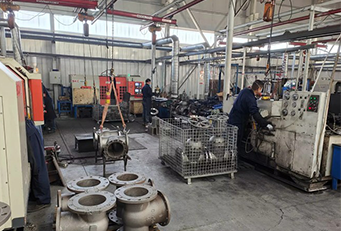
Plug valves are manufactured from a range of materials dictated by the fluid being handled and the operating conditions. Common materials include carbon steel (ASTM A105, A350), stainless steels (304, 316, Duplex), alloy steels (F11, F22), and specialized polymers like PTFE and PEEK for lining the valve body. The plug itself is often constructed from the same material as the body, or a more wear-resistant alloy. Manufacturing begins with forging or casting of the valve body, followed by machining to precise dimensions. Critical parameters include the bore diameter, taper angle (typically 1:8 to 1:12), and surface finish within the bore. Welding processes (SMAW, GTAW) are commonly used for carbon steel bodies, requiring stringent quality control to prevent porosity and ensure structural integrity (AWS D1.1). For polymer-lined valves, a sintering or coating process is employed to create a chemically resistant barrier. Material compatibility is paramount; for example, using carbon steel in highly corrosive environments will lead to rapid degradation. Quality control during manufacturing includes dimensional inspection using Coordinate Measuring Machines (CMMs), non-destructive testing (NDT) such as radiographic testing (RT) and liquid penetrant testing (PT) to identify flaws, and hydrostatic testing to verify pressure tightness.
Performance & Engineering
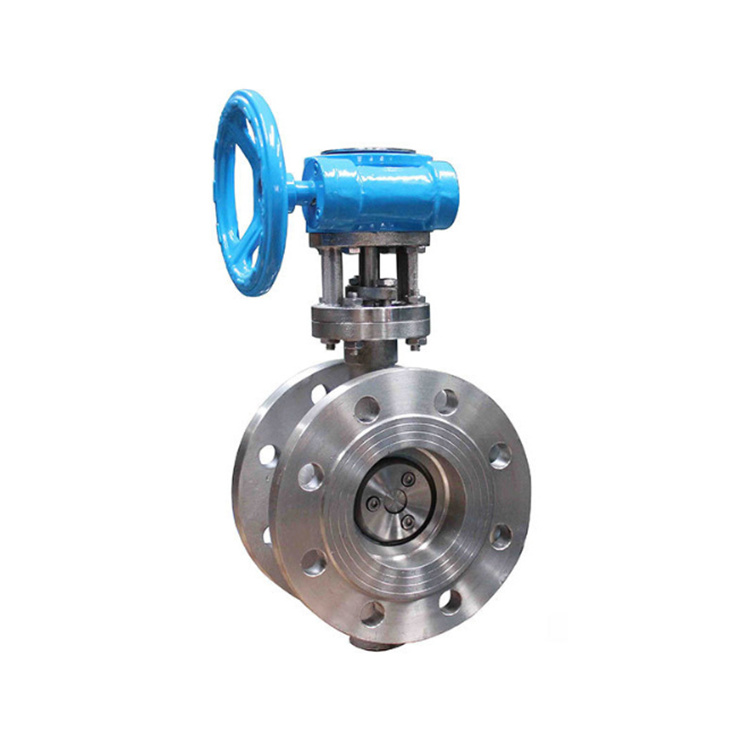
The performance of a plug valve hinges on its ability to provide a leak-tight shut-off and minimize pressure drop. Force analysis focuses on the sealing forces generated by the plug against the valve body. This is directly related to the applied torque and the geometry of the sealing surfaces. Finite Element Analysis (FEA) is utilized to optimize the plug design and ensure structural integrity under pressure and temperature variations. Environmental resistance is crucial; valves operating in corrosive environments require appropriate material selection and coatings. Compliance requirements depend on the application. For oil & gas (API 6D), stringent testing and certification procedures are mandatory. For potable water applications (NSF/ANSI 61), materials must meet strict leaching standards. Functional implementation depends on the actuator type (manual, pneumatic, electric). Pneumatic actuators require precise control of air pressure to achieve accurate positioning, while electric actuators demand careful consideration of motor torque and speed. The valve’s Kv/Cv value (flow coefficient) dictates its flow capacity and is a key engineering parameter for system design. Proper lubrication of the plug and stem is essential for smooth operation and reduced wear, with lubricant selection based on temperature and fluid compatibility.
Technical Specifications
| Parameter | Unit | Typical Value (Carbon Steel) | Typical Value (316 Stainless Steel) |
|---|---|---|---|
| Maximum Operating Pressure | psi | 900 | 750 |
| Temperature Range | °F | -20 to 450 | -20 to 650 |
| Bore Diameter | inches | 0.5 - 24 | 0.5 - 24 |
| Connection Type | - | Screwed, Flanged, Welded | Screwed, Flanged, Welded |
| Actuation Type | - | Manual, Gear Operated, Pneumatic, Electric | Manual, Gear Operated, Pneumatic, Electric |
| Leakage Class (API 598) | - | Class VI (Bubble Tight) | Class VI (Bubble Tight) |
Failure Mode & Maintenance
Plug valves are susceptible to several failure modes. Erosion and abrasion of the sealing surfaces, particularly with abrasive media, is a common issue, leading to leakage. Fatigue cracking can occur in the plug or body due to cyclic loading, especially at elevated temperatures. Corrosion, particularly galvanic corrosion between dissimilar metals, can weaken the valve structure. Cavitation, caused by rapid pressure changes, can erode the plug and body. Failure analysis typically involves visual inspection, dye penetrant testing, and metallurgical examination of fractured components. Maintenance includes regular inspection of the sealing surfaces, lubrication of the plug and stem, and replacement of worn components. Preventive maintenance schedules should be based on the operating conditions and the fluid being handled. For polymer-lined valves, regular inspection of the lining is critical to detect any signs of degradation. Proper torque application during installation and maintenance is essential to avoid over-compression or under-compression of the sealing surfaces. Replacement of the entire valve is usually necessary if the body is severely corroded or cracked.
Industry FAQ
Q: What is the primary advantage of a plug valve over a ball valve in high-temperature applications?
A: While both are quarter-turn valves, plug valves, particularly those with metal seating, generally exhibit superior high-temperature performance due to the larger sealing surface area and the ability to utilize materials with higher temperature resistance compared to the polymeric seats often found in ball valves. This translates to reduced thermal expansion stresses and a more reliable seal at elevated temperatures.
Q: How does the taper angle of the plug affect the valve's shut-off capability and torque requirements?
A: A steeper taper angle (e.g., 1:8) provides a tighter shut-off but requires higher torque to operate. A shallower taper (e.g., 1:12) reduces torque requirements but may compromise shut-off integrity, particularly with viscous fluids or particulate matter. The optimal taper angle is a compromise between these two factors.
Q: What are the key considerations when selecting a lubricant for a plug valve?
A: Lubricant selection must consider the fluid being handled, the operating temperature, and the valve materials. Compatibility with the fluid is paramount to prevent swelling or degradation of the lubricant. High-temperature applications require lubricants with high thermal stability. The lubricant must also be compatible with the valve body and plug materials to avoid corrosion.
Q: Can a plug valve be used for throttling service? What are the limitations?
A: While plug valves can be used for limited throttling, they are not ideally suited for this application. The high velocity of the fluid across the plug can cause erosion and damage the sealing surfaces. Furthermore, the flow characteristic is not linear, making precise flow control difficult. Ball valves or butterfly valves are generally preferred for throttling service.
Q: What non-destructive testing (NDT) methods are commonly employed during plug valve manufacturing and maintenance?
A: Common NDT methods include Liquid Penetrant Testing (PT) to detect surface cracks, Magnetic Particle Inspection (MPI) for detecting surface and near-surface flaws in ferromagnetic materials, Radiographic Testing (RT) for internal flaw detection, and Ultrasonic Testing (UT) for thickness measurement and internal defect detection. Hydrostatic testing is also crucial to verify pressure tightness.
Conclusion
Plug valves remain a vital component in numerous industrial applications due to their simple design, reliable shut-off capabilities, and adaptability to diverse operating conditions. Selecting the appropriate materials and adhering to rigorous manufacturing and maintenance procedures are crucial for maximizing valve lifespan and ensuring process safety. The ongoing challenges related to abrasive media, high-temperature applications, and automated control necessitate continuous advancements in material science and sealing technologies.
Future development efforts will likely focus on novel sealing materials, improved surface coatings, and advanced actuator control systems. Furthermore, the integration of predictive maintenance techniques, utilizing sensor data and machine learning algorithms, will enable proactive identification of potential failures and optimize maintenance schedules, enhancing overall system reliability and reducing downtime.
-
The Essential Guide to Dual Plate Check Valves
-
Swing Check Valve Types: Reliable Flow Control & Backflow Prevention
-
Top Reasons to Choose a Stainless Steel Flange Check Valve for Industrial Applications
-
solenoid valve 3 way 2 position Performance Analysis
-
micro solenoid valve Performance Analysis
-
solenoid ball valve Performance Analysis
-
micro solenoid valves Performance Engineering
-
solenoid ball valves Performance Analysis
-
solenoid valve 5 2 Performance Analysis
-
solenoid valve stainless steel Performance Analysis
-
stainless steel solenoid valves Performance Analysis
-
solenoid valve 5/2 Performance Analysis
-
cryogenic solenoid valve Performance Analysis
-
direct acting solenoid valve Performance Analysis
-
miniature solenoid valve Performance Analysis
 Afrikaans
 Albanian
 Amharic
 Arabic
 Armenian
 Azerbaijani
 Basque
 Belarusian
 Bengali
 Bosnian
 Bulgarian
 Catalan
 Cebuano
 Corsican
 Croatian
 Czech
Czech
 Danish
 Dutch
Dutch
 Esperanto
 Estonian
 Finnish
 French
 Frisian
 Galician
 Georgian
 German
 Greek
Greek
 Gujarati
 Haitian Creole
 Hausa
Hawaiian
Hausa
Hawaiian
 Hebrew
 Hindi
Hindi
 Miao
Miao
 Hungarian
 Icelandic
 Igbo
Igbo
 Indonesian
 Irish
Irish
 Italian
 Japanese
 Javanese
Kannada
Javanese
Kannada
 Kazakh
 Khmer
Khmer
 Rwandese
 Korean
 Kurdish
 Kyrgyz
 Lao
Lao
 Latin
Latin
 Latvian
 Lithuanian
 Luxembourgish
 Macedonian
 Malgashi
 Malay
Malay
 Malayalam
 Maltese
 Maori
Maori
 Marathi
 Mongolian
 Myanmar
 Nepali
 Norwegian
 Norwegian
 Occitan
 Pashto
 Persian
 Polish
 Portuguese
Punjabi
Portuguese
Punjabi
 Romanian
 Russian
 Samoan
 Scottish Gaelic
 Serbian
 Sesotho
 Shona
Shona
 Sindhi
 Sinhala
 Slovak
 Slovenian
 Somali
 Spanish
 Sundanese
 Swahili
 Swedish
Tagalog
Swedish
Tagalog
 Tajik
Tajik
 Tamil
Tamil
 Tatar
Tatar
 Telugu
 Thai
Thai
 Turkish
 Turkmen
 Ukrainian
 Urdu
Urdu
 Uighur
 Uzbek
Uzbek
 Vietnamese
 Welsh
Welsh
 Bantu
Bantu
 Yiddish
 Yoruba
 Zulu
Zulu
 English