




Screw Flanges Performance Analysis

Introduction
Screw flanges are a critical joining component in piping systems, used to connect sections of pipe or to connect pipes to valves, pumps, and other equipment. Positioned within the industrial chain as a fundamental element of pressure containment and fluid transfer, their performance directly impacts the safety, efficiency, and reliability of numerous processes across sectors like oil & gas, chemical processing, power generation, and water treatment. Unlike welded connections which are permanent, screw flanges provide a detachable, repeatable joint. They consist of two flange halves bolted together with a gasket between them to create a leak-tight seal. Core performance characteristics revolve around pressure rating, temperature resistance, material compatibility with the conveyed fluid, and the integrity of the bolted connection under varying loads and operational conditions. The selection of appropriate flange material, gasket type, and bolting materials is paramount to ensure long-term service life and prevent catastrophic failures. This guide provides an in-depth exploration of screw flanges, encompassing material science, manufacturing processes, performance engineering, failure analysis, and relevant industry standards.
Material Science & Manufacturing
Screw flanges are commonly manufactured from carbon steel (ASTM A105, A36), stainless steel (304/304L, 316/316L), alloy steel (A182 F304, F316), and occasionally, specialized materials like duplex stainless steel or nickel alloys depending on the application’s corrosive environment and temperature requirements. Carbon steel offers high strength and cost-effectiveness but is susceptible to corrosion. Stainless steel provides excellent corrosion resistance. Alloy steels balance strength and corrosion resistance. The material's chemical composition dictates its mechanical properties, including yield strength, tensile strength, elongation, and impact toughness. Manufacturing typically begins with forging or casting the flange blank. Forging offers superior grain structure and strength compared to casting. Machining follows to achieve precise dimensions and smooth sealing surfaces. Critical parameters during machining include surface finish (Ra value), flatness, and perpendicularity of the bolting circle. Welding, specifically using processes like Shielded Metal Arc Welding (SMAW) or Gas Tungsten Arc Welding (GTAW), may be employed for attaching a hub to the flange body. Welding procedures must adhere to ASME Section IX to ensure weld integrity and quality. Post-weld heat treatment (PWHT) is often required to relieve residual stresses and improve the weld's resistance to cracking. Non-destructive testing (NDT) methods like radiography, ultrasonic testing, and dye penetrant inspection are crucial to verify the absence of internal flaws or surface defects. Gasket material selection is equally vital and depends on fluid compatibility, temperature, and pressure. Common gasket materials include non-asbestos fiber, PTFE, and metallic gaskets.
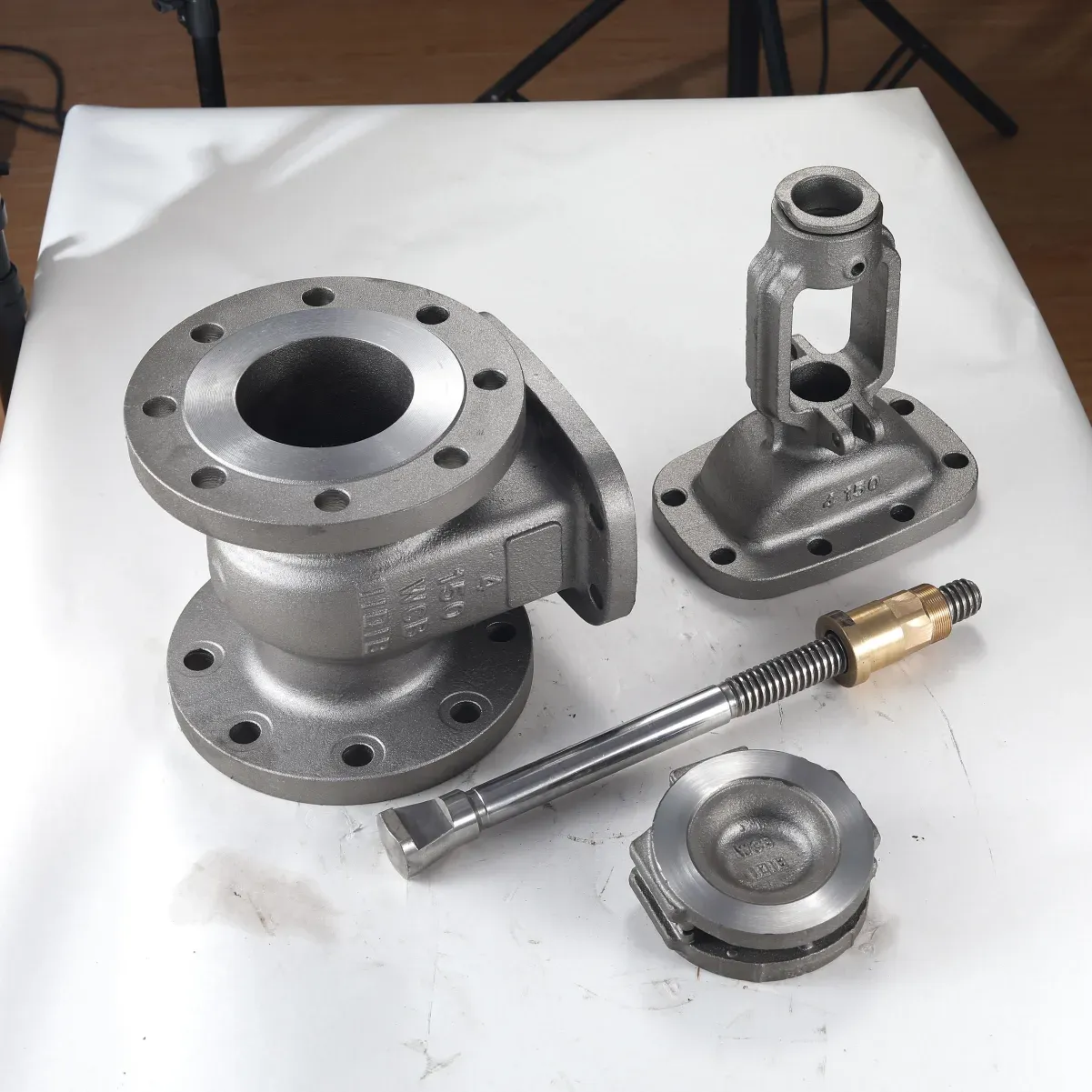
Performance & Engineering
The performance of a screw flange connection is governed by several key engineering principles. Bolt preload is critical; insufficient preload can lead to gasket creep and leakage, while excessive preload can cause bolt yielding or flange distortion. Bolt preload is typically calculated using established formulas considering bolt diameter, material properties, and desired clamping force. Stress analysis, often performed using Finite Element Analysis (FEA), is employed to assess the stress distribution within the flange, gasket, and bolting under operating conditions. This analysis helps identify potential areas of stress concentration and optimize the flange design. Environmental resistance is another crucial consideration. External factors like temperature fluctuations, corrosion, and vibration can significantly impact the flange's performance. Thermal expansion and contraction of the piping system must be accounted for to prevent excessive stress on the flange connection. Corrosion resistance is achieved through material selection and the application of protective coatings. Flange connections are subjected to various loads, including internal pressure, external loads from piping weight, and thermal stresses. Compliance requirements are stringent, particularly in industries like oil & gas and nuclear power, where failures can have severe consequences. Standards like ASME B16.5 (for pipe flanges and flange fittings) and API 6A (for wellhead and Christmas tree equipment) dictate design, manufacturing, and testing requirements. Proper gasket selection is also crucial; gasket resilience and creep resistance are key parameters influencing long-term sealing performance.
Technical Specifications
| Parameter | ASTM A105 Carbon Steel | 304/304L Stainless Steel | 316/316L Stainless Steel | Alloy Steel (A182 F316) |
|---|---|---|---|---|
| Tensile Strength (MPa) | 400-550 | 500-700 | 550-750 | 620-860 |
| Yield Strength (MPa) | 250-345 | 205-275 | 240-310 | 275-415 |
| Elongation (%) | 18-22 | 30-45 | 35-50 | 20-30 |
| Corrosion Resistance | Low | Good | Excellent | Excellent |
| Maximum Operating Temperature (°C) | 200 | 425 | 450 | 450 |
| Typical Applications | General Industrial Piping | Chemical Processing, Food & Beverage | Marine Environments, Pharmaceutical | High-Temperature, Corrosive Environments |
Failure Mode & Maintenance
Screw flange connections are susceptible to several failure modes. Gasket failure, resulting in leakage, is a common occurrence, often caused by gasket degradation due to temperature, pressure, or chemical attack. Bolt failure can occur due to fatigue cracking from cyclic loading, corrosion, or exceeding the bolt's tensile strength. Flange distortion, resulting from excessive stress or thermal expansion, can compromise the gasket's sealing performance. Creep, the slow deformation of the gasket under sustained load, can also lead to leakage. Corrosion of the flange material itself, particularly in carbon steel flanges, can weaken the structure and lead to catastrophic failure. Failure analysis involves identifying the root cause of the failure through visual inspection, NDT methods, and metallurgical examination. Maintenance procedures should include regular bolt tightening to maintain proper preload, periodic gasket inspection and replacement, and corrosion protection measures such as painting or coating. Proper torqueing procedures are critical during installation and maintenance; using a calibrated torque wrench and following established torque specifications is essential. Lubrication of the bolt threads can reduce friction and ensure accurate preload. Regular inspections for signs of corrosion, erosion, or mechanical damage are also vital. A preventative maintenance schedule should be implemented to proactively address potential issues before they escalate into failures.
Industry FAQ
Q: What is the impact of gasket selection on the overall performance of a screw flange joint?
A: Gasket selection is paramount. The gasket must be chemically compatible with the process fluid, capable of withstanding the operating temperature and pressure, and possess sufficient resilience to maintain a tight seal over time. Incorrect gasket material can lead to rapid degradation, leakage, and ultimately, system failure. Factors like creep resistance, recovery rate, and blowout resistance must be considered.
Q: How does bolt preload affect the integrity of a flanged joint?
A: Bolt preload is arguably the most critical parameter. Insufficient preload allows the gasket to creep and lose its sealing capacity, leading to leaks. Excessive preload can yield the bolts or distort the flange, also compromising the seal. Proper torqueing procedures, using a calibrated torque wrench and following established torque specifications, are essential.
Q: What are the common causes of flange failure in corrosive environments?
A: Corrosion is a primary failure mechanism in corrosive environments. The flange material itself can corrode, weakening the structure. Bolts can corrode, losing their strength and preload. The gasket can also degrade due to chemical attack. Selecting corrosion-resistant materials, such as stainless steel or alloy steels, and applying protective coatings are crucial mitigation strategies.
Q: What NDT methods are typically used to inspect screw flanges?
A: Common NDT methods include visual inspection for surface defects, dye penetrant inspection for detecting surface cracks, radiographic testing (RT) for detecting internal flaws, and ultrasonic testing (UT) for assessing material thickness and detecting subsurface defects. These methods ensure the integrity of the flange before and during operation.
Q: How does temperature variation affect a flanged joint?
A: Temperature variations cause thermal expansion and contraction of the piping system. If not properly accounted for, this can induce significant stress on the flange connection, potentially leading to gasket failure or bolt loosening. Expansion loops and flexible connectors are often used to accommodate thermal movement and minimize stress.
Conclusion
Screw flanges remain an indispensable component in a vast array of industrial applications, providing a reliable means of connecting piping systems and equipment. Their performance is contingent upon meticulous attention to material selection, precise manufacturing processes, and adherence to established engineering principles. Understanding the potential failure modes and implementing proactive maintenance procedures are crucial for ensuring long-term operational safety and minimizing costly downtime.
Future advancements in flange technology are likely to focus on developing new materials with enhanced corrosion resistance and higher strength-to-weight ratios. Improved gasket materials with superior sealing performance and extended service life are also anticipated. The integration of smart sensors and predictive maintenance algorithms will further enhance the reliability and efficiency of screw flange connections, enabling proactive identification of potential issues and optimized maintenance schedules.
-
Screwed Flange Performance Analysis
-
Screwed Flanges Performance Analysis
-
Screw Flanges Performance Analysis
-
weld neck flanges Performance Analysis
-
welding neck flange Material Science Manufacturing
-
Raised Face Flange Performance Analysis
-
Threaded Flanges Performance Analysis
-
uni flange Performance Analysis
-
Thread Flange Material Science and Performance
-
Flange Welding Performance Analysis
-
Flanged Couplings Performance Analysis
-
female thread ball valve Performance Analysis
-
1/2 ball valve Material Science Manufacturing
-
gas ball valves Performance Engineering
-
2 inch ball valves Performance Analysis
 Afrikaans
 Albanian
 Amharic
 Arabic
 Armenian
 Azerbaijani
 Basque
 Belarusian
 Bengali
 Bosnian
 Bulgarian
 Catalan
 Cebuano
 Corsican
 Croatian
 Czech
Czech
 Danish
 Dutch
Dutch
 Esperanto
 Estonian
 Finnish
 French
 Frisian
 Galician
 Georgian
 German
 Greek
Greek
 Gujarati
 Haitian Creole
 Hausa
Hawaiian
Hausa
Hawaiian
 Hebrew
 Hindi
Hindi
 Miao
Miao
 Hungarian
 Icelandic
 Igbo
Igbo
 Indonesian
 Irish
Irish
 Italian
 Japanese
 Javanese
Kannada
Javanese
Kannada
 Kazakh
 Khmer
Khmer
 Rwandese
 Korean
 Kurdish
 Kyrgyz
 Lao
Lao
 Latin
Latin
 Latvian
 Lithuanian
 Luxembourgish
 Macedonian
 Malgashi
 Malay
Malay
 Malayalam
 Maltese
 Maori
Maori
 Marathi
 Mongolian
 Myanmar
 Nepali
 Norwegian
 Norwegian
 Occitan
 Pashto
 Persian
 Polish
 Portuguese
Punjabi
Portuguese
Punjabi
 Romanian
 Russian
 Samoan
 Scottish Gaelic
 Serbian
 Sesotho
 Shona
Shona
 Sindhi
 Sinhala
 Slovak
 Slovenian
 Somali
 Spanish
 Sundanese
 Swahili
 Swedish
Tagalog
Swedish
Tagalog
 Tajik
Tajik
 Tamil
Tamil
 Tatar
Tatar
 Telugu
 Thai
Thai
 Turkish
 Turkmen
 Ukrainian
 Urdu
Urdu
 Uighur
 Uzbek
Uzbek
 Vietnamese
 Welsh
Welsh
 Bantu
Bantu
 Yiddish
 Yoruba
 Zulu
Zulu
 English