




Screwed Flanges Performance Analysis
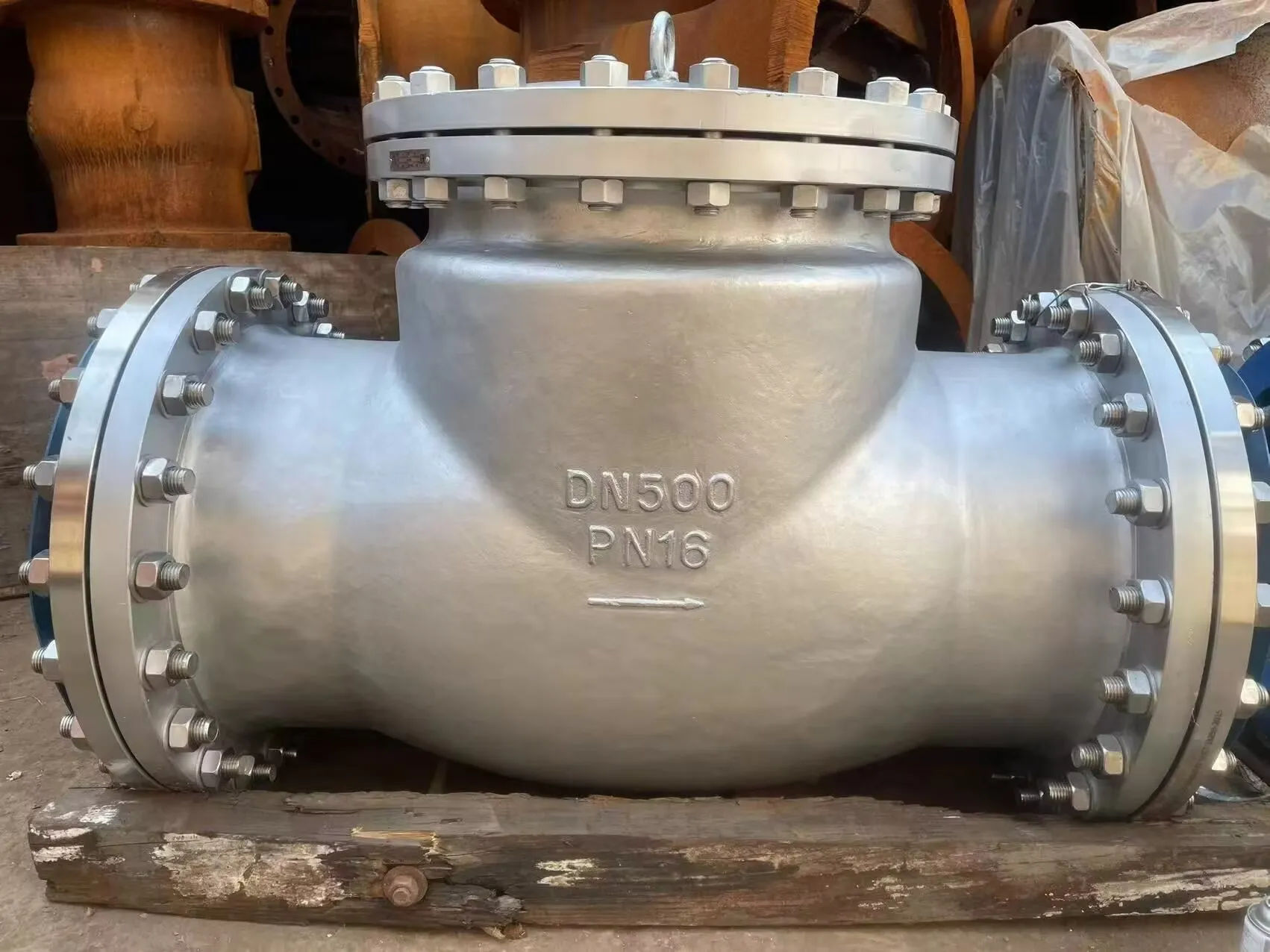
Introduction
Screwed flanges are a fundamental joining component in piping systems across numerous industries, including chemical processing, oil and gas, water treatment, and power generation. They provide a detachable connection between pipe sections, valves, pumps, and other equipment. Unlike welded connections, screwed flanges allow for disassembly for maintenance, inspection, or modification without necessitating cutting and re-welding of the pipeline. Their application is typically reserved for smaller pipe diameters and lower pressure/temperature services where the sealing reliability and installation ease outweigh the higher installation cost and potential leak paths compared to welded flanges. The core performance characteristics of screwed flanges revolve around pressure containment, leak tightness, and the ability to withstand cyclic loading and thermal expansion. Proper selection, installation and maintenance are critical to ensure long-term operational integrity.
Material Science & Manufacturing
Screwed flanges are commonly manufactured from carbon steel (ASTM A105, A516 Grade 70), stainless steel (304/304L, 316/316L), alloy steel (A182 F22, F91), and occasionally ductile iron. Carbon steel provides a cost-effective solution for many applications but requires corrosion protection. Stainless steels offer superior corrosion resistance, particularly in aggressive chemical environments. Alloy steels are used in high-temperature, high-pressure applications. The material's yield strength, tensile strength, and elongation are key properties determining flange suitability. Manufacturing involves forging, casting, or machining from bar stock. Forged flanges generally exhibit superior mechanical properties due to grain flow alignment achieved during forging. Machining involves precisely cutting the flange face and bolt holes to dimensional tolerances specified by ANSI/ASME B16.5. The flange face finish is crucial for sealing; common finishes include Raised Face (RF), Flat Face (FF), and Ring Type Joint (RTJ). Threading of the flange is performed using CNC lathes to ensure accurate thread form and pitch diameter, adhering to standards like ASME B1.20.1 for tapered threads (NPT) or ISO 7-1 for parallel threads (BSP). Heat treatment processes, such as normalizing and tempering, are employed to optimize material properties and reduce residual stresses.
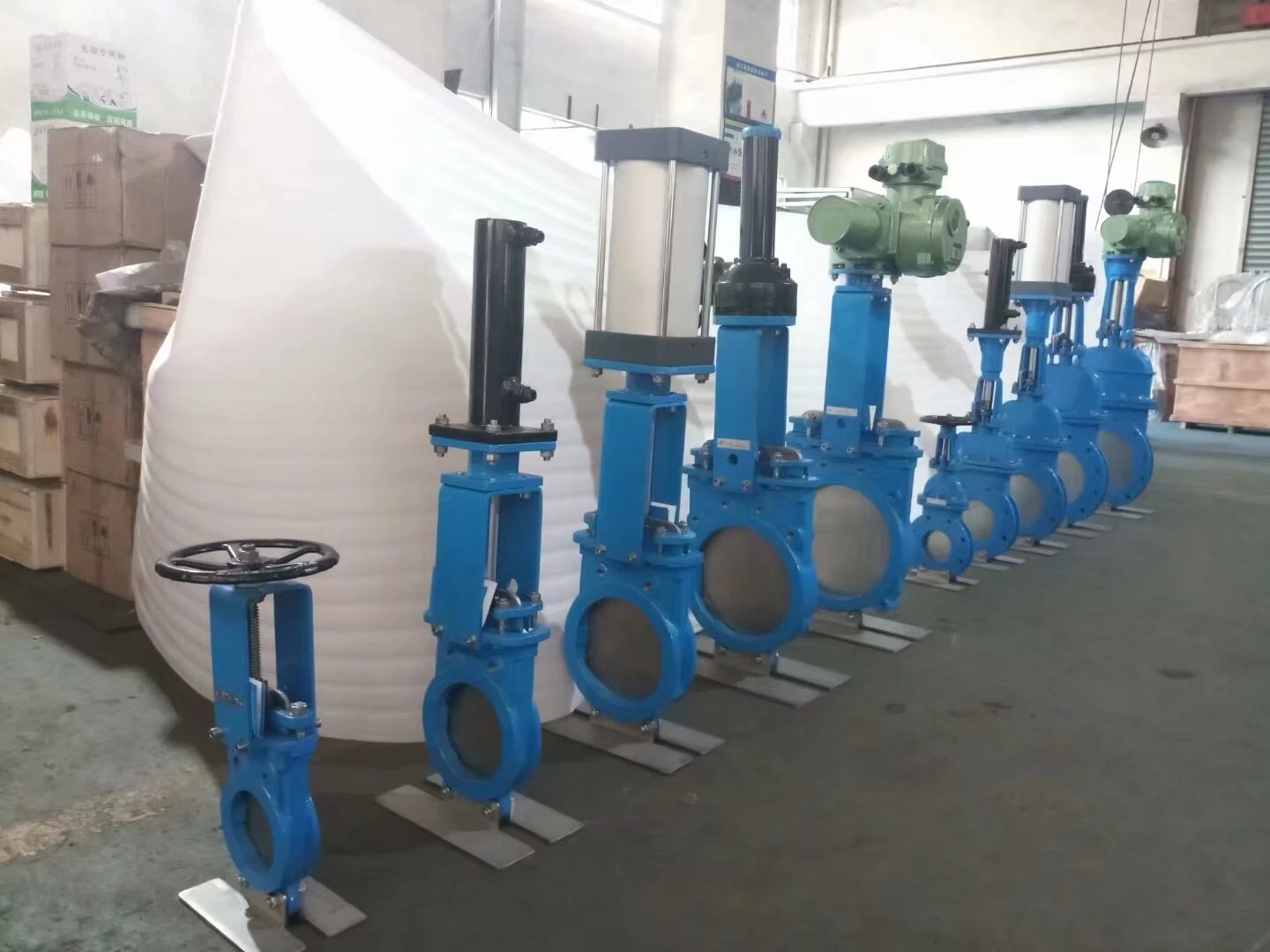
Performance & Engineering
The performance of screwed flanges is heavily influenced by bolt loading and gasket selection. Bolt load provides the clamping force necessary to compress the gasket and create a leak-tight seal. Accurate torque application is critical; over-tightening can lead to bolt failure, while under-tightening can result in leakage. Engineering calculations based on ASME Section VIII, Division 1, are used to determine the required bolt circle diameter, number of bolts, and bolt size to withstand the design pressure and temperature. Gasket materials must be chemically compatible with the process fluid and capable of maintaining sealing integrity at the operating temperature and pressure. Common gasket materials include non-asbestos fiber, PTFE, and metallic gaskets. Finite element analysis (FEA) can be used to model stress distribution within the flange assembly and identify potential areas of weakness. Cyclic loading, induced by thermal expansion and contraction or pressure fluctuations, can lead to fatigue failure. Proper design and material selection are essential to mitigate this risk. Compliance requirements, such as those outlined in the Pressure Equipment Directive (PED) in Europe and ASME Boiler and Pressure Vessel Code in the United States, dictate design, fabrication, and testing procedures.
Technical Specifications
| Parameter | ASTM A105 Carbon Steel | 304/304L Stainless Steel | A182 F22 Alloy Steel | Unit |
|---|---|---|---|---|
| Yield Strength | 36,000 | 30,000 | 35,000 | psi |
| Tensile Strength | 58,000 | 75,000 | 70,000 | psi |
| Elongation (%) | 22 | 35 | 20 | % |
| Maximum Service Temperature | 850 | 850 | 1100 | °F |
| Corrosion Resistance | Low (Requires Coating) | Excellent | Good | Qualitative |
| Pressure Rating (Class 150) | 20 | 20 | 20 | bar |
Failure Mode & Maintenance
Common failure modes for screwed flanges include thread stripping, bolt failure, gasket failure, and flange face distortion. Thread stripping can occur due to improper installation, excessive torque, or corrosion. Bolt failure is often caused by fatigue, overloading, or hydrogen embrittlement. Gasket failure can result from thermal cycling, chemical attack, or improper gasket selection. Flange face distortion can be caused by uneven bolt loading or excessive pressure. Failure analysis should include visual inspection, non-destructive testing (NDT) such as dye penetrant inspection (DPI) or magnetic particle inspection (MPI), and potentially metallographic examination. Preventative maintenance involves regular inspection of flange connections for signs of leakage, corrosion, or damage. Bolt torque should be periodically checked and adjusted as needed. Gaskets should be replaced at recommended intervals or when signs of degradation are observed. Lubrication of bolt threads with anti-seize compound can prevent galling and facilitate disassembly. Corrosion protection, such as painting or coating, should be applied to carbon steel flanges to extend their service life. Proper handling and storage are essential to prevent damage to flange faces and threads.
Industry FAQ
Q: What is the primary difference between a screwed flange and a welded flange in terms of application suitability?
A: Screwed flanges are best suited for applications where frequent disassembly for maintenance, inspection, or modification is required, and where the operating pressures and temperatures are relatively low. Welded flanges offer superior structural integrity and leak tightness for high-pressure, high-temperature systems, but are less accessible for maintenance.
Q: How does the flange facing type (RF, FF, RTJ) affect gasket selection?
A: Raised Face (RF) flanges require a gasket with a compressible facing to compensate for surface irregularities. Flat Face (FF) flanges are used with flat gaskets, typically for low-pressure applications. Ring Type Joint (RTJ) flanges use metallic rings compressed between the flange faces to create a leak-tight seal, suitable for high-pressure, high-temperature services.
Q: What are the critical considerations for bolt material selection in a corrosive environment?
A: Bolt material must be compatible with the process fluid and the flange material to prevent galvanic corrosion. Stainless steel bolts are often used in corrosive environments, but the specific grade must be selected based on the chemical composition of the fluid. Consideration should also be given to the potential for stress corrosion cracking.
Q: What is the impact of improper bolt torque on flange performance?
A: Insufficient bolt torque leads to inadequate gasket compression and potential leakage. Excessive bolt torque can overstress the bolts, leading to yielding or fracture, and potentially damage the flange. Following torque specifications provided by the flange manufacturer is critical.
Q: How important is gasket compression in achieving a reliable seal?
A: Gasket compression is paramount. Insufficient compression will result in leaks, while excessive compression can damage the gasket and reduce its effectiveness. Proper bolt torque and flange surface finish contribute to achieving optimal gasket compression.
Conclusion
Screwed flanges remain a vital component in process piping systems, offering a balance of functionality, maintainability, and cost-effectiveness. Successful application hinges on meticulous material selection based on the operating environment and fluid compatibility, precise manufacturing to ensure dimensional accuracy and surface finish, and diligent adherence to established installation and maintenance procedures. The performance characteristics are inextricably linked to appropriate bolt loading and suitable gasket material selection.
Moving forward, advancements in gasket technology, such as the development of enhanced sealing materials and improved gasket designs, will continue to optimize the performance and reliability of screwed flange connections. Furthermore, the increasing adoption of digital torque wrenches and automated bolt tensioning systems will enhance the accuracy and consistency of installation practices, minimizing the risk of failures and extending the service life of these critical components. Thorough understanding of international standards and diligent adherence to best practices are vital for ensuring the long-term integrity of piping systems utilizing screwed flanges.
-
Screwed Flange Performance Analysis
-
Screwed Flanges Performance Analysis
-
Screw Flanges Performance Analysis
-
weld neck flanges Performance Analysis
-
welding neck flange Material Science Manufacturing
-
Raised Face Flange Performance Analysis
-
Threaded Flanges Performance Analysis
-
uni flange Performance Analysis
-
Thread Flange Material Science and Performance
-
Flange Welding Performance Analysis
-
Flanged Couplings Performance Analysis
-
female thread ball valve Performance Analysis
-
1/2 ball valve Material Science Manufacturing
-
gas ball valves Performance Engineering
-
2 inch ball valves Performance Analysis
 Afrikaans
 Albanian
 Amharic
 Arabic
 Armenian
 Azerbaijani
 Basque
 Belarusian
 Bengali
 Bosnian
 Bulgarian
 Catalan
 Cebuano
 Corsican
 Croatian
 Czech
Czech
 Danish
 Dutch
Dutch
 Esperanto
 Estonian
 Finnish
 French
 Frisian
 Galician
 Georgian
 German
 Greek
Greek
 Gujarati
 Haitian Creole
 Hausa
Hawaiian
Hausa
Hawaiian
 Hebrew
 Hindi
Hindi
 Miao
Miao
 Hungarian
 Icelandic
 Igbo
Igbo
 Indonesian
 Irish
Irish
 Italian
 Japanese
 Javanese
Kannada
Javanese
Kannada
 Kazakh
 Khmer
Khmer
 Rwandese
 Korean
 Kurdish
 Kyrgyz
 Lao
Lao
 Latin
Latin
 Latvian
 Lithuanian
 Luxembourgish
 Macedonian
 Malgashi
 Malay
Malay
 Malayalam
 Maltese
 Maori
Maori
 Marathi
 Mongolian
 Myanmar
 Nepali
 Norwegian
 Norwegian
 Occitan
 Pashto
 Persian
 Polish
 Portuguese
Punjabi
Portuguese
Punjabi
 Romanian
 Russian
 Samoan
 Scottish Gaelic
 Serbian
 Sesotho
 Shona
Shona
 Sindhi
 Sinhala
 Slovak
 Slovenian
 Somali
 Spanish
 Sundanese
 Swahili
 Swedish
Tagalog
Swedish
Tagalog
 Tajik
Tajik
 Tamil
Tamil
 Tatar
Tatar
 Telugu
 Thai
Thai
 Turkish
 Turkmen
 Ukrainian
 Urdu
Urdu
 Uighur
 Uzbek
Uzbek
 Vietnamese
 Welsh
Welsh
 Bantu
Bantu
 Yiddish
 Yoruba
 Zulu
Zulu
 English