




Sealing Flange Performance Analysis
Introduction
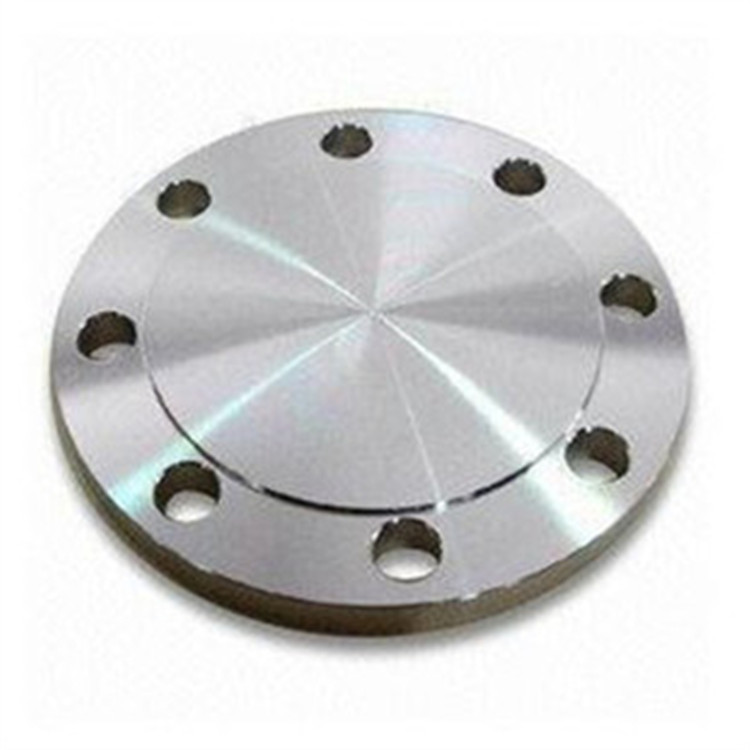
Sealing flanges are critical components in industrial piping systems, serving as the interface points for joining sections of pipe, valves, pumps, and other equipment. They provide a secure and leak-tight connection essential for maintaining process integrity and safety. Unlike simple slip-on flanges, sealing flanges incorporate specific features – such as gasket grooves, raised faces, or metal-to-metal sealing surfaces – designed to maximize sealing efficiency under various operating conditions. Their technical position within the industry chain is fundamentally linked to pressure vessel and piping design, material science, and the regulatory frameworks governing fluid containment. Core performance characteristics include pressure retention capability, resistance to media corrosion, and long-term sealing reliability. The industry frequently faces challenges relating to gasket selection for specific fluids and temperatures, bolting torque management to prevent flange distortion, and ensuring compliance with stringent safety standards. This guide provides an in-depth exploration of sealing flange technology, covering material science, manufacturing, performance, failure modes, and best practices for maintenance.
Material Science & Manufacturing
Sealing flanges are commonly manufactured from carbon steel (ASTM A105, A36), stainless steel (304/304L, 316/316L), alloy steel (A182 F22, F91), and occasionally more specialized materials like duplex stainless steel or nickel alloys depending on the application’s corrosive environment and temperature requirements. Carbon steel provides adequate strength and cost-effectiveness for moderate temperature and non-corrosive services. Stainless steel exhibits superior corrosion resistance, making it ideal for handling corrosive fluids. Alloy steels are employed in high-temperature, high-pressure applications where enhanced creep resistance is crucial. The manufacturing process typically begins with forging or casting the flange blank. Forging generally yields superior mechanical properties due to grain flow orientation. Subsequent machining operations create the flange face, bolt holes, and gasket grooves. Critical parameters during manufacturing include dimensional accuracy (flatness, perpendicularity of bore to face), surface finish (to ensure proper gasket seating), and heat treatment (to achieve desired mechanical properties). Welding processes (SMAW, GTAW, SAW) are often used for flange fabrication, requiring qualified welders and adherence to standards like ASME Section IX to ensure weld integrity and prevent stress corrosion cracking. Gasket materials are equally crucial and must be chemically compatible with the process fluid and temperature range; common materials include PTFE, Viton, EPDM, and non-asbestos fiber sheets.
Performance & Engineering
The performance of a sealing flange is primarily governed by its ability to withstand internal pressure, external loads (weight of piping, thermal expansion), and cyclical stresses. Force analysis must consider the bolt load distribution, flange bending moments, and gasket compressive stress. Finite element analysis (FEA) is commonly used to model flange behavior under various loading conditions. Environmental resistance is critical; corrosion, erosion, and temperature fluctuations can degrade flange and gasket performance. Corrosion mitigation strategies include material selection (corrosion-resistant alloys), protective coatings (epoxy, galvanizing), and cathodic protection. Compliance requirements are stringent, dictated by industry standards like ASME B31.3 (Process Piping), API 650 (Welded Tanks for Oil Storage), and PED (Pressure Equipment Directive) in Europe. Functional implementation involves proper gasket selection based on fluid type, temperature, and pressure. Gasket compressive stress is a key parameter, determined by bolt torque and flange design. Over-torquing can distort the flange face, leading to leaks, while under-torquing results in insufficient sealing force. Bolting materials must also be selected for compatibility with the flange material to prevent galvanic corrosion. Leak testing (pneumatic or hydrostatic) is essential to verify the integrity of the flange connection after installation and maintenance.
Technical Specifications
| Parameter | Carbon Steel (A105) | Stainless Steel (316L) | Alloy Steel (A182 F22) | Gasket Material (PTFE) |
|---|---|---|---|---|
| Tensile Strength (MPa) | 400-550 | 517-655 | 483-620 | N/A (Dependent on form) |
| Yield Strength (MPa) | 250-345 | 207-310 | 276-414 | N/A |
| Maximum Operating Temperature (°C) | 200 | 600 | 427 | 260 |
| Corrosion Resistance | Limited; Susceptible to rust | Excellent; Resistant to many chemicals | Good; Improved resistance to high-temperature corrosion | Excellent; Resistant to most chemicals |
| Pressure Rating (PN) | Up to PN40 | Up to PN100 | Up to PN100 | Dependent on flange design |
| Manufacturing Standard | ASME B16.5, EN 1092-1 | ASME B16.5, EN 1092-1 | ASME B16.5, EN 1092-1 | ASTM F36 |
Failure Mode & Maintenance
Sealing flange failures can manifest in several forms. Fatigue cracking can occur due to cyclical loading, particularly in highly stressed areas near bolt holes. Creep relaxation at elevated temperatures reduces bolt load, leading to leaks. Gasket failure, including compression set, chemical degradation, and blowout, is a common issue. Corrosion (pitting, crevice corrosion, galvanic corrosion) weakens the flange material. Bolting failures, such as thread stripping or bolt breakage, compromise the clamping force. Delamination can occur in coated flanges. Oxidation at high temperatures leads to material degradation. Preventive maintenance is crucial. Regular bolt torque checks and re-tightening (following manufacturer's recommendations) are essential. Visual inspections for corrosion, cracks, and gasket leaks should be conducted periodically. Gasket replacement should be performed on a scheduled basis or when leaks are detected. Proper lubrication of bolt threads prevents galling and facilitates torque control. In the event of a flange failure, a thorough failure analysis should be conducted to determine the root cause and implement corrective actions. Non-destructive testing methods (e.g., ultrasonic testing, radiography) can detect hidden flaws before they lead to catastrophic failure. Consider using corrosion inhibitors or protective coatings to extend the service life of the flange.
Industry FAQ
Q: What are the key considerations when selecting a gasket material for a sealing flange operating with highly corrosive sulfuric acid?
A: For highly corrosive sulfuric acid, gasket material selection is paramount. PTFE (Polytetrafluoroethylene) is often the preferred choice due to its exceptional chemical resistance. However, the specific grade of PTFE and its construction (e.g., filled PTFE for enhanced mechanical properties) must be carefully evaluated. Viton (FKM) may offer sufficient resistance at lower concentrations and temperatures, but its long-term compatibility should be verified. Avoid materials like rubber that are rapidly attacked by sulfuric acid. The gasket’s thickness and sealing profile are also critical; a wider gasket provides a larger sealing area and reduces stress concentrations.
Q: How does the choice of bolt material impact the long-term reliability of a stainless steel sealing flange in a marine environment?
A: In a marine environment, galvanic corrosion is a significant concern. If the flange is stainless steel (e.g., 316), using carbon steel bolts can lead to accelerated corrosion of the bolts due to the potential difference between the two metals. Stainless steel bolts (e.g., 316) are recommended to maintain compatibility and prevent galvanic corrosion. Additionally, consider using isolating washers and lubrication to further mitigate this risk. Proper torque control is also important to avoid over-stressing the bolts and reducing their corrosion resistance.
Q: What are the common causes of flange leaks after initial installation and proper torqueing?
A: Common causes of flange leaks post-installation include gasket creep relaxation (loss of compressive stress over time), thermal cycling (causing flange distortion and gasket movement), and media incompatibility (leading to gasket degradation). Also, foreign material trapped between the flange faces during assembly can compromise the seal. Improper gasket centering or flange surface damage can also contribute to leaks. Periodic bolt torque checks and re-tightening, along with regular inspections for corrosion or gasket damage, are essential for identifying and addressing these issues.
Q: What are the best practices for preventing flange distortion during tightening?
A: Flange distortion can be prevented by following a star-pattern tightening sequence, ensuring uniform distribution of bolt load. Use calibrated torque wrenches and adhere to manufacturer’s recommended torque values. Avoid over-tightening, which can damage the flange face and gasket. Proper flange alignment during installation is also crucial. If flanges are significantly misaligned, shimming may be necessary to ensure a uniform contact surface. Consider using flange alignment tools to verify proper alignment before tightening.
Q: How do ASME B16.5 and EN 1092-1 standards differ regarding sealing flange specifications?
A: ASME B16.5 (American standard) and EN 1092-1 (European standard) both specify dimensions and pressure-temperature ratings for steel flanges, but there are key differences. ASME B16.5 primarily uses inch units, while EN 1092-1 uses metric units. The pressure-temperature ratings are defined differently, and the flange face types may have variations in geometry. ASME B16.5 focuses on weld neck, slip-on, and blind flanges, while EN 1092-1 offers a broader range of flange types. When selecting flanges, it’s crucial to consider the applicable standard for the specific application and ensure compatibility between components.
Conclusion
Sealing flange technology is a complex field requiring a comprehensive understanding of material science, manufacturing processes, and engineering principles. Selecting the appropriate flange material, gasket, and bolting system, coupled with adherence to relevant industry standards, is paramount for ensuring long-term reliability and safe operation of piping systems. Addressing potential failure modes through proactive maintenance and rigorous inspection programs is equally critical.
The ongoing evolution of materials and sealing technologies continues to drive improvements in sealing flange performance. Emerging trends, such as the use of advanced gasket materials and innovative flange designs, promise to enhance sealing efficiency and reduce the risk of failures in demanding applications. Future development will likely focus on optimizing flange designs for specific operating conditions and incorporating sensor technologies for real-time monitoring of flange health and performance.
-
megalug flange Performance and Engineering
-
Plate Flange Performance Analysis
-
Reducing Flange Performance Analysis
-
Sealing Flange Performance Analysis
-
Turbo Flanges Performance Analysis
-
Screwed Flange Performance Analysis
-
Screwed Flanges Performance Analysis
-
Screw Flanges Performance Analysis
-
weld neck flanges Performance Analysis
-
welding neck flange Material Science Manufacturing
-
Raised Face Flange Performance Analysis
-
Threaded Flanges Performance Analysis
-
uni flange Performance Analysis
-
Thread Flange Material Science and Performance
-
Flange Welding Performance Analysis
 Afrikaans
 Albanian
 Amharic
 Arabic
 Armenian
 Azerbaijani
 Basque
 Belarusian
 Bengali
 Bosnian
 Bulgarian
 Catalan
 Cebuano
 Corsican
 Croatian
 Czech
Czech
 Danish
 Dutch
Dutch
 Esperanto
 Estonian
 Finnish
 French
 Frisian
 Galician
 Georgian
 German
 Greek
Greek
 Gujarati
 Haitian Creole
 Hausa
Hawaiian
Hausa
Hawaiian
 Hebrew
 Hindi
Hindi
 Miao
Miao
 Hungarian
 Icelandic
 Igbo
Igbo
 Indonesian
 Irish
Irish
 Italian
 Japanese
 Javanese
Kannada
Javanese
Kannada
 Kazakh
 Khmer
Khmer
 Rwandese
 Korean
 Kurdish
 Kyrgyz
 Lao
Lao
 Latin
Latin
 Latvian
 Lithuanian
 Luxembourgish
 Macedonian
 Malgashi
 Malay
Malay
 Malayalam
 Maltese
 Maori
Maori
 Marathi
 Mongolian
 Myanmar
 Nepali
 Norwegian
 Norwegian
 Occitan
 Pashto
 Persian
 Polish
 Portuguese
Punjabi
Portuguese
Punjabi
 Romanian
 Russian
 Samoan
 Scottish Gaelic
 Serbian
 Sesotho
 Shona
Shona
 Sindhi
 Sinhala
 Slovak
 Slovenian
 Somali
 Spanish
 Sundanese
 Swahili
 Swedish
Tagalog
Swedish
Tagalog
 Tajik
Tajik
 Tamil
Tamil
 Tatar
Tatar
 Telugu
 Thai
Thai
 Turkish
 Turkmen
 Ukrainian
 Urdu
Urdu
 Uighur
 Uzbek
Uzbek
 Vietnamese
 Welsh
Welsh
 Bantu
Bantu
 Yiddish
 Yoruba
 Zulu
Zulu
 English