




stainless steel valve Material Science and Manufacturing
Introduction
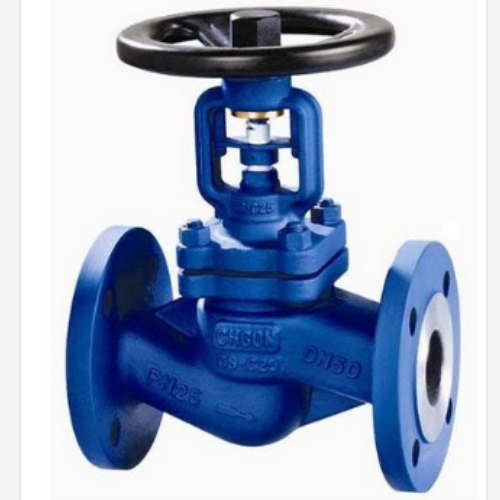
Stainless steel valves are integral components in fluid handling systems across diverse industries including chemical processing, oil & gas, pharmaceuticals, food & beverage, and water treatment. These valves regulate, direct, or isolate fluid flow, and their construction from stainless steel alloys offers superior corrosion resistance, durability, and hygienic properties compared to alternative materials. Their technical position within the industry chain is as critical control elements situated downstream of pumps, reservoirs, and pipelines, dictating process efficiency and safety. The core performance characteristics of a stainless steel valve are determined by its pressure rating, flow capacity (Cv), temperature range, sealing capability (leak rate), and material grade, influencing its suitability for specific application environments. Common types include ball valves, gate valves, globe valves, check valves, and butterfly valves, each optimized for different operating conditions and fluid types. Understanding the interplay between material selection, design parameters, and operational demands is paramount for ensuring reliable and long-term performance.
Material Science & Manufacturing
The predominant stainless steel grades used in valve manufacturing are 304/304L, 316/316L, and duplex stainless steels. 304/304L, an austenitic stainless steel, offers excellent corrosion resistance in a wide range of environments and is characterized by approximately 18% chromium and 8% nickel. The 'L' designation denotes low carbon content, minimizing carbide precipitation during welding and enhancing weldability. 316/316L, containing molybdenum (2-3%), provides superior resistance to chloride pitting and crevice corrosion, making it suitable for marine and chemically aggressive environments. Duplex stainless steels, with a microstructure combining austenitic and ferritic phases, exhibit high strength and improved resistance to stress corrosion cracking. Raw material properties—chemical composition, tensile strength, yield strength, elongation, and hardness—are rigorously controlled through mill certifications and internal quality checks.
Manufacturing processes vary depending on valve type and size. Investment casting is frequently used for complex valve bodies, offering precise dimensional control and surface finish. For larger valves, forging followed by machining is common, providing enhanced mechanical strength. Welding processes, including TIG (GTAW) and MIG (GMAW), are critical for joining components, and stringent quality control measures, such as radiographic inspection (RT), liquid penetrant testing (PT), and hydrostatic testing, are employed to ensure weld integrity. Valve seats and seals are often manufactured from PTFE, reinforced PTFE, or other elastomeric materials via compression molding or machining. Parameter control is vital – precise control of welding parameters (current, voltage, gas shielding), heat treatment cycles (solution annealing, stress relieving), and machining tolerances are essential to achieve the required mechanical properties, corrosion resistance, and dimensional accuracy. Surface finishing, including passivation, is performed to enhance corrosion resistance by forming a protective chromium oxide layer.
Performance & Engineering
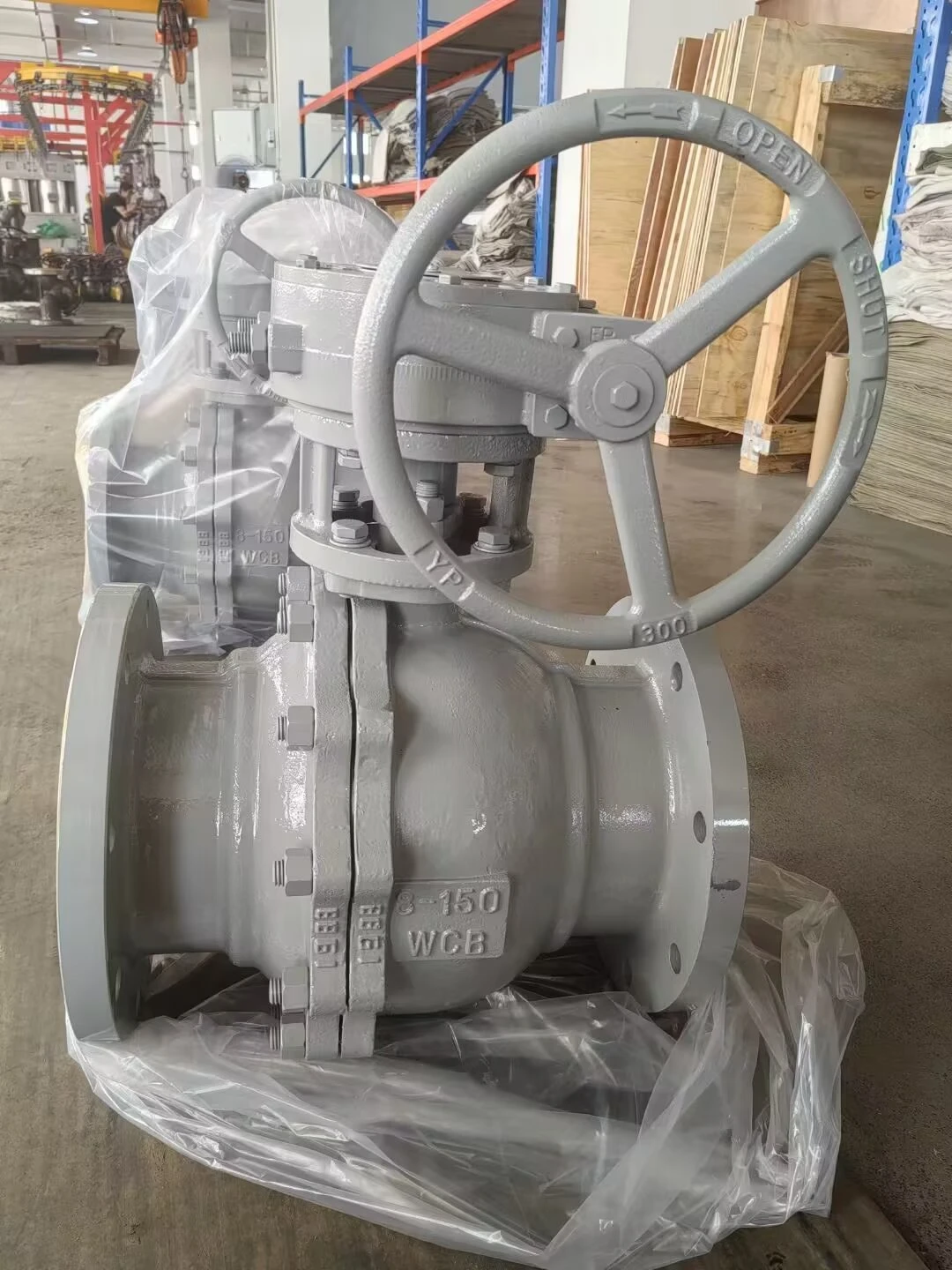
The performance of a stainless steel valve is governed by several engineering principles. Force analysis, particularly in high-pressure applications, determines the required wall thickness and structural integrity of the valve body and components. The bonnet joint, crucial for leak-tight sealing, undergoes significant stress during operation, necessitating optimized gasket selection and bolt loading. Environmental resistance is paramount; valves exposed to corrosive fluids require careful material selection based on the fluid’s chemical composition, concentration, temperature, and flow velocity. Compliance requirements vary by industry and region. For example, valves used in pharmaceutical applications must meet 3-A Sanitary Standards for hygienic design and cleanability. Valves intended for hazardous environments must comply with ATEX or IECEx standards for explosion protection. Functional implementation details, such as actuator selection (pneumatic, electric, manual), control signal compatibility, and fail-safe mechanisms, are critical for automating valve operation and ensuring process safety. Flow characteristics, modeled using computational fluid dynamics (CFD), optimize valve geometry to minimize pressure drop and maximize flow efficiency. Understanding the limitations of each valve type regarding flow rate, pressure drop, and fluid compatibility is crucial for proper application.
Technical Specifications
| Parameter | 304/304L Stainless Steel Valve | 316/316L Stainless Steel Valve | Duplex Stainless Steel Valve |
|---|---|---|---|
| Pressure Rating (PSI) | Up to 600 | Up to 1000 | Up to 1500 |
| Temperature Range (°F) | -328 to 600 | -328 to 650 | -328 to 750 |
| Corrosion Resistance | Good in general applications | Excellent in chloride environments | Superior in aggressive media |
| Tensile Strength (MPa) | 517-724 | 550-790 | 700-930 |
| Yield Strength (MPa) | 276-552 | 310-586 | 450-690 |
| Typical Applications | Water, Oil, Gas, Air | Chemical Processing, Marine, Pharmaceuticals | Oil & Gas, Pulp & Paper, Wastewater Treatment |
Failure Mode & Maintenance
Stainless steel valves, while durable, are susceptible to several failure modes. Fatigue cracking, particularly in areas of high stress concentration (e.g., valve body near welds), can occur due to cyclical loading. Corrosion, despite the inherent resistance of stainless steel, can manifest as pitting, crevice corrosion, or stress corrosion cracking, especially in chloride-rich environments. Erosion, caused by abrasive particles in the fluid stream, can damage valve seats and internal components. Delamination, though less common, can occur in improperly welded components. Degradation of seals (e.g., PTFE) due to chemical attack or temperature extremes is also a frequent failure point. Oxidation at high temperatures can reduce corrosion resistance.
Preventative maintenance is crucial for extending valve lifespan. Regular inspection for signs of corrosion, erosion, or leakage is essential. Periodic testing of valve actuation systems and seat leakage should be performed. Lubrication of moving parts minimizes friction and wear. Proper cleaning and removal of debris prevent clogging and erosion. For corroded valves, localized repair via welding or component replacement may be feasible. For severely damaged valves, complete replacement is often necessary. Hydrostatic testing should be conducted periodically to verify the integrity of the valve body. Maintaining accurate records of valve maintenance and repair history facilitates proactive failure prevention.
Industry FAQ
Q: What is the primary difference between 304 and 316 stainless steel in valve applications, and when would you choose one over the other?
A: The key difference lies in the molybdenum content. 316 stainless steel contains 2-3% molybdenum, significantly enhancing its resistance to chloride pitting and crevice corrosion. Choose 316 for marine environments, chemical processing involving chlorides, or applications where exposure to salt spray is anticipated. 304 is sufficient for general purpose applications involving freshwater, air, or oil where chloride exposure is minimal.
Q: How does temperature affect the pressure rating of a stainless steel valve?
A: Generally, as temperature increases, the allowable pressure rating of a valve decreases. This is due to the reduction in material strength at elevated temperatures. Valve manufacturers provide pressure-temperature ratings that must be adhered to. Exceeding these ratings can lead to valve failure. De-rating curves are often provided in valve datasheets.
Q: What are the common causes of leakage in stainless steel ball valves, and how can they be addressed?
A: Common causes include wear or damage to the ball and seats, contamination between the sealing surfaces, or improper tightening of the gland packing. Addressing leakage involves inspecting and replacing worn components, cleaning sealing surfaces, and re-tightening the gland packing according to manufacturer's specifications. Using a valve with a reinforced PTFE seat can improve sealing performance.
Q: What is the importance of passivation in stainless steel valve manufacturing?
A: Passivation is a chemical treatment that removes free iron from the surface of the stainless steel, promoting the formation of a protective chromium oxide layer. This layer enhances corrosion resistance by preventing the formation of rust. It's a critical step, particularly for valves intended for highly corrosive environments.
Q: What considerations should be given when selecting a stainless steel valve for a cryogenic application?
A: Cryogenic applications require stainless steel grades specifically designed for low-temperature service, such as 304L or 316L. These grades maintain ductility and impact strength at extremely low temperatures. The valve design must account for thermal contraction and expansion. Specialized seals and packing materials compatible with cryogenic fluids are also essential.
Conclusion
Stainless steel valves represent a critical component in a vast array of industrial processes, providing reliable fluid control through a combination of robust material science, precision manufacturing, and careful engineering. The selection of the appropriate stainless steel grade, coupled with adherence to relevant industry standards and rigorous quality control throughout the manufacturing process, is paramount for ensuring long-term performance and operational safety. The understanding of potential failure modes and implementation of preventative maintenance strategies are crucial to maximizing valve lifespan and minimizing costly downtime.
Looking ahead, advancements in materials science, such as the development of super-duplex stainless steels and high-alloy alloys, will continue to expand the operational envelope of stainless steel valves, enabling their application in increasingly demanding environments. Furthermore, the integration of smart valve technologies, incorporating sensors and remote monitoring capabilities, will enhance process control and predictive maintenance capabilities, driving efficiency and reliability. Continued research and development focused on optimizing valve designs and manufacturing processes will further solidify the role of stainless steel valves as essential components of modern industrial infrastructure.
-
The Essential Guide to Dual Plate Check Valves
-
Swing Check Valve Types: Reliable Flow Control & Backflow Prevention
-
Top Reasons to Choose a Stainless Steel Flange Check Valve for Industrial Applications
-
solenoid valve 3 way 2 position Performance Analysis
-
micro solenoid valve Performance Analysis
-
solenoid ball valve Performance Analysis
-
micro solenoid valves Performance Engineering
-
solenoid ball valves Performance Analysis
-
solenoid valve 5 2 Performance Analysis
-
solenoid valve stainless steel Performance Analysis
-
stainless steel solenoid valves Performance Analysis
-
solenoid valve 5/2 Performance Analysis
-
cryogenic solenoid valve Performance Analysis
-
direct acting solenoid valve Performance Analysis
-
miniature solenoid valve Performance Analysis
 Afrikaans
 Albanian
 Amharic
 Arabic
 Armenian
 Azerbaijani
 Basque
 Belarusian
 Bengali
 Bosnian
 Bulgarian
 Catalan
 Cebuano
 Corsican
 Croatian
 Czech
Czech
 Danish
 Dutch
Dutch
 Esperanto
 Estonian
 Finnish
 French
 Frisian
 Galician
 Georgian
 German
 Greek
Greek
 Gujarati
 Haitian Creole
 Hausa
Hawaiian
Hausa
Hawaiian
 Hebrew
 Hindi
Hindi
 Miao
Miao
 Hungarian
 Icelandic
 Igbo
Igbo
 Indonesian
 Irish
Irish
 Italian
 Japanese
 Javanese
Kannada
Javanese
Kannada
 Kazakh
 Khmer
Khmer
 Rwandese
 Korean
 Kurdish
 Kyrgyz
 Lao
Lao
 Latin
Latin
 Latvian
 Lithuanian
 Luxembourgish
 Macedonian
 Malgashi
 Malay
Malay
 Malayalam
 Maltese
 Maori
Maori
 Marathi
 Mongolian
 Myanmar
 Nepali
 Norwegian
 Norwegian
 Occitan
 Pashto
 Persian
 Polish
 Portuguese
Punjabi
Portuguese
Punjabi
 Romanian
 Russian
 Samoan
 Scottish Gaelic
 Serbian
 Sesotho
 Shona
Shona
 Sindhi
 Sinhala
 Slovak
 Slovenian
 Somali
 Spanish
 Sundanese
 Swahili
 Swedish
Tagalog
Swedish
Tagalog
 Tajik
Tajik
 Tamil
Tamil
 Tatar
Tatar
 Telugu
 Thai
Thai
 Turkish
 Turkmen
 Ukrainian
 Urdu
Urdu
 Uighur
 Uzbek
Uzbek
 Vietnamese
 Welsh
Welsh
 Bantu
Bantu
 Yiddish
 Yoruba
 Zulu
Zulu
 English