




Threaded Flanges Performance Analysis
Introduction
Threaded flanges are a critical component in piping systems, serving as the connection point between sections of pipe, valves, pumps, and other equipment. Distinguished by their internally threaded bore, these flanges facilitate assembly and disassembly using threaded fasteners, eliminating the need for welding in many applications. Positioned within the fluid transfer industry chain, threaded flanges represent a cost-effective and maintainable joining solution, particularly favored in low to moderate pressure, and non-critical service applications. Core performance characteristics include pressure containment, leak prevention, and the ability to withstand varying temperatures and corrosive environments. The selection of appropriate materials and thread types is paramount to ensuring long-term reliability and operational safety. Threaded flanges are often chosen for their ease of installation and removal, making them suitable for systems requiring frequent maintenance or modifications.
Material Science & Manufacturing
The material selection for threaded flanges is dictated by the fluid being conveyed, operating pressure, temperature, and the potential for corrosion. Common materials include carbon steel (ASTM A105), alloy steel (ASTM A182 F304/F316), stainless steel (304/316/316L), and various ductile iron grades. Carbon steel offers cost-effectiveness and high strength but requires corrosion protection (e.g., galvanizing, painting). Stainless steel provides superior corrosion resistance, particularly in aggressive chemical environments. Alloy steels are employed for high-temperature, high-pressure applications demanding enhanced strength and creep resistance.
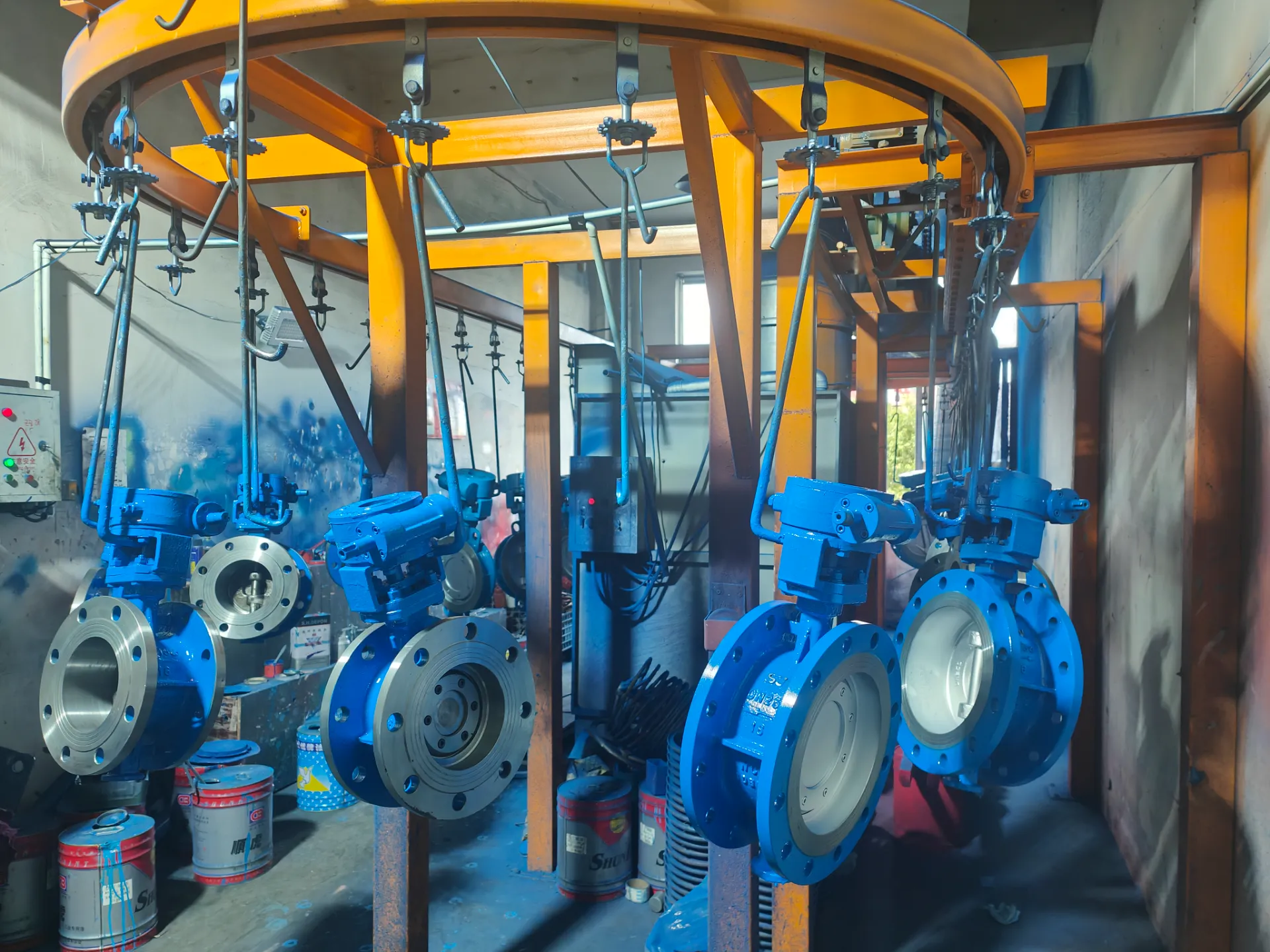
Manufacturing typically begins with forging or casting of the flange blank. Forging, often employing closed-die forging, results in a denser grain structure and improved mechanical properties. Casting offers greater design flexibility but may require additional heat treatment to mitigate porosity. Following forging or casting, the flange undergoes machining to create the threaded bore. Threading is typically performed using CNC lathes or milling machines, adhering to standardized thread forms such as NPT (National Pipe Thread) or BSPT (British Standard Pipe Thread). Critical parameters include thread pitch, depth, and surface finish. Non-destructive testing (NDT), such as liquid penetrant inspection (LPI) and magnetic particle inspection (MPI), is employed to detect surface flaws. Dimensional inspection ensures conformance to specified tolerances. Final stages often involve surface treatment, such as passivation for stainless steel or coating application for carbon steel.
Performance & Engineering
The performance of a threaded flange assembly is critically dependent on proper torque application. Insufficient torque can lead to leakage, while excessive torque can damage the threads or flange material. Force analysis considers the tensile stress induced by the fluid pressure acting on the flange’s internal diameter and the compressive stress generated by the tightening of the bolts. Finite Element Analysis (FEA) is often utilized in design to predict stress distribution and identify potential failure points. Environmental resistance is a key consideration; flanges operating in corrosive environments must be constructed from compatible materials. Temperature fluctuations induce thermal expansion and contraction, which can impact the integrity of the seal. Compliance requirements vary based on industry and application. For instance, the oil and gas industry adheres to API 6A standards for wellhead and Christmas tree flanges, while the chemical processing industry follows ASME B16.5. Proper gasket selection is vital for maintaining a leak-tight seal. Gasket materials must be chemically compatible with the fluid and capable of withstanding the operating temperature and pressure. Considerations include gasket compression, resilience, and resistance to creep relaxation.
Technical Specifications
| Parameter | Unit | ASTM A105 Carbon Steel | ASTM A182 F316 Stainless Steel |
|---|---|---|---|
| Tensile Strength | MPa | 400-550 | 585-740 |
| Yield Strength | MPa | 250-350 | 275-415 |
| Elongation | % | 18-25 | 30-50 |
| Hardness (Brinell) | HB | 140-200 | 85-100 |
| Maximum Operating Temperature | °C | 425 | 870 |
| Corrosion Resistance | Rating (1-5, 5=Excellent) | 2 | 5 |
Failure Mode & Maintenance
Common failure modes for threaded flanges include thread stripping, corrosion-induced pitting, fatigue cracking, and gasket failure. Thread stripping occurs when the applied torque exceeds the shear strength of the threads, often due to improper installation or overloading. Corrosion, particularly galvanic corrosion between dissimilar metals, can weaken the flange material and lead to leaks. Fatigue cracking can initiate at stress concentrators, such as thread roots or bolt holes, and propagate under cyclic loading. Gasket failure can result from improper gasket selection, insufficient compression, or chemical attack.
Preventive maintenance is crucial for ensuring long-term reliability. Regular visual inspection for signs of corrosion, cracking, or leakage should be performed. Periodic torque checks are essential to maintain proper bolt tension. Lubrication of the threads with an anti-seize compound can prevent galling and facilitate disassembly. For flanges exposed to corrosive environments, protective coatings should be reapplied as needed. If a flange shows signs of significant damage, it should be replaced. Replacement procedures involve carefully disconnecting the piping, removing the old flange, and installing a new flange with a fresh gasket. Proper alignment is critical during installation to avoid introducing stresses into the system.
Industry FAQ
Q: What are the key considerations when selecting a gasket material for a threaded flange joint?
A: Gasket material selection depends heavily on the process fluid, operating temperature, and pressure. Chemical compatibility is paramount; the gasket must resist degradation from the fluid. Temperature dictates the gasket’s ability to maintain its sealing properties. For high-temperature applications, materials like graphite or PTFE are often preferred. Pressure requirements influence the gasket’s compression characteristics. Consider the gasket’s resistance to creep relaxation over time.
Q: How can thread stripping be prevented during installation?
A: Prevent thread stripping by applying the manufacturer’s recommended torque specifications. Use a calibrated torque wrench. Ensure the threads are clean and lubricated with an anti-seize compound. Avoid applying excessive force. If threads feel rough or damaged, do not attempt to tighten further; consider replacing the flange.
Q: What is the impact of dissimilar metal corrosion on threaded flange systems?
A: Dissimilar metal corrosion (galvanic corrosion) occurs when two different metals are in contact in the presence of an electrolyte. This can significantly reduce the lifespan of the flange and lead to leaks. To mitigate this, select compatible metals or use sacrificial anodes to protect the more vulnerable metal. Insulating materials can also be used to break the electrical connection between the metals.
Q: What are the advantages of using stainless steel threaded flanges over carbon steel flanges?
A: Stainless steel offers superior corrosion resistance compared to carbon steel, making it ideal for applications involving corrosive fluids or harsh environments. While more expensive initially, stainless steel flanges often result in lower life-cycle costs due to reduced maintenance and replacement requirements. They also offer higher strength and temperature resistance.
Q: What are the appropriate Non-Destructive Testing (NDT) methods for inspecting new threaded flanges?
A: Common NDT methods include Liquid Penetrant Inspection (LPI) to detect surface cracks and porosity, and Magnetic Particle Inspection (MPI) for detecting surface and near-surface defects in ferromagnetic materials. Radiographic testing (RT) can detect internal flaws but is less frequently used for routine inspection. Visual inspection is also a critical first step in the NDT process.
Conclusion
Threaded flanges represent a versatile and cost-effective solution for joining piping systems in a wide range of industrial applications. Their selection and implementation, however, require a thorough understanding of material science, manufacturing processes, and engineering principles. Proper material selection, accurate torque application, and regular maintenance are critical to ensuring long-term reliability and preventing catastrophic failures.
Looking ahead, advancements in flange materials, such as high-alloy steels and composite materials, will further enhance performance and extend service life in increasingly demanding environments. The integration of digital torque wrenches and data logging systems will improve installation quality control and facilitate predictive maintenance strategies. Continuing to adhere to industry standards and best practices will remain essential for maintaining the integrity and safety of threaded flange systems.
-
Raised Face Flange Performance Analysis
-
Threaded Flanges Performance Analysis
-
uni flange Performance Analysis
-
Thread Flange Material Science and Performance
-
Flange Welding Performance Analysis
-
Flanged Couplings Performance Analysis
-
female thread ball valve Performance Analysis
-
1/2 ball valve Material Science Manufacturing
-
gas ball valves Performance Engineering
-
2 inch ball valves Performance Analysis
-
motorized ball valve Performance Analysis
-
floating ball valve Performance Analysis
-
ball valve stainless steel Performance Analysis
-
gate valve stainless steel Performance Analysis
-
dn200 gate valve Performance Analysis
 Afrikaans
 Albanian
 Amharic
 Arabic
 Armenian
 Azerbaijani
 Basque
 Belarusian
 Bengali
 Bosnian
 Bulgarian
 Catalan
 Cebuano
 Corsican
 Croatian
 Czech
Czech
 Danish
 Dutch
Dutch
 Esperanto
 Estonian
 Finnish
 French
 Frisian
 Galician
 Georgian
 German
 Greek
Greek
 Gujarati
 Haitian Creole
 Hausa
Hawaiian
Hausa
Hawaiian
 Hebrew
 Hindi
Hindi
 Miao
Miao
 Hungarian
 Icelandic
 Igbo
Igbo
 Indonesian
 Irish
Irish
 Italian
 Japanese
 Javanese
Kannada
Javanese
Kannada
 Kazakh
 Khmer
Khmer
 Rwandese
 Korean
 Kurdish
 Kyrgyz
 Lao
Lao
 Latin
Latin
 Latvian
 Lithuanian
 Luxembourgish
 Macedonian
 Malgashi
 Malay
Malay
 Malayalam
 Maltese
 Maori
Maori
 Marathi
 Mongolian
 Myanmar
 Nepali
 Norwegian
 Norwegian
 Occitan
 Pashto
 Persian
 Polish
 Portuguese
Punjabi
Portuguese
Punjabi
 Romanian
 Russian
 Samoan
 Scottish Gaelic
 Serbian
 Sesotho
 Shona
Shona
 Sindhi
 Sinhala
 Slovak
 Slovenian
 Somali
 Spanish
 Sundanese
 Swahili
 Swedish
Tagalog
Swedish
Tagalog
 Tajik
Tajik
 Tamil
Tamil
 Tatar
Tatar
 Telugu
 Thai
Thai
 Turkish
 Turkmen
 Ukrainian
 Urdu
Urdu
 Uighur
 Uzbek
Uzbek
 Vietnamese
 Welsh
Welsh
 Bantu
Bantu
 Yiddish
 Yoruba
 Zulu
Zulu
 English