




uni flange Performance Analysis
Introduction
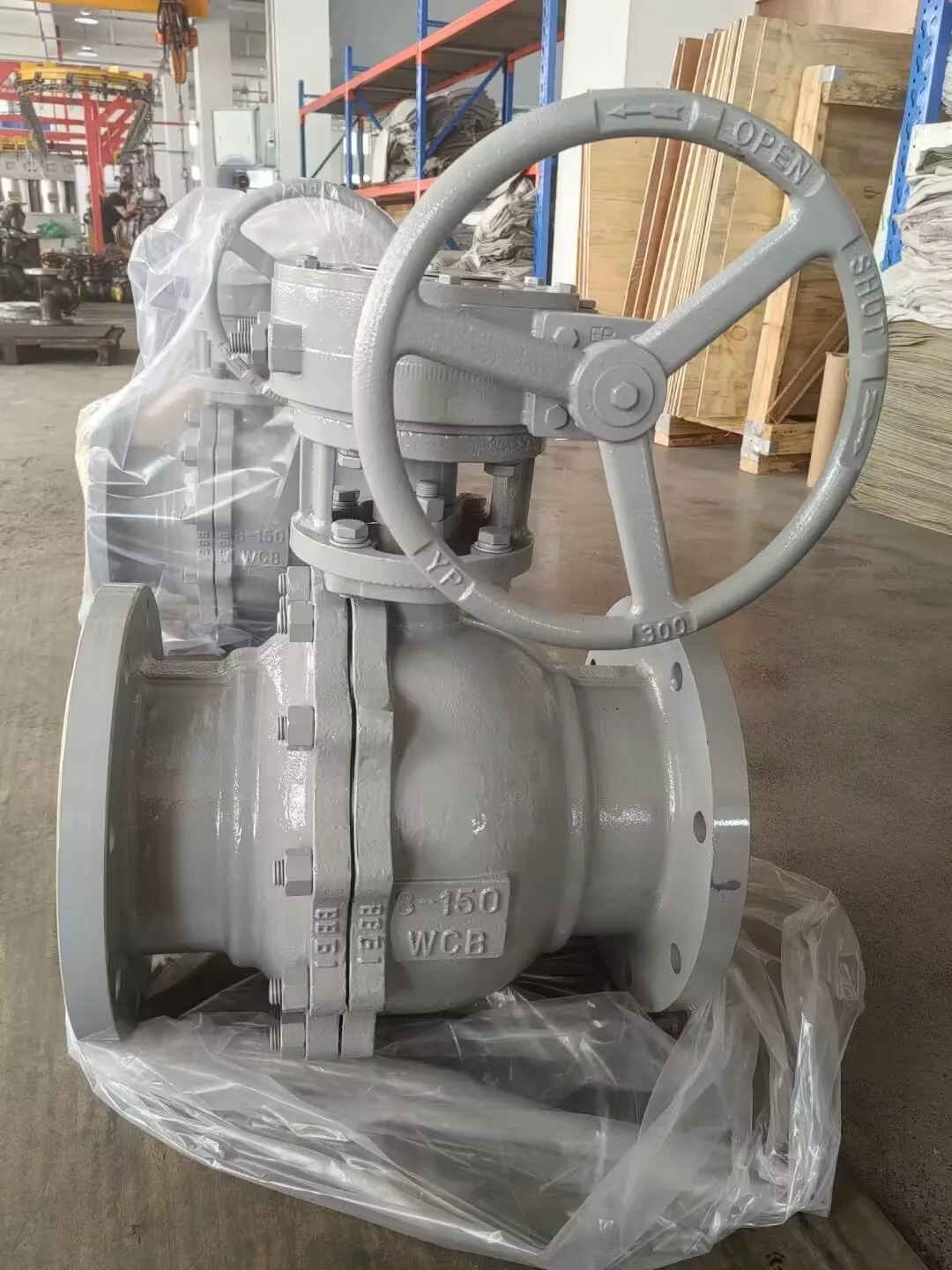
The uni flange, a specialized type of pipe flange, is a critical component in piping systems across diverse industries including petrochemical, oil & gas, power generation, and water treatment. Distinguished by its unique single-bolt design, it offers a rapid and cost-effective connection solution, particularly suited for applications requiring frequent assembly and disassembly, such as pre-fabricated piping and temporary installations. Unlike traditional flanges requiring multiple bolts, the uni flange relies on a high-strength, proprietary gasket and a single central bolt to achieve a pressure-tight seal. Its technical position in the industry chain lies between pipe manufacturing and system integration, acting as the essential interface for joining pipe sections, valves, pumps, and other equipment. Core performance characteristics center on maintaining leak-tight integrity under specified pressure and temperature conditions, ease of installation and removal, and resistance to environmental degradation. The design mitigates the risks associated with bolt loosening and gasket failure common in conventional flanged joints, representing a significant advancement in joint reliability.
Material Science & Manufacturing
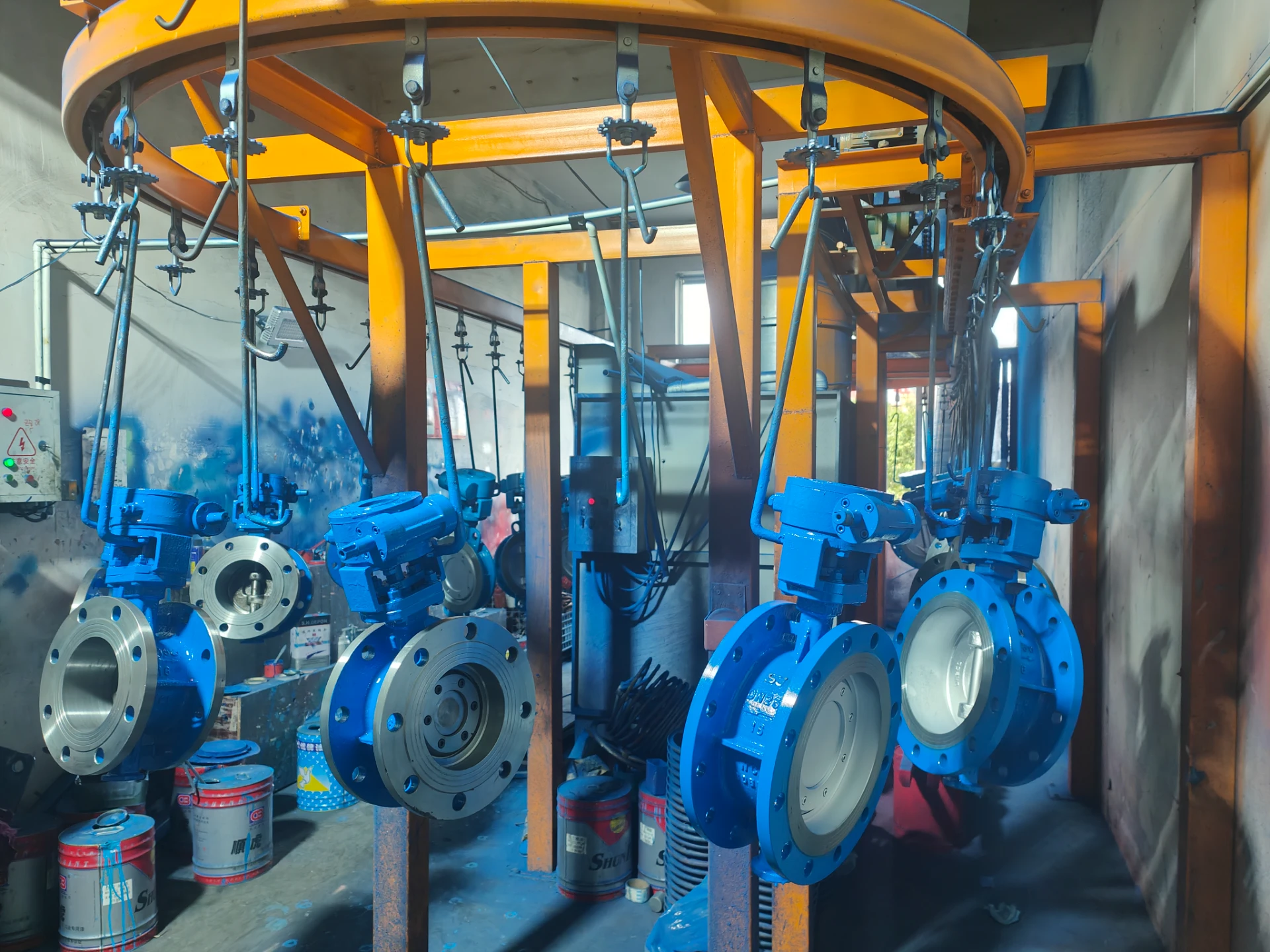
Uni flanges are typically manufactured from carbon steel (ASTM A105, equivalent to GB/T 1220), stainless steel (304/304L, 316/316L – ASTM A182), or alloy steel (ASTM A182 F11, F22), selected based on the fluid conveyed and operating environment. The gasket material is critical, commonly utilizing high-performance elastomers like EPDM, Viton (FKM), or PTFE-coated materials, chosen for their chemical compatibility and resilience. Carbon steel is produced via conventional steelmaking routes, undergoing hot rolling, forging, and subsequent machining to achieve the flange’s geometry. Stainless and alloy steel production employs similar methods with controlled alloying additions to achieve specific corrosion resistance and strength properties. The manufacturing process for the flange body involves precision machining of the bolt hole and sealing surface to ensure concentricity and flatness – deviations exceeding specified tolerances (typically <0.05mm) compromise sealing performance. The single bolt itself is generally manufactured from high-strength alloy steel (e.g., 4140) and undergoes heat treatment (quenching and tempering) to achieve a tensile strength exceeding 800 MPa. The critical parameter control lies in maintaining dimensional accuracy, surface finish, and material traceability throughout the entire production process. Welding procedures, if applicable for connecting flange segments, must adhere to ASME Section IX or equivalent standards. Gasket compression is a key parameter during installation, and controlled tightening of the central bolt is crucial to achieving optimal sealing.
Performance & Engineering
The performance of a uni flange joint hinges on the interplay of several engineering principles. Force analysis centers on the compressive load applied to the gasket by tightening the single bolt. This compression must exceed the minimum required to create a deformation in the gasket material sufficient to fill surface irregularities and create a leak-proof barrier. Finite Element Analysis (FEA) is frequently employed to optimize the flange geometry and bolt preload, ensuring uniform pressure distribution and minimizing stress concentrations. Environmental resistance is a key consideration, particularly in corrosive environments. The selection of appropriate materials (stainless steel, PTFE-lined gaskets) is paramount. Exposure to prolonged UV radiation can degrade certain gasket materials, necessitating UV-resistant formulations. Compliance requirements are dictated by industry-specific regulations such as ASME B31.3 (Process Piping), API 610 (Centrifugal Pumps), and PED (Pressure Equipment Directive – European Union). Functional implementation demands careful consideration of thermal expansion and contraction. The uni flange design inherently allows for limited axial movement, accommodating moderate thermal expansion without inducing excessive stress on the joint. Cyclic loading, such as that experienced in pump applications, necessitates fatigue analysis to ensure long-term joint integrity. Proper installation procedures, including torque specification for the central bolt and gasket seating, are critical to achieving reliable performance. The sealing mechanism relies on a combination of compression and shear deformation of the gasket, preventing fluid ingress even under pulsating pressure conditions.
Technical Specifications
| Parameter | Carbon Steel (A105) | Stainless Steel (316/316L) | Gasket Material (EPDM) | Maximum Operating Pressure |
|---|---|---|---|---|
| Size Range (inches) | 2" – 24" | 2" – 12" | Varies by flange size | Up to 1500 PSI |
| Temperature Range (°C) | -29 to 371 | -196 to 427 | -50 to 150 | Dependent on gasket material |
| Material Standard | ASTM A105 | ASTM A182 F316 | ASTM D2000 | ASME B16.5 |
| Bolt Material | ASTM A193 B7 | ASTM A193 B7 | N/A | N/A |
| Tensile Strength (MPa) | 400 - 655 | 517 - 790 | N/A | >800 (bolt) |
| Corrosion Resistance | Moderate | Excellent | Good (to many chemicals) | N/A |
Failure Mode & Maintenance
Uni flange joints, while robust, are susceptible to certain failure modes. Fatigue cracking in the bolt is a common issue, particularly under cyclic loading. This is often initiated at the thread root and can lead to catastrophic joint failure. Gasket degradation, including swelling, hardening, or cracking, results in leakage. This is accelerated by exposure to incompatible chemicals or extreme temperatures. Creep relaxation of the gasket under sustained load can also lead to a loss of bolt preload and eventual leakage. Corrosion, especially in carbon steel flanges operating in harsh environments, can weaken the flange body and lead to failure. Improper installation, specifically over-tightening or under-tightening the central bolt, is a significant contributor to premature failure. Maintenance procedures include periodic visual inspection for signs of corrosion, gasket leakage, or bolt loosening. Regular torque checks of the central bolt are recommended, utilizing a calibrated torque wrench. Gasket replacement should be performed at scheduled intervals or upon detection of leakage. If corrosion is present, the affected area should be cleaned and protected with an appropriate coating. For critical applications, non-destructive testing methods, such as ultrasonic testing, can be employed to detect hidden cracks or flaws. Lubrication of the bolt threads with an anti-seize compound can prevent galling and facilitate future disassembly. Proper storage of spare gaskets is also vital, protecting them from UV exposure and chemical contamination.
Industry FAQ
Q: What are the primary advantages of a uni flange over a traditional flanged joint?
A: The primary advantages lie in its speed of installation and removal, reduced bolt count (simplifying maintenance), and inherent alignment features. This translates to significant cost savings in applications requiring frequent pipe modifications or temporary connections. The reduced number of bolts also minimizes the risk of loosening due to vibration.
Q: What gasket materials are compatible with highly corrosive chemicals?
A: For highly corrosive environments, PTFE (Teflon) gaskets are typically the most suitable choice due to their exceptional chemical resistance. Viton (FKM) gaskets offer good resistance to a broad range of chemicals, but their compatibility should be verified based on the specific fluid. EPDM gaskets are not recommended for use with strong acids or oxidizing agents.
Q: How does temperature fluctuation affect the performance of a uni flange joint?
A: While the uni flange design accommodates some axial movement due to thermal expansion and contraction, extreme temperature fluctuations can induce stress on the joint. Proper material selection and gasket compression are critical to mitigating these stresses. In applications with significant temperature variations, expansion loops or flexible connectors may be necessary.
Q: What torque value should be applied to the central bolt during installation?
A: The recommended torque value is dependent on the flange size, bolt diameter, and gasket material. Consult the manufacturer’s specifications for precise torque values. Over-tightening can damage the gasket or flange, while under-tightening can lead to leakage. A calibrated torque wrench should always be used.
Q: Can uni flanges be used in high-pressure hydraulic systems?
A: Uni flanges are typically rated for pressures up to 1500 PSI, depending on the flange size and materials. However, their suitability for high-pressure hydraulic systems depends on the specific application and operating conditions. A thorough engineering assessment is crucial to ensure the joint’s integrity under sustained high pressure and potential shock loading.
Conclusion
The uni flange represents a practical and efficient solution for pipe joining in a wide array of industrial applications. Its simplified design, ease of installation, and reliable sealing performance offer compelling advantages over traditional flanged connections, particularly where rapid assembly and disassembly are essential. Understanding the material science, manufacturing processes, and performance characteristics of uni flanges is crucial for ensuring long-term integrity and minimizing the risk of failure.
Future development may focus on incorporating advanced gasket materials with enhanced chemical resistance and temperature stability, as well as integrating smart sensors for real-time monitoring of bolt preload and gasket integrity. Continued refinement of the design and manufacturing processes will further enhance the reliability and cost-effectiveness of this valuable component in modern piping systems.
-
Raised Face Flange Performance Analysis
-
Threaded Flanges Performance Analysis
-
uni flange Performance Analysis
-
Thread Flange Material Science and Performance
-
Flange Welding Performance Analysis
-
Flanged Couplings Performance Analysis
-
female thread ball valve Performance Analysis
-
1/2 ball valve Material Science Manufacturing
-
gas ball valves Performance Engineering
-
2 inch ball valves Performance Analysis
-
motorized ball valve Performance Analysis
-
floating ball valve Performance Analysis
-
ball valve stainless steel Performance Analysis
-
gate valve stainless steel Performance Analysis
-
dn200 gate valve Performance Analysis
 Afrikaans
 Albanian
 Amharic
 Arabic
 Armenian
 Azerbaijani
 Basque
 Belarusian
 Bengali
 Bosnian
 Bulgarian
 Catalan
 Cebuano
 Corsican
 Croatian
 Czech
Czech
 Danish
 Dutch
Dutch
 Esperanto
 Estonian
 Finnish
 French
 Frisian
 Galician
 Georgian
 German
 Greek
Greek
 Gujarati
 Haitian Creole
 Hausa
Hawaiian
Hausa
Hawaiian
 Hebrew
 Hindi
Hindi
 Miao
Miao
 Hungarian
 Icelandic
 Igbo
Igbo
 Indonesian
 Irish
Irish
 Italian
 Japanese
 Javanese
Kannada
Javanese
Kannada
 Kazakh
 Khmer
Khmer
 Rwandese
 Korean
 Kurdish
 Kyrgyz
 Lao
Lao
 Latin
Latin
 Latvian
 Lithuanian
 Luxembourgish
 Macedonian
 Malgashi
 Malay
Malay
 Malayalam
 Maltese
 Maori
Maori
 Marathi
 Mongolian
 Myanmar
 Nepali
 Norwegian
 Norwegian
 Occitan
 Pashto
 Persian
 Polish
 Portuguese
Punjabi
Portuguese
Punjabi
 Romanian
 Russian
 Samoan
 Scottish Gaelic
 Serbian
 Sesotho
 Shona
Shona
 Sindhi
 Sinhala
 Slovak
 Slovenian
 Somali
 Spanish
 Sundanese
 Swahili
 Swedish
Tagalog
Swedish
Tagalog
 Tajik
Tajik
 Tamil
Tamil
 Tatar
Tatar
 Telugu
 Thai
Thai
 Turkish
 Turkmen
 Ukrainian
 Urdu
Urdu
 Uighur
 Uzbek
Uzbek
 Vietnamese
 Welsh
Welsh
 Bantu
Bantu
 Yiddish
 Yoruba
 Zulu
Zulu
 English