




weld neck flanges Performance Analysis
Introduction
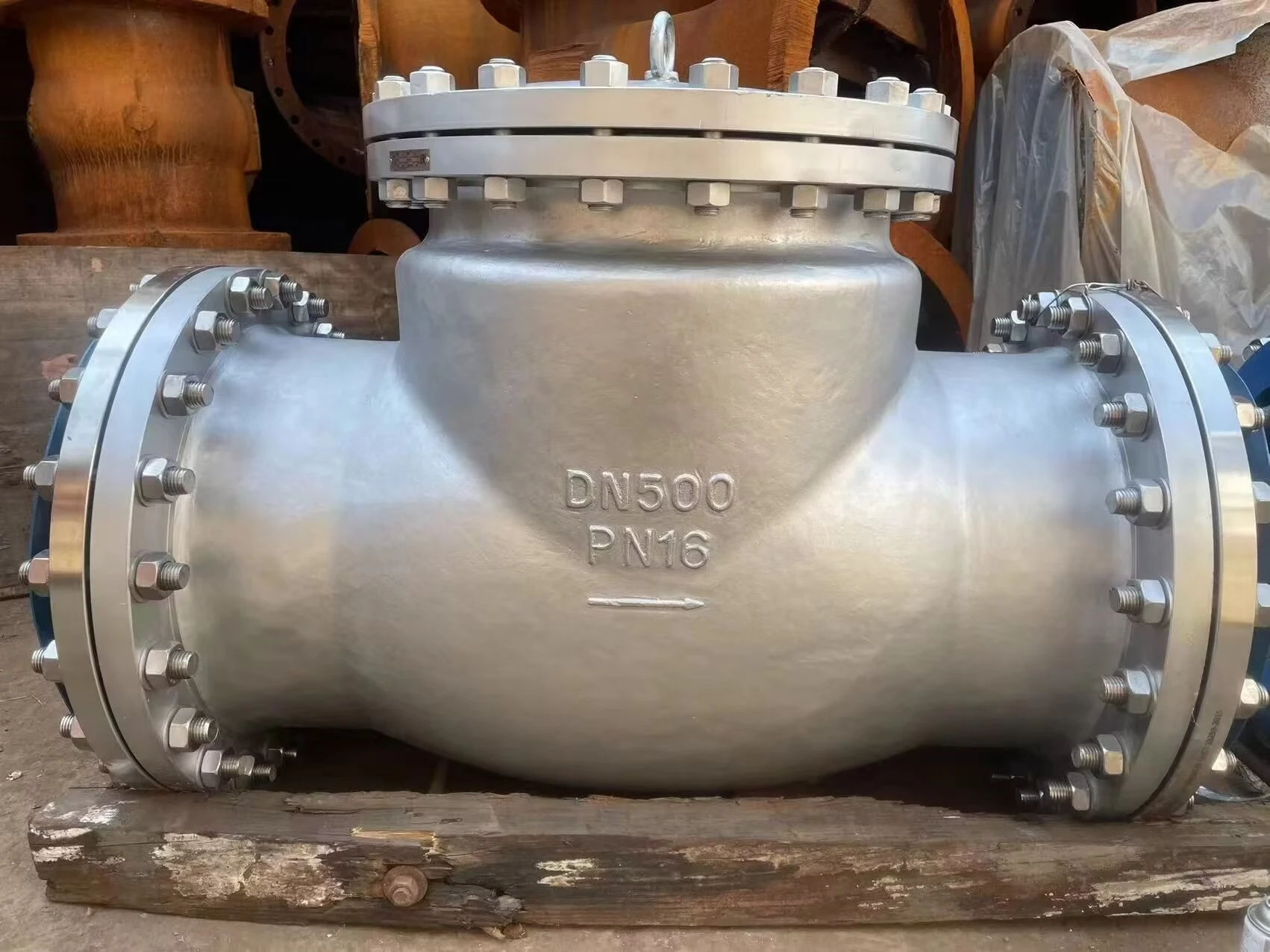
Weld neck flanges are a critical component in piping systems, designed to connect sections of pipe or to connect pipes to valves, pumps, and other equipment. Characterized by a circular welding hub extending from the flange face, they provide a strong, reliable, and leak-proof joint when properly installed. Their prominence stems from their ability to transfer stress away from the bolt holes, contributing to higher fatigue resistance compared to other flange types like slip-on or lap joint flanges. Within the industrial chain, weld neck flanges occupy a vital position, particularly in high-pressure, high-temperature, and critical service applications where joint integrity is paramount. Core performance metrics revolve around pressure containment capability, dimensional accuracy to ensure proper mating, and adherence to stringent material specifications to resist corrosion and mechanical failure. The primary industry pain point is ensuring consistent weld quality and minimizing the risk of weld-induced cracking or porosity which can lead to catastrophic failure and costly downtime.
Material Science & Manufacturing
Weld neck flanges are commonly manufactured from carbon steel (ASTM A105, ASME SA/SA105), alloy steel (ASTM A182 F22, F91), stainless steel (ASTM A182 F304, F316), and occasionally, more specialized materials like duplex stainless steel or Inconel for extreme corrosion resistance. Carbon steel flanges exhibit good strength and weldability but are susceptible to corrosion. Alloy steels offer enhanced strength and temperature resistance. Stainless steels provide superior corrosion resistance but often at a higher cost. The manufacturing process begins with forging or casting, followed by machining to achieve the desired dimensions and surface finish. The critical weld preparation process involves precise beveling to create the correct weld profile, typically a U-bevel or V-bevel depending on the material thickness and welding procedure. Key parameters during welding include preheat temperature (to prevent hydrogen embrittlement), interpass temperature (to control cooling rates and microstructure), welding current and voltage (to ensure adequate penetration and fusion), and shielding gas composition (typically Argon or Argon/CO2 mixtures to prevent oxidation). Post-weld heat treatment (PWHT) is often required to relieve residual stresses and improve ductility. Non-destructive testing (NDT) methods like radiography, ultrasonic testing, and dye penetrant inspection are essential to verify weld integrity and identify defects. Material traceability is paramount, requiring documentation of material certifications and welding procedures.
Performance & Engineering
The performance of a weld neck flange is heavily influenced by its ability to withstand internal pressure, external loads, and thermal stresses. Force analysis involves calculating hoop stress (tangential stress acting circumferentially) and longitudinal stress (stress acting along the length of the pipe). These stresses are dictated by the internal pressure, pipe diameter, and wall thickness, governed by ASME Boiler and Pressure Vessel Code Section VIII Division 1. Environmental resistance is critical; corrosion rates depend on the fluid being conveyed, temperature, and material composition. For corrosive environments, selecting appropriate materials and applying protective coatings (e.g., epoxy coatings, galvanizing) are essential. Compliance requirements are extensive, encompassing ASME B16.5 (for dimensions and tolerances), MSS SP-44 (for marking requirements), and various industry-specific standards (e.g., API standards for the oil and gas industry). Functional implementation requires careful consideration of bolt circle diameter, bolt hole size and pattern, and flange facing type (Raised Face, Flat Face, Ring Type Joint). The flange’s structural integrity under load is also impacted by gasket selection and bolt tightening procedures, which must be precisely controlled to achieve the specified leak rate.
Technical Specifications
| Parameter | ASTM A105 Carbon Steel | ASTM A182 F304 Stainless Steel | ASTM A182 F316 Stainless Steel | ASME B16.5 Pressure Rating (lbs) |
|---|---|---|---|---|
| Material | Carbon Steel | 304 Stainless Steel | 316 Stainless Steel | 150 |
| Tensile Strength (MPa) | 400-550 | 517-724 | 517-724 | 300 |
| Yield Strength (MPa) | 250-345 | 205-276 | 205-276 | 600 |
| Elongation (%) | 18-22 | 30-50 | 30-50 | 900 |
| Corrosion Resistance | Low | Good | Excellent (especially to chlorides) | 1500 |
| Maximum Operating Temperature (°C) | 200 | 870 | 870 | 2500 |
Failure Mode & Maintenance
Weld neck flanges are susceptible to several failure modes. Fatigue cracking can occur due to cyclic loading, especially at the weld toe. Corrosion-induced pitting and crevice corrosion can weaken the material and lead to leaks. Stress corrosion cracking (SCC) is a concern in specific environments, particularly with stainless steels exposed to chlorides. Hydrogen embrittlement can occur during welding if proper preheat and post-weld heat treatment are not employed. Bolt failure can result from over-tightening, under-tightening, or corrosion of the bolts. Gasket failure is a common issue, leading to leaks. Maintenance involves regular visual inspections for signs of corrosion, cracking, or leakage. Bolt tightening should be periodically checked and adjusted to the specified torque. Gaskets should be replaced according to a predetermined schedule or when leaks are detected. Non-destructive testing (NDT) can be used to assess the integrity of the welds and detect hidden defects. In the event of a significant defect, the flange should be replaced. Proper lubrication of bolts prevents galling and ensures consistent clamping force. Regular cleaning removes debris and prevents corrosion.
Industry FAQ
Q: What is the primary difference between a weld neck flange and a slip-on flange in terms of stress distribution?
A: Weld neck flanges, with their reinforcing hub, transfer stress away from the bolt holes, resulting in a more even stress distribution. Slip-on flanges rely solely on the fillet weld for attachment, concentrating stress at the weld toe and around the bolt holes, making them less suitable for high-pressure or cyclic loading applications.
Q: How does the choice of welding process (SMAW, GTAW, GMAW) impact the integrity of a weld neck flange joint?
A: GTAW (Gas Tungsten Arc Welding) typically provides the highest quality welds with excellent control and minimal defects, ideal for critical applications. GMAW (Gas Metal Arc Welding) offers higher deposition rates, suitable for thicker sections, but requires careful parameter control. SMAW (Shielded Metal Arc Welding) is more versatile but generally produces welds with lower quality and higher susceptibility to defects.
Q: What are the key considerations when selecting a gasket material for a weld neck flange connection?
A: Gasket material selection depends on the fluid being conveyed, temperature, and pressure. Factors to consider include chemical compatibility, temperature resistance, and compressibility. Common materials include non-asbestos fiber, PTFE, and metallic gaskets. The gasket must conform to the flange facing and provide a reliable seal without degradation.
Q: What Non-Destructive Testing (NDT) methods are commonly employed to inspect weld neck flange welds?
A: Radiographic testing (RT) is used to detect internal weld defects like porosity and cracking. Ultrasonic testing (UT) can also detect internal flaws and measure weld thickness. Dye penetrant inspection (DPI) identifies surface cracks and discontinuities. Magnetic particle inspection (MPI) is used for ferromagnetic materials to detect surface and near-surface defects.
Q: What is the purpose of Post-Weld Heat Treatment (PWHT) and when is it necessary?
A: PWHT is performed to relieve residual stresses induced during welding, improve ductility, and enhance resistance to stress corrosion cracking. It is generally required for high-strength materials, critical applications, and when specified by industry codes and standards, such as ASME Section VIII, Division 1.
Conclusion
Weld neck flanges remain a cornerstone of reliable piping systems due to their superior strength, weldability, and ability to accommodate high pressures and temperatures. A thorough understanding of material science, manufacturing processes, performance characteristics, and potential failure modes is crucial for ensuring long-term operational integrity. Selecting the appropriate material, employing robust welding procedures, and implementing a comprehensive maintenance program are all essential to mitigate risks and maximize the service life of these critical components.
Looking forward, advancements in welding technology, such as automated welding and robotic inspection, will continue to enhance the quality and consistency of weld neck flange fabrication. Further research into corrosion-resistant alloys and protective coatings will address the challenges posed by increasingly harsh operating environments. Proper training and certification of welding personnel, along with strict adherence to industry standards, will remain paramount for maintaining the reliability and safety of piping systems worldwide.
-
Screwed Flange Performance Analysis
-
Screwed Flanges Performance Analysis
-
Screw Flanges Performance Analysis
-
weld neck flanges Performance Analysis
-
welding neck flange Material Science Manufacturing
-
Raised Face Flange Performance Analysis
-
Threaded Flanges Performance Analysis
-
uni flange Performance Analysis
-
Thread Flange Material Science and Performance
-
Flange Welding Performance Analysis
-
Flanged Couplings Performance Analysis
-
female thread ball valve Performance Analysis
-
1/2 ball valve Material Science Manufacturing
-
gas ball valves Performance Engineering
-
2 inch ball valves Performance Analysis
 Afrikaans
 Albanian
 Amharic
 Arabic
 Armenian
 Azerbaijani
 Basque
 Belarusian
 Bengali
 Bosnian
 Bulgarian
 Catalan
 Cebuano
 Corsican
 Croatian
 Czech
Czech
 Danish
 Dutch
Dutch
 Esperanto
 Estonian
 Finnish
 French
 Frisian
 Galician
 Georgian
 German
 Greek
Greek
 Gujarati
 Haitian Creole
 Hausa
Hawaiian
Hausa
Hawaiian
 Hebrew
 Hindi
Hindi
 Miao
Miao
 Hungarian
 Icelandic
 Igbo
Igbo
 Indonesian
 Irish
Irish
 Italian
 Japanese
 Javanese
Kannada
Javanese
Kannada
 Kazakh
 Khmer
Khmer
 Rwandese
 Korean
 Kurdish
 Kyrgyz
 Lao
Lao
 Latin
Latin
 Latvian
 Lithuanian
 Luxembourgish
 Macedonian
 Malgashi
 Malay
Malay
 Malayalam
 Maltese
 Maori
Maori
 Marathi
 Mongolian
 Myanmar
 Nepali
 Norwegian
 Norwegian
 Occitan
 Pashto
 Persian
 Polish
 Portuguese
Punjabi
Portuguese
Punjabi
 Romanian
 Russian
 Samoan
 Scottish Gaelic
 Serbian
 Sesotho
 Shona
Shona
 Sindhi
 Sinhala
 Slovak
 Slovenian
 Somali
 Spanish
 Sundanese
 Swahili
 Swedish
Tagalog
Swedish
Tagalog
 Tajik
Tajik
 Tamil
Tamil
 Tatar
Tatar
 Telugu
 Thai
Thai
 Turkish
 Turkmen
 Ukrainian
 Urdu
Urdu
 Uighur
 Uzbek
Uzbek
 Vietnamese
 Welsh
Welsh
 Bantu
Bantu
 Yiddish
 Yoruba
 Zulu
Zulu
 English