




Brass Needle Valves
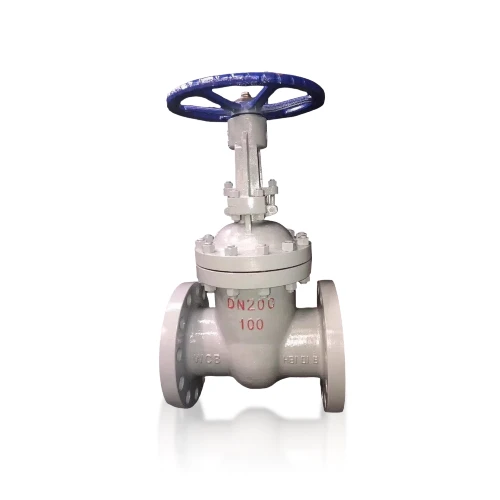
Brass needle valves are precision-engineered components designed to regulate fluid flow in various applications. With their fine-tuning capabilities, these valves allow for minute adjustments in flow, making them essential in many industrial and commercial settings. Crafted from high-quality brass, they offer excellent durability and corrosion resistance, ensuring long-lasting performance even in challenging environments.
Key Features
- Precision Control: Designed for accurate flow regulation.
- Durable Material: Made from high-quality brass for enhanced longevity.
- Corrosion Resistant: Ideal for use in various fluids, including water, oil, and gas.
- Easy Installation: Compatible with standard piping systems.
- Versatile Applications: Suitable for a wide range of industrial and commercial uses.
Technical Specifications
| Specification | Details |
|---|---|
| Material | Brass |
| Size Options | 1/4", 1/2", 3/4", 1" |
| Pressure Rating | Up to 300 psi |
| Temperature Range | -20°C to 120°C |
| Connection Type | Threaded, Flanged |
| End Connection | NPT, BSP |
Application Scenarios
Brass needle valves are widely utilized in various industries due to their reliability and precision. Here are some common application scenarios:
- Hydraulic Systems: For controlling flow in hydraulic circuits.
- Pneumatic Systems: To manage air flow in pneumatic applications.
- Water Treatment: For regulating flow rates in water purification processes.
- Oil and Gas: Used in pipelines for precise flow control.
- Laboratories: Ideal for experimental setups requiring accurate flow adjustments.
Advantages
Choosing brass needle valves brings several advantages to your operations:
- Superior Performance: The design allows for fine control over fluid flow, enhancing system efficiency.
- Longevity: Made from high-quality brass, these valves resist wear and corrosion, minimizing maintenance needs.
- Cost-Effective: Their durability and reliability lead to lower operational costs over time.
- Wide Compatibility: Compatible with various fluids and systems, making them a versatile choice for different applications.
- Ease of Use: Simple installation and operation facilitate quick integration into existing systems.
Why Choose Us
When it comes to sourcing brass needle valves, we stand out as a trusted partner in the industry:
- Expertise: Our team has extensive knowledge in valve technology, ensuring you receive the best solutions for your needs.
- Quality Assurance: We adhere to strict quality control measures, guaranteeing that every brass needle valve meets international standards.
- Customer-Centric Approach: We prioritize our customers' needs, providing personalized support and advice throughout the purchasing process.
- Global Reach: Our international trade capabilities allow us to serve clients across various regions efficiently.
- Competitive Pricing: We offer high-quality products at competitive prices, ensuring you get the best value for your investment.
FAQ
1. What are brass needle valves used for?
Brass needle valves are primarily used for regulating fluid flow in various systems, including hydraulic, pneumatic, and chemical processes.
2. How do I choose the right size of a brass needle valve?
The appropriate size depends on your system's flow requirements and the type of connections in your setup. Refer to our technical specifications for sizing options.
3. Are brass needle valves suitable for high-pressure applications?
Yes, our brass needle valves are rated for pressures up to 300 psi, making them suitable for many high-pressure applications.
4. Can brass needle valves handle corrosive fluids?
Brass is resistant to many chemicals, but for highly corrosive applications, we recommend consulting with our experts to ensure compatibility.
5. What is the temperature range for these valves?
Our brass needle valves can operate within a temperature range of -20°C to 120°C, suitable for various environments.
6. How do I install a brass needle valve?
Installation is straightforward; ensure that the valve is oriented correctly for the intended flow direction, and tighten it securely to the piping system.
 English
  Afrikaans
  Albanian
  Amharic
  Arabic
  Armenian
  Azerbaijani
  Basque
  Belarusian
  Bengali
  Bosnian
  Bulgarian
  Catalan
  Cebuano
  Corsican
  Croatian
  Czech
Czech  Danish
  Dutch
Dutch  Esperanto
  Estonian
  Finnish
  French
  Frisian
  Galician
  Georgian
  German
  Greek
Greek  Gujarati
  Haitian Creole
  Hausa
Hausa  Hebrew
  Hindi
Hindi  Miao
Miao  Hungarian
  Icelandic
  Igbo
Igbo  Indonesian
  Irish
Irish  Italian
  Japanese
  Javanese
  Kazakh
  Khmer
Khmer  Rwandese
  Korean
  Kurdish
  Kyrgyz
  Lao
Lao  Latin
Latin  Latvian
  Lithuanian
  Luxembourgish
  Macedonian
  Malgashi
  Malay
Malay  Malayalam
  Maltese
  Maori
Maori  Marathi
  Mongolian
  Myanmar
  Nepali
  Norwegian
  Norwegian
  Occitan
  Pashto
  Persian
  Polish
  Portuguese
  Romanian
  Russian
  Samoan
  Scottish Gaelic
  Serbian
  Sesotho
  Shona
Shona  Sindhi
  Sinhala
  Slovak
  Slovenian
  Somali
  Spanish
  Sundanese
  Swahili
  Swedish
  Tajik
Tajik  Tamil
Tamil  Tatar
Tatar  Telugu
  Thai
Thai  Turkish
  Turkmen
  Ukrainian
  Urdu
Urdu  Uighur
  Uzbek
Uzbek  Vietnamese
  Welsh
Welsh  Bantu
Bantu  Yiddish
  Yoruba
  Zulu
Zulu