




Brass Solenoid Valve
Product Overview
The brass solenoid valve is a highly efficient, electrically operated valve designed for controlling the flow of fluids in various industrial applications. Constructed from high-quality brass, this valve combines durability with corrosion resistance, making it suitable for a wide range of environments. With its reliable performance and quick response time, the brass solenoid valve is an essential component in automation systems, irrigation setups, and fluid control systems.
Key Features
- Durable Construction: Made from high-grade brass for enhanced strength and longevity.
- Corrosion Resistance: Ideal for use in harsh environments where exposure to moisture and chemicals is common.
- Quick Response Time: Fast actuation for efficient flow control, minimizing downtime in operations.
- Versatile Applications: Suitable for water, air, gas, and oil applications across various industries.
- Low Power Consumption: Designed to operate efficiently, reducing energy costs.
Technical Specifications
| Specification | Details |
|---|---|
| Model | BSV-001 |
| Material | Brass |
| Size | 1/2", 3/4", 1" |
| Pressure Rating | 0-10 Bar |
| Temperature Range | -10°C to 80°C |
| Voltage | AC 110V/220V, DC 12V/24V |
| Connection Type | Threaded |
Application Scenarios
The brass solenoid valve is versatile and can be utilized in numerous applications, including:
- Water Treatment: Controls water flow in filtration and purification systems.
- Irrigation Systems: Automates the watering process in agricultural setups.
- HVAC Systems: Regulates fluid flow in heating and cooling applications.
- Industrial Automation: Used in production lines for precise fluid control.
- Gas Control: Safely manages gas flow in residential and industrial applications.
Advantages
Choosing a brass solenoid valve comes with several advantages:
- Reliability: The robust design ensures consistent performance over time, reducing the risk of failure.
- Ease of Installation: Designed for straightforward installation, minimizing setup time and labor costs.
- Low Maintenance: Requires minimal upkeep due to the durable materials and construction.
- Cost-Effective: Offers excellent value for money with a long lifespan and efficient operation.
- Wide Availability: Easily sourced from various suppliers, ensuring compatibility with existing systems.
Why Choose Us
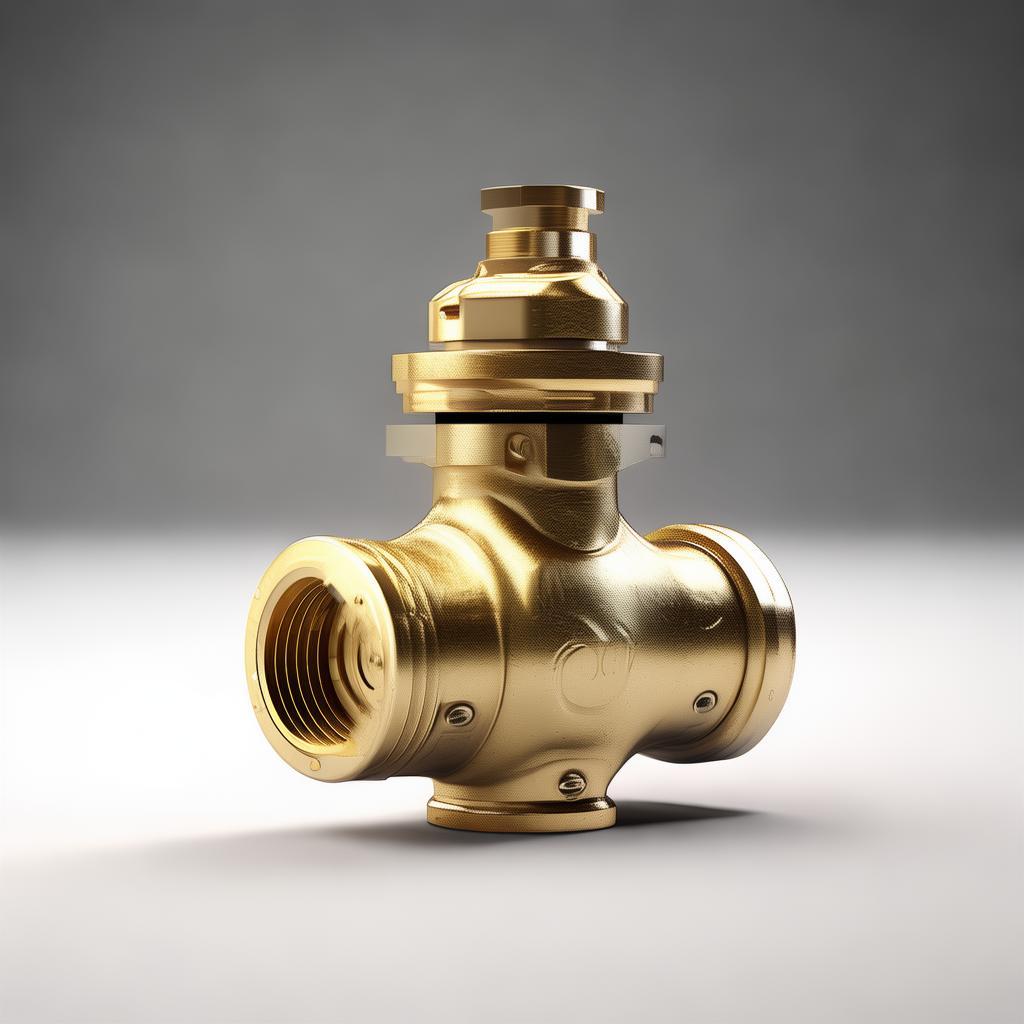
When it comes to sourcing your brass solenoid valve, we stand out for various reasons:
- Quality Assurance: Our valves undergo rigorous testing to ensure they meet industry standards for quality and performance.
- Expertise: With years of experience in the industry, our team provides expert guidance and support to help you select the ideal valve for your needs.
- Custom Solutions: We offer customization options to meet specific application requirements, ensuring optimal performance.
- Global Reach: Our extensive supply chain allows us to serve clients worldwide, facilitating international trade seamlessly.
- Customer Focus: We prioritize customer satisfaction and provide ongoing support to ensure your success.
FAQ
1. What is a brass solenoid valve?
A brass solenoid valve is an electromechanical device that controls the flow of fluids using electrical signals. It is constructed from brass, known for its durability and resistance to corrosion.
2. What applications can I use a brass solenoid valve for?
This valve is suitable for a wide range of applications, including water treatment, irrigation, HVAC systems, industrial automation, and gas control.
3. How do I select the right size of brass solenoid valve?
Choosing the right size depends on the flow rate and pressure requirements of your application. It is essential to consult with an expert or refer to technical specifications to ensure compatibility.
4. Can I use a brass solenoid valve with corrosive fluids?
While brass is resistant to many types of corrosion, it may not be suitable for all corrosive fluids. It is advisable to check compatibility with specific fluids before installation.
5. How do I maintain a brass solenoid valve?
Maintenance is minimal but may include periodic inspections for leaks and ensuring the valve is operating correctly. Regular cleaning and avoiding exposure to extreme conditions can prolong its life.
 English
  Afrikaans
  Albanian
  Amharic
  Arabic
  Armenian
  Azerbaijani
  Basque
  Belarusian
  Bengali
  Bosnian
  Bulgarian
  Catalan
  Cebuano
  Corsican
  Croatian
  Czech
Czech  Danish
  Dutch
Dutch  Esperanto
  Estonian
  Finnish
  French
  Frisian
  Galician
  Georgian
  German
  Greek
Greek  Gujarati
  Haitian Creole
  Hausa
Hausa  Hebrew
  Hindi
Hindi  Miao
Miao  Hungarian
  Icelandic
  Igbo
Igbo  Indonesian
  Irish
Irish  Italian
  Japanese
  Javanese
  Kazakh
  Khmer
Khmer  Rwandese
  Korean
  Kurdish
  Kyrgyz
  Lao
Lao  Latin
Latin  Latvian
  Lithuanian
  Luxembourgish
  Macedonian
  Malgashi
  Malay
Malay  Malayalam
  Maltese
  Maori
Maori  Marathi
  Mongolian
  Myanmar
  Nepali
  Norwegian
  Norwegian
  Occitan
  Pashto
  Persian
  Polish
  Portuguese
  Romanian
  Russian
  Samoan
  Scottish Gaelic
  Serbian
  Sesotho
  Shona
Shona  Sindhi
  Sinhala
  Slovak
  Slovenian
  Somali
  Spanish
  Sundanese
  Swahili
  Swedish
  Tajik
Tajik  Tamil
Tamil  Tatar
Tatar  Telugu
  Thai
Thai  Turkish
  Turkmen
  Ukrainian
  Urdu
Urdu  Uighur
  Uzbek
Uzbek  Vietnamese
  Welsh
Welsh  Bantu
Bantu  Yiddish
  Yoruba
  Zulu
Zulu