




Check Valve 3/4
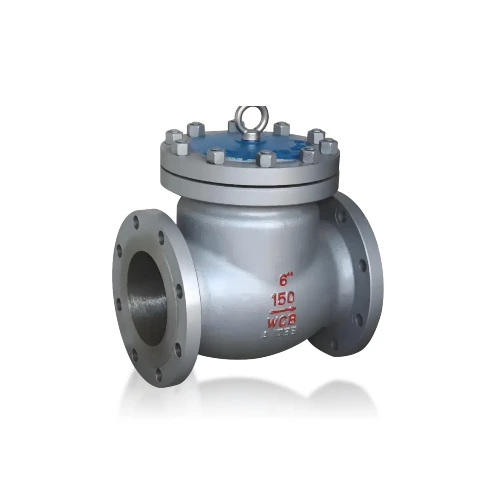
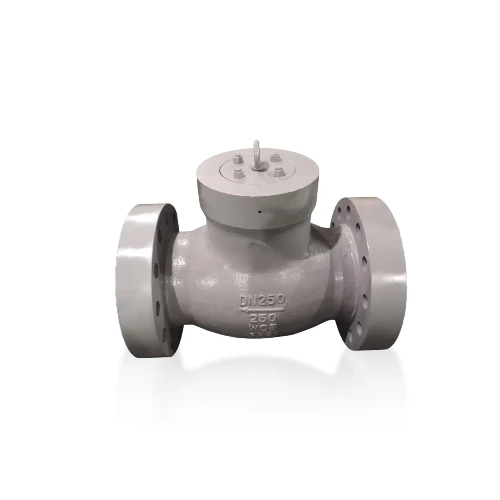
The check valve 3/4 is an essential component designed to prevent backflow in piping systems. This valve operates automatically to ensure the flow of fluids in one direction while blocking any reverse flow. Ideal for various industrial applications, this check valve is crafted to meet high standards of durability and reliability, making it a preferred choice for engineers and procurement specialists alike.
Key Features
- Robust Construction: Made from high-quality materials to withstand harsh environments and corrosive fluids.
- Efficient Design: The streamlined design minimizes pressure drop and optimizes flow rates.
- Automatic Operation: Allows for seamless operation without the need for manual intervention.
- Versatile Applications: Suitable for a wide range of fluids, including water, oil, and gases.
- Compact Size: The 3/4 inch size makes it easy to install in various piping systems without requiring extensive modifications.
Technical Specifications
| Specification | Details |
|---|---|
| Size | 3/4 inch |
| Material | Brass, Stainless Steel, PVC |
| Pressure Rating | 150 PSI |
| Temperature Range | -20°C to 90°C (-4°F to 194°F) |
| Connection Type | Threaded or Flanged |
| Certification | ISO, CE, NSF |
Application Scenarios
The check valve 3/4 is utilized in a wide variety of industries and applications, including:
- Water Supply Systems: Prevents backflow in municipal and industrial water supply pipelines.
- Pumping Stations: Ensures that fluids flow in the intended direction in pumping applications.
- HVAC Systems: Maintains proper flow in heating and cooling systems, preventing reverse flow that can damage equipment.
- Oil and Gas: Protects pipelines from backflow, safeguarding against leakages and contamination.
- Chemical Processing: Safely manages the flow of various chemicals, preventing unwanted backflow.
Advantages
- Reliability: The check valve 3/4 is designed for consistent performance, reducing downtime in operations.
- Cost-Effectiveness: Its durable construction lowers maintenance costs and extends service life.
- Easy Installation: The compact design and various connection types make installation straightforward.
- Wide Compatibility: Compatible with a range of fluids, making it an ideal choice for diverse applications.
- Safety: Enhances system safety by preventing backflow, which can lead to contamination and equipment failure.
Why Choose Us
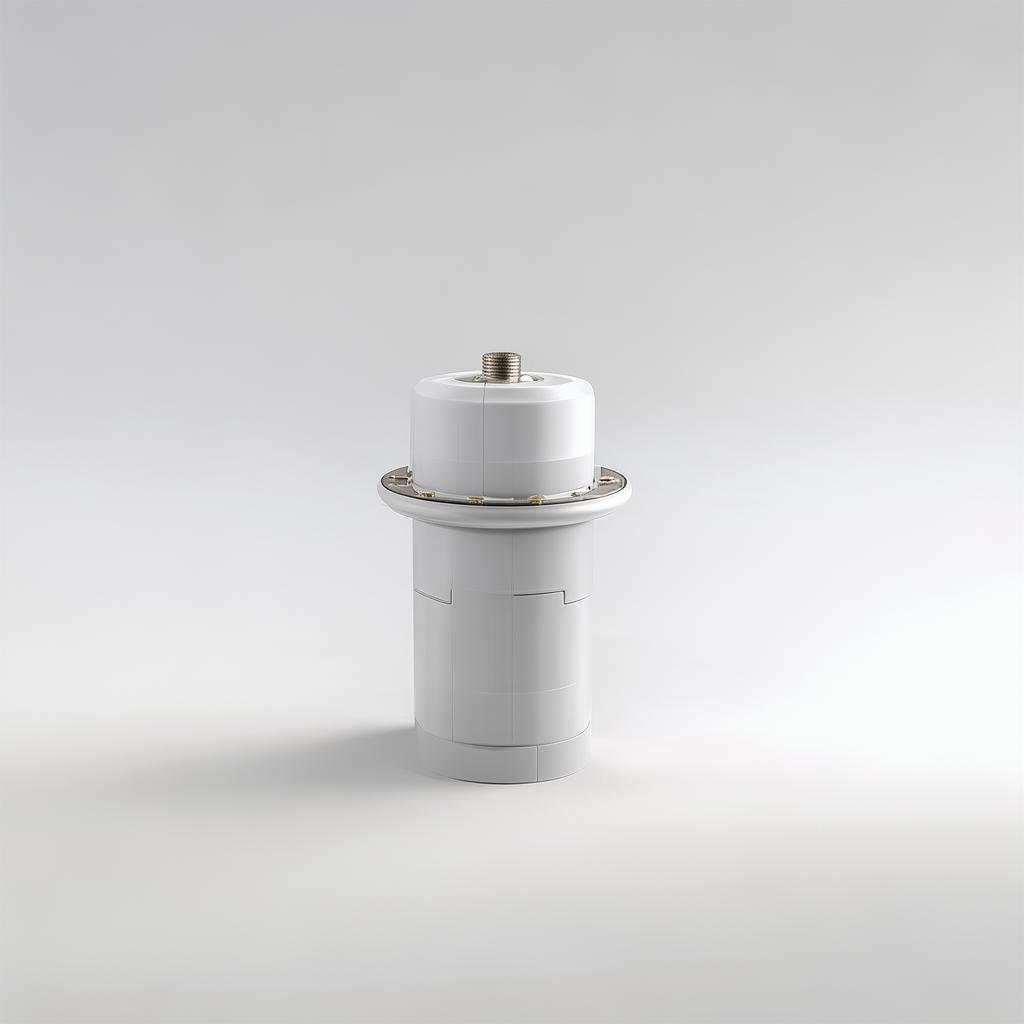
When it comes to purchasing a check valve 3/4, quality and reliability are paramount. Our company is committed to delivering top-notch products that meet international standards. Here are some reasons to choose us:
- Industry Expertise: With years of experience in the industrial product sector, we understand the needs of our clients.
- Quality Assurance: Our products undergo rigorous testing to ensure they meet the highest quality standards.
- Global Reach: We supply our products to businesses worldwide, adhering to international trade regulations.
- Customer Support: Our dedicated team is available to assist you with any inquiries or support related to your purchase.
- Custom Solutions: We offer tailored solutions to meet the specific needs of your application.
FAQ
1. What is a check valve and how does it work?
A check valve is a device that allows fluid to flow in only one direction. It operates automatically, using the pressure of the fluid to open and close the valve, thereby preventing backflow.
2. What materials are available for the check valve 3/4?
The check valve 3/4 is available in several materials, including brass, stainless steel, and PVC, catering to different environmental and fluid characteristics.
3. What is the pressure rating of the check valve 3/4?
The standard pressure rating for the check valve 3/4 is 150 PSI, suitable for most industrial applications.
4. Can I use the check valve 3/4 for gas applications?
Yes, the check valve 3/4 is suitable for various gases and can be used in gas applications, provided that the material selected is compatible with the specific gas.
5. How do I install the check valve 3/4?
The installation process varies depending on the connection type. Ensure to follow the manufacturer's guidelines and use appropriate tools to secure the valve in place.
 English
  Afrikaans
  Albanian
  Amharic
  Arabic
  Armenian
  Azerbaijani
  Basque
  Belarusian
  Bengali
  Bosnian
  Bulgarian
  Catalan
  Cebuano
  Corsican
  Croatian
  Czech
Czech  Danish
  Dutch
Dutch  Esperanto
  Estonian
  Finnish
  French
  Frisian
  Galician
  Georgian
  German
  Greek
Greek  Gujarati
  Haitian Creole
  Hausa
Hausa  Hebrew
  Hindi
Hindi  Miao
Miao  Hungarian
  Icelandic
  Igbo
Igbo  Indonesian
  Irish
Irish  Italian
  Japanese
  Javanese
  Kazakh
  Khmer
Khmer  Rwandese
  Korean
  Kurdish
  Kyrgyz
  Lao
Lao  Latin
Latin  Latvian
  Lithuanian
  Luxembourgish
  Macedonian
  Malgashi
  Malay
Malay  Malayalam
  Maltese
  Maori
Maori  Marathi
  Mongolian
  Myanmar
  Nepali
  Norwegian
  Norwegian
  Occitan
  Pashto
  Persian
  Polish
  Portuguese
  Romanian
  Russian
  Samoan
  Scottish Gaelic
  Serbian
  Sesotho
  Shona
Shona  Sindhi
  Sinhala
  Slovak
  Slovenian
  Somali
  Spanish
  Sundanese
  Swahili
  Swedish
  Tajik
Tajik  Tamil
Tamil  Tatar
Tatar  Telugu
  Thai
Thai  Turkish
  Turkmen
  Ukrainian
  Urdu
Urdu  Uighur
  Uzbek
Uzbek  Vietnamese
  Welsh
Welsh  Bantu
Bantu  Yiddish
  Yoruba
  Zulu
Zulu