




Check Valves Low Pressure
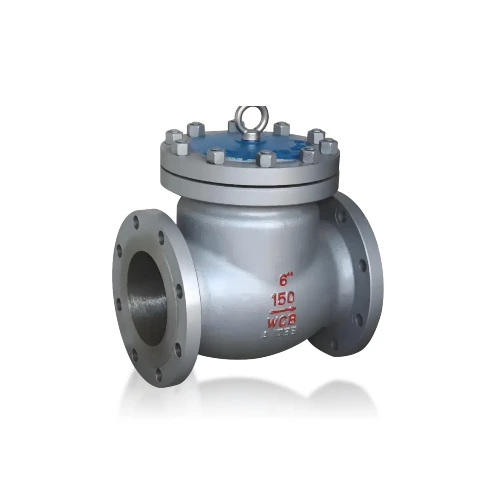
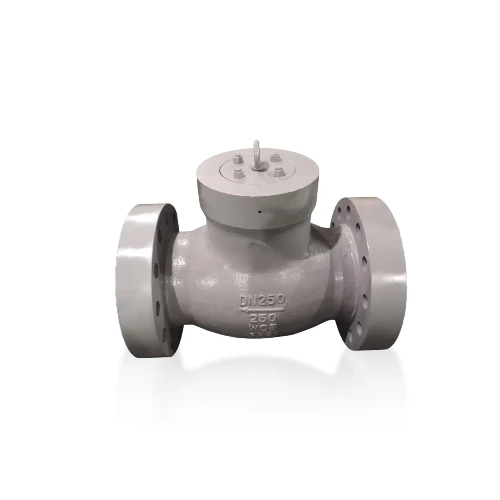
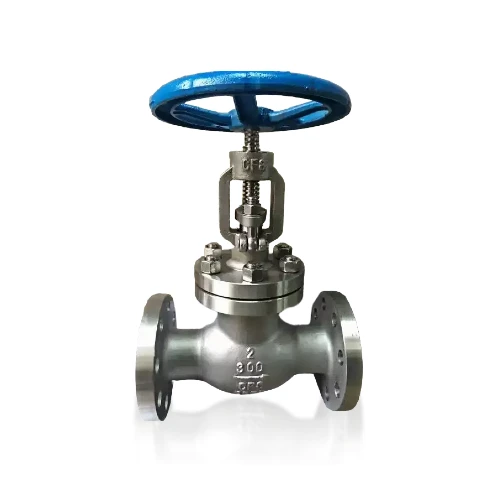
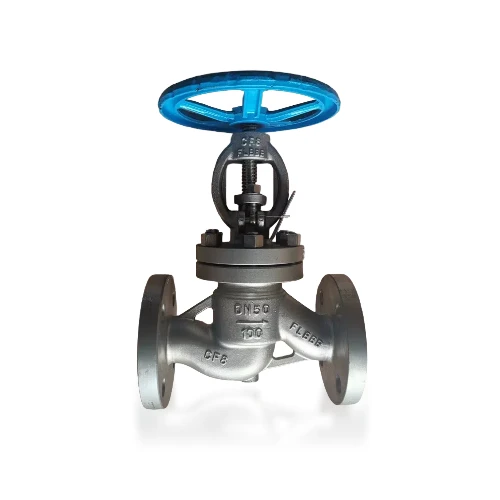
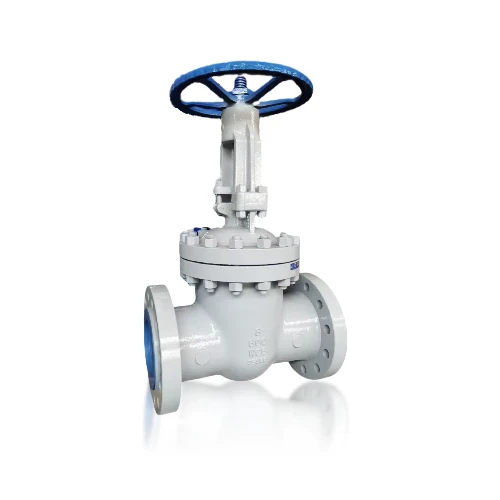
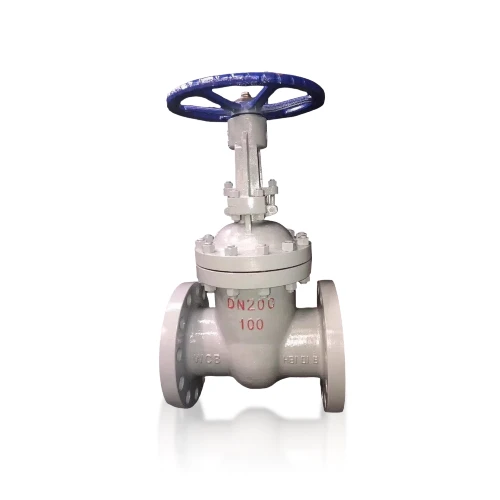
Check valves low pressure are essential components in various industrial applications where backflow prevention is critical. Designed to allow fluid to flow in one direction, these valves serve as a safeguard against reverse currents, ensuring system integrity and operational efficiency. Our check valves low pressure are engineered for reliability and durability, making them suitable for a wide range of environments.
Key Features
- Durable Construction: Manufactured from high-quality materials to withstand low-pressure environments.
- Easy Installation: Designed for straightforward integration into existing systems.
- Minimal Maintenance: Low wear and tear mean reduced maintenance requirements over time.
- Versatile Applications: Ideal for various industries, including water treatment, HVAC, and chemical processing.
- Compact Design: Space-saving design suitable for tight installation spaces.
Technical Specifications
| Specification | Value |
|---|---|
| Material | Brass / Stainless Steel / PVC |
| Pressure Rating | Up to 150 PSI |
| Temperature Range | -20°C to 80°C |
| Connection Type | Threaded / Flanged |
| Size Options | 1” to 6” |
| Standards Compliance | API, ANSI, ISO |
Application Scenarios
Check valves low pressure are widely used across various industries. Here are some common application scenarios:
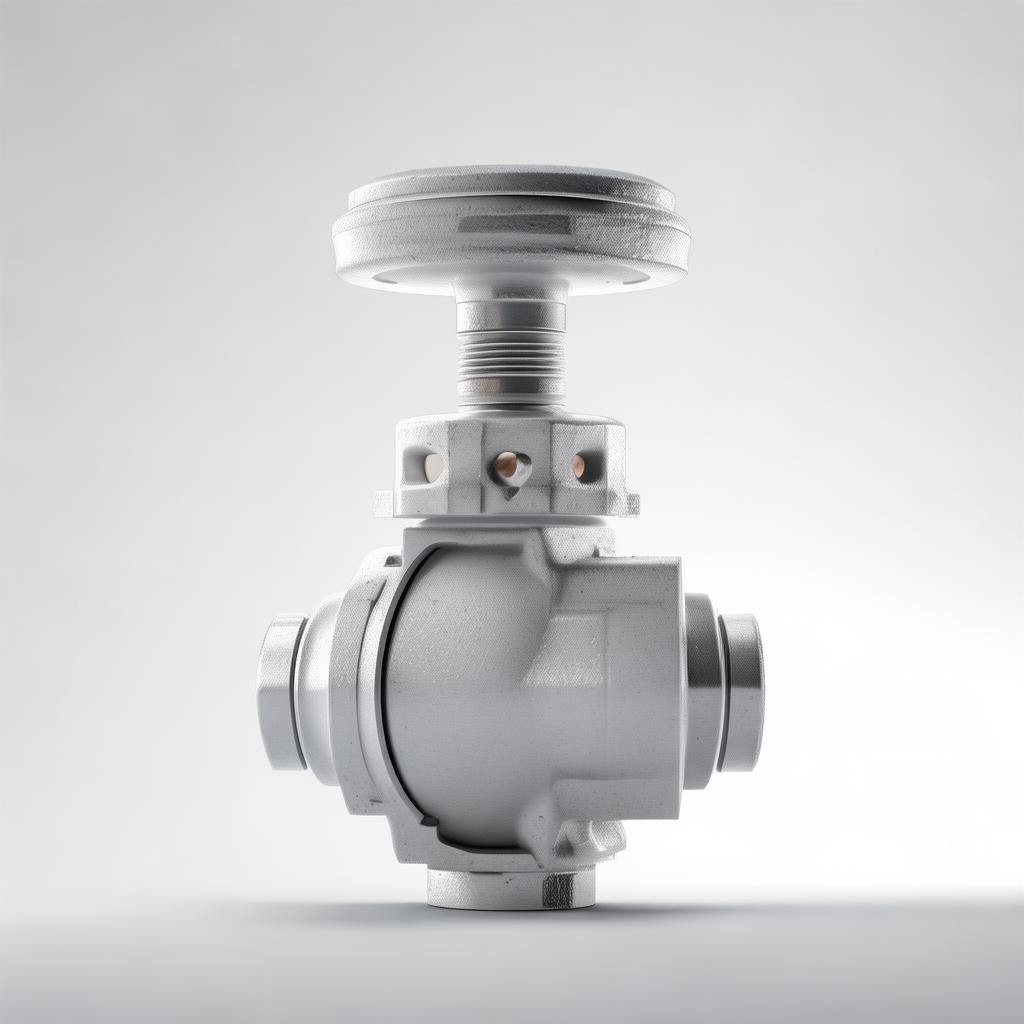
- Water Supply Systems: Prevents backflow in municipal and industrial water systems, ensuring clean water supply.
- HVAC Systems: Maintains proper flow direction in heating and cooling systems, optimizing energy efficiency.
- Pumping Stations: Protects pumps from reverse flow, enhancing operational reliability and lifespan.
- Chemical Processing: Safeguards against contamination in chemical transport and processing systems.
- Fire Protection Systems: Ensures that fire suppression systems operate effectively without backflow issues.
Advantages
The advantages of using our check valves low pressure include:
- Enhanced System Efficiency: By preventing backflow, these valves help maintain optimal flow rates and pressure levels.
- Cost-Effective: Their durability and low maintenance needs result in lower operational costs over time.
- Safety Assurance: Reduces the risk of system failures and potential hazards associated with backflow.
- Wide Compatibility: Designed to be compatible with various fluids, making them suitable for diverse applications.
- Proven Reliability: Our check valves low pressure are rigorously tested to ensure they meet industry standards for performance and safety.
Why Choose Us
Choosing our check valves low pressure means partnering with a trusted manufacturer committed to quality and customer satisfaction. Here are a few reasons to select us:
- Expertise: With years of experience in the industrial valve market, we understand the unique needs of our clients.
- Quality Assurance: Our products undergo strict quality control processes to ensure reliability and performance.
- Global Reach: We serve clients worldwide, providing tailored solutions to meet diverse regulatory and operational requirements.
- Customer Support: Our dedicated support team is available to assist you with any inquiries or technical issues.
- Innovative Solutions: We continually invest in research and development to enhance our product offerings and adapt to market demands.
FAQ
1. What is a check valve and how does it work?
A check valve is a device that allows fluid to flow in one direction while preventing backflow. It typically consists of a disc or ball that opens under forward flow pressure and closes when the flow reverses.
2. What applications are check valves low pressure suitable for?
Check valves low pressure are suitable for a variety of applications, including water supply systems, HVAC, pumping stations, and chemical processing systems.
3. How do I choose the right size check valve for my application?
The right size of check valve depends on the flow rate, pressure requirements, and specific system configurations. Consulting with an expert can help determine the appropriate size.
4. Do check valves require maintenance?
While check valves low pressure are designed for minimal maintenance, periodic inspections are recommended to ensure proper functionality and to address any wear and tear.
5. Can check valves be installed in any orientation?
Check valves can typically be installed in both horizontal and vertical positions, but it is essential to follow manufacturer guidelines for optimal performance.
 English
  Afrikaans
  Albanian
  Amharic
  Arabic
  Armenian
  Azerbaijani
  Basque
  Belarusian
  Bengali
  Bosnian
  Bulgarian
  Catalan
  Cebuano
  Corsican
  Croatian
  Czech
Czech  Danish
  Dutch
Dutch  Esperanto
  Estonian
  Finnish
  French
  Frisian
  Galician
  Georgian
  German
  Greek
Greek  Gujarati
  Haitian Creole
  Hausa
Hausa  Hebrew
  Hindi
Hindi  Miao
Miao  Hungarian
  Icelandic
  Igbo
Igbo  Indonesian
  Irish
Irish  Italian
  Japanese
  Javanese
  Kazakh
  Khmer
Khmer  Rwandese
  Korean
  Kurdish
  Kyrgyz
  Lao
Lao  Latin
Latin  Latvian
  Lithuanian
  Luxembourgish
  Macedonian
  Malgashi
  Malay
Malay  Malayalam
  Maltese
  Maori
Maori  Marathi
  Mongolian
  Myanmar
  Nepali
  Norwegian
  Norwegian
  Occitan
  Pashto
  Persian
  Polish
  Portuguese
  Romanian
  Russian
  Samoan
  Scottish Gaelic
  Serbian
  Sesotho
  Shona
Shona  Sindhi
  Sinhala
  Slovak
  Slovenian
  Somali
  Spanish
  Sundanese
  Swahili
  Swedish
  Tajik
Tajik  Tamil
Tamil  Tatar
Tatar  Telugu
  Thai
Thai  Turkish
  Turkmen
  Ukrainian
  Urdu
Urdu  Uighur
  Uzbek
Uzbek  Vietnamese
  Welsh
Welsh  Bantu
Bantu  Yiddish
  Yoruba
  Zulu
Zulu