




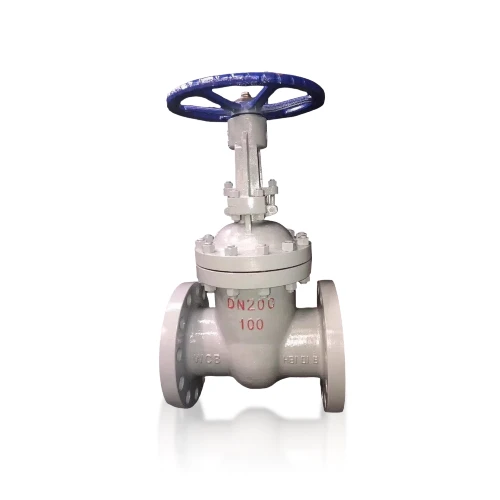
DIN Butterfly Valve
Product Overview
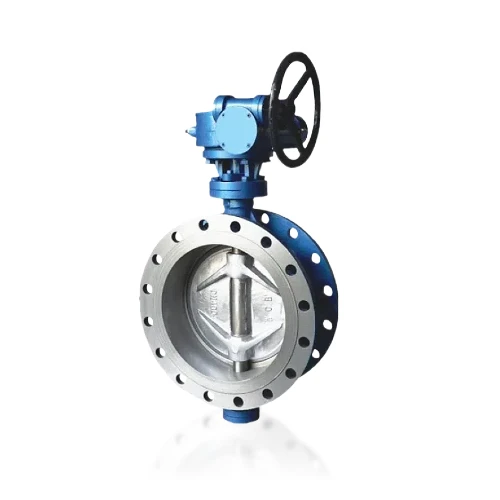
The DIN butterfly valve is a versatile and reliable valve designed for regulating flow in various industrial applications. Engineered to meet international standards, this valve features a circular disc that pivots to control fluid flow, providing a cost-effective solution for isolating or throttling media in pipelines. With its robust design and easy installation, the DIN butterfly valve is suitable for a wide range of fluids, including water, gas, and chemicals, making it an essential component in many industrial systems.
Key Features
- Durable Construction: Made from high-quality materials to ensure longevity and resistance to corrosion.
- Compact Design: Space-saving design that makes it suitable for tight installations.
- Lightweight: Easy to handle and install, reducing labor costs.
- Versatile Application: Suitable for various industries including water treatment, chemical processing, and HVAC systems.
- Easy Operation: Smooth and quick operation with a simple 90-degree turn for full open or closed positions.
Technical Specifications
| Specification | Details |
|---|---|
| Size | DN50 to DN1200 |
| Pressure Rating | PN10, PN16, PN25 |
| Temperature Range | -20°C to 120°C |
| Body Material | Cast Iron, Stainless Steel, or PVC |
| Seat Material | EPDM, NBR, PTFE |
| End Connection | Flanged, Wafer, or Lugged |
Application Scenarios
The DIN butterfly valve is widely utilized across multiple sectors due to its adaptability and efficiency. Common application scenarios include:
- Water Treatment Plants: Used for flow regulation and isolation in water supply systems.
- Oil and Gas Industry: Ideal for controlling the flow of crude oil, natural gas, and refined products.
- Chemical Processing: Suitable for handling various chemicals and corrosive substances.
- HVAC Systems: Utilized in heating, ventilation, and air conditioning systems for airflow control.
- Food and Beverage Industry: Employed in processes to ensure hygiene and efficiency.
Advantages
Choosing a DIN butterfly valve provides numerous advantages that enhance operational efficiency:
- Cost-Effective: Lower manufacturing costs and reduced weight lead to savings in logistics and installation.
- Minimal Pressure Loss: Designed to ensure low pressure drop across the valve, improving system efficiency.
- High Flow Rate: Capable of handling large volumes of fluid with minimal turbulence.
- Easy Maintenance: Simplified design allows for quick maintenance and replacement of parts.
- Long Service Life: Robust materials and construction contribute to extended durability and reliability.
Why Choose Us
When selecting a supplier for your DIN butterfly valve needs, consider the following reasons to choose us:
- Expertise: We have extensive experience in the valve industry, ensuring top-quality products and services.
- Quality Assurance: Our valves are manufactured following stringent quality control measures to meet international standards.
- Custom Solutions: We offer tailored solutions to meet the specific requirements of our clients.
- Competitive Pricing: We provide high-quality products at competitive prices, ensuring value for your investment.
- Excellent Customer Support: Our dedicated team is available to assist you with any inquiries and after-sales support.
FAQ
1. What is a DIN butterfly valve?
A DIN butterfly valve is a type of flow control valve that uses a rotating disc to regulate fluid flow in pipelines, designed according to the Deutsches Institut für Normung (DIN) standards.
2. What materials are available for DIN butterfly valves?
DIN butterfly valves are available in various materials including cast iron, stainless steel, and PVC, with different seat materials such as EPDM, NBR, and PTFE to suit diverse applications.
3. What sizes do DIN butterfly valves come in?
They are available in sizes ranging from DN50 to DN1200, accommodating various pipeline dimensions.
4. Can DIN butterfly valves be used for throttling applications?
Yes, while primarily designed for on/off control, DIN butterfly valves can also be used for throttling applications, depending on the design and installation.
5. How do I maintain a DIN butterfly valve?
Regular inspection for wear and tear, checking seals, and ensuring the valve operates smoothly are essential for maintenance. Replacement of worn components should be performed as needed.
 English
  Afrikaans
  Albanian
  Amharic
  Arabic
  Armenian
  Azerbaijani
  Basque
  Belarusian
  Bengali
  Bosnian
  Bulgarian
  Catalan
  Cebuano
  Corsican
  Croatian
  Czech
Czech  Danish
  Dutch
Dutch  Esperanto
  Estonian
  Finnish
  French
  Frisian
  Galician
  Georgian
  German
  Greek
Greek  Gujarati
  Haitian Creole
  Hausa
Hausa  Hebrew
  Hindi
Hindi  Miao
Miao  Hungarian
  Icelandic
  Igbo
Igbo  Indonesian
  Irish
Irish  Italian
  Japanese
  Javanese
  Kazakh
  Khmer
Khmer  Rwandese
  Korean
  Kurdish
  Kyrgyz
  Lao
Lao  Latin
Latin  Latvian
  Lithuanian
  Luxembourgish
  Macedonian
  Malgashi
  Malay
Malay  Malayalam
  Maltese
  Maori
Maori  Marathi
  Mongolian
  Myanmar
  Nepali
  Norwegian
  Norwegian
  Occitan
  Pashto
  Persian
  Polish
  Portuguese
  Romanian
  Russian
  Samoan
  Scottish Gaelic
  Serbian
  Sesotho
  Shona
Shona  Sindhi
  Sinhala
  Slovak
  Slovenian
  Somali
  Spanish
  Sundanese
  Swahili
  Swedish
  Tajik
Tajik  Tamil
Tamil  Tatar
Tatar  Telugu
  Thai
Thai  Turkish
  Turkmen
  Ukrainian
  Urdu
Urdu  Uighur
  Uzbek
Uzbek  Vietnamese
  Welsh
Welsh  Bantu
Bantu  Yiddish
  Yoruba
  Zulu
Zulu