




Electric Actuator
The electric actuator is a sophisticated device designed to automate the movement of various mechanical systems. Utilizing electrical energy, it converts electrical signals into precise mechanical motion, allowing for enhanced control and efficiency in numerous industrial applications. As industries increasingly turn towards automation for improved productivity and reliability, electric actuators have become essential components in modern machinery.
Key Features
- High Precision: Ensures accurate positioning and control in various applications.
- Robust Design: Built to withstand harsh industrial environments and provide long-lasting performance.
- Energy Efficient: Consumes less power compared to traditional pneumatic or hydraulic actuators.
- Easy Integration: Compatible with various control systems and easy to install.
- Low Maintenance: Minimal upkeep required due to fewer moving parts and no need for hydraulic fluids.
Technical Specifications
| Specification | Details |
|---|---|
| Type | Electric Linear / Rotary |
| Voltage | 24V, 110V, 220V AC/DC |
| Max Load Capacity | Up to 1000 kg |
| Speed | Adjustable - up to 100 mm/s |
| Protection Class | IP67 |
| Operating Temperature | -40°C to +85°C |
Application Scenarios
Electric actuators are versatile and find applications across a wide range of industries. Here are some common scenarios where electric actuators excel:
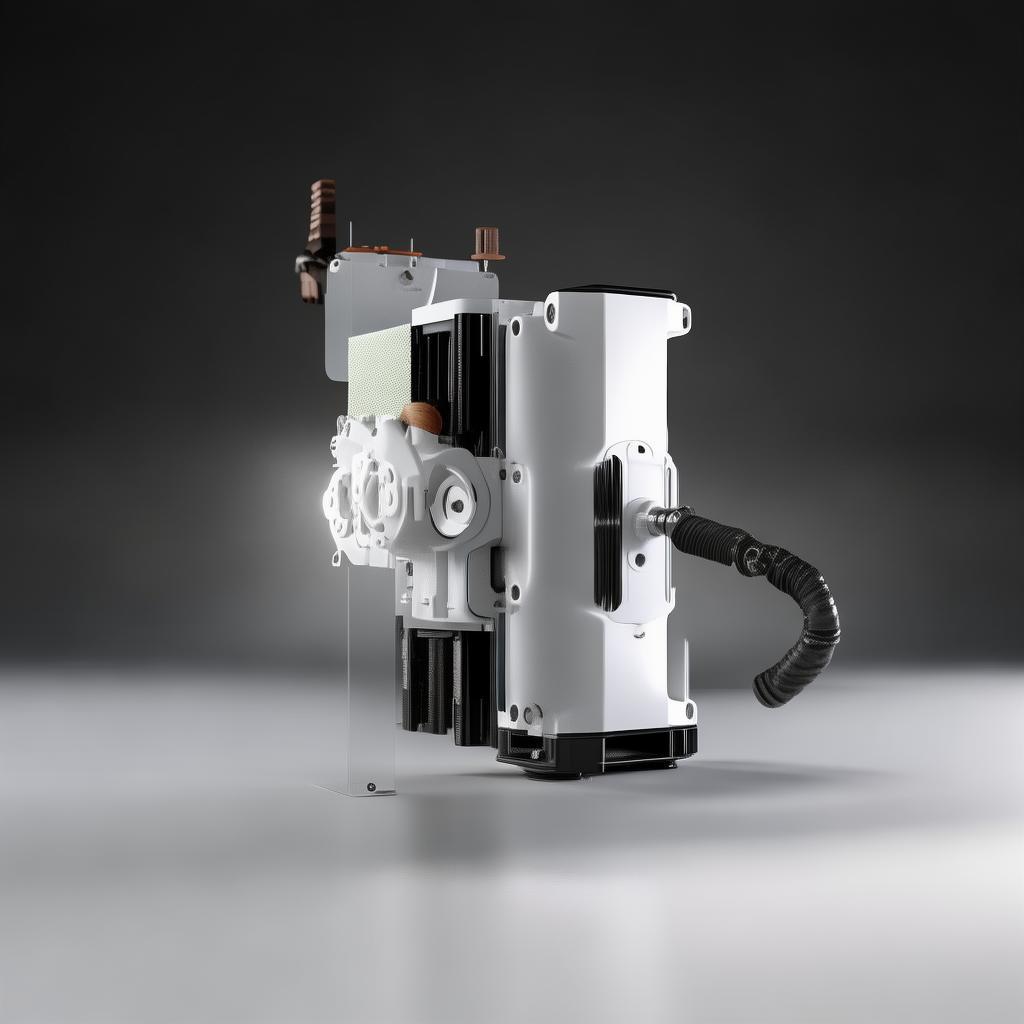
- Manufacturing: Used in assembly lines for automated material handling and component positioning.
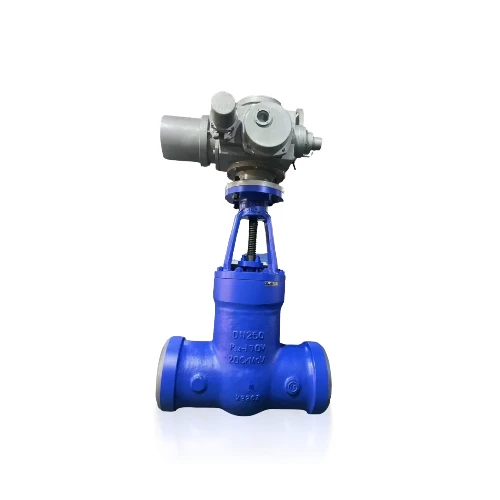
- Pumping Stations: Control valve operations to optimize water and fluid management systems.
- HVAC Systems: Regulate airflow and temperature settings in heating and cooling units.
- Aerospace: Actuate control surfaces and landing gear mechanisms for improved aircraft performance.
- Automotive: Implement precision control in robotic welding and assembly processes.
Advantages
The adoption of electric actuators in industrial settings offers numerous advantages that contribute to operational efficiency and cost-effectiveness:
- Cost-Effectiveness: Reduced energy consumption leads to lower operational costs over time.
- Safety: Eliminates risks associated with hydraulic leaks and high-pressure systems.
- Flexibility: Easily programmable to cater to different operational needs and conditions.
- Environmental Benefits: Lower carbon footprint compared to pneumatic systems, supporting sustainability initiatives.
- Enhanced Control: Provides precise feedback and monitoring capabilities, ensuring optimal performance.
Why Choose Us
Choosing our electric actuators means investing in quality, reliability, and performance. Here’s why we stand out in the market:
- Industry Expertise: Over 20 years of experience in manufacturing and supplying actuators.
- Quality Assurance: All our products undergo rigorous testing to ensure they meet international standards.
- Custom Solutions: We offer tailor-made solutions to meet your specific requirements.
- Global Reach: We serve clients across various countries, ensuring timely delivery and support.
- Customer Support: A dedicated team is available to assist you with installation, maintenance, and troubleshooting.
FAQ
1. What is an electric actuator?
An electric actuator is a device that converts electrical energy into mechanical motion, allowing for automated control of machinery and systems.
2. How do electric actuators differ from pneumatic and hydraulic actuators?
Electric actuators use electrical energy, while pneumatic actuators rely on compressed air, and hydraulic actuators use pressurized fluid. Electric actuators are generally more energy-efficient and require less maintenance.
3. Can electric actuators be used in outdoor environments?
Yes, many electric actuators are designed with protective enclosures (such as IP67 ratings) to withstand outdoor conditions, including moisture and dust.
4. Are electric actuators customizable?
Absolutely! We offer a range of customization options to meet specific operational requirements, including voltage, speed, and load capacity.
5. What kind of control systems are compatible with electric actuators?
Electric actuators can be integrated with various control systems, including PLCs, SCADA systems, and manual switches, making them highly versatile for automation applications.
 English
  Afrikaans
  Albanian
  Amharic
  Arabic
  Armenian
  Azerbaijani
  Basque
  Belarusian
  Bengali
  Bosnian
  Bulgarian
  Catalan
  Cebuano
  Corsican
  Croatian
  Czech
Czech  Danish
  Dutch
Dutch  Esperanto
  Estonian
  Finnish
  French
  Frisian
  Galician
  Georgian
  German
  Greek
Greek  Gujarati
  Haitian Creole
  Hausa
Hausa  Hebrew
  Hindi
Hindi  Miao
Miao  Hungarian
  Icelandic
  Igbo
Igbo  Indonesian
  Irish
Irish  Italian
  Japanese
  Javanese
  Kazakh
  Khmer
Khmer  Rwandese
  Korean
  Kurdish
  Kyrgyz
  Lao
Lao  Latin
Latin  Latvian
  Lithuanian
  Luxembourgish
  Macedonian
  Malgashi
  Malay
Malay  Malayalam
  Maltese
  Maori
Maori  Marathi
  Mongolian
  Myanmar
  Nepali
  Norwegian
  Norwegian
  Occitan
  Pashto
  Persian
  Polish
  Portuguese
  Romanian
  Russian
  Samoan
  Scottish Gaelic
  Serbian
  Sesotho
  Shona
Shona  Sindhi
  Sinhala
  Slovak
  Slovenian
  Somali
  Spanish
  Sundanese
  Swahili
  Swedish
  Tajik
Tajik  Tamil
Tamil  Tatar
Tatar  Telugu
  Thai
Thai  Turkish
  Turkmen
  Ukrainian
  Urdu
Urdu  Uighur
  Uzbek
Uzbek  Vietnamese
  Welsh
Welsh  Bantu
Bantu  Yiddish
  Yoruba
  Zulu
Zulu