




Flange Ball Valve
Product Overview
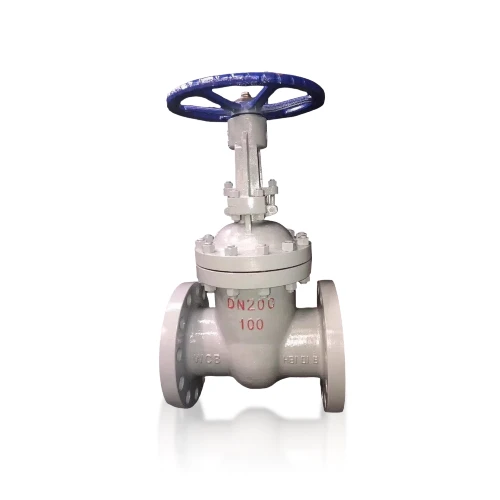
The flange ball valve is a crucial component in various industrial applications, designed to provide reliable shut-off and control capabilities. Utilizing a spherical disc as the closure mechanism, these valves ensure minimal flow resistance and leak-proof sealing when closed. Made from high-quality materials, the flange ball valve is suitable for a range of fluids and gases, making it a versatile choice for industries such as oil and gas, water treatment, and chemical processing.
Key Features
- Durable Construction: Crafted from robust materials such as stainless steel, carbon steel, and brass, ensuring longevity and resistance to corrosion.
- High Flow Capacity: The spherical design allows for excellent flow characteristics, minimizing pressure drops across the valve.
- Easy Installation: Flange connections simplify the installation process, enabling quick and secure fittings to pipes.
- Leak-proof Seal: Advanced sealing technology ensures that the valve is leak-tight even under high pressure and temperature conditions.
- Versatile Applications: Suitable for handling a wide range of media including water, oil, and gas, meeting various industrial standards.
Technical Specifications
| Specification | Details |
|---|---|
| Size Range | 1/2" to 12" |
| Pressure Rating | ANSI Class 150, 300, 600 |
| Temperature Range | -29°C to 180°C |
| Material Options | Stainless Steel, Carbon Steel, Brass |
| End Connection Type | Flanged |
| Actuation Options | Manual, Electric, Pneumatic |
Application Scenarios
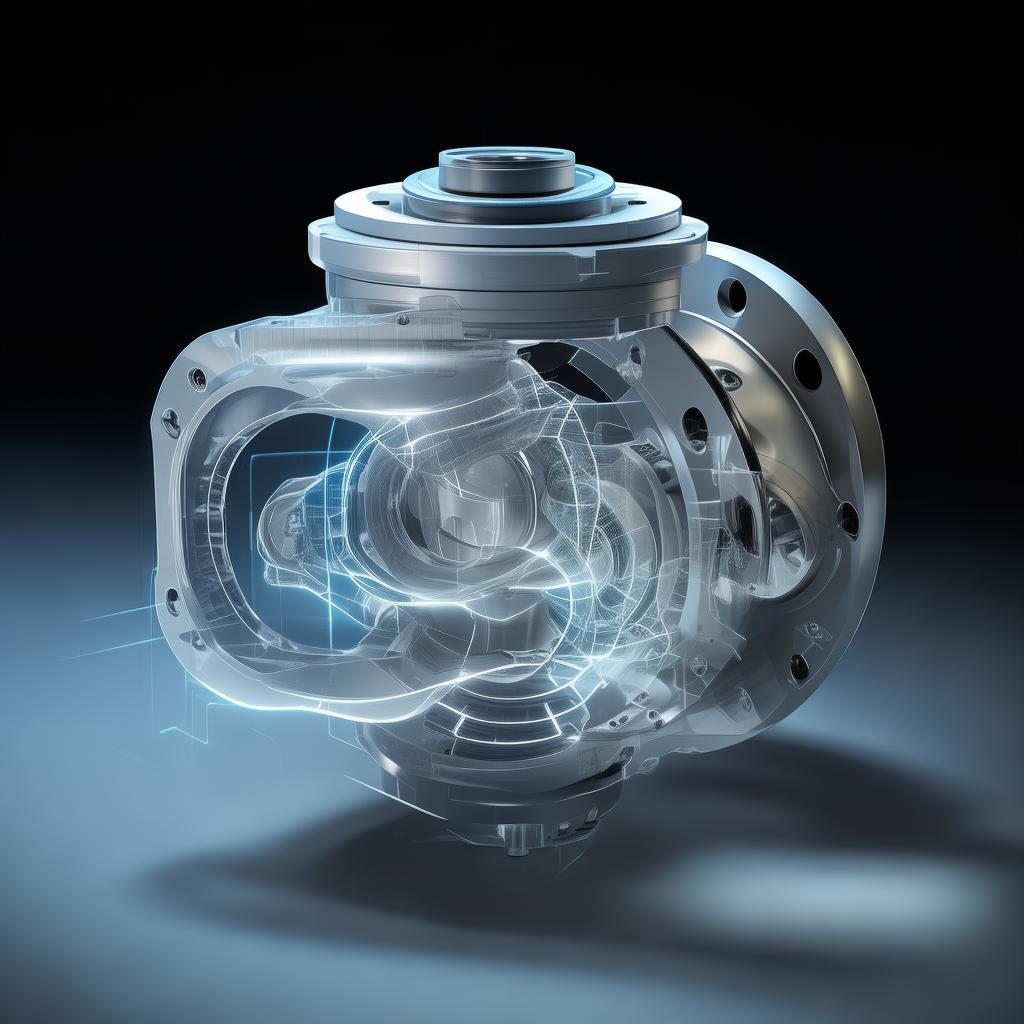
The flange ball valve is utilized in various industrial sectors due to its adaptability and reliability. Here are some common application scenarios:
- Oil and Gas: Essential for controlling the flow of crude oil, natural gas, and refined products in pipelines and refineries.
- Water Treatment: Used in both municipal and industrial water treatment facilities for regulating water flow and preventing backflow.
- Chemical Processing: Ideal for managing the flow of corrosive and non-corrosive chemicals in various chemical manufacturing processes.
- HVAC Systems: Employed in heating, ventilation, and air conditioning systems to control fluid flow and pressure.
- Food and Beverage: Used in food processing plants to ensure hygiene and safety while controlling fluid flow.
Advantages
Choosing a flange ball valve brings multiple advantages to your operations:
- Enhanced Safety: The robust design and reliable sealing properties reduce the risk of leaks, ensuring safety in high-pressure environments.
- Cost-Effective: Durable materials and low maintenance requirements lead to reduced operational costs over time.
- Reduced Downtime: Quick installation and easy operation minimize downtime during valve replacement or maintenance.
- Flexible Operation: Options for manual, electric, or pneumatic actuation provide flexibility to meet specific operational needs.
- Compliance: Manufactured to meet international standards and regulations, ensuring compatibility with various industrial systems.
Why Choose Us
As a leading provider of industrial valves, we pride ourselves on offering high-quality flange ball valves tailored to meet our clients' needs. Our commitment to excellence is reflected in the following:
- Expertise: With years of experience in the industry, our team possesses in-depth knowledge of valve technology and applications.
- Quality Assurance: We adhere to strict quality control processes to guarantee that every flange ball valve meets or exceeds industry standards.
- Custom Solutions: We understand that every project is unique, and we offer customized valve solutions to fit specific requirements.
- Global Reach: Our extensive international network ensures timely delivery and support, regardless of your location.
- Customer Support: Our dedicated support team is always available to assist you with any inquiries or technical questions.
FAQ
1. What is a flange ball valve?
A flange ball valve is a type of valve that uses a spherical disc to control the flow of fluids and gases. It features flanged ends for easy installation to pipes.
2. What materials are flange ball valves made from?
Flange ball valves can be constructed from various materials including stainless steel, carbon steel, and brass, depending on the application requirements.
3. How do I determine the right size flange ball valve for my application?
Choosing the correct size involves considering the pipe diameter, flow rate, and pressure requirements of your system. Consulting with a valve expert can provide tailored advice.
4. Can flange ball valves handle high-pressure applications?
Yes, flange ball valves are designed to handle high-pressure applications, with pressure ratings available up to ANSI Class 600 and beyond, depending on the model.
5. What are the actuation options available for flange ball valves?
Flange ball valves can be actuated manually, electrically, or pneumatically, allowing for flexible operation based on the needs of the system.
 English
  Afrikaans
  Albanian
  Amharic
  Arabic
  Armenian
  Azerbaijani
  Basque
  Belarusian
  Bengali
  Bosnian
  Bulgarian
  Catalan
  Cebuano
  Corsican
  Croatian
  Czech
Czech  Danish
  Dutch
Dutch  Esperanto
  Estonian
  Finnish
  French
  Frisian
  Galician
  Georgian
  German
  Greek
Greek  Gujarati
  Haitian Creole
  Hausa
Hausa  Hebrew
  Hindi
Hindi  Miao
Miao  Hungarian
  Icelandic
  Igbo
Igbo  Indonesian
  Irish
Irish  Italian
  Japanese
  Javanese
  Kazakh
  Khmer
Khmer  Rwandese
  Korean
  Kurdish
  Kyrgyz
  Lao
Lao  Latin
Latin  Latvian
  Lithuanian
  Luxembourgish
  Macedonian
  Malgashi
  Malay
Malay  Malayalam
  Maltese
  Maori
Maori  Marathi
  Mongolian
  Myanmar
  Nepali
  Norwegian
  Norwegian
  Occitan
  Pashto
  Persian
  Polish
  Portuguese
  Romanian
  Russian
  Samoan
  Scottish Gaelic
  Serbian
  Sesotho
  Shona
Shona  Sindhi
  Sinhala
  Slovak
  Slovenian
  Somali
  Spanish
  Sundanese
  Swahili
  Swedish
  Tajik
Tajik  Tamil
Tamil  Tatar
Tatar  Telugu
  Thai
Thai  Turkish
  Turkmen
  Ukrainian
  Urdu
Urdu  Uighur
  Uzbek
Uzbek  Vietnamese
  Welsh
Welsh  Bantu
Bantu  Yiddish
  Yoruba
  Zulu
Zulu