




Flat Face Flanges
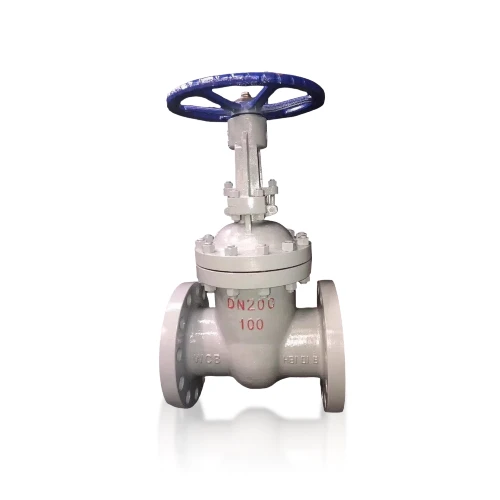
Flat face flanges are essential components in various industrial applications, providing a robust and reliable connection between piping systems and equipment. Designed with a flat surface, these flanges ensure a tight seal and minimize the risk of leakage. Made from high-quality materials, flat face flanges are ideal for applications that require a high degree of pressure and temperature resistance, making them a popular choice in industries such as oil and gas, chemical processing, and water treatment.
Key Features
- Flat Surface Design: The flat face provides a larger sealing area, ensuring a leak-proof joint.
- Material Versatility: Available in various materials including stainless steel, carbon steel, and alloy steel to meet specific application requirements.
- Simplified Installation: Easy to install and remove, making maintenance and repairs straightforward.
- Pressure Ratings: Designed to withstand high-pressure environments, ensuring performance and safety.
- Corrosion Resistance: Many flat face flanges are coated or made from materials that resist corrosion, enhancing durability.
Technical Specifications
| Specification | Details |
|---|---|
| Material | Stainless Steel, Carbon Steel, Alloy Steel |
| Size Range | 1" to 48" |
| Pressure Rating | Class 150 to Class 2500 |
| Standards | ASME B16.5, ASME B16.47 |
| Finish | Smooth, Rough, or Coated |
Application Scenarios
Flat face flanges are widely used in a variety of industries due to their reliable performance and adaptability. Here are some common application scenarios:
- Oil and Gas Industry: Used in pipelines and equipment connections, where high-pressure resistance is crucial.
- Chemical Processing: Ideal for chemical reactors and vessels, where chemical compatibility and safety are paramount.
- Water Treatment: Employed in water treatment plants for connecting pipes and fittings.
- Pulp and Paper: Utilized in various stages of pulp and paper production, ensuring strong and secure connections.
- Power Generation: Essential in steam and cooling water systems, where efficient fluid transfer is necessary.
Advantages
The benefits of using flat face flanges are numerous. Here are some key advantages:
- Enhanced Sealing: The flat surface design minimizes the risk of leaks, providing a secure connection even in high-pressure applications.
- Reduced Maintenance: Their easy installation and removal capabilities lead to lower maintenance costs and downtime.
- Compatibility: Flat face flanges can easily be paired with various piping systems, increasing their versatility across different applications.
- Durability: Constructed from high-quality materials, they are designed to withstand harsh environments and resist corrosion.
- Cost-Effective: The longevity and reliability of flat face flanges contribute to overall cost savings in industrial operations.
Why Choose Us
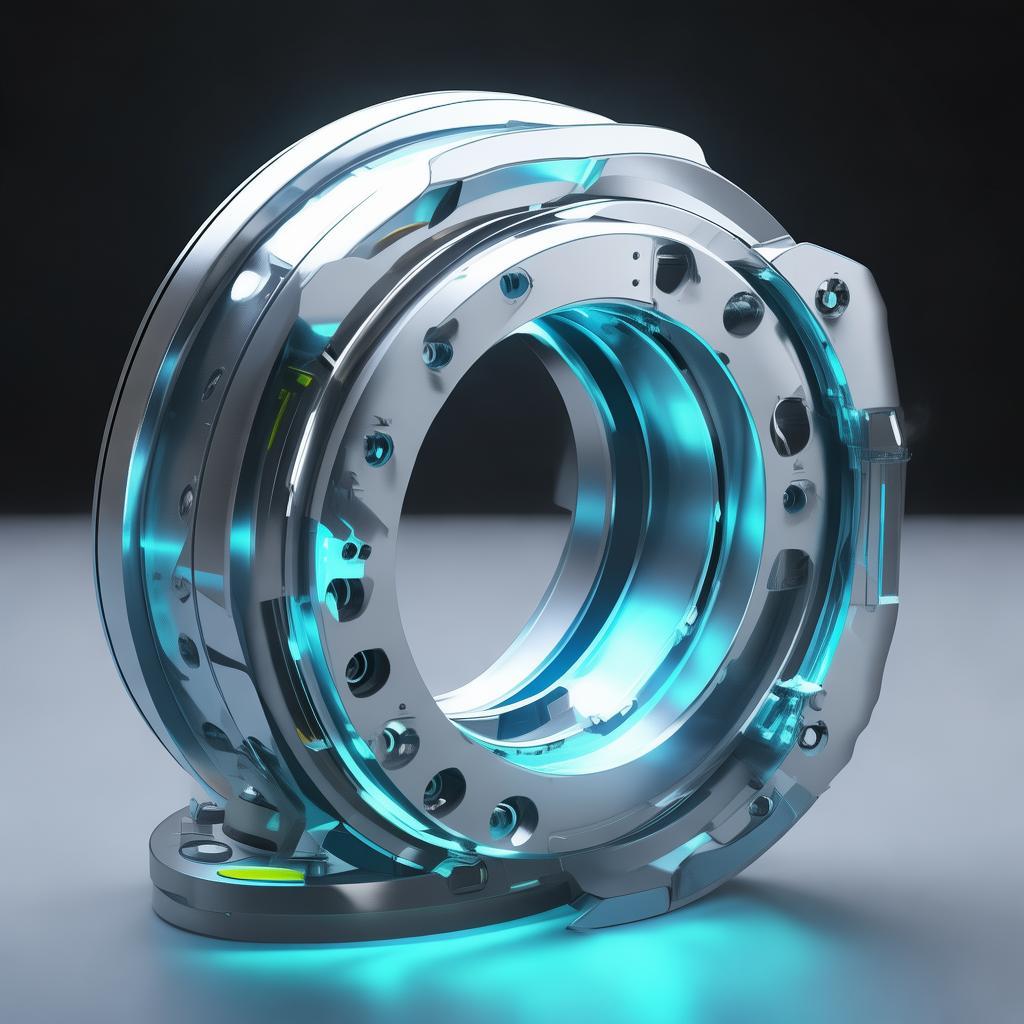
Choosing our flat face flanges means opting for quality, reliability, and exceptional service. Here’s why we stand out in the market:
- Expertise: With years of experience in the industry, we have a deep understanding of our customers' needs and the challenges they face.
- Quality Assurance: Our flat face flanges undergo rigorous testing and quality control to ensure they meet or exceed industry standards.
- Custom Solutions: We offer tailored solutions to meet specific project requirements, ensuring optimal performance.
- Global Reach: With an international supply network, we can deliver our products to clients around the world promptly.
- Customer Support: Our dedicated customer support team is available to assist you with inquiries and provide technical guidance.
FAQ
1. What are flat face flanges used for?
Flat face flanges are primarily used to connect pipes and equipment in various industries, providing a secure and leak-proof joint, especially in high-pressure applications.
2. How do I choose the right flat face flange?
Choosing the right flat face flange depends on several factors, including the material, size, pressure rating, and compatibility with existing piping systems. Consulting with a professional can help you make an informed decision.
3. Can flat face flanges be used with raised face flanges?
It is generally not recommended to use flat face flanges with raised face flanges due to differences in sealing surfaces, which can lead to improper sealing and leak risks.
4. What materials are flat face flanges available in?
Flat face flanges are available in a variety of materials, including stainless steel, carbon steel, and alloy steel, allowing for use in different environmental conditions and applications.
5. Do you offer custom sizes for flat face flanges?
Yes, we provide custom sizes and specifications for flat face flanges to meet the unique requirements of our clients' projects.
 English
  Afrikaans
  Albanian
  Amharic
  Arabic
  Armenian
  Azerbaijani
  Basque
  Belarusian
  Bengali
  Bosnian
  Bulgarian
  Catalan
  Cebuano
  Corsican
  Croatian
  Czech
Czech  Danish
  Dutch
Dutch  Esperanto
  Estonian
  Finnish
  French
  Frisian
  Galician
  Georgian
  German
  Greek
Greek  Gujarati
  Haitian Creole
  Hausa
Hausa  Hebrew
  Hindi
Hindi  Miao
Miao  Hungarian
  Icelandic
  Igbo
Igbo  Indonesian
  Irish
Irish  Italian
  Japanese
  Javanese
  Kazakh
  Khmer
Khmer  Rwandese
  Korean
  Kurdish
  Kyrgyz
  Lao
Lao  Latin
Latin  Latvian
  Lithuanian
  Luxembourgish
  Macedonian
  Malgashi
  Malay
Malay  Malayalam
  Maltese
  Maori
Maori  Marathi
  Mongolian
  Myanmar
  Nepali
  Norwegian
  Norwegian
  Occitan
  Pashto
  Persian
  Polish
  Portuguese
  Romanian
  Russian
  Samoan
  Scottish Gaelic
  Serbian
  Sesotho
  Shona
Shona  Sindhi
  Sinhala
  Slovak
  Slovenian
  Somali
  Spanish
  Sundanese
  Swahili
  Swedish
  Tajik
Tajik  Tamil
Tamil  Tatar
Tatar  Telugu
  Thai
Thai  Turkish
  Turkmen
  Ukrainian
  Urdu
Urdu  Uighur
  Uzbek
Uzbek  Vietnamese
  Welsh
Welsh  Bantu
Bantu  Yiddish
  Yoruba
  Zulu
Zulu