




Float Needle Valve
Product Overview
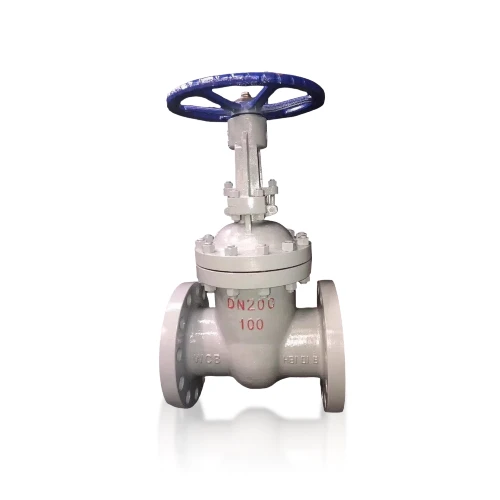
The float needle valve is a critical component in various fluid control systems, designed to regulate the flow of liquids with precision and efficiency. This valve operates on the principle of buoyancy, utilizing a float mechanism to manage fluid levels automatically. Ideal for applications in water treatment plants, agricultural irrigation systems, and industrial processes, the float needle valve ensures consistent pressure and flow, contributing to the overall performance and reliability of your system.
Key Features
- Automatic Operation: The float mechanism automatically adjusts the valve position based on liquid levels, providing hands-free operation.
- High Precision: Engineered for accurate flow control, ensuring optimal performance in diverse applications.
- Durable Construction: Made from high-quality materials that withstand corrosion and wear, ensuring longevity and reliability.
- Easy Installation: Designed for straightforward integration into existing systems, minimizing downtime and installation costs.
- Versatile Applications: Suitable for various industries, including agriculture, food processing, and wastewater management.
Technical Specifications
| Specification | Details |
|---|---|
| Material | Brass, Stainless Steel, or PVC |
| Size Range | 1/4" to 2" (NPT) |
| Working Pressure | 0-100 PSI |
| Temperature Range | -10°C to 90°C (14°F to 194°F) |
| Flow Rate | Up to 100 GPM |
| Connection Type | Threaded, Flanged, or Socket Weld |
Application Scenarios
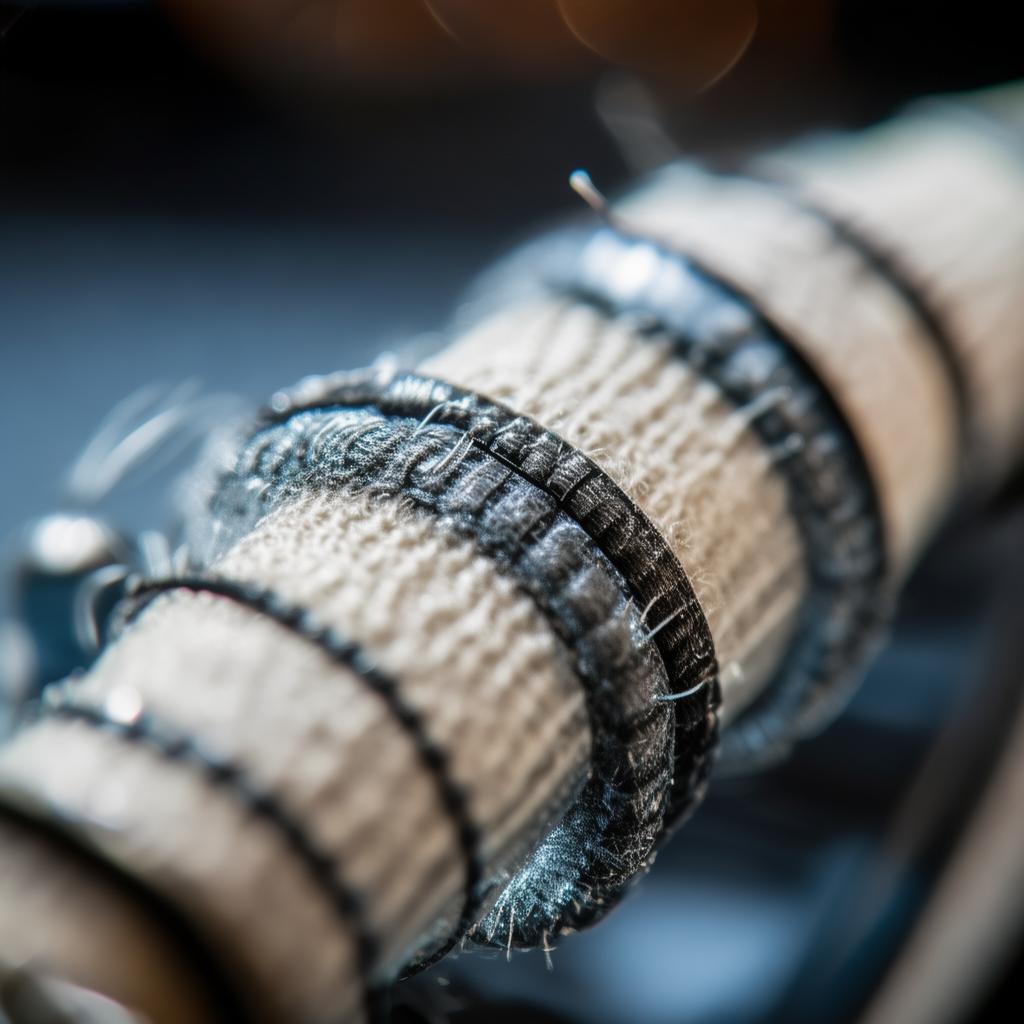
The float needle valve finds its application in a wide range of scenarios, including:
- Water Treatment: Used in filtration systems to maintain optimal water levels and ensure consistent flow rates.
- Agricultural Irrigation: Helps manage water levels in irrigation tanks, enhancing crop growth and resource efficiency.
- Industrial Processes: Essential in manufacturing setups for controlling liquid levels in tanks and reservoirs.
- Marine Applications: Utilized in bilge systems to manage water levels in boats and ships.
- Food and Beverage Industry: Maintains proper fluid levels in processing equipment, ensuring hygiene and safety.
Advantages
Choosing our float needle valve offers numerous advantages that set it apart from competitors:
- Enhanced Reliability: Our valves are rigorously tested to ensure they perform reliably under various conditions, reducing downtime and maintenance costs.
- Customizable Options: We provide tailored solutions to meet specific needs, including materials, sizes, and connection types.
- Expert Support: Our team of experts is available to assist with design, installation, and troubleshooting, ensuring a seamless experience.
- Competitive Pricing: We offer high-quality products at competitive prices, delivering exceptional value for your investment.
- Global Shipping: With a robust international trade network, we can ship our float needle valves worldwide, ensuring timely delivery.
Why Choose Us
When it comes to sourcing float needle valves, our company stands out for several reasons:
- Proven Expertise: With years of experience in the industrial valve sector, we understand the intricacies of fluid control solutions.
- Commitment to Quality: We adhere to stringent quality control measures, ensuring each valve meets industry standards.
- Innovation: Our commitment to research and development allows us to continuously improve our products, integrating the latest technologies.
- Sustainability: We prioritize eco-friendly practices in our manufacturing processes, contributing to a sustainable future.
- Customer-Centric Approach: We focus on building long-term relationships with our clients, ensuring their satisfaction and loyalty.
FAQ
1. What is a float needle valve?
A float needle valve is a device used to control the flow of liquids, utilizing a float mechanism to automatically adjust the valve position based on the liquid level.
2. In which industries are float needle valves commonly used?
Float needle valves are widely used in industries such as water treatment, agriculture, food processing, and marine applications.
3. What materials are float needle valves made from?
These valves can be constructed from various materials, including brass, stainless steel, and PVC, depending on the application requirements.
4. How do I install a float needle valve?
Installation is straightforward; however, it is recommended to consult the product manual or a professional for optimal performance and safety.
5. What are the maintenance requirements for a float needle valve?
Regular inspection for wear and tear, as well as cleaning to prevent clogs, is advisable to ensure longevity and reliability.
 English
  Afrikaans
  Albanian
  Amharic
  Arabic
  Armenian
  Azerbaijani
  Basque
  Belarusian
  Bengali
  Bosnian
  Bulgarian
  Catalan
  Cebuano
  Corsican
  Croatian
  Czech
Czech  Danish
  Dutch
Dutch  Esperanto
  Estonian
  Finnish
  French
  Frisian
  Galician
  Georgian
  German
  Greek
Greek  Gujarati
  Haitian Creole
  Hausa
Hausa  Hebrew
  Hindi
Hindi  Miao
Miao  Hungarian
  Icelandic
  Igbo
Igbo  Indonesian
  Irish
Irish  Italian
  Japanese
  Javanese
  Kazakh
  Khmer
Khmer  Rwandese
  Korean
  Kurdish
  Kyrgyz
  Lao
Lao  Latin
Latin  Latvian
  Lithuanian
  Luxembourgish
  Macedonian
  Malgashi
  Malay
Malay  Malayalam
  Maltese
  Maori
Maori  Marathi
  Mongolian
  Myanmar
  Nepali
  Norwegian
  Norwegian
  Occitan
  Pashto
  Persian
  Polish
  Portuguese
  Romanian
  Russian
  Samoan
  Scottish Gaelic
  Serbian
  Sesotho
  Shona
Shona  Sindhi
  Sinhala
  Slovak
  Slovenian
  Somali
  Spanish
  Sundanese
  Swahili
  Swedish
  Tajik
Tajik  Tamil
Tamil  Tatar
Tatar  Telugu
  Thai
Thai  Turkish
  Turkmen
  Ukrainian
  Urdu
Urdu  Uighur
  Uzbek
Uzbek  Vietnamese
  Welsh
Welsh  Bantu
Bantu  Yiddish
  Yoruba
  Zulu
Zulu