




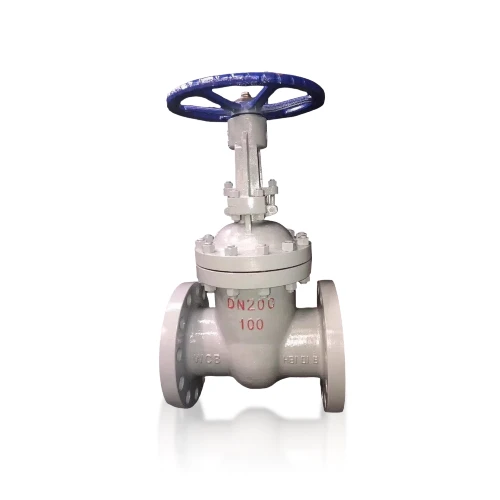
Float Valve
The float valve is a crucial component in various fluid control systems, designed to maintain the desired water level in tanks, reservoirs, and other applications. It works on a simple principle: the float rises and falls with the water level, automatically opening or closing the valve to regulate the flow of water. This mechanism is essential for preventing overflow and ensuring the efficient operation of water systems.
Key Features
- Automatic Operation: The float valve operates automatically, requiring no manual intervention.
- Durable Construction: Made from high-quality materials, ensuring longevity and resistance to corrosion.
- Adjustable Settings: Allows for precise control over water levels and flow rates.
- Easy Installation: Designed for straightforward installation in various systems.
- Versatile Compatibility: Suitable for use in residential, agricultural, and industrial applications.
Technical Specifications
| Specification | Details |
|---|---|
| Material | Brass, PVC, or Stainless Steel |
| Operating Pressure | 0.5 to 6 bar |
| Temperature Range | -10°C to 80°C |
| Float Diameter | 50 mm to 200 mm |
| Connection Type | Threaded or Flanged |
| Application | Water tanks, irrigation systems, aquaculture, etc. |
Application Scenarios
The float valve is highly versatile and can be utilized in various scenarios, including:
- Agricultural Irrigation: Regulates water levels in irrigation systems to ensure optimal moisture for crops.
- Water Tanks: Maintains water levels in residential and commercial water storage tanks.
- Aquaculture: Controls water levels in fish farming tanks and ponds, promoting a healthy aquatic environment.
- Industrial Applications: Used in cooling towers, process water systems, and chemical storage tanks.
- Flushing Systems: Ensures consistent water levels in flushing systems for sanitary applications.
Advantages
Choosing our float valve offers several key advantages:
- Reliability: Engineered for consistent performance, minimizing maintenance needs.
- Cost-Effective: Reduces water wastage and operational costs through efficient water level management.
- Customizable: Options available to meet specific operational requirements and environmental conditions.
- Global Standards Compliance: Designed and manufactured according to international quality standards, ensuring safety and efficiency.
Why Choose Us
Our company stands out as a leading provider of high-quality float valves due to our commitment to excellence and customer satisfaction. Here’s why you should choose us:
- Expertise: With years of experience in the industry, we understand the unique needs of our clients and offer tailored solutions.
- Quality Assurance: Our products undergo rigorous testing to ensure durability and reliability under various conditions.
- Comprehensive Support: We provide ongoing technical support and guidance throughout the product lifecycle.
- Competitive Pricing: Our pricing structure is designed to offer the best value without compromising on quality.
- International Reach: We facilitate global trade, ensuring our clients receive products promptly, no matter where they are located.
FAQ
1. What is a float valve?
A float valve is a device that automatically regulates the water level in a tank or reservoir, utilizing a floating mechanism to open or close the valve based on water levels.
2. How does a float valve work?
The float valve operates on a simple principle: when the water level rises, the float moves upward, opening the valve to allow more water in. Conversely, when the water level drops, the float descends, closing the valve to stop the flow.
3. What materials are used in float valves?
Float valves can be made from various materials, including brass, PVC, and stainless steel, depending on the application and environmental conditions.
4. Can float valves be used in high-pressure systems?
Yes, float valves can be designed to operate in high-pressure systems, typically within a range of 0.5 to 6 bar, depending on the specific model and application.
5. How do I install a float valve?
Installation of a float valve is straightforward. It typically involves securing the valve to the tank or reservoir and connecting it to the water supply, ensuring the float can move freely.
6. What maintenance is required for float valves?
Float valves generally require minimal maintenance. Regular checks for wear and tear, as well as cleaning to prevent clogs, are recommended to ensure optimal performance.
7. How can I order float valves in bulk?
For bulk orders, please contact our sales team directly. We will provide you with pricing, availability, and shipping options tailored to your needs.
 English
  Afrikaans
  Albanian
  Amharic
  Arabic
  Armenian
  Azerbaijani
  Basque
  Belarusian
  Bengali
  Bosnian
  Bulgarian
  Catalan
  Cebuano
  Corsican
  Croatian
  Czech
Czech  Danish
  Dutch
Dutch  Esperanto
  Estonian
  Finnish
  French
  Frisian
  Galician
  Georgian
  German
  Greek
Greek  Gujarati
  Haitian Creole
  Hausa
Hausa  Hebrew
  Hindi
Hindi  Miao
Miao  Hungarian
  Icelandic
  Igbo
Igbo  Indonesian
  Irish
Irish  Italian
  Japanese
  Javanese
  Kazakh
  Khmer
Khmer  Rwandese
  Korean
  Kurdish
  Kyrgyz
  Lao
Lao  Latin
Latin  Latvian
  Lithuanian
  Luxembourgish
  Macedonian
  Malgashi
  Malay
Malay  Malayalam
  Maltese
  Maori
Maori  Marathi
  Mongolian
  Myanmar
  Nepali
  Norwegian
  Norwegian
  Occitan
  Pashto
  Persian
  Polish
  Portuguese
  Romanian
  Russian
  Samoan
  Scottish Gaelic
  Serbian
  Sesotho
  Shona
Shona  Sindhi
  Sinhala
  Slovak
  Slovenian
  Somali
  Spanish
  Sundanese
  Swahili
  Swedish
  Tajik
Tajik  Tamil
Tamil  Tatar
Tatar  Telugu
  Thai
Thai  Turkish
  Turkmen
  Ukrainian
  Urdu
Urdu  Uighur
  Uzbek
Uzbek  Vietnamese
  Welsh
Welsh  Bantu
Bantu  Yiddish
  Yoruba
  Zulu
Zulu