




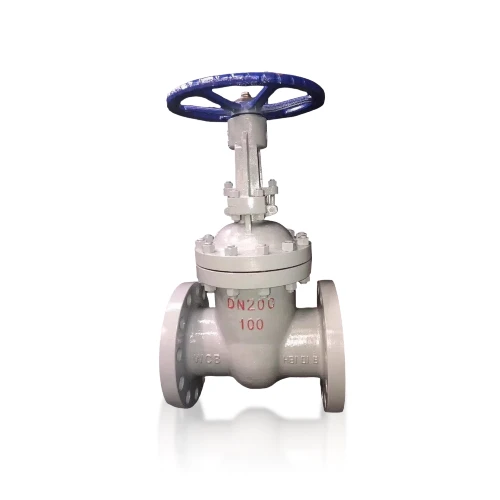
Floating Ball Valve
Product Overview
The floating ball valve is a crucial component in fluid control systems, designed to provide reliable sealing and efficient flow regulation. This type of valve employs a spherical ball as its closure element, which floats within the valve body to create a tight seal when closed. The floating ball valve is widely utilized in various industries, including oil and gas, water treatment, and chemical processing, due to its robust construction and excellent performance characteristics. With a simple yet effective design, it ensures minimal pressure drop and allows for smooth operation in demanding environments.
Key Features
- Compact Design: The floating ball valve features a compact structure, making it suitable for tight spaces.
- Leak-Proof Sealing: Utilizes high-quality sealing materials to prevent leaks and ensure safety.
- Versatile Applications: Ideal for a wide range of media, including liquids, gases, and slurries.
- Durability: Constructed from robust materials to withstand harsh operating conditions.
- Easy Maintenance: Designed for straightforward installation and maintenance, reducing downtime.
- Corrosion Resistance: Available in various materials, including stainless steel and brass, to resist corrosion.
Technical Specifications
| Specification | Details |
|---|---|
| Size Range | 1/2" to 12" |
| Pressure Rating | Class 150 to Class 600 |
| Temperature Range | -20°C to 120°C |
| Material Options | Stainless Steel, Brass, PVC |
| Connection Type | Threaded, Flanged, Welded |
| Actuation Options | Manual, Pneumatic, Electric |
Application Scenarios
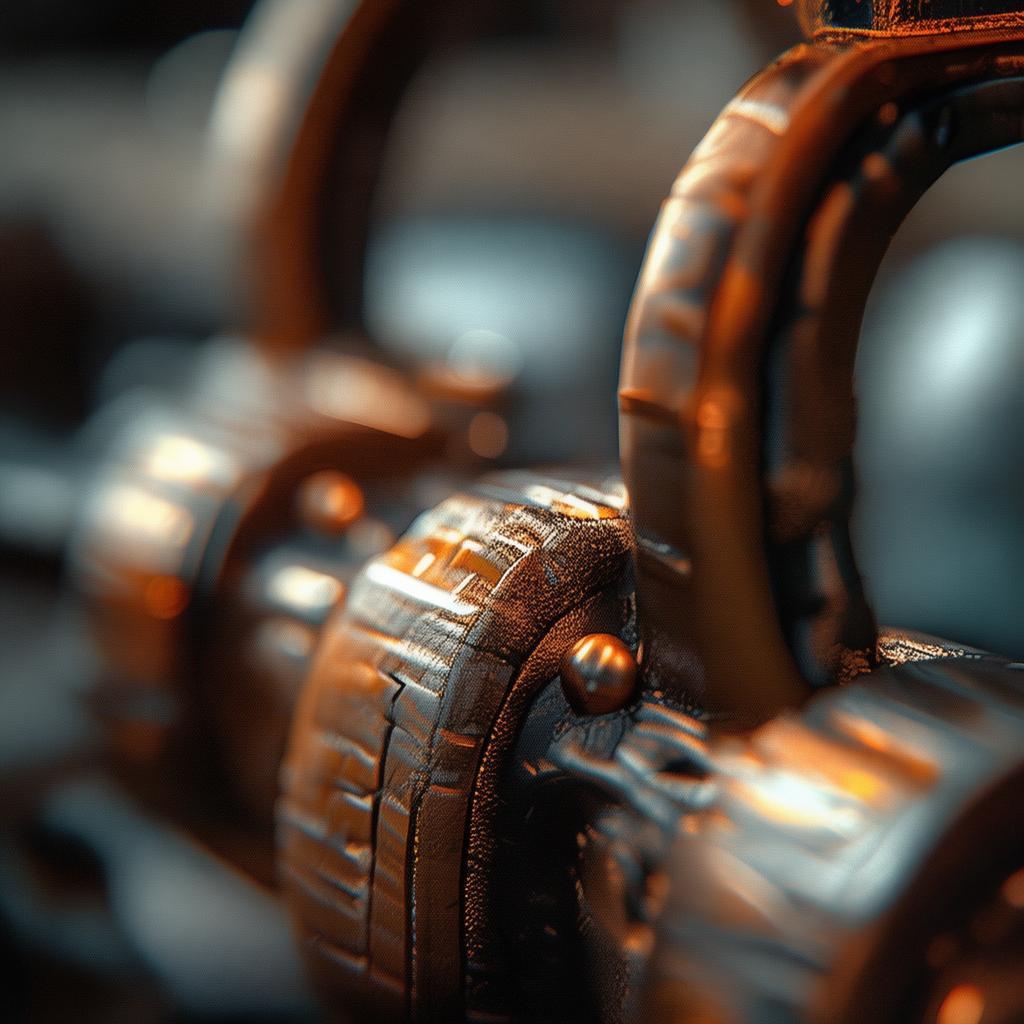
The floating ball valve is versatile and can be utilized in numerous applications across various sectors:
- Oil and Gas: Used in pipelines to control the flow of crude oil and natural gas.
- Chemical Processing: Ideal for handling corrosive substances and maintaining process integrity.
- Water Treatment: Regulates the flow of water during treatment processes.
- Power Generation: Employed in cooling systems and steam lines for efficient flow control.
- Food and Beverage: Ensures hygienic processing of liquids while maintaining strict quality standards.
Advantages
Choosing a floating ball valve offers several advantages that enhance operational efficiency:
- Low Friction: The ball design reduces friction, resulting in less wear and tear on the valve components.
- Quick Operation: The quarter-turn operation allows for rapid opening and closing, minimizing response time.
- Self-Cleaning Action: The design helps clear debris during operation, maintaining flow efficiency.
- Long Service Life: With minimal maintenance, these valves can operate effectively for many years.
- Cost-Effective: The simplicity of design leads to lower manufacturing and installation costs.
Why Choose Us
When it comes to sourcing high-quality floating ball valves, we are your trusted partner. Here’s why:
- Expertise: With years of experience in the industrial valve sector, we offer unmatched knowledge and insights.
- Quality Assurance: Our products undergo rigorous testing to ensure they meet international quality standards.
- Customer Support: We provide dedicated support to assist you with any inquiries or technical issues.
- Customized Solutions: Our engineering team is ready to tailor solutions to meet your specific requirements.
- Global Reach: We have a strong presence in international markets, ensuring reliable supply and distribution.
FAQ
What is a floating ball valve?
A floating ball valve is a type of valve that uses a spherical ball to control fluid flow. The ball floats within the valve body, allowing it to seal against the valve seat when closed.
What are the advantages of using a floating ball valve over other types?
Floating ball valves offer low friction, quick operation, self-cleaning capabilities, and a long service life, making them ideal for various industrial applications.
Can floating ball valves handle high-pressure applications?
Yes, floating ball valves can be designed to handle high-pressure applications, typically rated from Class 150 to Class 600, depending on the specific model and materials used.
What materials are commonly used for floating ball valves?
Floating ball valves are typically manufactured from materials like stainless steel, brass, and PVC, depending on the application's requirements, such as pressure, temperature, and corrosion resistance.
How do I maintain a floating ball valve?
Routine inspection for leaks, ensuring the valve operates smoothly, and cleaning any debris are essential maintenance practices to ensure longevity and performance.
 English
  Afrikaans
  Albanian
  Amharic
  Arabic
  Armenian
  Azerbaijani
  Basque
  Belarusian
  Bengali
  Bosnian
  Bulgarian
  Catalan
  Cebuano
  Corsican
  Croatian
  Czech
Czech  Danish
  Dutch
Dutch  Esperanto
  Estonian
  Finnish
  French
  Frisian
  Galician
  Georgian
  German
  Greek
Greek  Gujarati
  Haitian Creole
  Hausa
Hausa  Hebrew
  Hindi
Hindi  Miao
Miao  Hungarian
  Icelandic
  Igbo
Igbo  Indonesian
  Irish
Irish  Italian
  Japanese
  Javanese
  Kazakh
  Khmer
Khmer  Rwandese
  Korean
  Kurdish
  Kyrgyz
  Lao
Lao  Latin
Latin  Latvian
  Lithuanian
  Luxembourgish
  Macedonian
  Malgashi
  Malay
Malay  Malayalam
  Maltese
  Maori
Maori  Marathi
  Mongolian
  Myanmar
  Nepali
  Norwegian
  Norwegian
  Occitan
  Pashto
  Persian
  Polish
  Portuguese
  Romanian
  Russian
  Samoan
  Scottish Gaelic
  Serbian
  Sesotho
  Shona
Shona  Sindhi
  Sinhala
  Slovak
  Slovenian
  Somali
  Spanish
  Sundanese
  Swahili
  Swedish
  Tajik
Tajik  Tamil
Tamil  Tatar
Tatar  Telugu
  Thai
Thai  Turkish
  Turkmen
  Ukrainian
  Urdu
Urdu  Uighur
  Uzbek
Uzbek  Vietnamese
  Welsh
Welsh  Bantu
Bantu  Yiddish
  Yoruba
  Zulu
Zulu